Hof van Savoye: A Renaissance Palace and Judicial Seat in Mechelen
Site at a Glance
- Popularity
- Medium
- Country
- Belgium
- Primary era
- Early Modern
- Eras represented
- Early Modern
- Civilizations
- Habsburg, Holy Roman Empire
- Site type
- Civic
- Remains
- Palace
On this page6 sections
History
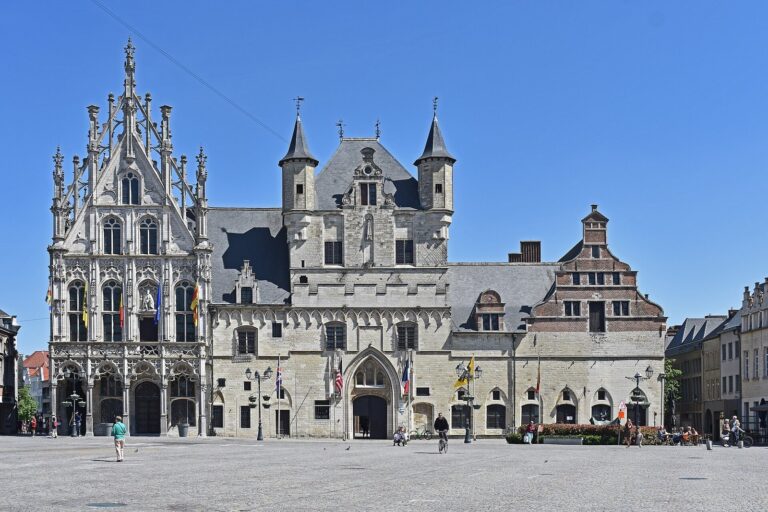
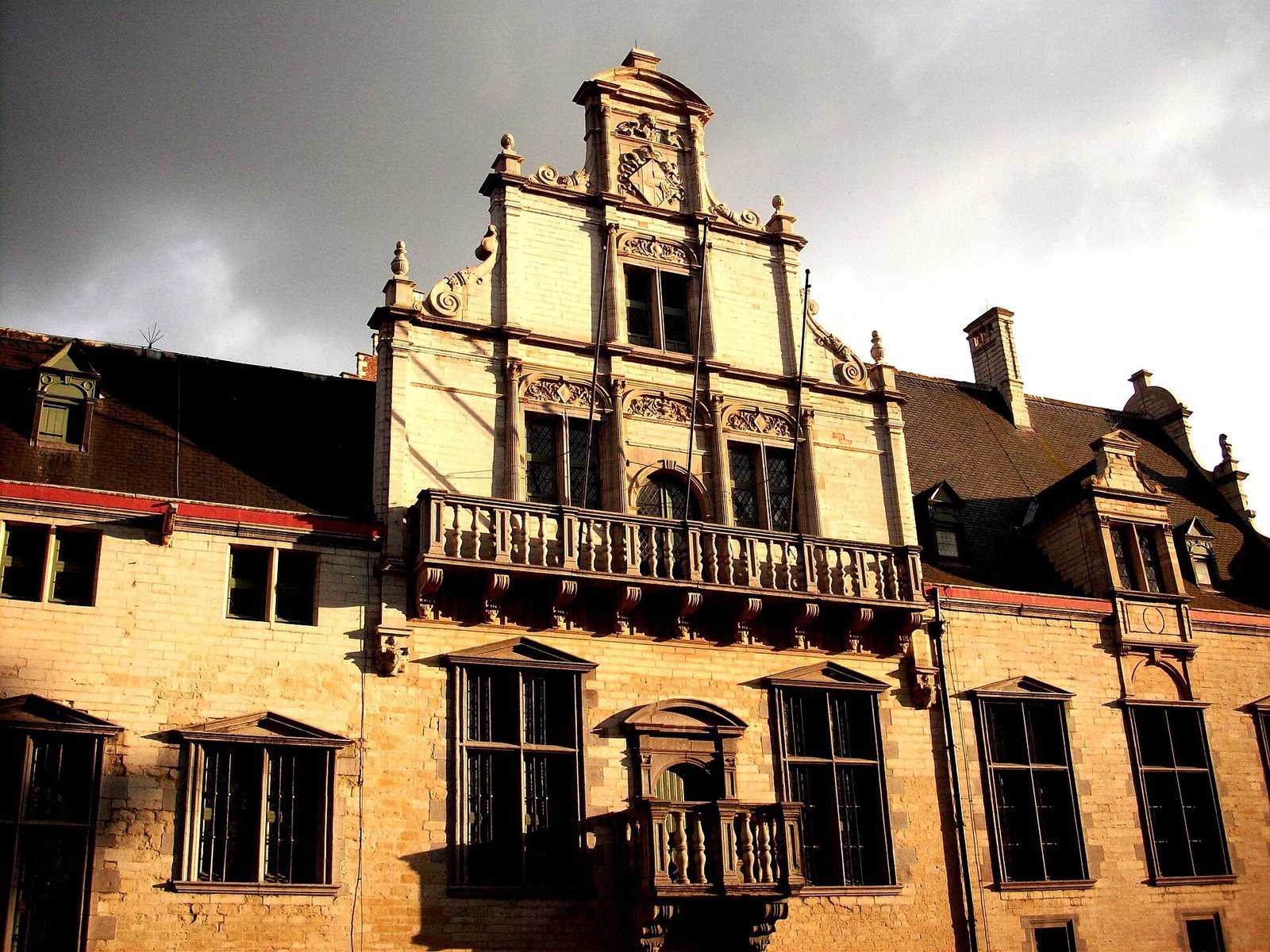
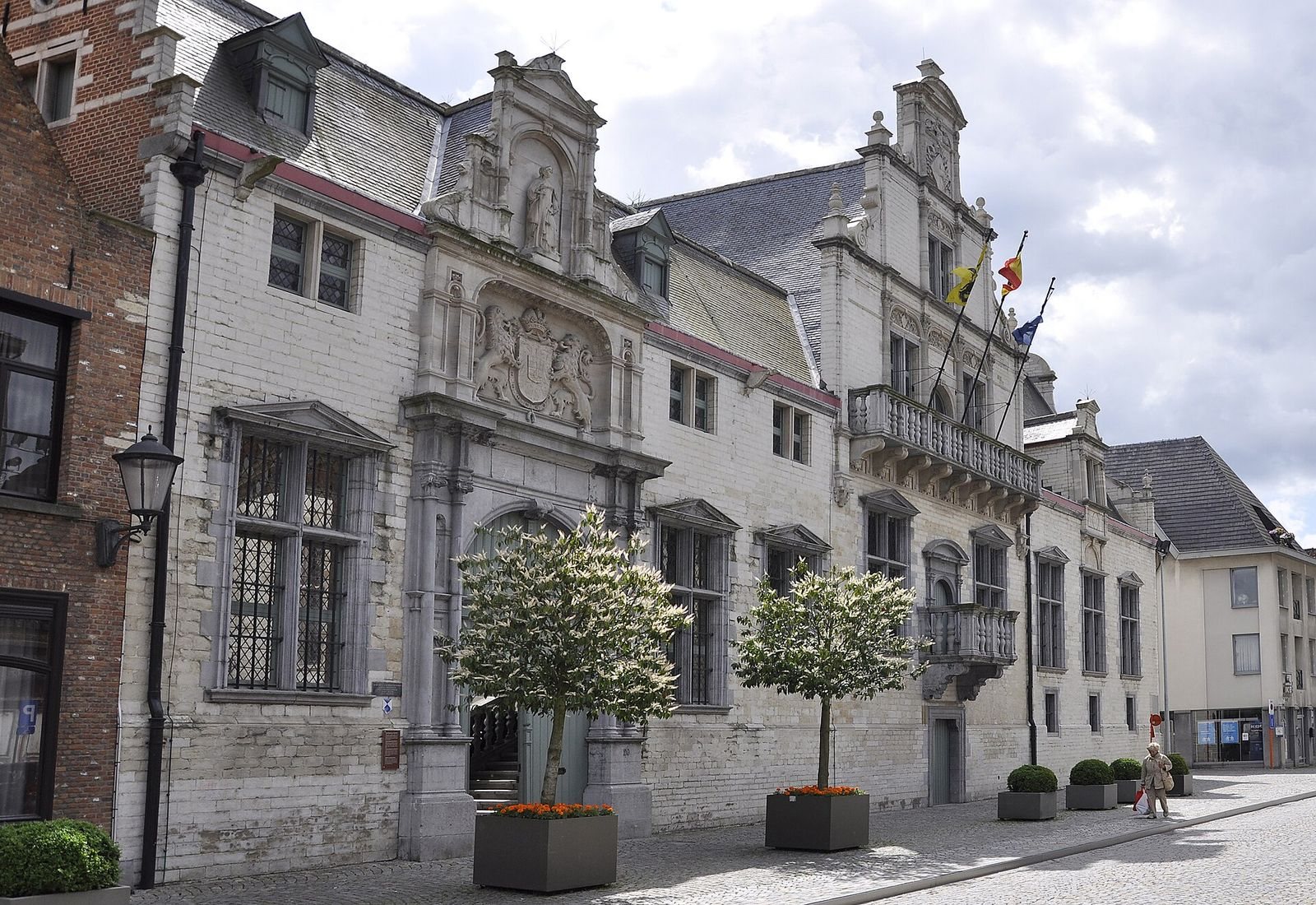
Hof van Savoye is an early-sixteenth-century Renaissance palace in Mechelen, Belgium, developed for Margaret of Austria as she prepared to govern the Habsburg Netherlands, the Low Countries under Habsburg rule. It is among Northern Europe’s early Renaissance buildings. Margaret’s nephew Charles, later Holy Roman Emperor Charles V, grew up under her care and spent much of his childhood and youth at the palace.
Margaret of Austria’s palace
The property initially belonged to Jérôme Laurin, a knight, councillor and chamberlain to Margaret, and a member of a prominent Bruges family associated with humanism, an intellectual movement centered on classical learning. After health problems, Margaret was given a house on Korte Maagdenstraat, but it was too small for her. In 1507, as she prepared to govern the Netherlands from Mechelen, she began a major expansion. Further building work took place from 1517 to 1530 under Rombout II Keldermans, a member of a prominent Flemish family of architects. The palace is also associated with Antoon I Keldermans. Margaret lived there until her death in 1530.
Margaret’s library held Aztec treasures sent by Hernán Cortés, the Spanish conquistador who led the conquest of the Aztec Empire in central Mexico. Anne Boleyn was associated with Margaret’s court, but her presence at Hof van Savoye is uncertain. If she was born around 1501, she may have stayed there; if she was born around 1507, she may instead have lived in the palace across the street. Historian Eric Ives’s interpretation of Hof van Savoye’s courtyard and southern wing has informed the view that it served as a model for the reconstruction of Whitehall Palace, a royal palace in London, for Anne in the 1530s.
Granvelle and the Great Council
In 1546, an explosion at a city gate where gunpowder was stored damaged the palace, which was subsequently repaired. The building remained city property until 1561, when it became the residence of Antoine Perrenot de Granvelle, a Catholic cardinal and Habsburg statesman closely associated with Philip II, king of Spain and ruler of the Habsburg monarchy. An enlargement designed by the French architect Guyot de Beauregard was completed in 1577. The city bought the palace back in 1609. From 1616 to 1795, it housed the Great Council of Mechelen, also called the Great Council of the Netherlands, the central judicial institution of the Habsburg Netherlands.
Courts and restoration
Between 1876 and 1885, architect Leonard Blomme restored the building and adapted it for judicial use. It became known as the Court of Justice and housed civil and criminal courts, a first-instance court, which hears cases at the initial trial level, a justice of the peace and a police court.
Remains
Courtyard and wings
The palace’s plan reflects its early Renaissance design, with an inner courtyard and a southern wing. Its rear wing faces an earlier Gothic palace across Keizerstraat, and alterations along the street affected this part of the building.