Krumbach Castle: A Medieval Fortress and International Boarding School in Austria
Site at a Glance
- Popularity
- Medium
- Country
- Austria
- Primary era
- Early Modern
- Eras represented
- Medieval, Early Modern, Modern
- Civilizations
- Duchy of Austria, Habsburg, Holy Roman Empire
- Site type
- Military
- Remains
- Castle
On this page7 sections
History
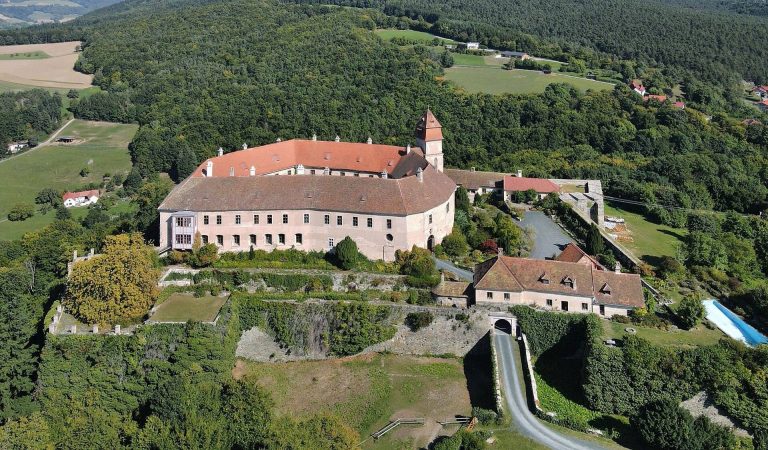
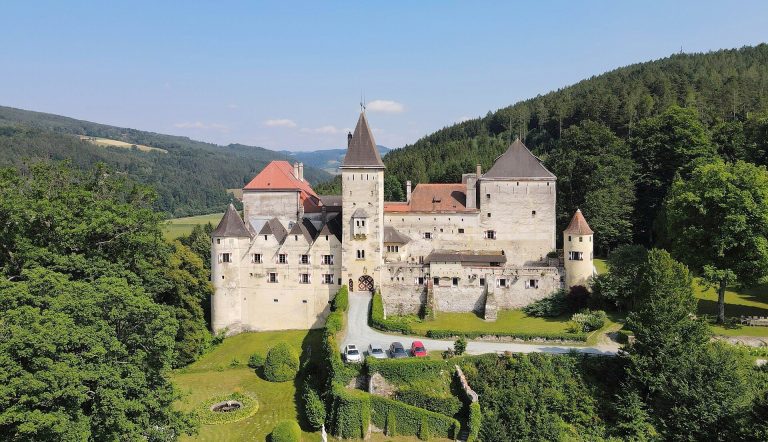
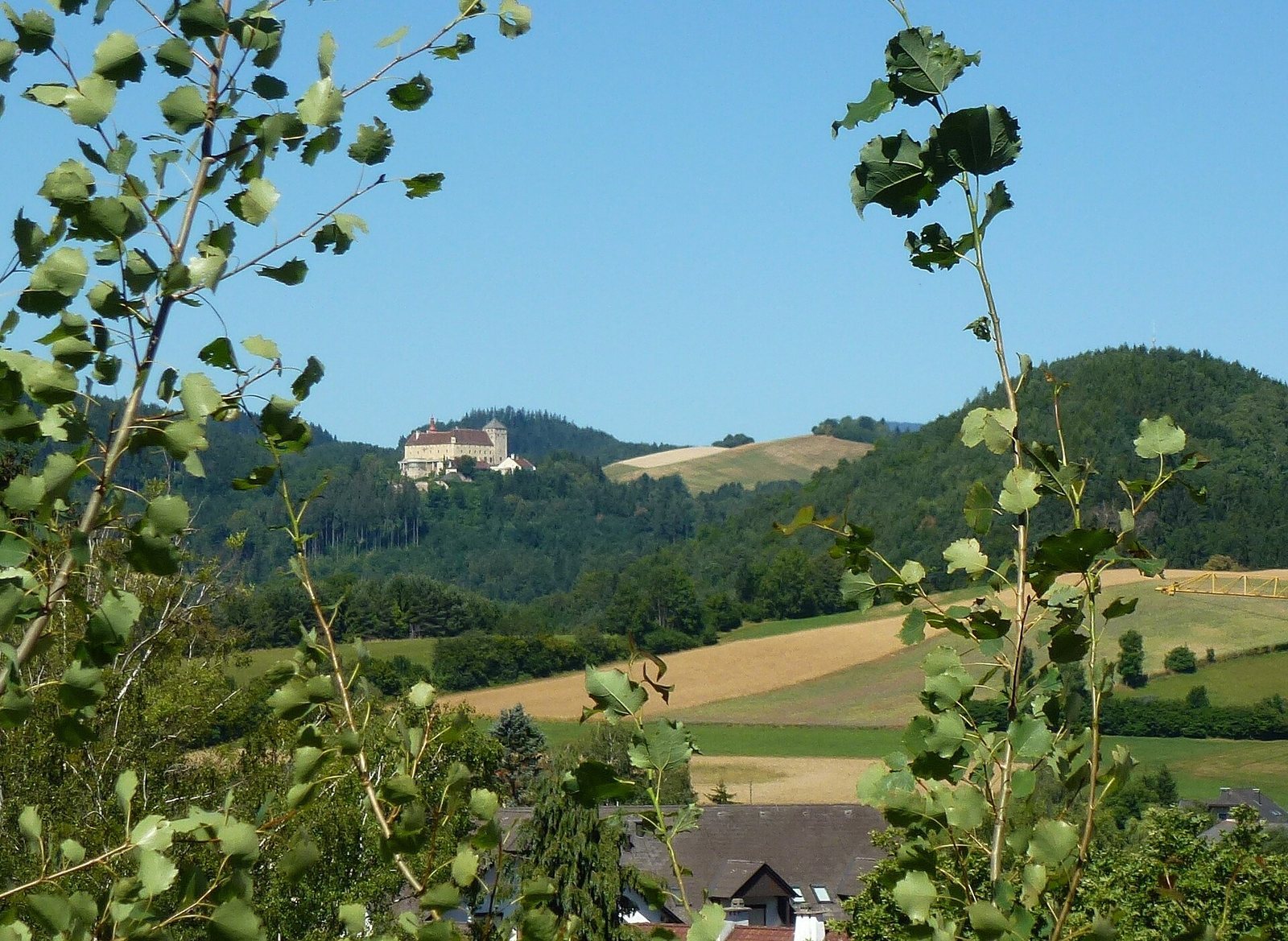
Krumbach Castle stands on a wooded hill above the Zöbernbach valley, south of the market town of Krumbach in Austria. Its 13th-century origins and later Renaissance rebuilding shaped a complex that served successive noble families and institutions.
Medieval origins and noble rule
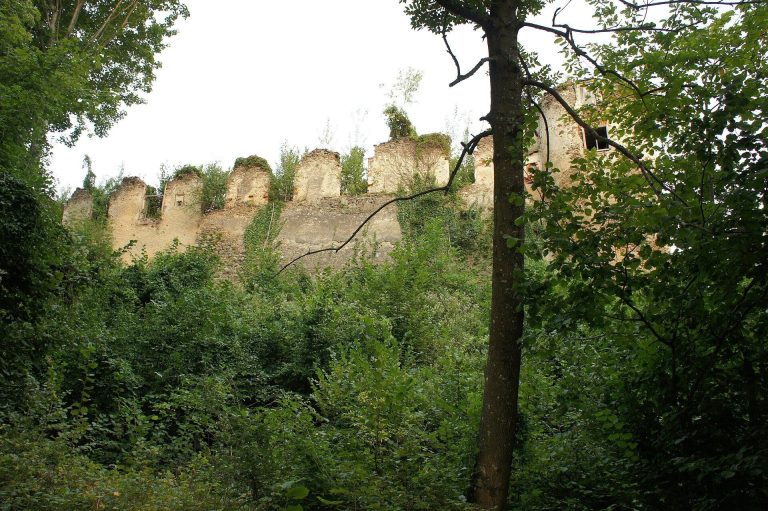
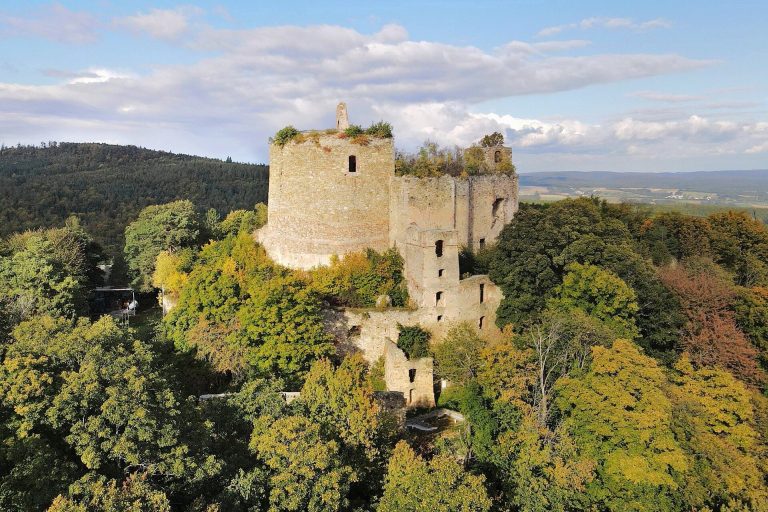
A castle associated with Krumbach is first mentioned in the late 12th century, but it stood at a different location from the present complex. A fortification was built in the 13th century in response to Hungarian incursions. Raids in 1246 and 1260 left it largely destroyed. After rebuilding, a stone manor replaced the earlier fortification around the middle of the century. Hungarian troops attacked the new castle during King Stephen V’s invasion of Lower Austria.
In 1394, Hans von Krumbach left the lordship, a territorial estate and jurisdiction, to his maternal uncle Pilgrim III von Puchheim and Pilgrim’s brothers. The Puchheim family held the estate for more than 200 years. Krumbach became the seat of a district court in 1462. Between 1548 and 1571, the medieval fortress was renovated as a Renaissance castle, and its defenses were modernized.
Changes of ownership and use
The lordship passed to the Pálffy-Erdödy family in the 17th century. After the last Puchheim representative, Johann Christoph III von Puchheim, died in 1657, Nikolaus IV von Pálffy-Erdödy was designated as heir. In 1683, Ottoman forces unsuccessfully besieged Krumbach. The lordship ceased to exist after feudal subjection ended in 1848.
In 1875, the Pálffy family sold the estate to Anton Riehl, a lawyer from Wiener Neustadt. Ownership changed several times, and the Heissenberger family held the castle until 1928. A hotel company acquired the abandoned building in 1992 and restored it the following year, converting it for hotel and restaurant use. Austrian investor Mirko Kovats and his Artis Hotel Group owned it in 2009. Erich Podstatny, a Vienna property entrepreneur, acquired it in June 2014, when hotel and restaurant use also ended.
The castle closed to the public in 2019. Since 2020, it has operated as Schloss Krumbach International School, a private boarding school. In June 2021, it was authorized as an International Baccalaureate World School, offering the Diploma Programme to students in Grades 11 and 12.
Remains
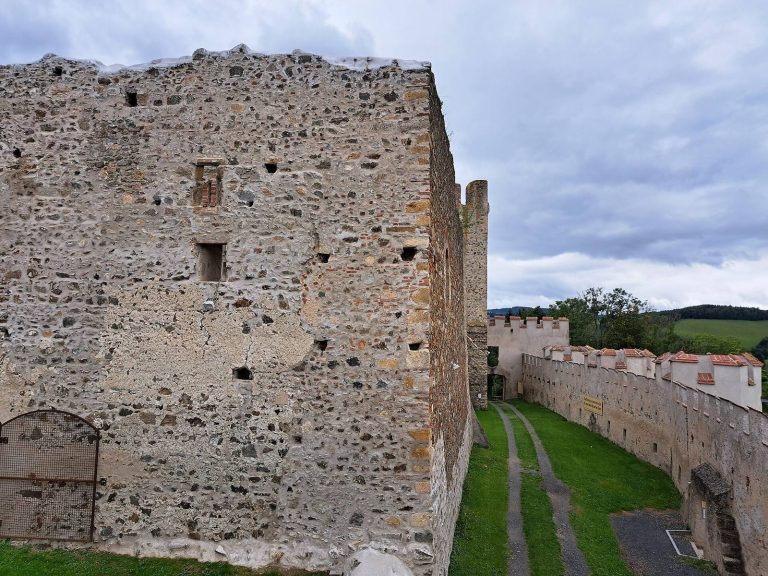
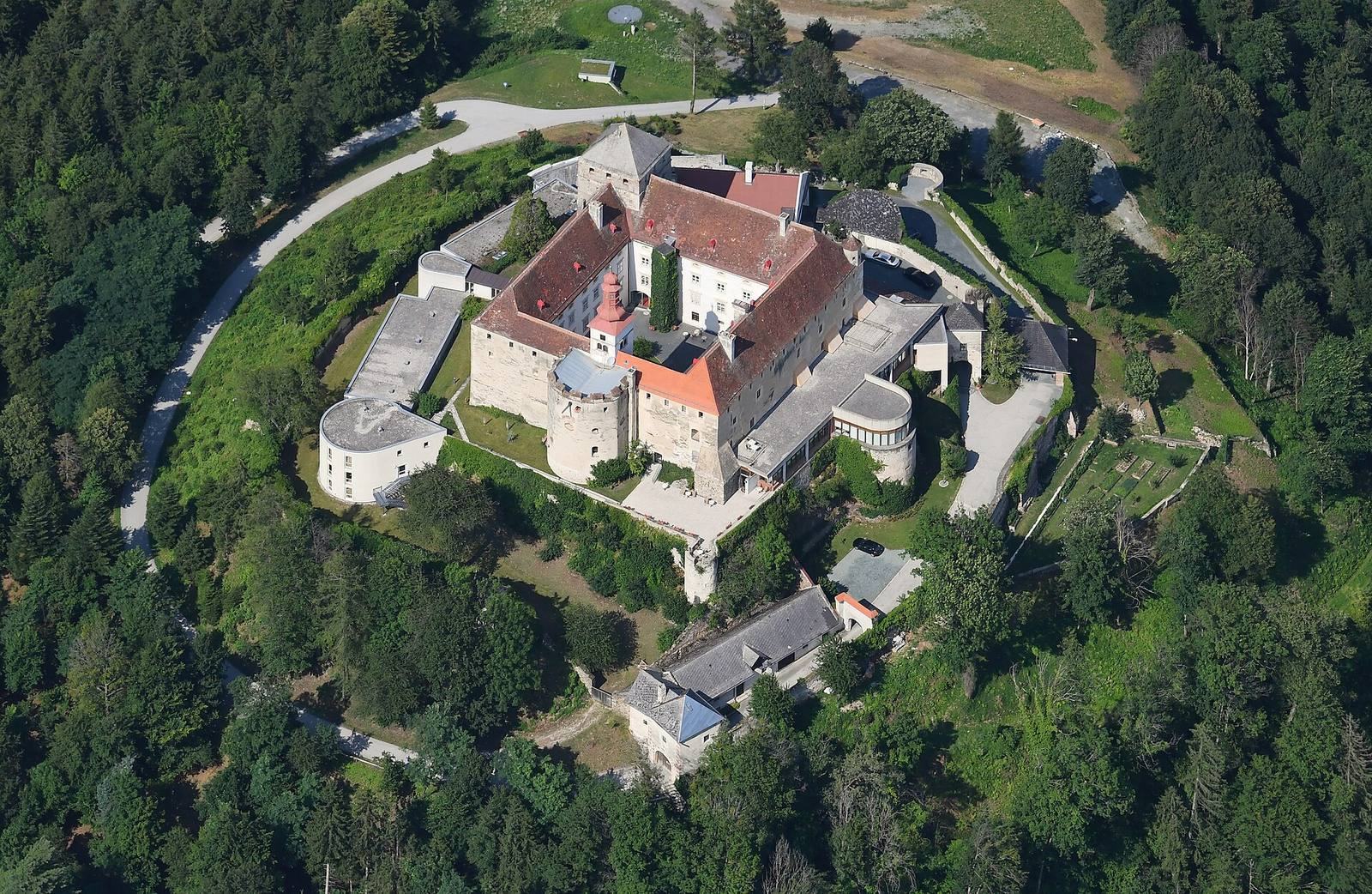
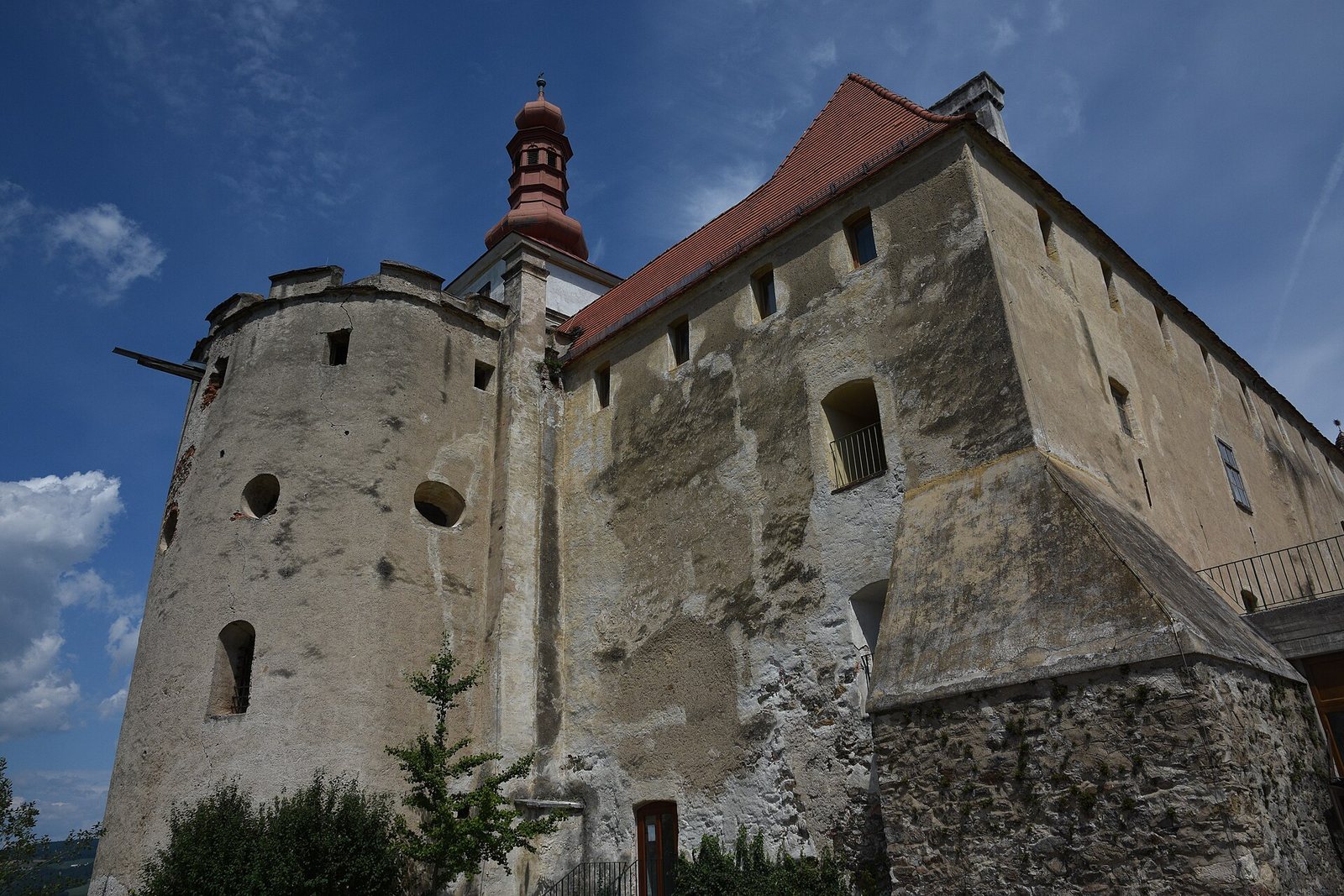
The castle is a substantial, four-wing complex of three and a half storeys, with an inner courtyard. Its surviving form reflects the site’s medieval and Renaissance building phases, alongside later additions.
The castle complex
Four-wing structure and courtyard
The renovated castle has four wings arranged around an inner courtyard. A small chapel within the complex was dedicated in 1250 to the Apostles Peter and Paul, central figures in Christian tradition. It is used as a wedding chapel.
Moat additions and grounds
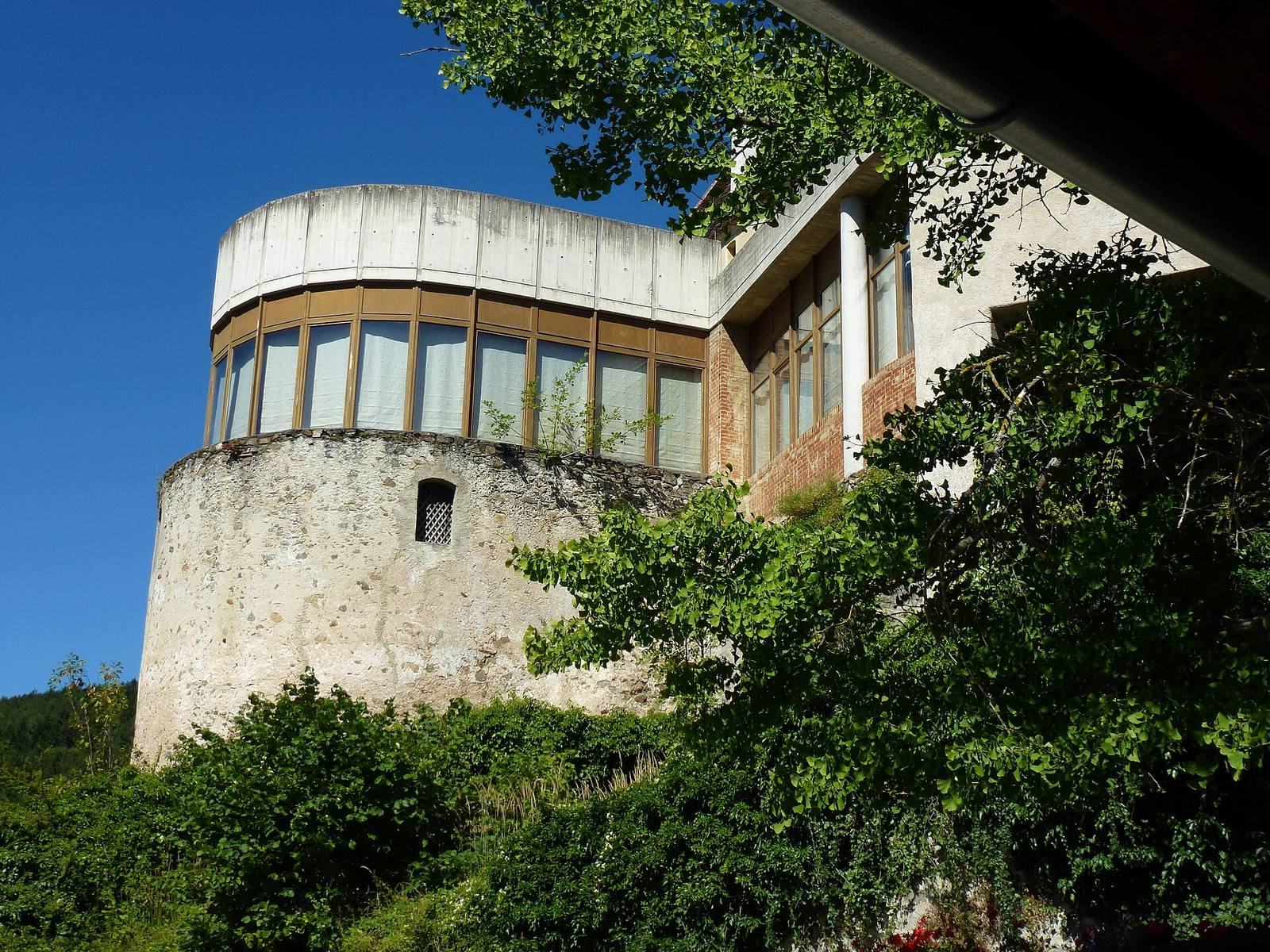
The hotel renovation added two accommodation wings and a seminar room that project into the northern castle moat. A ginkgo tree grows beside the third castle gate.