Snåsa Church: A Medieval Parish Church in Norway
Site at a Glance
- Country
- Norway
- Primary era
- Medieval
- Eras represented
- Medieval, Modern
- Civilizations
- Norwegian
- Site type
- Religious
- Remains
- Church
On this page4 sections
History
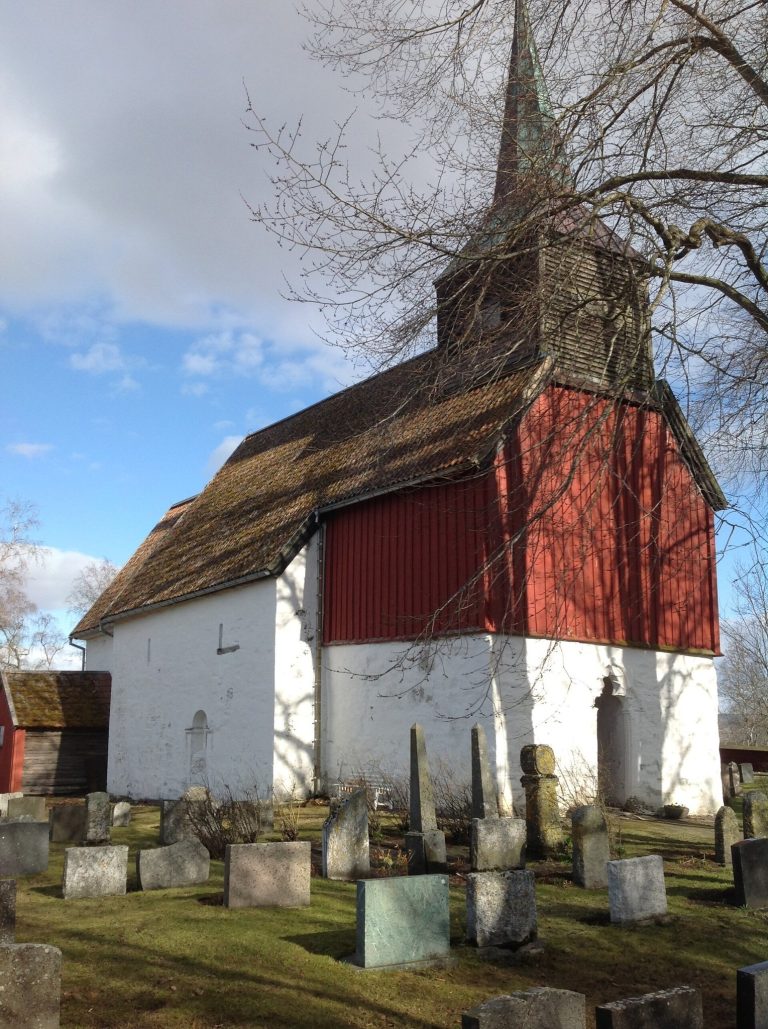
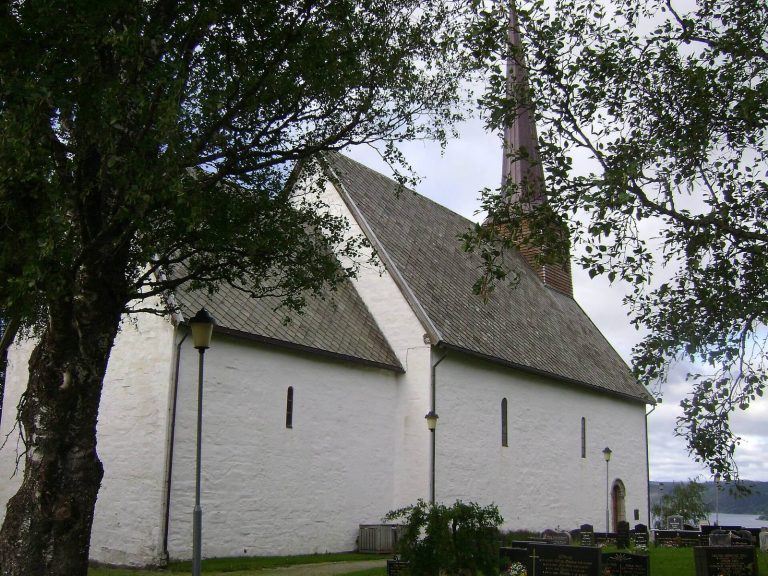
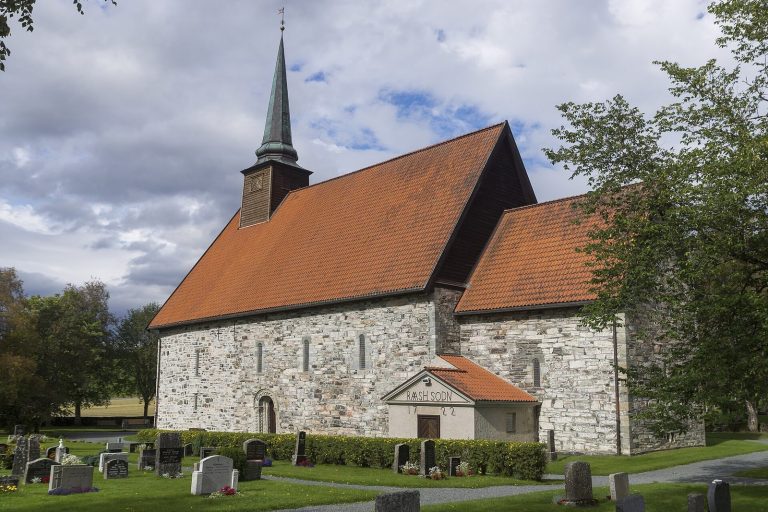
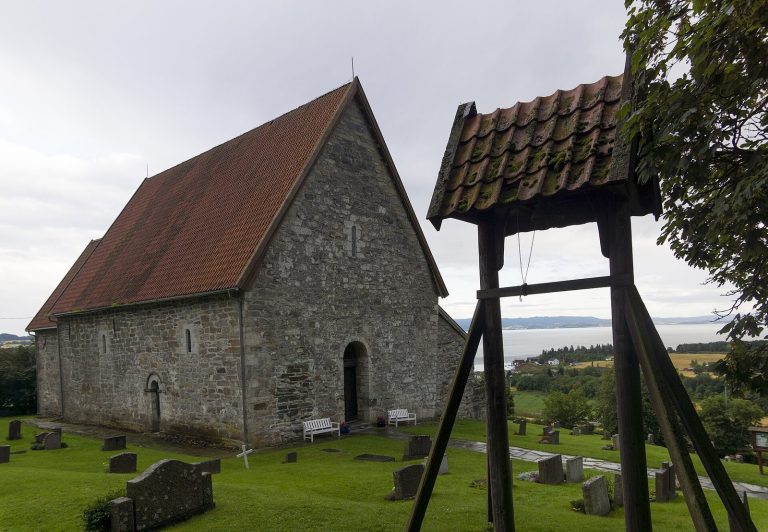
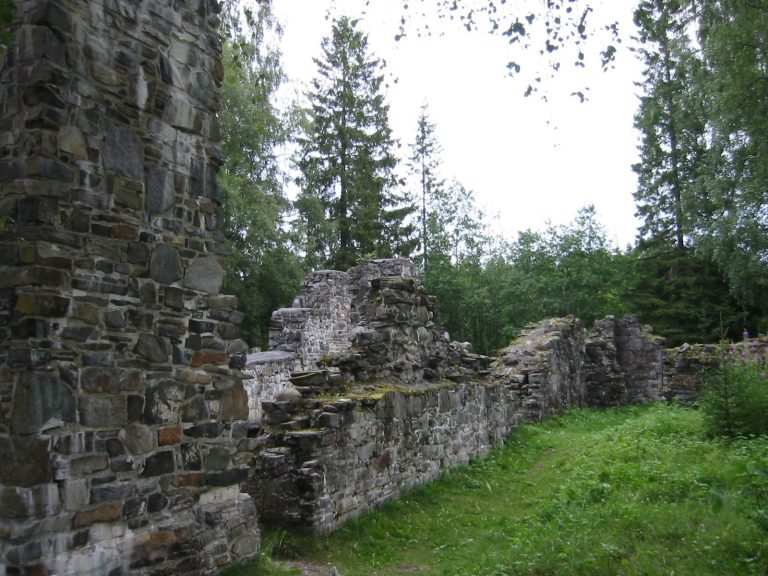
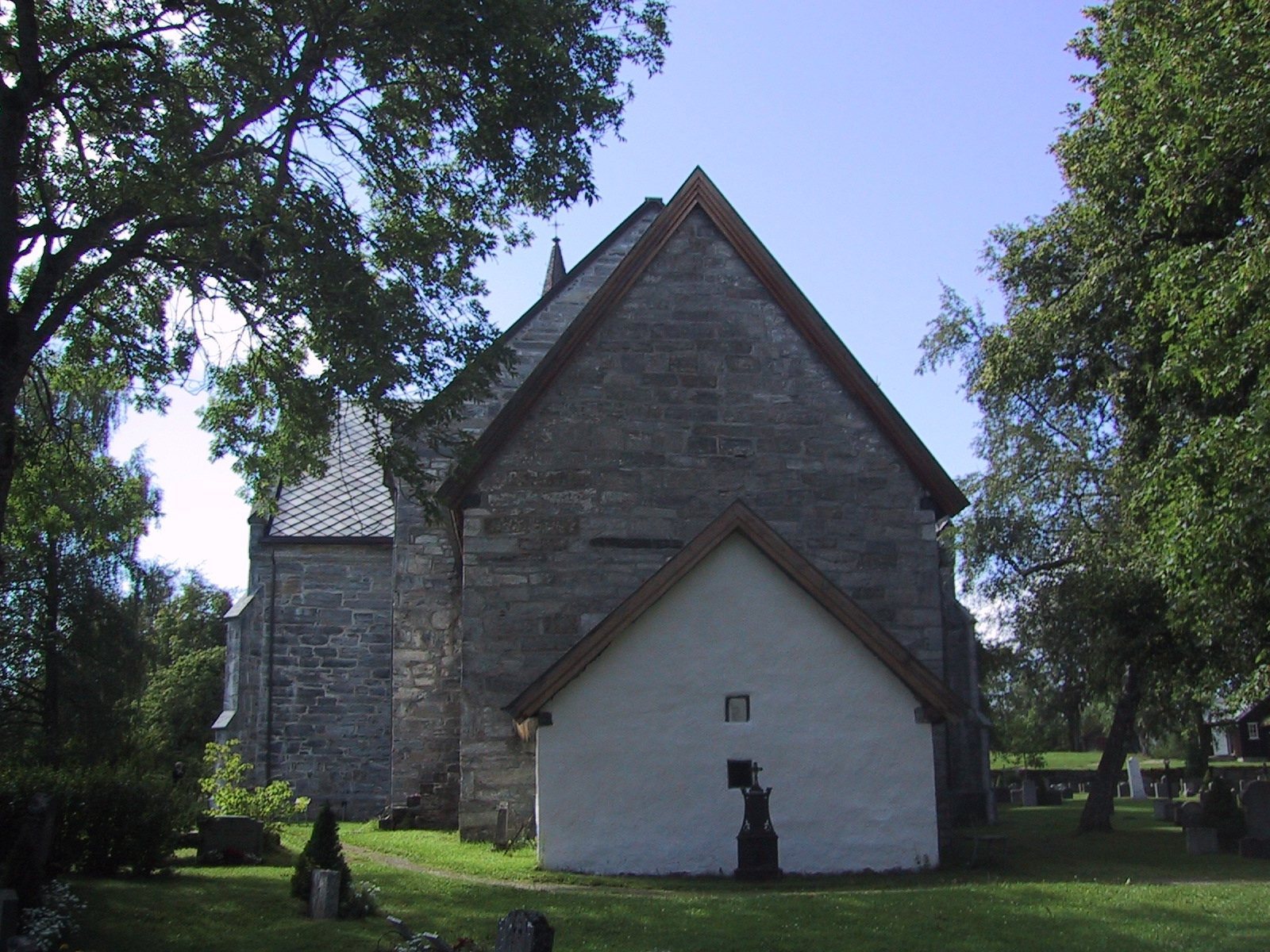
Snåsa Church is a stone parish church in Snåsa, Norway. Its earliest surviving stonework is medieval, though its exact date is uncertain, and its original design was Romanesque, a medieval architectural style. The earliest surviving written record of the church dates to 1533. Situated at Vinje farm, it was once known as Vinje Church. Originally Catholic, it is now an Evangelical Lutheran church of the Church of Norway, serving Snåsa parish, a local congregation, in Stiklestad deanery, a grouping of parishes, within the Diocese of Nidaros, a larger church district.
Fire and repair during the Kalmar War
During the Kalmar War, a conflict between Denmark-Norway and Sweden from 1611 to 1613, Swedish troops burned the church in either 1612 or 1613. Its walls sustained little damage, and repairs were completed within two years.
Civic role and rebuilding
In 1814, Snåsa Church was used as a polling station in Norway’s first national elections. Voters chose electors, who then selected representatives to the Constituent Assembly at Eidsvoll, a body convened to draft or adopt a constitution.
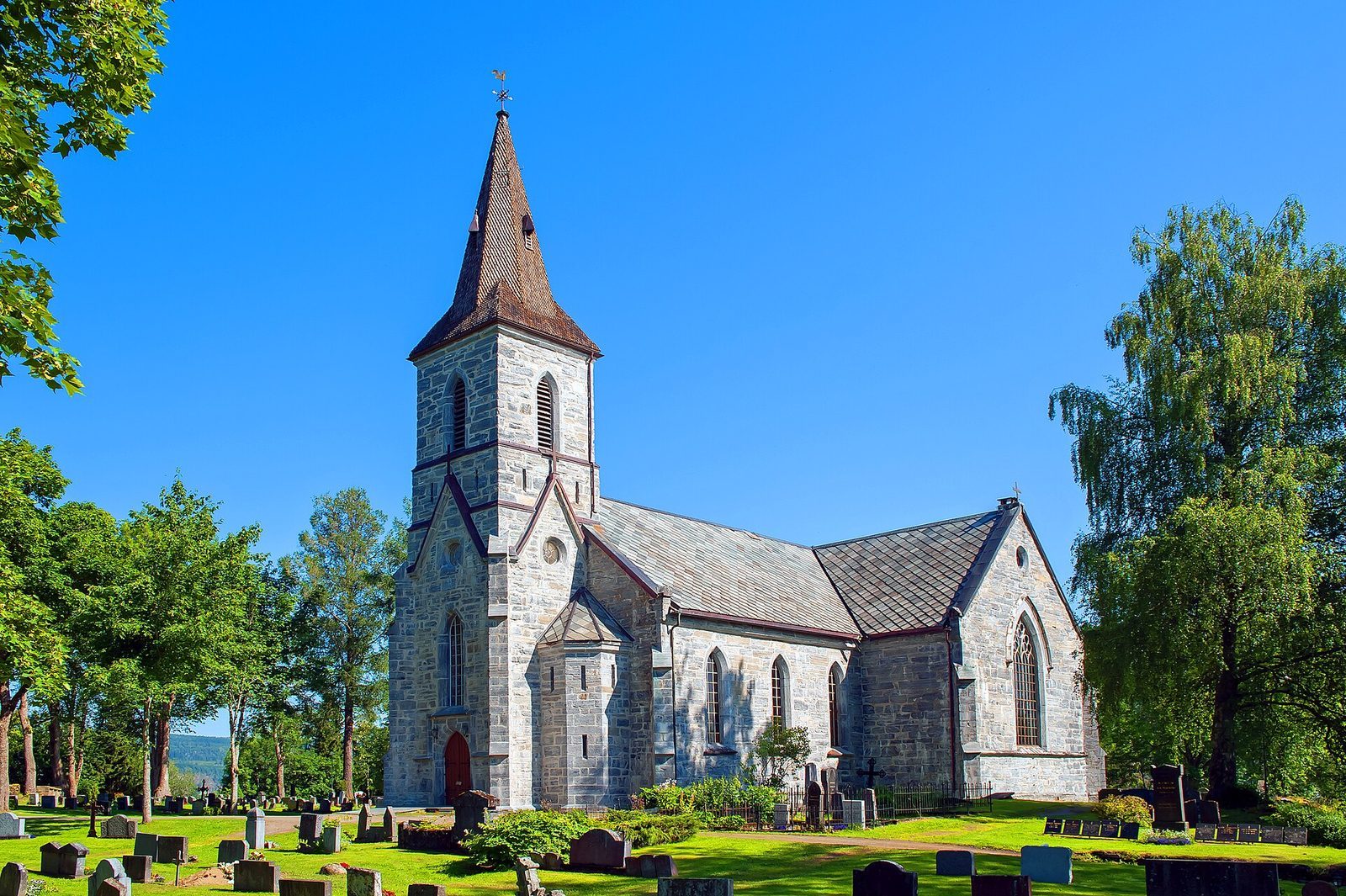
The church underwent extensive remodeling and expansion from 1868 to 1870 under the direction of Carl Julius Bergstrøm, an architect from Trondheim. It is automatically protected as a Norwegian cultural heritage site.
Remains
The stone church has a lengthwise layout, with a rectangular nave, the main space for the congregation, and a narrower rectangular choir, the area near the altar traditionally used by clergy and singers. Wings added to the north and south give the building its cross-shaped plan. Neo-Gothic elements, a revival of Gothic forms, are part of its remodeled design. The church has seating for about 500 people.
Inside, the wooden Baroque altarpiece, in an ornate European style, dates to 1677. The pulpit incorporates elements from the 17th century. A churchyard lies beside the building.