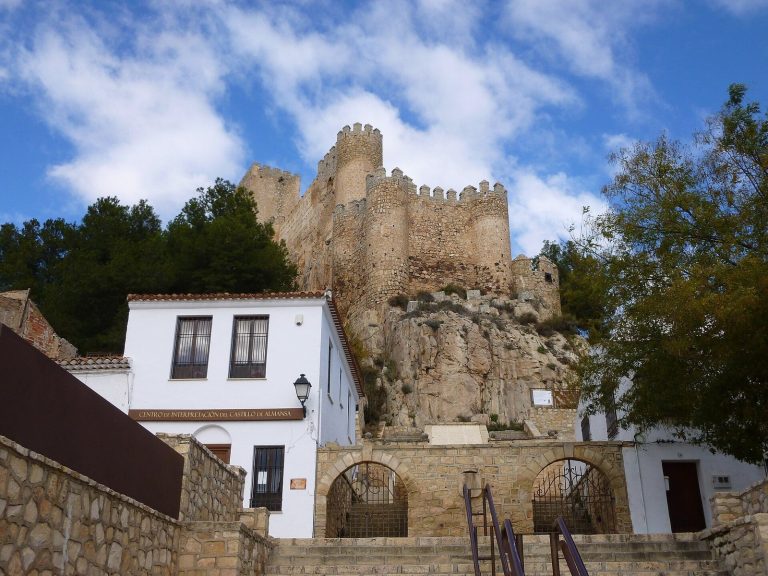
Hisn Yakka: An Andalusi Muslim Fortress and Settlement
Site at a Glance
- Country
- Spain
- Primary era
- Medieval
- Eras represented
- Medieval
- Civilizations
- Almohad, Almoravid
- Site type
- City
On this page10 sections
History
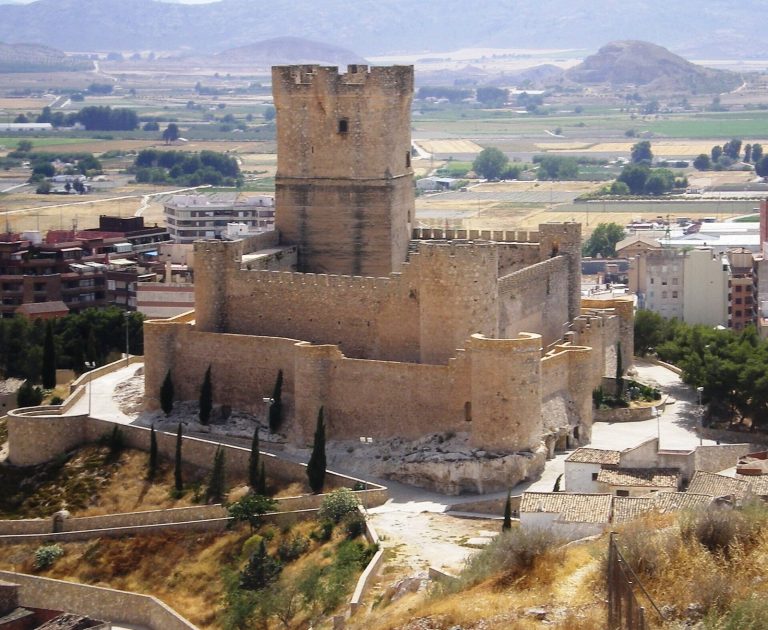
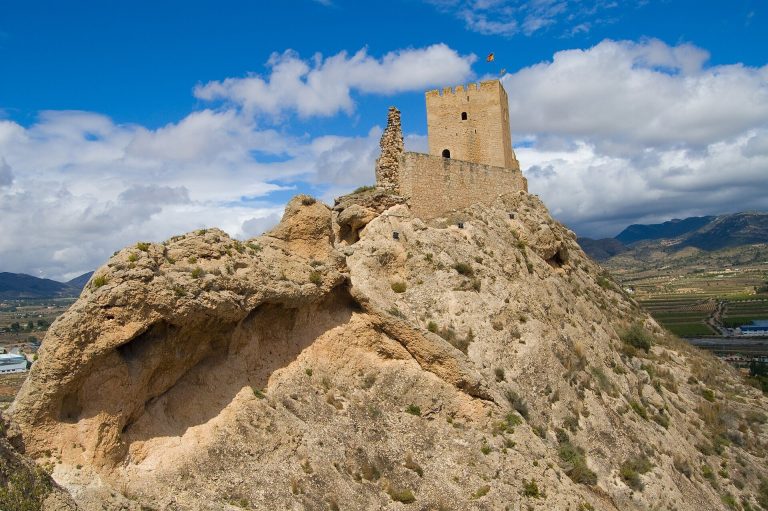
Hisn Yakka was a Muslim fortress and settlement of al-Andalus, the medieval Muslim-ruled parts of the Iberian Peninsula, near modern Yecla, Spain. Built in the late 11th century under the Almoravids, a Muslim dynasty that ruled parts of al-Andalus, it preceded the modern city of Yecla. Its establishment probably aimed to extend Muslim authority and encourage the spread of Islam in a sparsely controlled, nearly depopulated area.
The settlement was also known as Madina Yakka or Yakka. Its name is not Arabic and may derive from the pre-Roman root Iko or Ika.
Almohad growth and district role
During the 12th century, the settlement expanded along the hillside. The Almohads, the Muslim dynasty that followed the Almoravids in parts of al-Andalus, substantially remodeled the fortress to meet changing defensive needs and accommodate a growing population.
Yakka belonged to the province-like administrative territory of Tudmir and probably to the district of Madina Bilyana, now Villena. From the late 12th century, its population and that of nearby rural settlements grew, with communities developing near water sources used to cultivate the land. By the early 13th century, Yakka had become the center of a rural district.
The historian Ibn Said al Maghribi’s Al-Mugrib fi hula al-Magrib names Yakka as the birthplace of the satirical poet Abu Bakr Yahya ben Abbalqalil ben shal al Yakki. The Andalusi writer Abu Walid Ismail al-Saqundi called him “the master of satire in the entire Islamic West.”
Conquest and abandonment
After the Christian conquest of the Kingdom of Murcia, Yakka’s Muslims came under the authority of the king of Castile. Worsening conditions contributed to the Mudéjar revolt, an uprising involving Muslims who lived under Christian political rule. Much of the Mudéjar population left the area afterward, and Yakka was probably abandoned from 1266. Christian settlers established themselves on the mountain’s northern side, perhaps nearer fertile land and the principal spring.
Spain designated the site an Asset of Cultural Interest, a formal heritage protection category, on 7 August 1997.
Remains
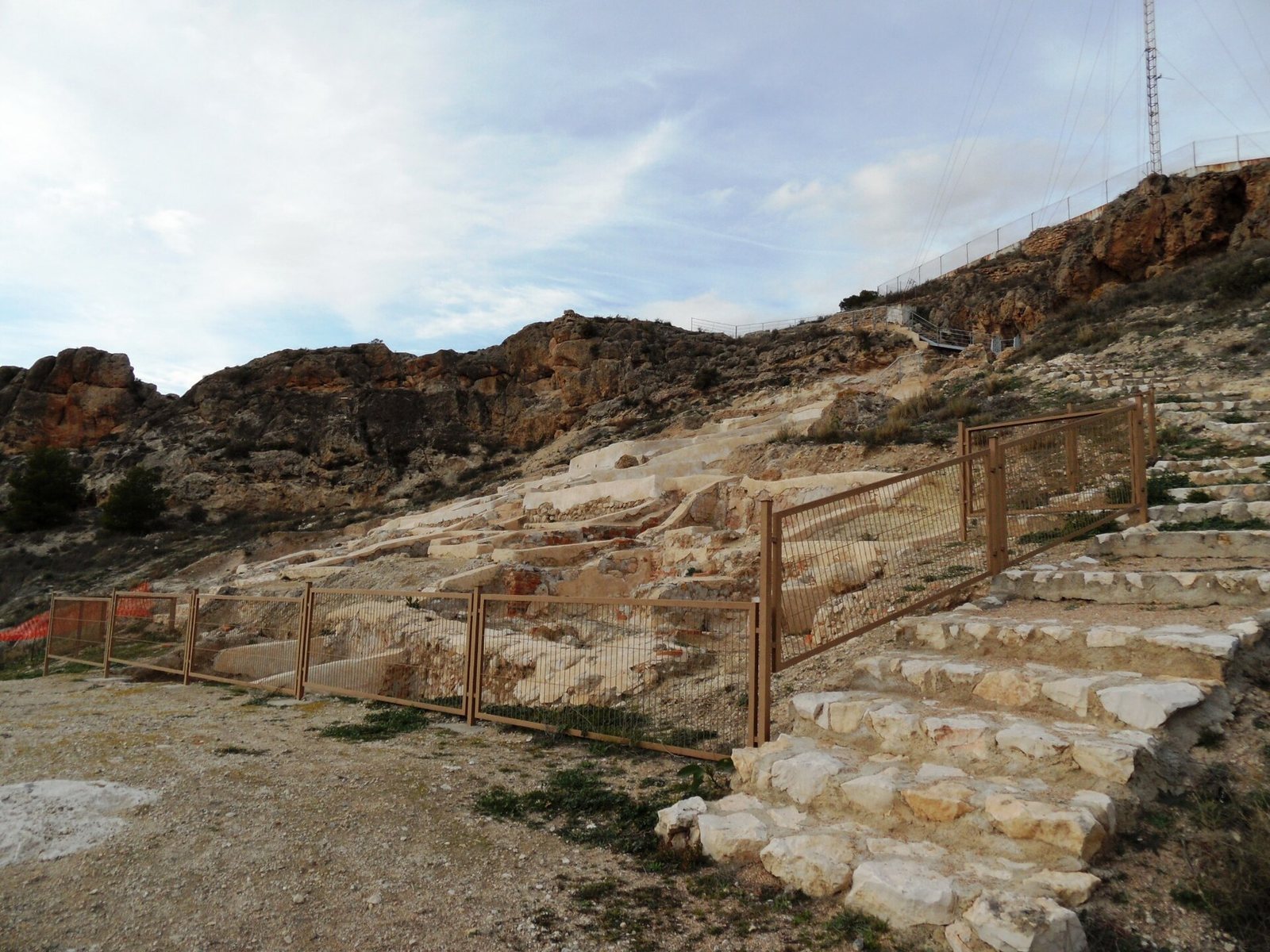
The settlement occupied the south-facing slope of a hill, sheltered from cold northern winds and positioned to receive more winter sunlight. Its excavated remains include terraced housing and narrow, sloping streets. Stone, mud, and plaster were the principal building materials, while brick was used less often.
Terraced housing and streets
Houses and terraces
Excavations have uncovered twelve houses. Though they varied in size, they followed a broadly shared two-storey plan. The steep hillside required terracing, and walls belonging to some houses also held back the ground for houses above or below them. Living rooms were usually on the lower floor, reached by stairs from a central courtyard. The courtyard also connected to the stable, entrance hall, kitchen, latrine, and other rooms.
Streets and water management
Narrow, winding streets ran between the houses, with small lanes ending in dead ends. Their slope helped drain water, supplemented by a basic sewer system and cesspits. Cisterns stored drinking water.
Enclosure, cemetery, and storage
Wall and cemetery
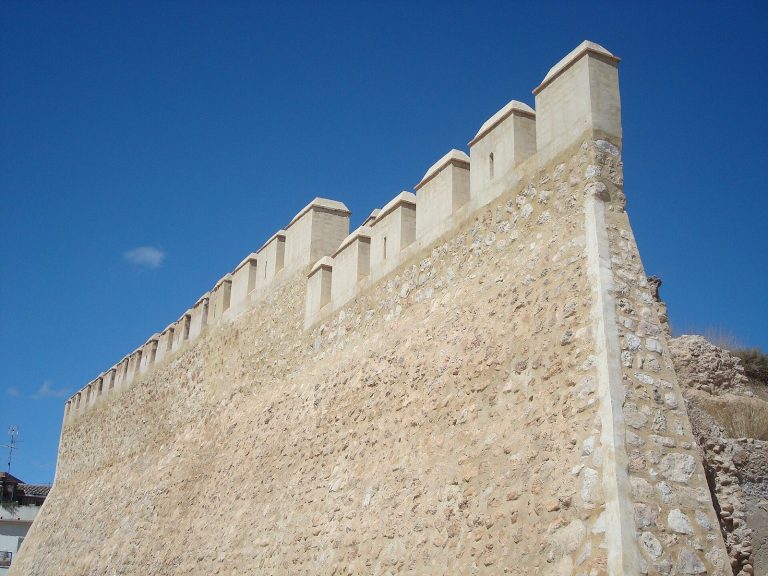
A wall enclosed and protected the buildings. The cemetery lay several metres beyond the settlement boundary on the same side of the hill.
Storage silo
A small silo, an underground storage pit, contained a large assemblage of household goods and materials including metal, glass, leather, and seeds.