Cher Prefecture Building: A Former Ducal Palace and Departmental Headquarters
Site at a Glance
- Country
- France
- Primary era
- Medieval
- Eras represented
- Classical, Medieval, Early Modern
- Civilizations
- French, Roman
- Site type
- Civic
- Remains
- Palace
On this page6 sections
History
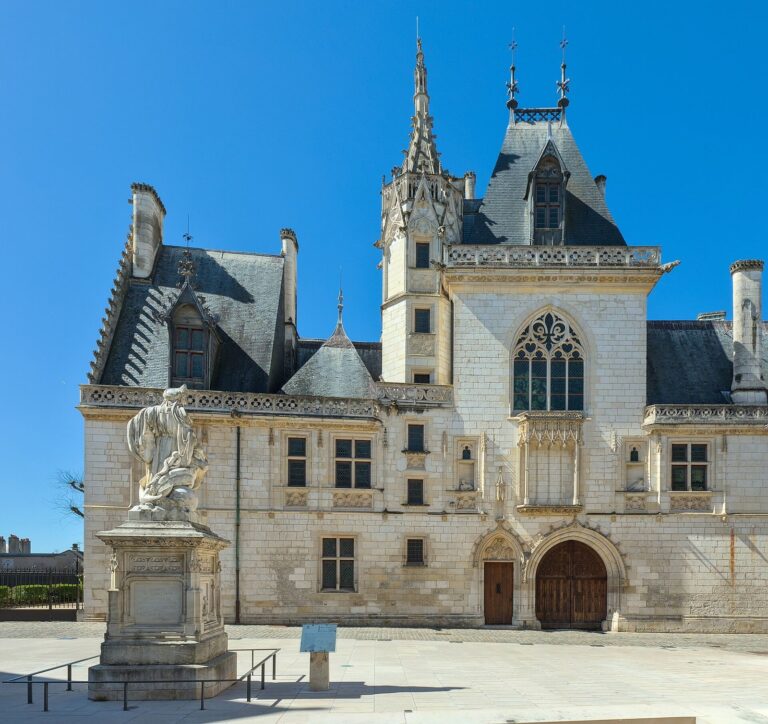
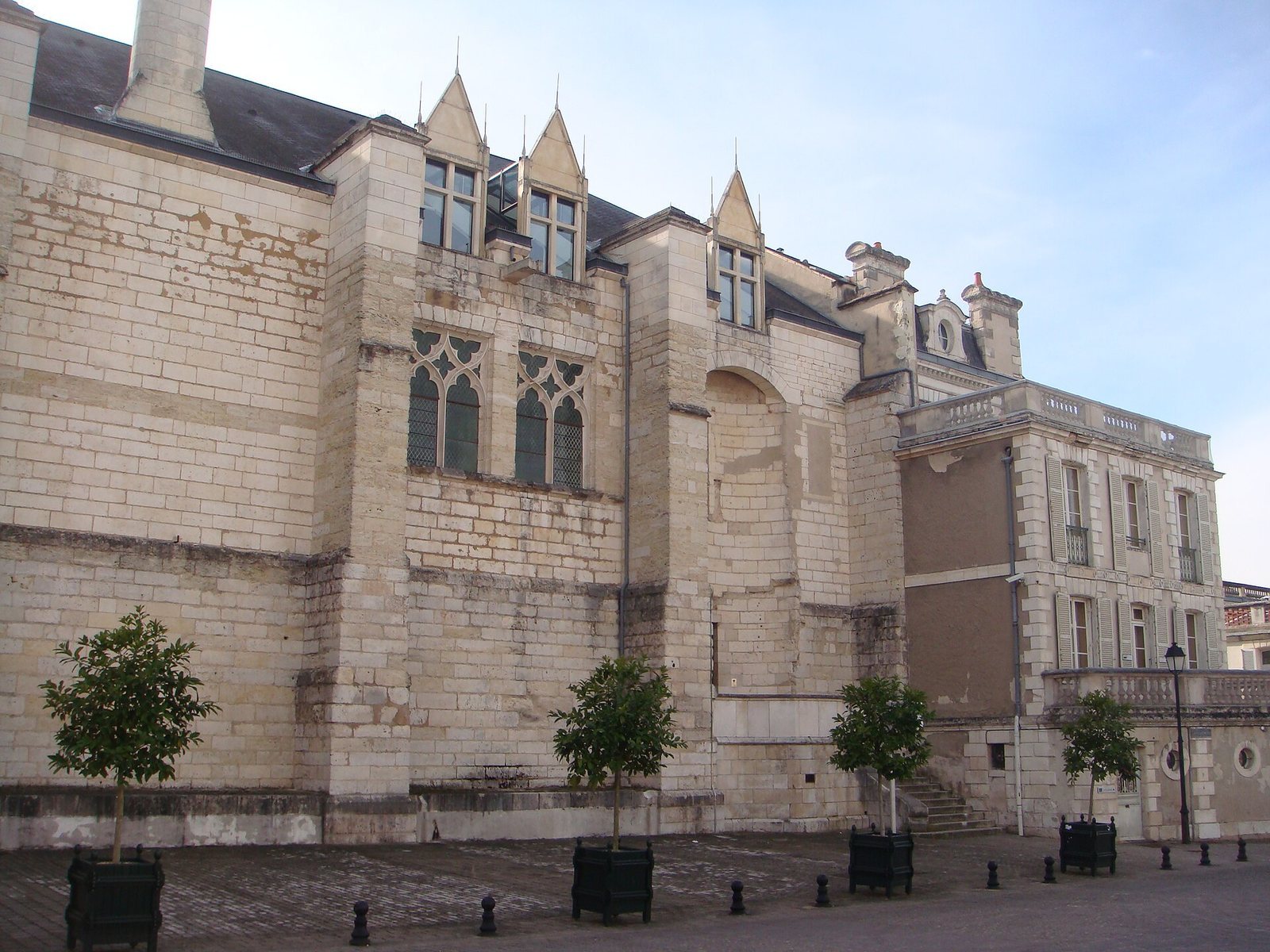
The Cher Prefecture Building in Bourges, France, is the headquarters of the Cher department and occupies the former palace rebuilt for John I, Duke of Berry, in the late fourteenth century. The palace later served as a royal residence from which the future Charles VII made Bourges his capital.
The ducal palace and royal court
Work on the court chapel, known as the Sainte-Chapelle, began around 1375 under Guy de Dammartin. After Guy’s death, his brother Drouet completed it around 1398. The chapel, associated with a princely court, was consecrated on 18 April 1405. In 1396, John had bought a nearby house belonging to Louis de Sancerre, constable of France, a senior royal military officer. In 1468, Louis XI adapted that house for use as a royal lodging.
After John died in 1416, the palace passed to the Crown. In 1418, the future Charles VII, then 15 and heir to the French throne, sought refuge in Bourges during the Armagnac-Burgundian conflict, a struggle between rival French factions. The Burgundians had invaded Paris under orders from the Parisian executioner Capeluche. Charles lived in the palace and made Bourges his capital; Mehun-sur-Yèvre served as his summer residence. Louis XI was born in the palace in 1423, though some historians place his birth in Bourges’s former archiepiscopal palace.
Damage and changing uses
In the seventeenth century, the Berry intendancy, a royal administrative authority, succeeded the ducal palace. A fire in 1693 left only the Grand Palace’s walls and badly damaged the Sainte-Chapelle. Royal prisons were established in the surviving palace. A violent storm in 1756 caused part of the chapel to collapse, and the following year the archbishop of Bourges sought royal permission to demolish it. Important contents, including Duke John’s tomb, were moved to the cathedral’s lower church.
During the French Revolution, the property passed into state ownership and housed archives and a prison. The prison became departmental after the Revolution. When France established departmental prefectures, administrative headquarters for each department, in 1800, the former palace became the official headquarters of the Cher Prefecture. The Hall of John, Duke of Berry was restored in the mid-nineteenth century and hosted meetings of the Cher General Council. The surviving building was restored in the late nineteenth century, and the palace remains were classified as French historic monuments on 28 October 1895.
Remains
The former palace had three main parts: the Grand Palace, an aligned Little Palace, and the Sainte-Chapelle set at right angles to the Grand Palace. An open Gallery of the Stag connected the Grand Palace and chapel. It featured a large stag bearing the duke’s arms.
Position and ancient remains
The Grand Palace stood across the city’s former Gallo-Roman ramparts, referring to the Roman-era culture of Gaul, and near the Great Tower built by Philip Augustus, king of France from 1180 to 1223. The building’s basement preserves a monumental fountain dating to the second century AD, evidence of ancient occupation at the site.
Surviving palace fabric
The Hall of John, Duke of Berry survives as part of the former palace and contains a tapestry and a fireplace. The present building also includes an eighteenth-century extension and the Cher departmental council’s deliberation chamber.