Niitakayama Castle: A Kobayakawa Mountain Fortress in Japan
Site at a Glance
- Country
- Japan
- Primary era
- Medieval
- Eras represented
- Medieval
- Civilizations
- Ashikaga shogunate, Kamakura shogunate
- Site type
- Military
- Remains
- Castle
On this page11 sections
History
Niitakayama Castle was a Japanese mountain fortress in present-day Hongō, Mihara, Hiroshima Prefecture, expanded by Kobayakawa Takakage in 1552 when he moved the Nuta Kobayakawa family seat there. It served as the family’s base during its rise alongside the Mōri clan, before the Kobayakawa moved to Mihara Castle in 1596.
Origins and the first fortification
Minamoto no Yoritomo, founder and first military ruler of the Kamakura shogunate, rewarded Doi Sanehira for his service in the Genpei War, the late-twelfth-century conflict between the Minamoto and Taira clans. Yoritomo appointed Sanehira governor of Bizen, Bitchu, and Bingo. Sanehira’s son Enpei adopted the name Kobayakawa from the place where he lived. After serving in the Jōkyū War, a later conflict between the Kamakura government and the imperial court, he received the Nuta estate in Aki and settled there.
Kobayakawa Shigehira completed Takayama Castle in 1206 as a stronghold for the family. In 1276, Kobayakawa Masahei established a secondary fortification at the site of Niitakayama Castle. The mountain had also held the family’s memorial temple, a place for honoring ancestors, during the Kamakura period, when the shogunate held political power. In 1552, Takakage moved his seat from Takayama to the fortification, removing the temple and enlarging the stronghold into Niitakayama Castle.
The Kobayakawa and the Mōri
In 1561, Mōri Motonari and his son Mōri Takamoto stayed at the castle for several days, with banquets held for them each day. Over the next two decades, the Kobayakawa helped the Mōri defeat the Ouchi and Amago warrior clans and secure dominance in the Chugoku region of western Japan. The Mōri entrusted the Kobayakawa with the San’yō, the southern part of western Honshu, while Takakage’s elder brother Kikkawa Motoharu took responsibility for the San’in, its northern part.
The Mōri and Kobayakawa later clashed with Oda Nobunaga and then Toyotomi Hideyoshi, Nobunaga’s successor and a leading unifier of Japan. After Nobunaga’s assassination in 1582, the Kobayakawa made an agreement with Hideyoshi and became his vassals, or subordinate lords. Hideyoshi sought their naval support in the Seto Inland Sea. Takakage received Iyo Province on Shikoku and later became magistrate of Hakata, a port district in present-day Fukuoka. He also served among Hideyoshi’s trusted military advisers alongside Kuroda Yoshitaka.
Abandonment and later protection
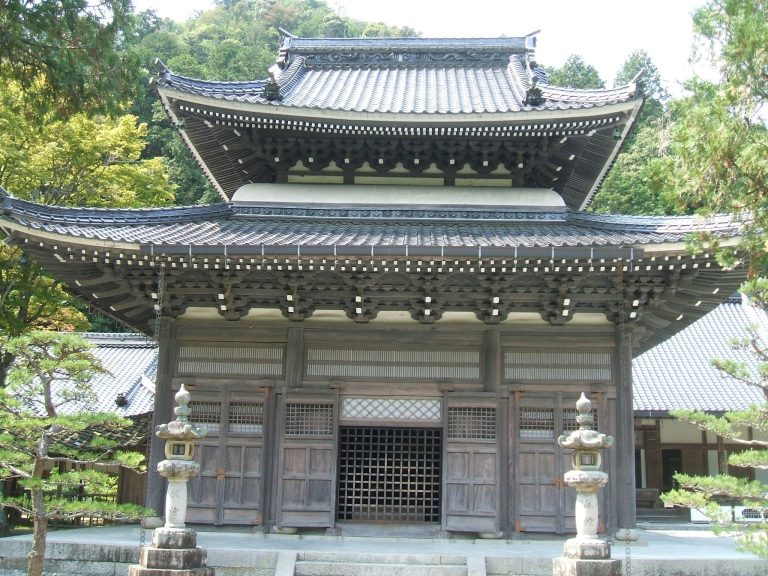
Niitakayama remained the Kobayakawa seat until 1596, when the family moved to the newly completed Mihara Castle. Both Niitakayama and Takayama were then abandoned, and Niitakayama’s stonework and structures were taken apart for use in building Mihara Castle. The ruins have been protected as a National Historic Site since 1957. The gate at Sōkōji Temple in Mihara is designated a National Important Cultural Property.
Remains
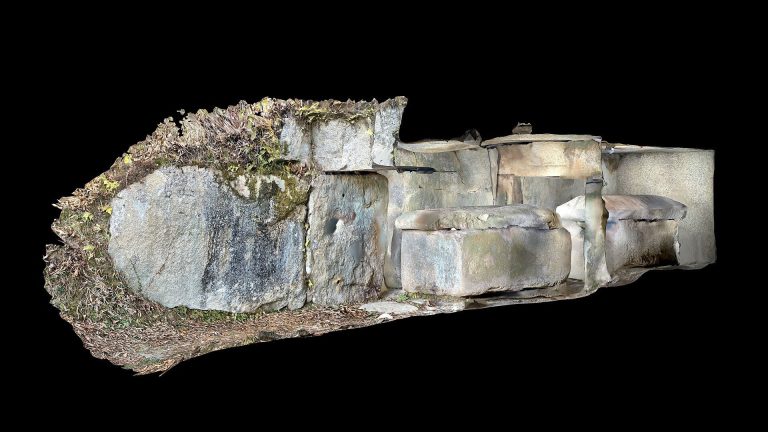
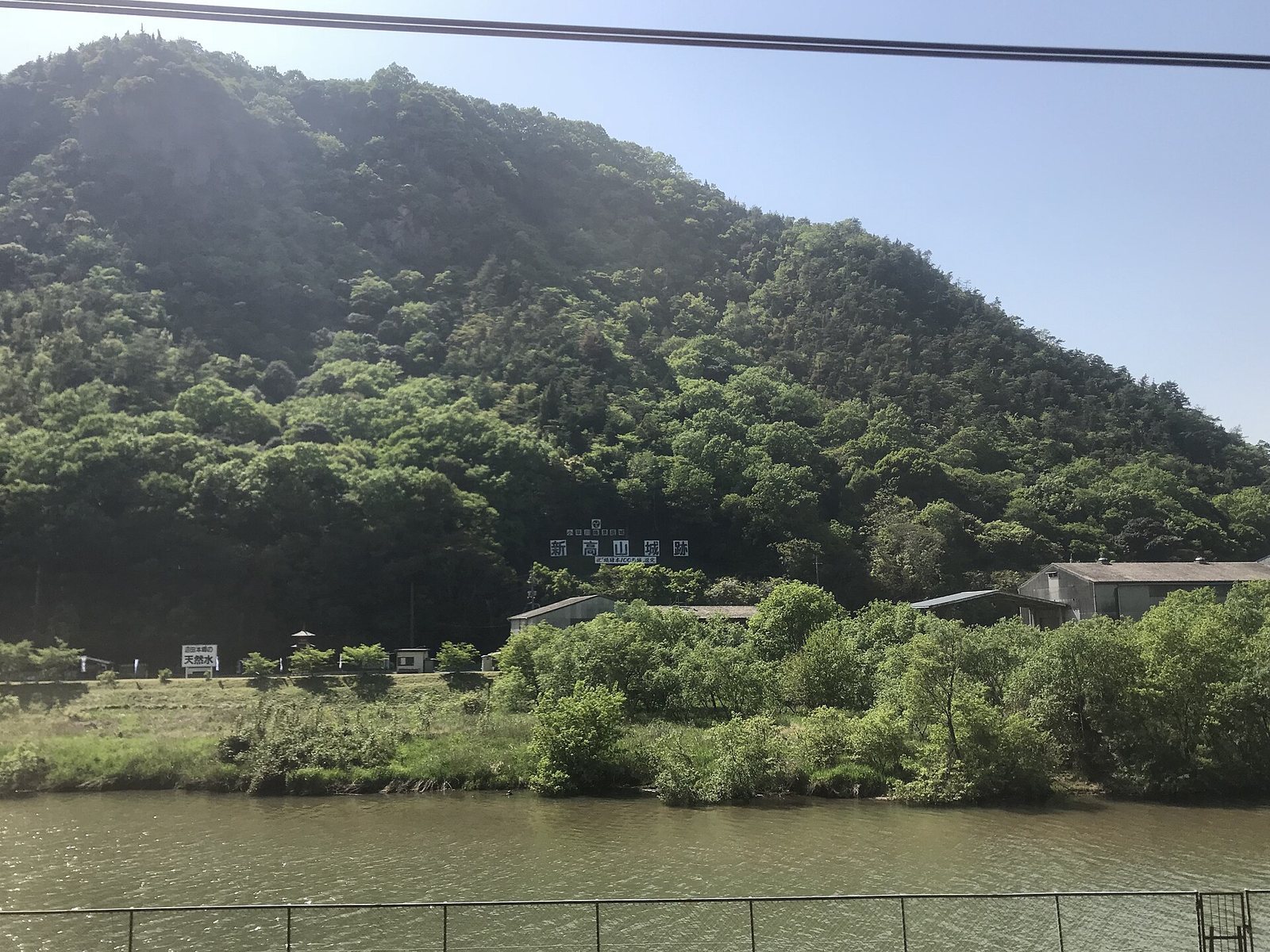
The fortress occupied a peak 197.6 metres high and extended about 400 metres from east to west. The Nuta River screened its northern and eastern edges, while the Seto Inland Sea lay nearby. Across the river, Takayama Castle stood on Mount Tsumataka, a peak about 150 metres high and roughly 10 kilometres west of present-day central Mihara. Niitakayama comprised several bounded defensive areas, or enclosures, protected by stone walls and dry moats. The castle town also contained a naval base.
Enclosures and defensive works
Named enclosures
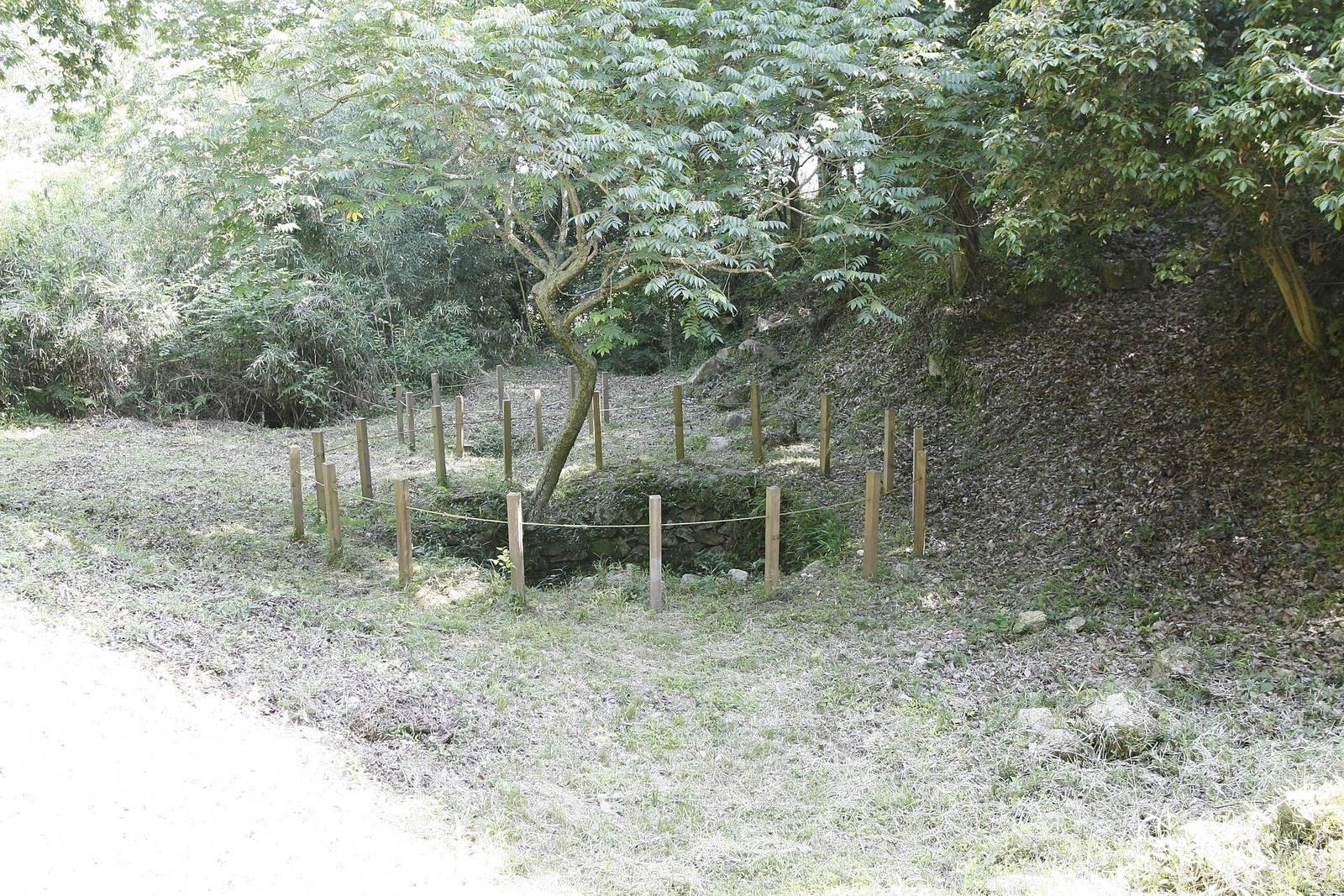
The site includes main, middle, western, and northern enclosures, as well as terraces associated with a well and a bell. In the main enclosure, a square defensive earthwork and the stones of a building’s foundation survive. A well is also among the castle’s remains.
Walls and ditches
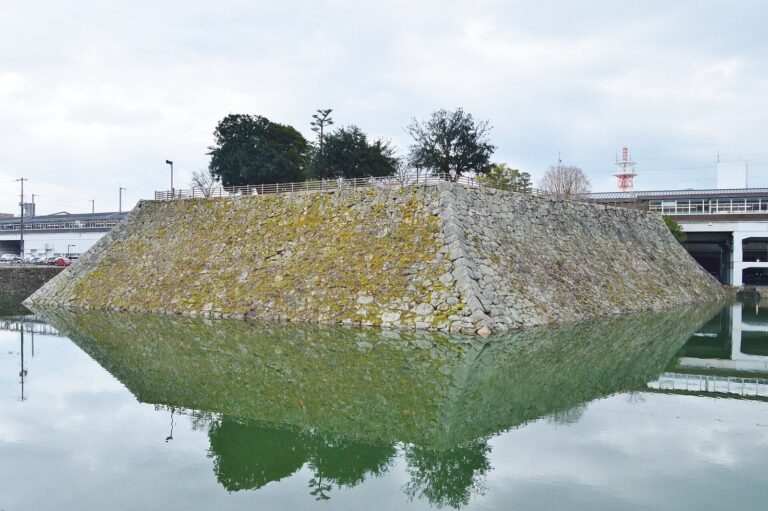
Surviving defenses include stone walls, earthen ramparts, ditches cut across ridges, and vertical moats, meaning ditches that run down the mountain slopes. These features formed part of the fortress’s system of enclosures and dry moats.
Memorial site and temple gate
Family memorial temple site
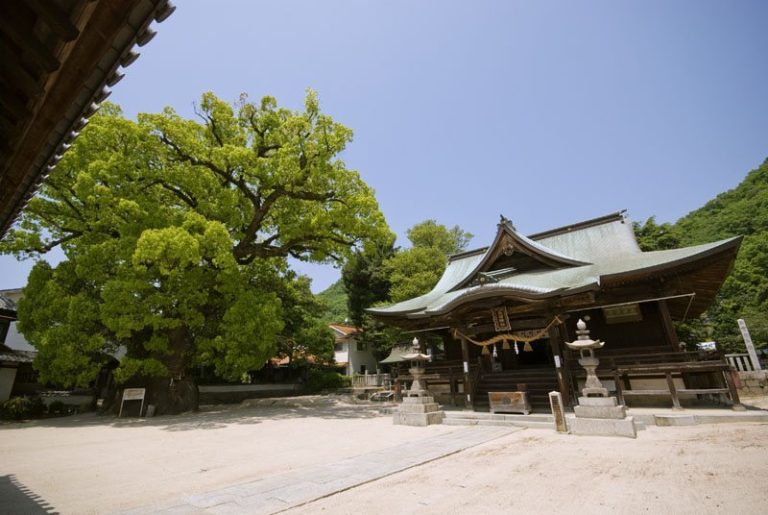
The former site of the Kobayakawa family’s memorial temple lies within the castle precincts.
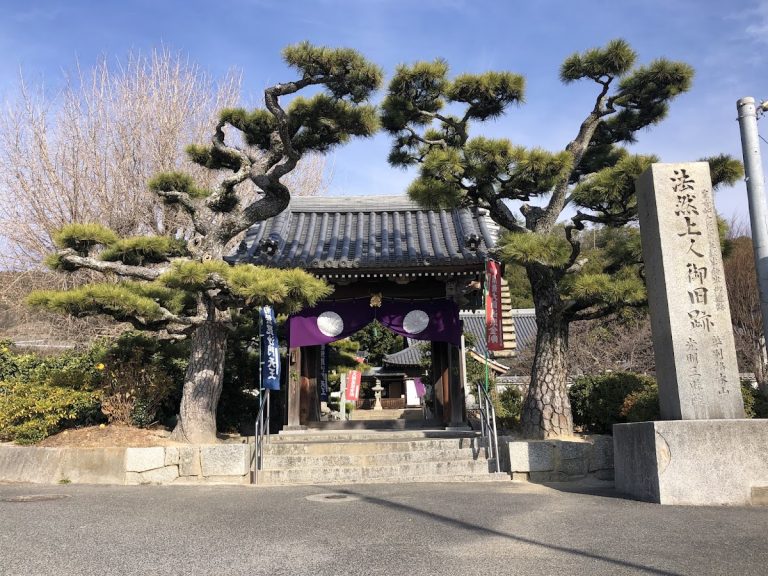
Sōkōji Temple gate
A gate at Sōkōji Temple in Mihara is traditionally said to have been brought from Niitakayama as the castle’s main gate. That identification remains disputed.