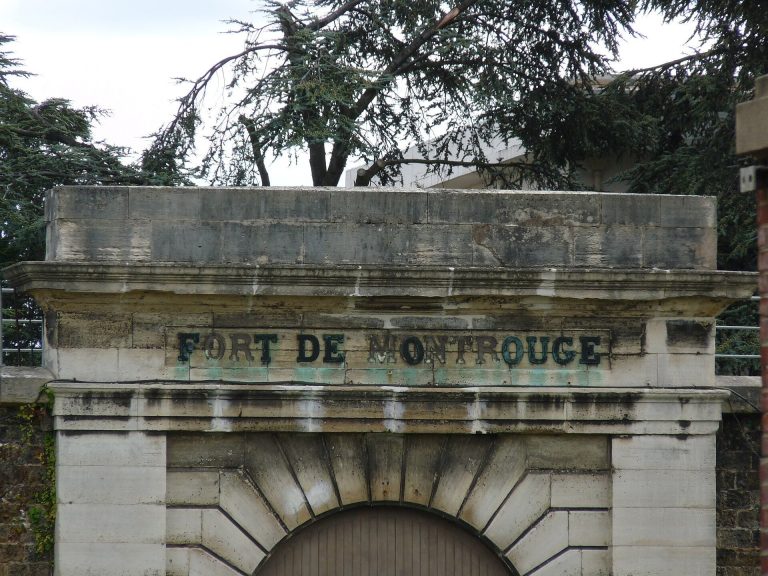
Villa des Brillants: Rodin’s Home and Sculpture Studio in Meudon
Site at a Glance
- Country
- France
- Primary era
- Modern
- Eras represented
- Early Modern, Modern
- Civilizations
- French
- Site type
- Domestic
- Remains
- Elite Residence
On this page10 sections
History
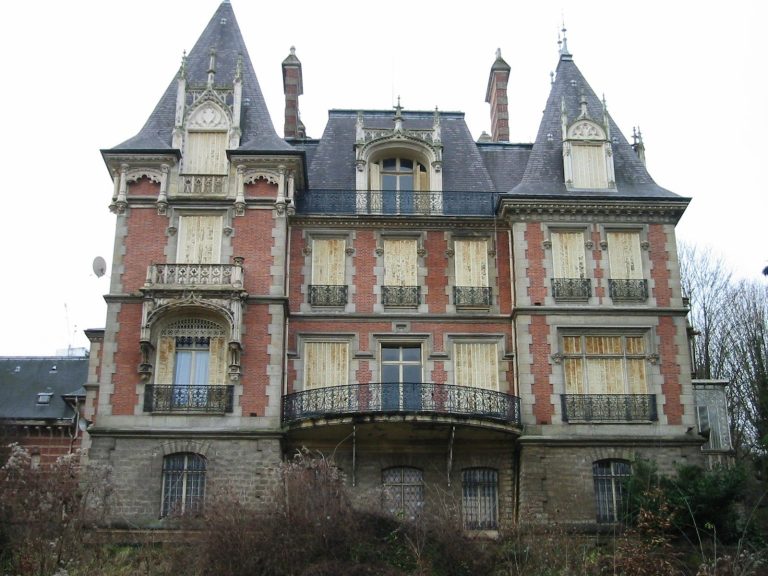
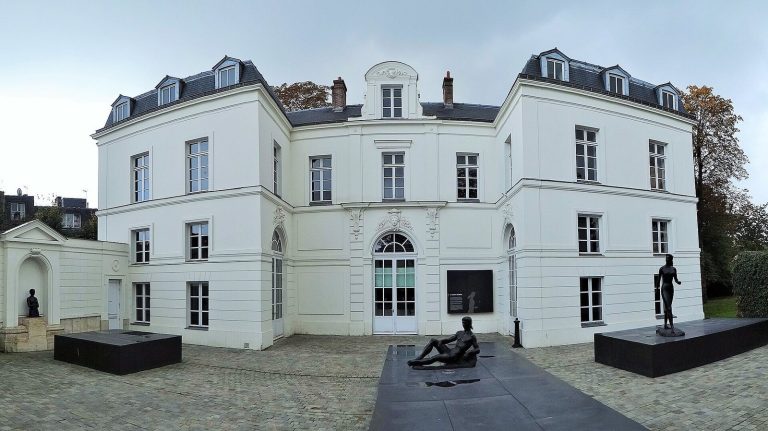
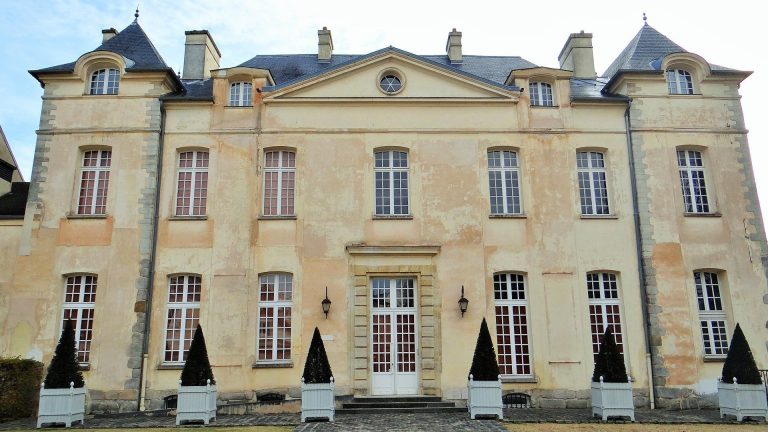
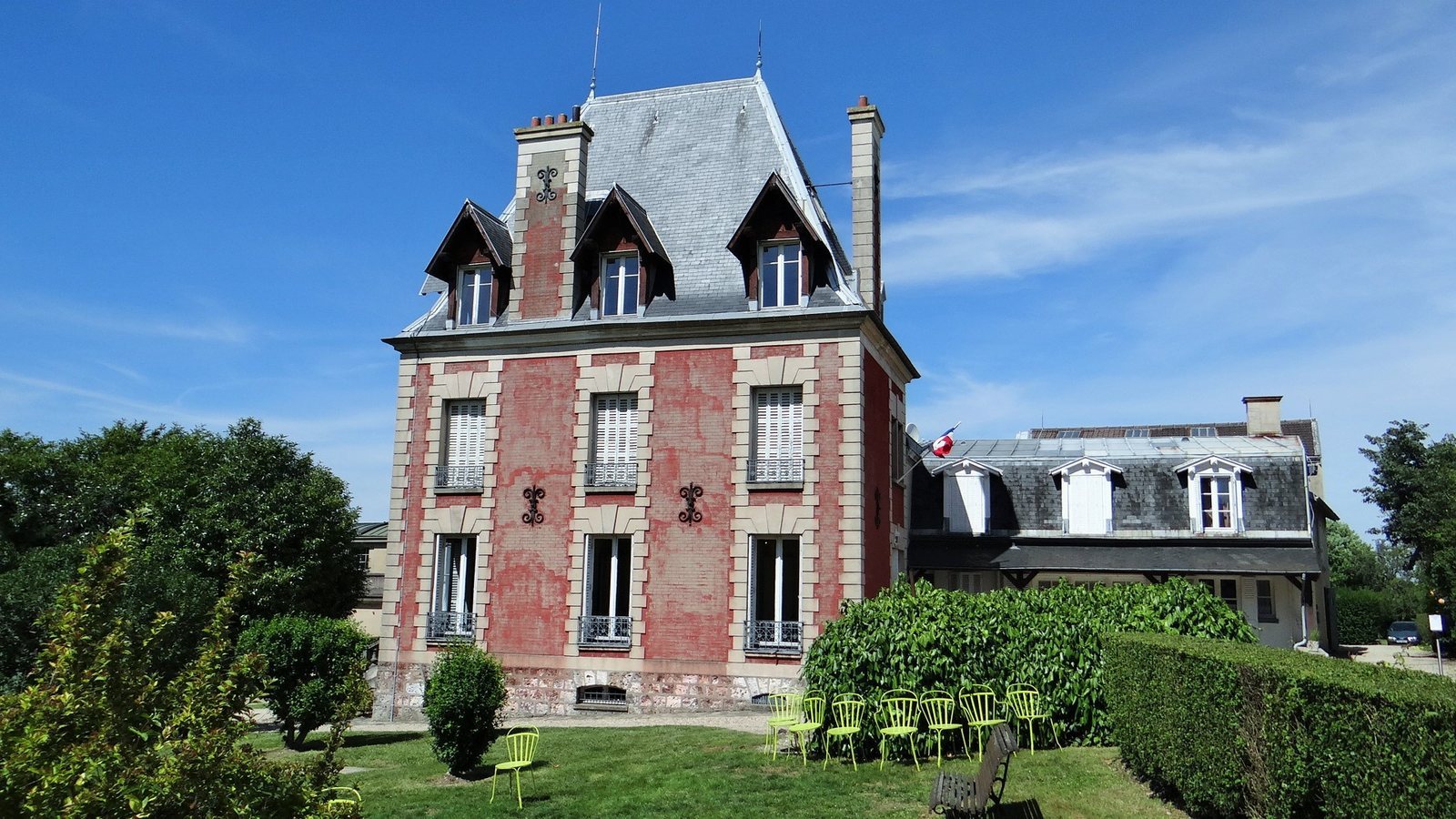
Villa des Brillants is the former home and working estate of French sculptor Auguste Rodin in Meudon, France. Rodin moved there in 1893 with his companion, Rose Beuret, and the property later became one of the two sites of the Musée Rodin. It developed into a center of artistic production as well as the couple’s home.
Rodin’s home and working estate
Rodin bought the villa from painter Delphine de Cool in December 1895 and continued to expand the estate throughout his life. He acquired nearby plots for workshops and rented other buildings in Meudon to store artworks and equipment. About fifty assistants worked in the estate’s studios, making molds and carving marble. As the household’s finances improved after 1900, it also employed a valet and a cook. Rose managed the household and its animals.
Rodin described the house as a “little château Louis XIII,” referring to a style associated with the early seventeenth-century French king. The poet Rainer Maria Rilke, who later stayed at Meudon, did not consider the villa beautiful.
Exhibition pavilion and artistic circle
In 1900, Rodin had a pavilion built opposite the Pont de l’Alma in Paris for a personal exhibition during the Universal Exhibition. The exhibition proved successful. After it closed, the pavilion was dismantled and rebuilt at Meudon in March 1901, almost against the villa.
In September 1905, Rodin invited Austrian poet and writer Rainer Maria Rilke to stay for several months in one of the Meudon pavilions. Rodin had recently read a translation of Rilke’s book about him, first published in German in 1903. At first, Rodin and Rose treated Rilke like a son; he later assisted with Rodin’s secretarial work. Their relationship deteriorated after Rodin began paying him. Rodin dismissed Rilke when he discovered that the poet was writing personally to Rodin’s German friends, and Rilke was deeply hurt.
Between 1907 and 1910, Rodin had part of the façade of the Château d’Issy reassembled in the garden. Built in the late seventeenth century for the princes of Conti, a branch of the French royal House of Bourbon, the château had been burned during the Paris Commune, the revolutionary municipal government in Paris in 1871.
Final years and the museum estate
Rodin and Rose married at the villa on 29 January 1917, in connection with succession arrangements. Rose died on 14 February, and Rodin died on 17 November that year.
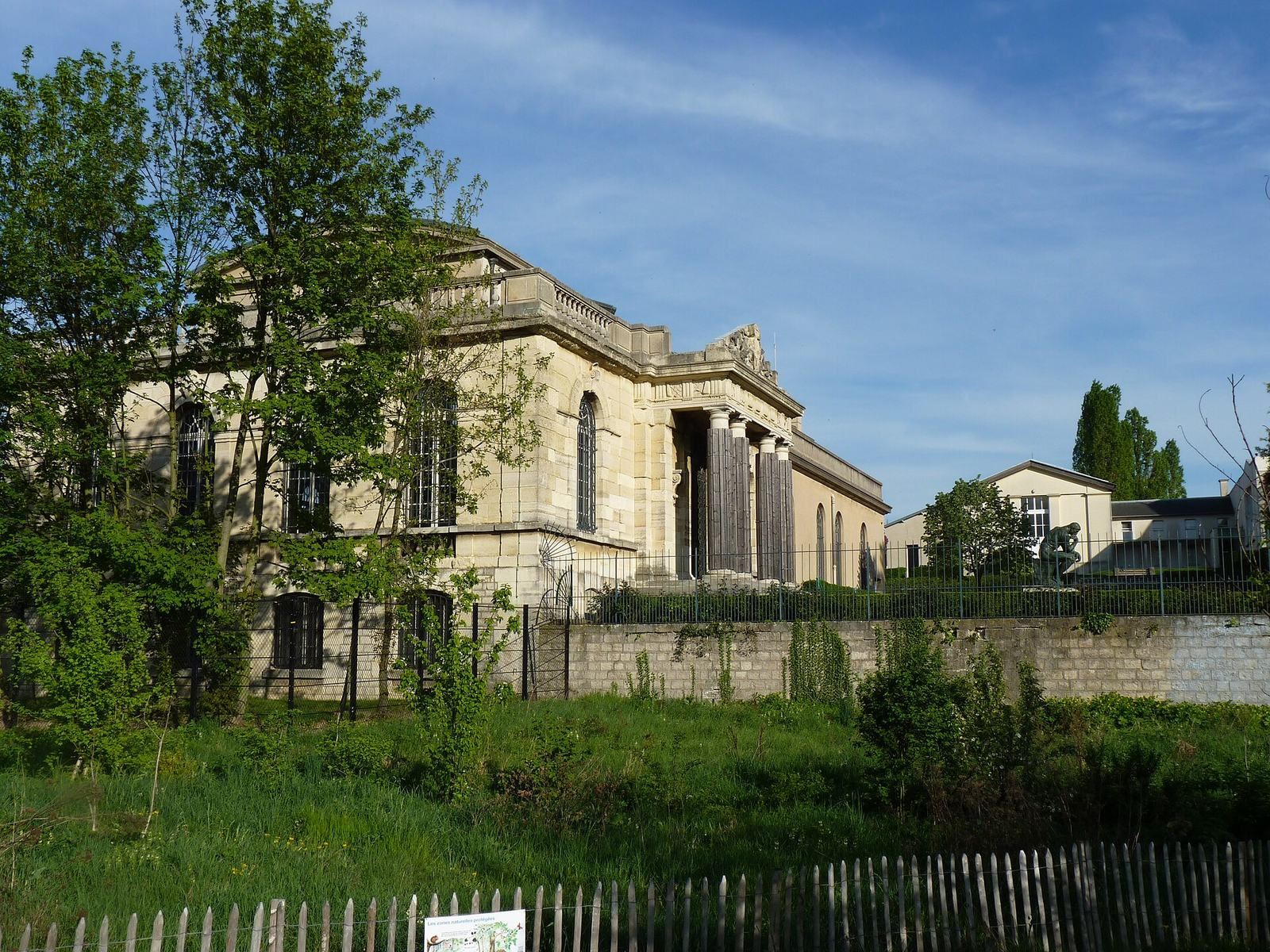
The villa and its furnishings were restored in 1921 through the generosity of Mrs Simpson, a wealthy American whom Rodin had portrayed. The temporary Alma pavilion was demolished in 1931 for safety reasons. A replacement was built lower in the garden, behind the Château d’Issy façade, and inaugurated in 1948. The villa’s ground floor opened to the public in 1953. The estate was classified as a historic monument in 1972, and a major renovation in 1997 sought to reconstitute its setting faithfully.
Remains
The estate brings together the main villa, its grounds, and ancillary buildings. Additions and small structures served the sculptural work and the accommodation of Rodin’s assistants. The surviving setting also includes garden features, a relocated pavilion, displayed collections, and the graves of Rodin and Rose.
Villa and workshop buildings
Rodin enlarged the main house with a gallery and a workshop for molders, who made molds for casting, and marble carvers. He also had smaller buildings constructed for sculptors, molders, and other assistants to work and lodge in. The villa is presented with furnishings and photographs of its occupants, conveying its domestic as well as artistic use.
Garden and Château d’Issy façade
Rodin arranged basins, benches, stones, and statues from his collections in the grounds. At the back of the garden stands the reassembled façade of the Château d’Issy, isolated as a remnant of the earlier building. Its position forms part of the estate’s garden layout.
Pavilion
The replacement pavilion occupies a lower position in the garden, behind the Château d’Issy façade. It took the place of the fragile temporary structure Rodin had brought from Paris, which had been intended to last only for the exhibition.
Collections and sculptural works
During Rodin’s occupancy, the villa and its annexes held sculptures, models, studies, and personal collections. These included Egyptian bronzes, Roman marbles such as a replica of Praxiteles’ Satyr, Greek vases, and works by friends including Auguste Renoir. Vincent van Gogh’s painting Portrait of Père Tanguy was also among the collection. The site displays original plaster works used to cast celebrated bronzes, including The Kiss, the monument to Victor Hugo, Balzac, The Burghers of Calais, and The Gates of Hell.
Rodin and Rose’s tomb
Rodin and Rose are buried on the grounds. The Thinker, one of Rodin’s best-known sculptures, stands above their tomb.