Fortín Solano: A Spanish Colonial Artillery Fort in Venezuela
Site at a Glance
- Country
- Venezuela
- Primary era
- Early Modern
- Eras represented
- Early Modern, Modern
- Civilizations
- Spanish
- Site type
- Military
- Remains
- Fort
On this page9 sections
History
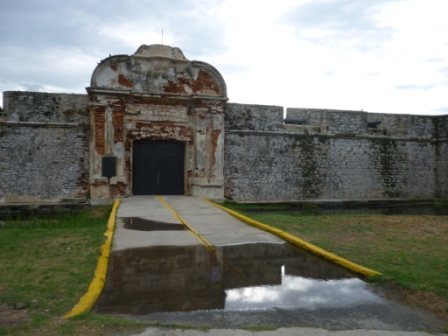
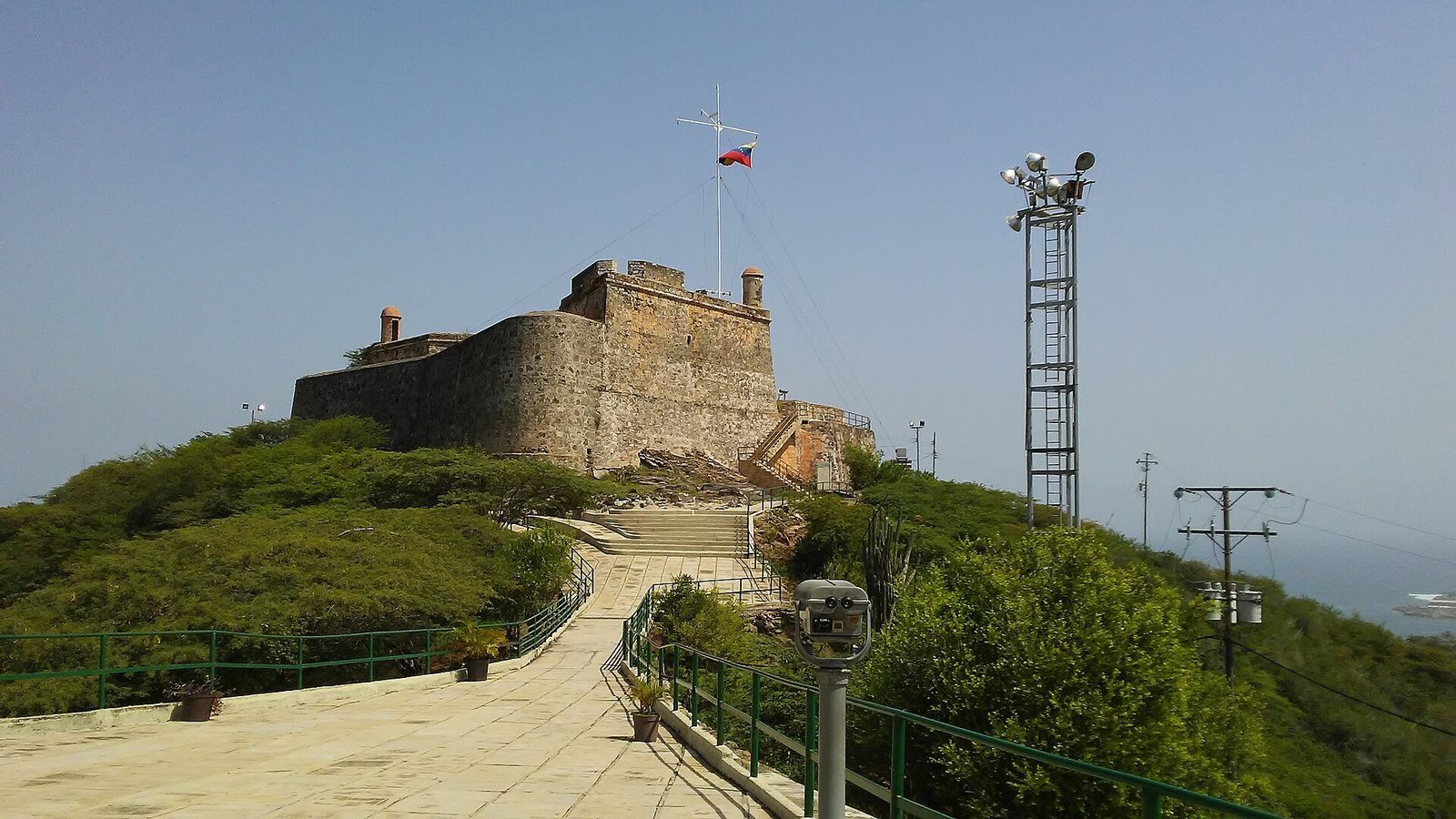
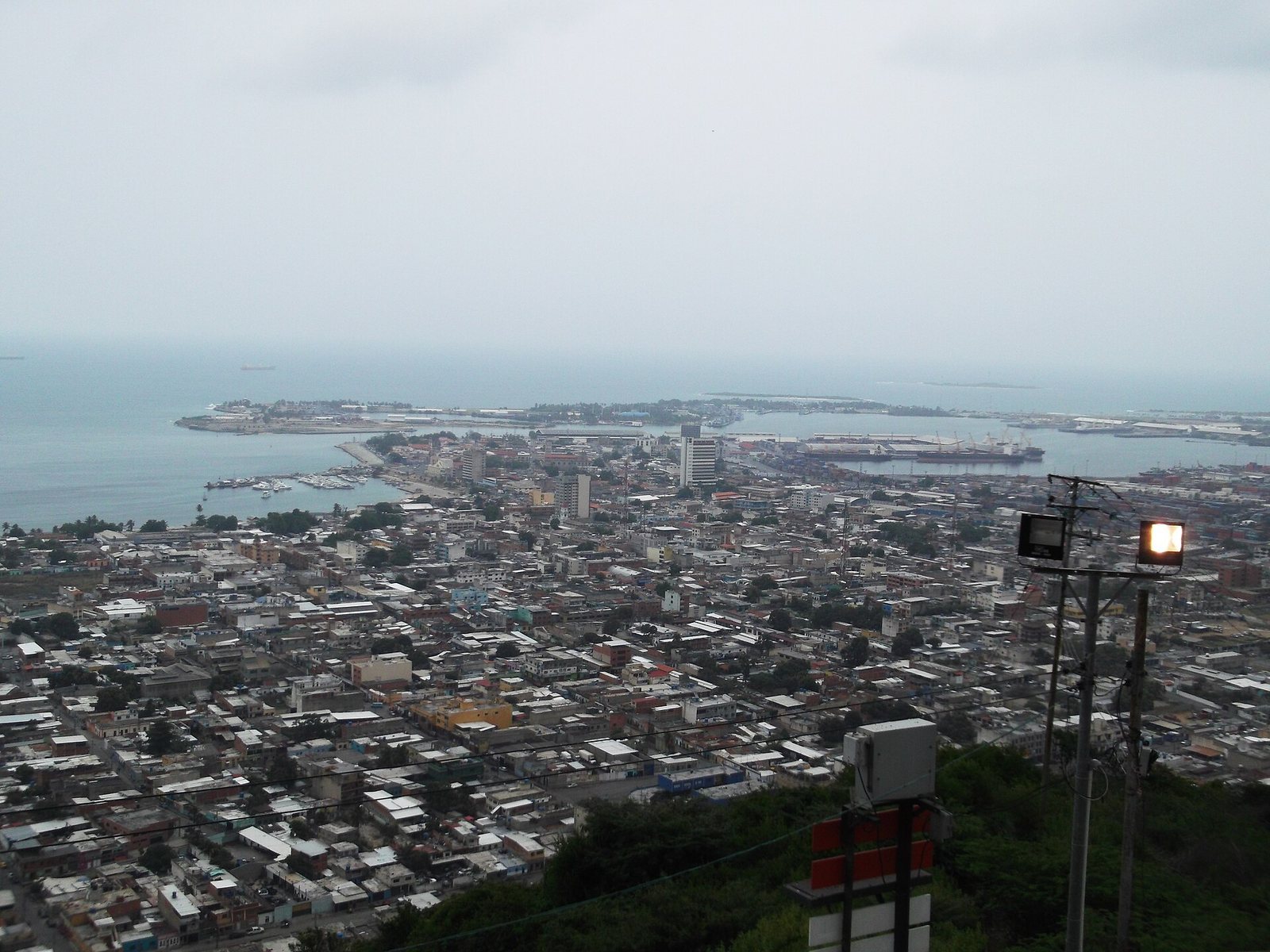
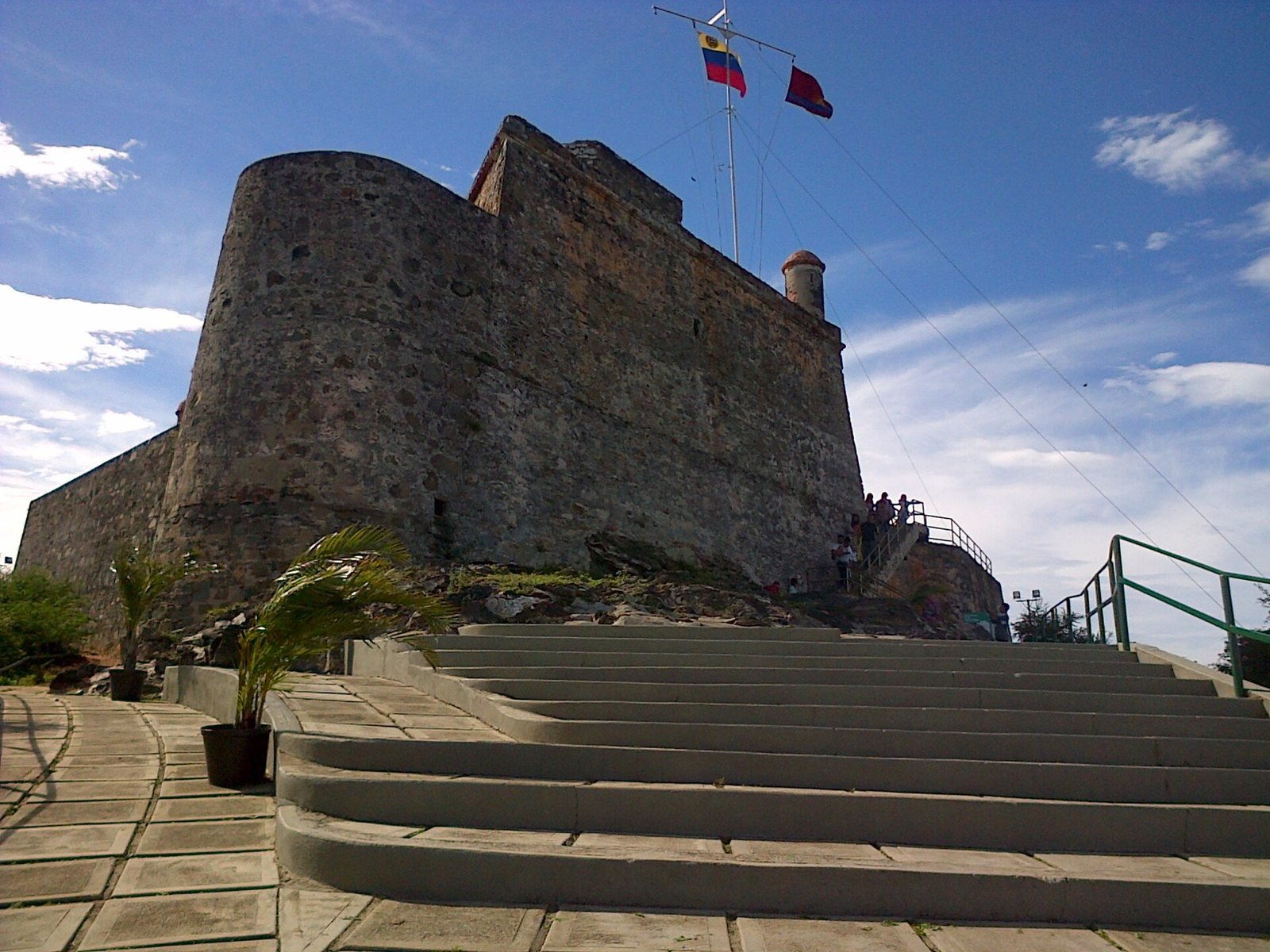
Fortín Solano, also called Mirador de Solano, is a Spanish colonial artillery fort built in 1766 on the Cresta de Vigía above Puerto Cabello, Venezuela. José Solano y Bote, then governor and captain general of Venezuela, a senior colonial official with civil and military authority, ordered its construction for the Spanish Crown. The fort was intended to protect Puerto Cabello’s harbor, the San Esteban River, and the Camino de los Españoles (Spanish Road), which connected Puerto Cabello with Valencia. Its guns also guarded routes toward Borburata, San Esteban, and Goaigoaza, in an area important for agriculture and trade. Fortín Solano is regarded as the last military construction of Venezuela’s colonial period and the only colonial fortification built between 1763 and 1771.
Colonial defenses
A naval battery already occupied the hill before the fort was built. It was used against a British fleet attack in 1743, led by Commodore Charles Knowles; Juan Gayango y Lascan is associated with the decision to establish it. Construction of the later fort relied on enslaved laborers, prisoners brought from La Guaira, and convicts from Castillo San Felipe, later known as Castillo Libertador.
Several engineers worked on Puerto Cabello’s defenses. Juan Gayangos Láscari was sent to Venezuela to replace Juan Amador Courten. Miguel Roncali later succeeded Gayangos in the fortification works and received an assignment from Solano to plan the harbor’s defense. Miguel González Dávila served in the city’s defenses and reported on its fortifications in 1774. José Antonio Espelius, who arrived in Venezuela in 1772, assessed the military setting and strategic value of the harbor.
In 1787, infantry lieutenant colonel and engineer José Antonio del Pozo y Sucre arrived to inspect Puerto Cabello’s fortifications. His report of February 20, 1788, gave a detailed assessment of the lookout hill. Requests to maintain Mirador de Solano and the lookout posts followed on August 7 and 26, 1814. Engineer commander José Mariano Aloy considered the city’s fortifications to need particular attention.
Independence and imprisonment
On September 1, 1813, a surprise attack supported by Rafael Urdaneta’s forces transferred Puerto Cabello from Spanish control to Venezuelan patriots, supporters of independence from Spain. The action took place during the Admirable Campaign, a military campaign in the Venezuelan War of Independence. Spanish commander Antonio Zuazola was captured the next day. Simón Bolívar offered to exchange him for Domingo Jalón, but the royalists, supporters of Spanish rule, rejected the proposal. Bolívar then ordered Zuazola hanged at a flagpole outside the fort in reprisal for royalist executions of prisoners. Zuazola had become known for mutilating prisoners in eastern Venezuela.
The fort later held Pedro Carujo, a Venezuelan officer involved in a 1828 conspiracy against Bolívar. Sentenced to death, Carujo was transferred there in March 1829 and confined in a poorly ventilated, almost unlit vault. Fort commander Antonio Valero, who was Carujo’s personal enemy, chose the cell and imposed harsh treatment. Carujo escaped after several months, was recaptured and shackled, then deported to Curaçao in June 1830. He later returned to Venezuela under José Antonio Páez.
Telegraph and twentieth-century military use
By 1836 the fort was nearly abandoned and no longer served as a military post. An optical telegraph was installed to support Puerto Cabello’s commerce and operated for several years. During Venezuela’s 1902 naval blockade, British and German warships bombarded Puerto Cabello. The attack was justified by alleged offenses against officers and crew of the British merchant ship Topaze, which had been at the old customs wharf that December. Whether Fortín Solano fired a shot remains uncertain: the shot was attributed to Captain Meyer, Antenor Ugueto, or an unidentified soldier, while some accounts denied that it was fired.
In 1904, the Ministry of Public Works approved a repair budget prepared by engineer Germán Jiménez. The following year, President Cipriano Castro ordered the installation of two 155-millimetre guns as a deterrent to another foreign blockade. The armed forces abandoned the fort in 1958, during Wolfgang Larrazábal’s government, because it was considered obsolete. Its missile systems and radar were deactivated and removed, and the guns were transferred to Venezuela’s Military Academy.
The Porteñazo and preservation
During the Porteñazo, a military uprising in Puerto Cabello that began on June 2, 1962, Fortín Solano became a rebel stronghold. The revolt was led by Manuel Ponte Rodríguez, Pedro Medina Silva, and Víctor Hugo Morales. Government forces under Colonel Alfredo Monch surrounded and bombed the city. The fort fell on June 6 after rebel leaders were captured. The uprising left 400 people dead and 700 wounded. Fortín Solano was declared a National Monument in 1965 and now lies within San Esteban National Park, established in 1987.
Remains
The fort occupies a hill about 500 metres high south of Puerto Cabello. Its position overlooks the city and harbor, with views in all four cardinal directions. Designed for artillery, it formed part of Puerto Cabello’s defenses together with Castillo San Felipe, an earlier fort at sea level.
Construction and defensive setting
Construction materials included blocks made with mortar, stone from local quarries, and rocks gathered from nearby hills and the San Esteban River. These materials formed the artillery fort on the Cresta de Vigía, whose position served the defense of the harbor and the routes around Puerto Cabello.
Cistern and underground traditions
A rainwater cistern used during the colonial period remains a feature of the fort. Local stories describe a subterranean passage linking Fortín Solano to Castillo San Felipe and a chest containing José Solano y Bote’s uniforms and papers. The cistern has been suggested as a source of these stories about underground spaces. Solano himself never visited the fort.
Telegraph and troop houses
The optical telegraph consisted of a tall wooden post fitted with movable arms. Different arm positions conveyed signals. The former troop houses have fallen into ruin through vandalism.