Simatai: A Strategic Section of China’s Great Wall
Site at a Glance
- Country
- China
- Primary era
- Medieval
- Eras represented
- Medieval
- Civilizations
- Ming
- Site type
- Military
- Remains
- Wall
On this page12 sections
History
Northern Qi Foundations and Ming Rebuilding
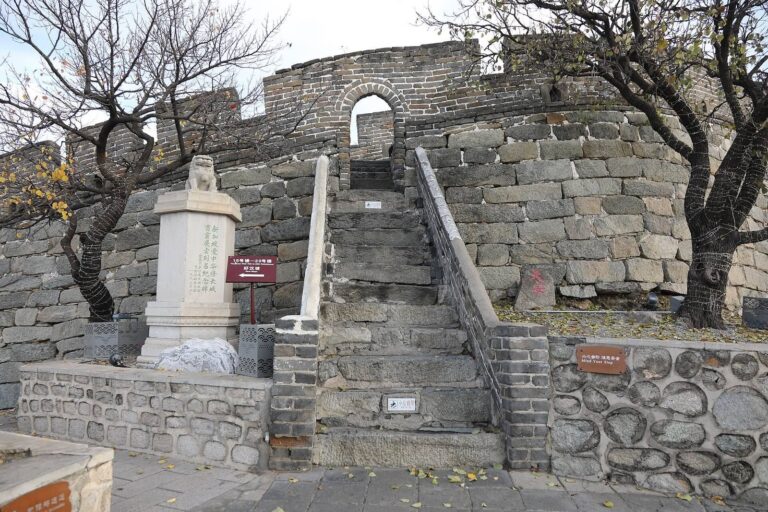
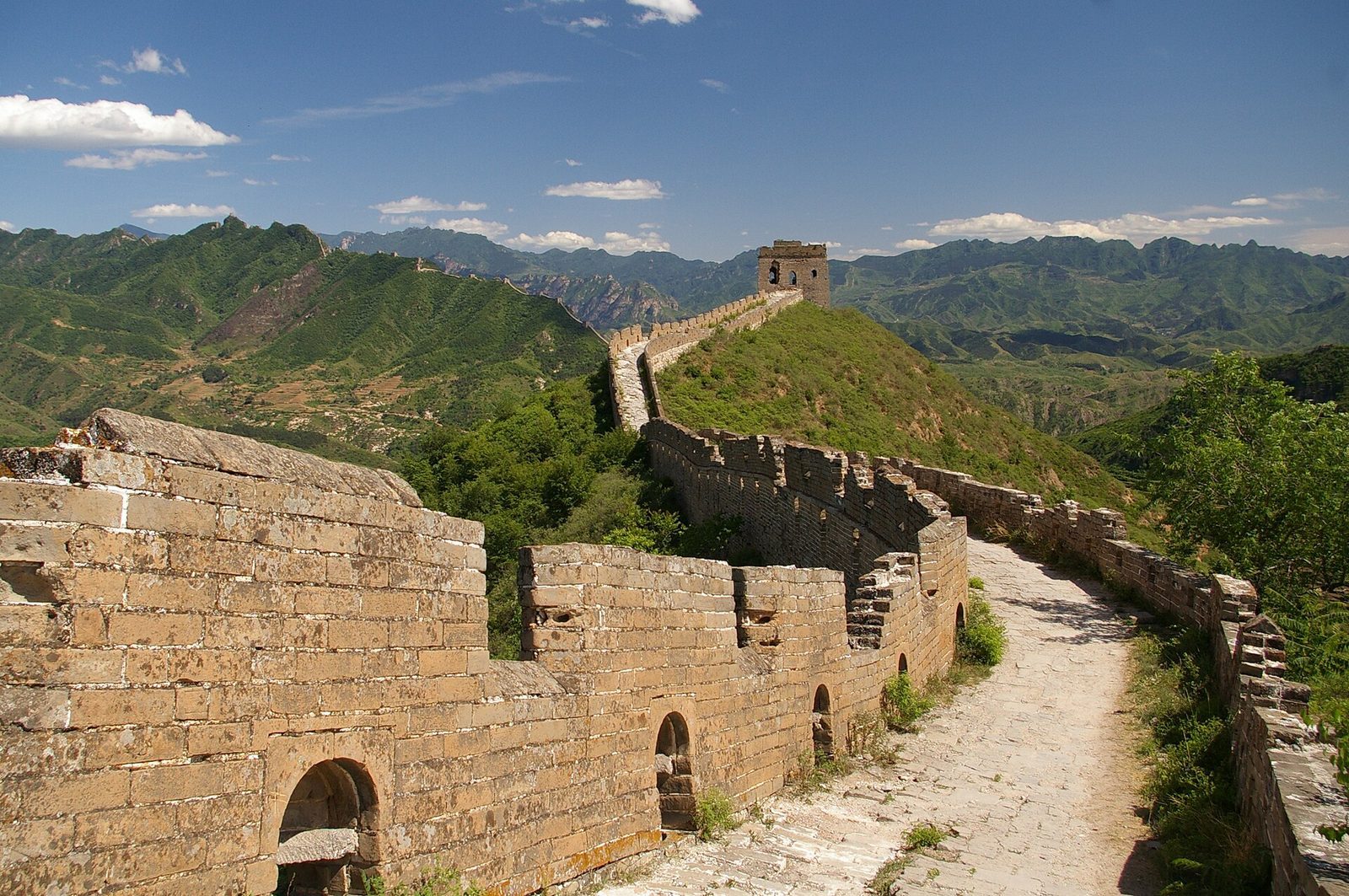
Simatai is a section of the Great Wall in northern Miyun District, China, built to guard access to Gubeikou, a strategic pass in the eastern Great Wall. It was first constructed during the Northern Qi dynasty, which ruled from 550 to 577, and later rebuilt during the Ming dynasty.
The Hongwu Emperor, founder of the Ming dynasty, oversaw the period of rebuilding. Simatai lay within the Ji Garrison, the Ming military command responsible for frontier defense, and the section retains features of its Ming-period construction.
Conservation and World Heritage
In 2004, the Beijing Municipal Cultural Relics Bureau made Simatai a priority for conservation. Partly collapsed gates, wall walks, and sections of the wall were repaired and reinforced using traditional materials and methods. Simatai is also part of the Great Wall World Heritage property recognized by UNESCO, the United Nations agency for education, science, and culture. The designation identifies places considered to have outstanding universal value.
Remains
Wall and Terrain
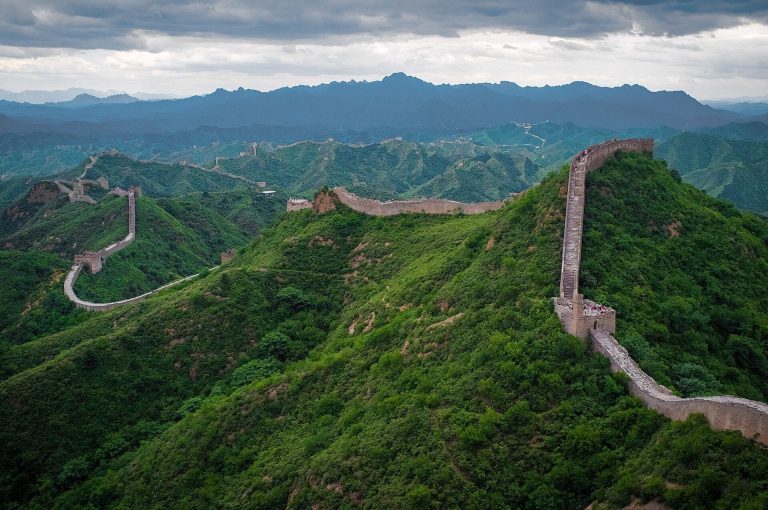
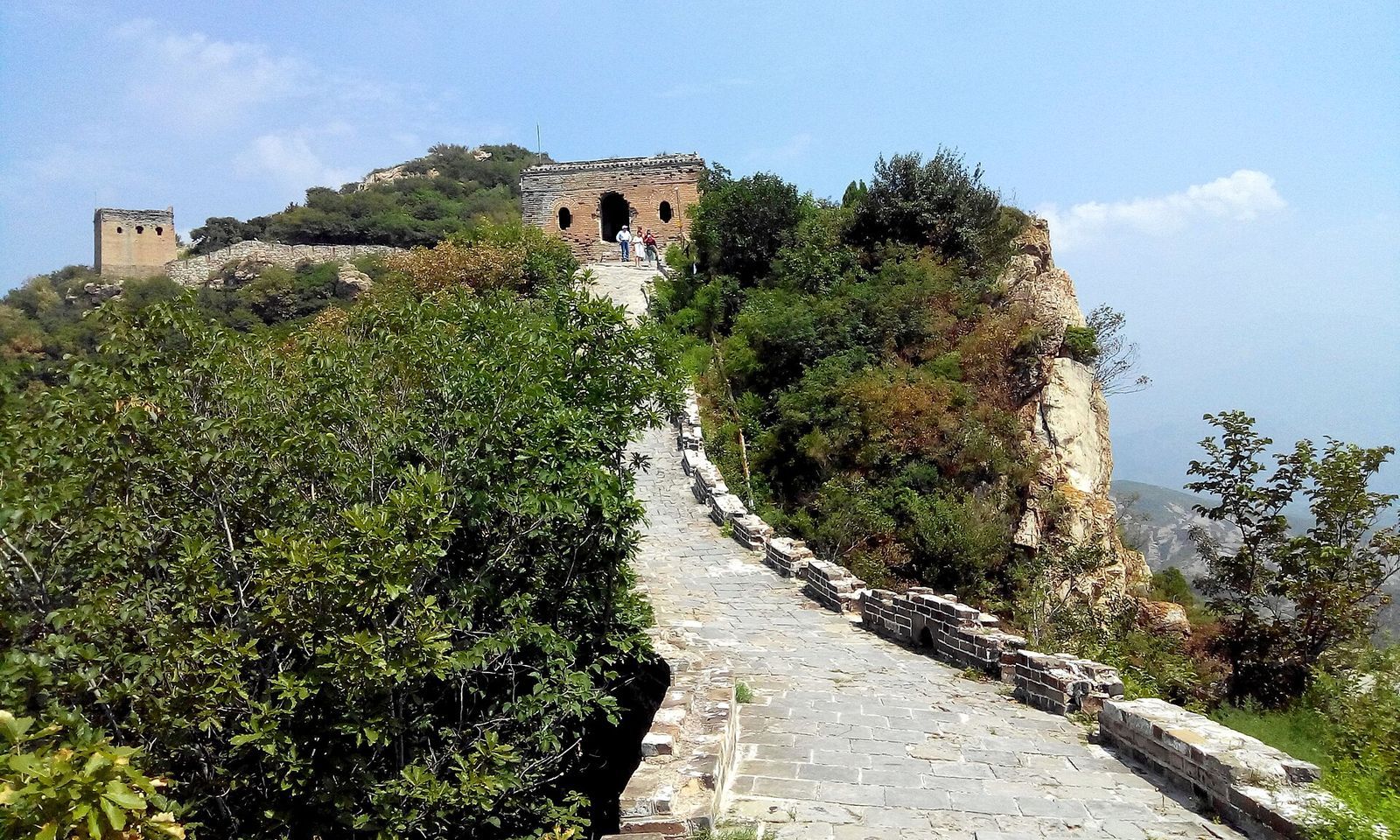
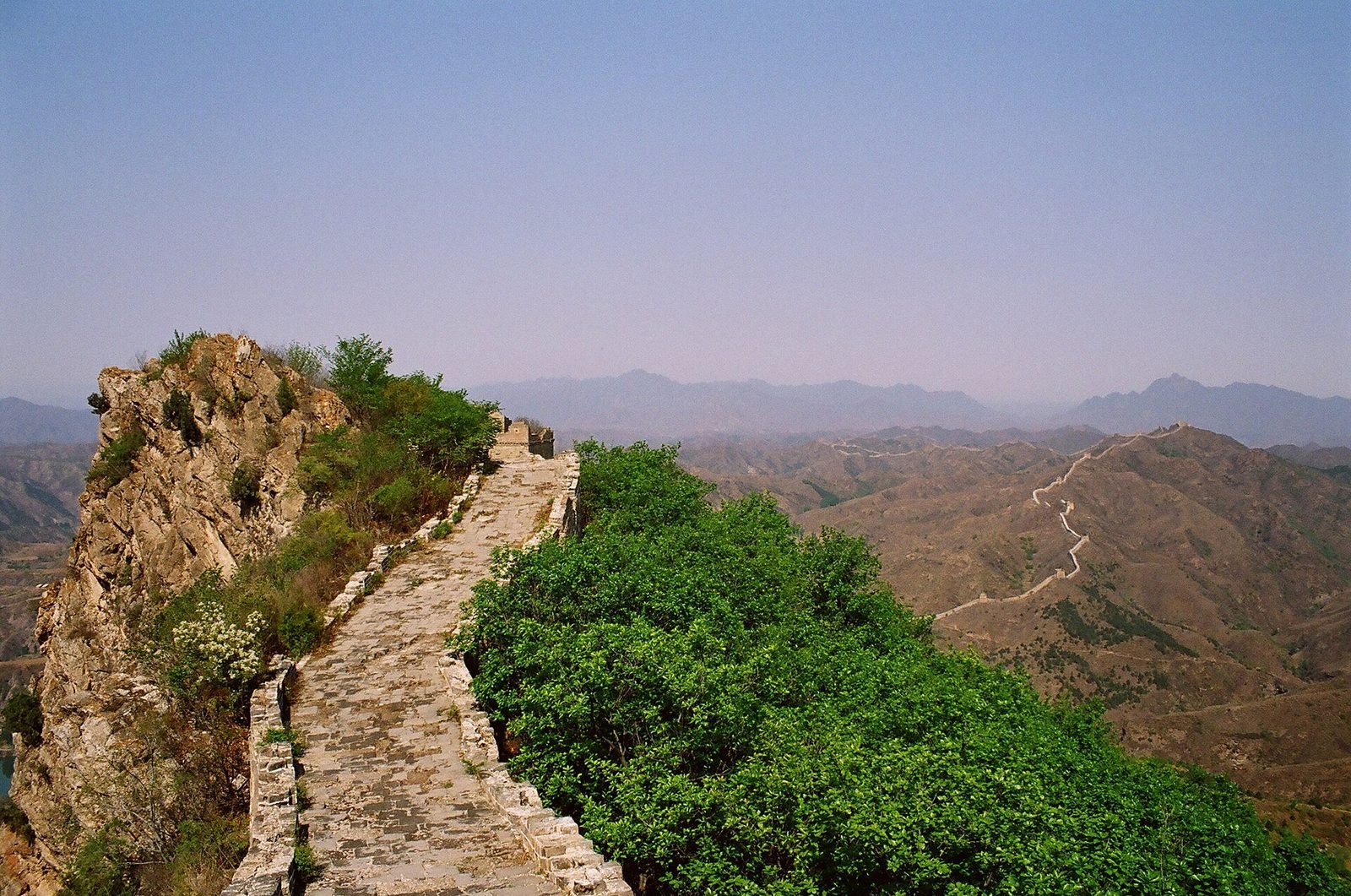
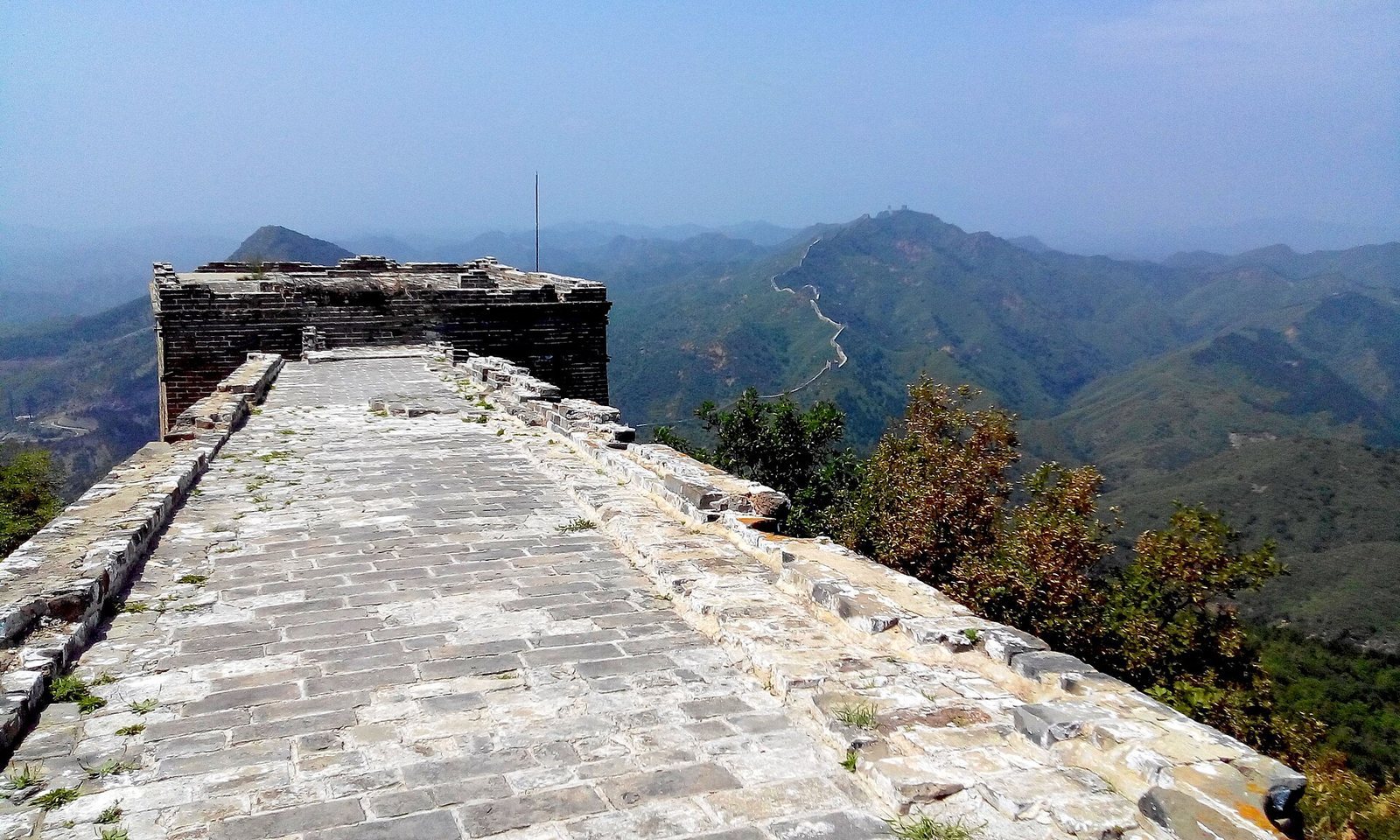
The 5.4-kilometre wall follows a ridge in the Yan Mountains and includes 35 beacon towers. A valley containing a reservoir divides it into eastern and western sections. The reservoir is also called Mandarin Duck Lake or the Simatai Reservoir. The western section crosses gentler slopes and has 20 well-preserved watchtowers. Far steeper, the eastern section follows rugged ground along cliff edges and high peaks, with 17 relatively close-set towers overlooking the surrounding area.
Towers and Elevated Passages
Cat’s Eye Tower
Tower 14 is known as the Cat’s Eye Tower.
Heavenly Ladder
The Heavenly Ladder climbs a mountainside along a steep ridge, reaching a gradient of up to 80 degrees. At its narrowest, it is about half a metre wide, and it leads to the Fairy Tower.
Fairy Tower
Tower 15, the Fairy Tower, has twin lotus flowers sculpted above its arched doors. It is known for its architecture and is considered by many to be the most beautiful tower in the Simatai section.
Sky Bridge
The Sky Bridge runs for 100 metres between the Fairy Tower and Tower 16. In some places, it narrows to just 40 centimetres.
Watching-the-Capital Tower
Tower 16, the Watching-the-Capital Tower, stands at 986 metres and marks the highest point of the Simatai section. On clear nights, lights in Beijing, about 120 kilometres away, can be seen from it. Bricks in this part of the wall carry stamps giving their manufacture dates and the code numbers of the armies that built them.
Gathering-of-the-Immortals Tower
Tower 17, the Gathering-of-the-Immortals Tower, is accessible from the east via Tangjiazhai village.