Rashaya Citadel: A Fortress and Landmark of Lebanese Independence
Site at a Glance
- Country
- Lebanon
- Primary era
- Medieval
- Eras represented
- Bronze Age, Classical, Medieval, Early Modern, Modern
- Civilizations
- Ancient Greek, Canaanite, Crusader, French, Mamluk, Ottoman, Roman
- Site type
- Military
- Remains
- Castle
On this page9 sections
History
Rashaya Citadel is a fortress in Rashaya, Lebanon, developed by the Shihab family in the eighteenth century around an earlier tower built during the Crusader period. It became a military stronghold and a focal point in Lebanon’s independence struggle.
Early fortifications and Shihab rule
The area around Rashaya has been settled since earliest times, and the citadel occupies ground with remains of older defenses. During the Crusader period, Christian armies from Europe built a tower there to protect merchant caravans and pilgrims traveling between Jerusalem and Syria.
In 1370, Prince Abu Bakr Shihab built a residence at the citadel after becoming governor of Hasbaya. A member of Lebanon’s prominent Shihab ruling family, he visited Rashaya with his wife and daughter to hunt. In the eighteenth century, the family developed the citadel as a fortified palace around the earlier tower and refurbished a structure known as the Feather Tower.
French rule and the 1925 revolt
After France received the League of Nations mandate over Syria in 1923, a French garrison was stationed at the citadel. The Great Druze Revolt, an uprising against French rule in the region, brought fighting to Rashaya. On 22 November 1925, fighters associated with Druze leader Sultan al-Atrash attacked the citadel in an effort to take it from French forces.
Fighting continued through November and December. About 3,000 Druze fighters under commander Zayd Beg besieged French legionnaires led by Captain Granger. The siege ended when French reinforcements arrived. Both sides suffered casualties, including many people from Rashaya and the surrounding area.
Imprisonment of independence leaders
On 11 November 1943, Jean Helleu, delegate-general of the Free French authorities opposing the Vichy regime, ordered the arrest and imprisonment of Lebanese leaders at the citadel. Those detained were President Bechara El Khoury; Prime Minister Riad El-Solh; Salim Takla, minister of foreign affairs and public works; Abdelhamid Karameh, a deputy for North Lebanon; Adel Osseiran, minister of supply, commerce, and industry; and Interior Minister Camille Chamoun. They were held in separate rooms.
The arrests followed an election victory by supporters of independence and their intention to remove constitutional provisions linking Lebanon to the French mandate. Protests, civil disobedience, and international pressure led to the leaders’ release on 22 November 1943, the date now celebrated as Lebanon’s Independence Day.
From French withdrawal to the present
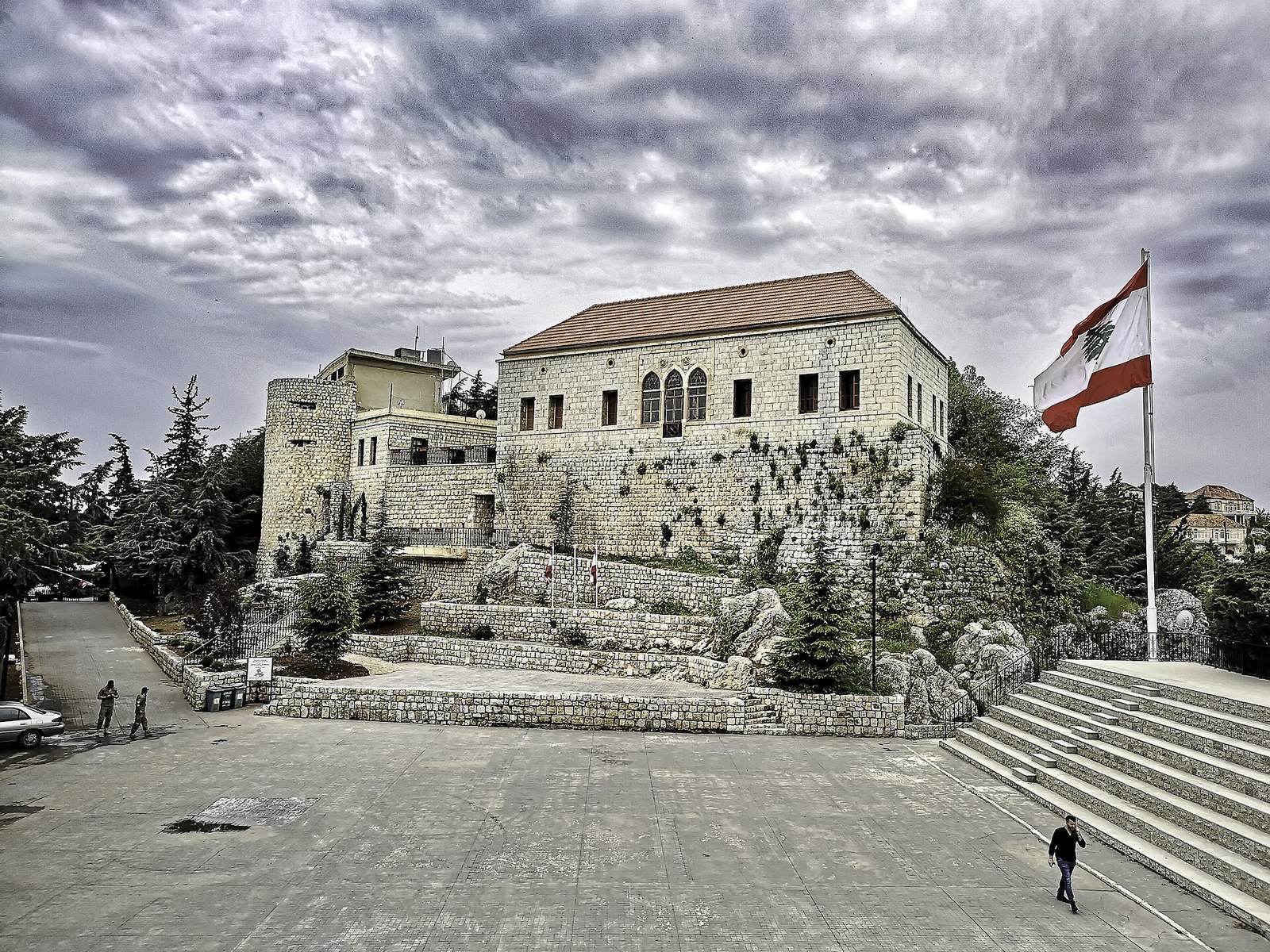
After French forces withdrew in 1946, Lebanese gendarmes and government offices occupied the citadel. The Lebanese Army took it over on 1 September 1964, and the site remains a military base. Rashaya Citadel is recognized as a national monument and national heritage site.
Remains
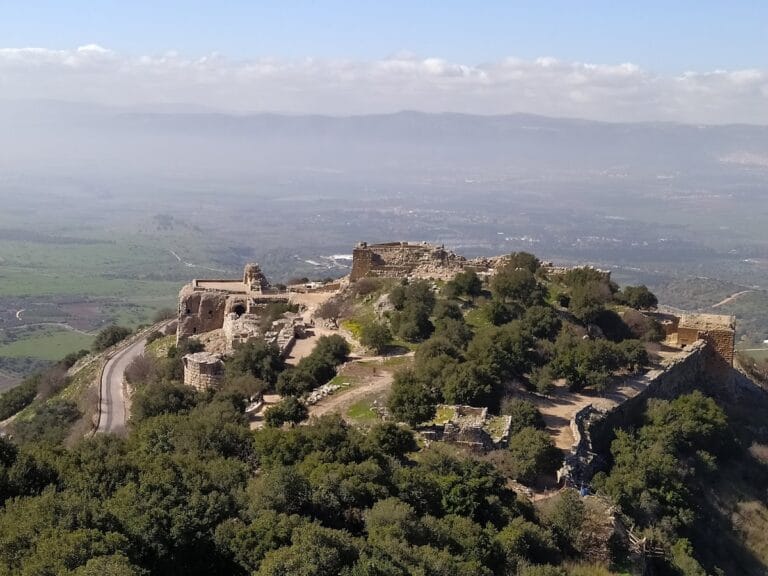
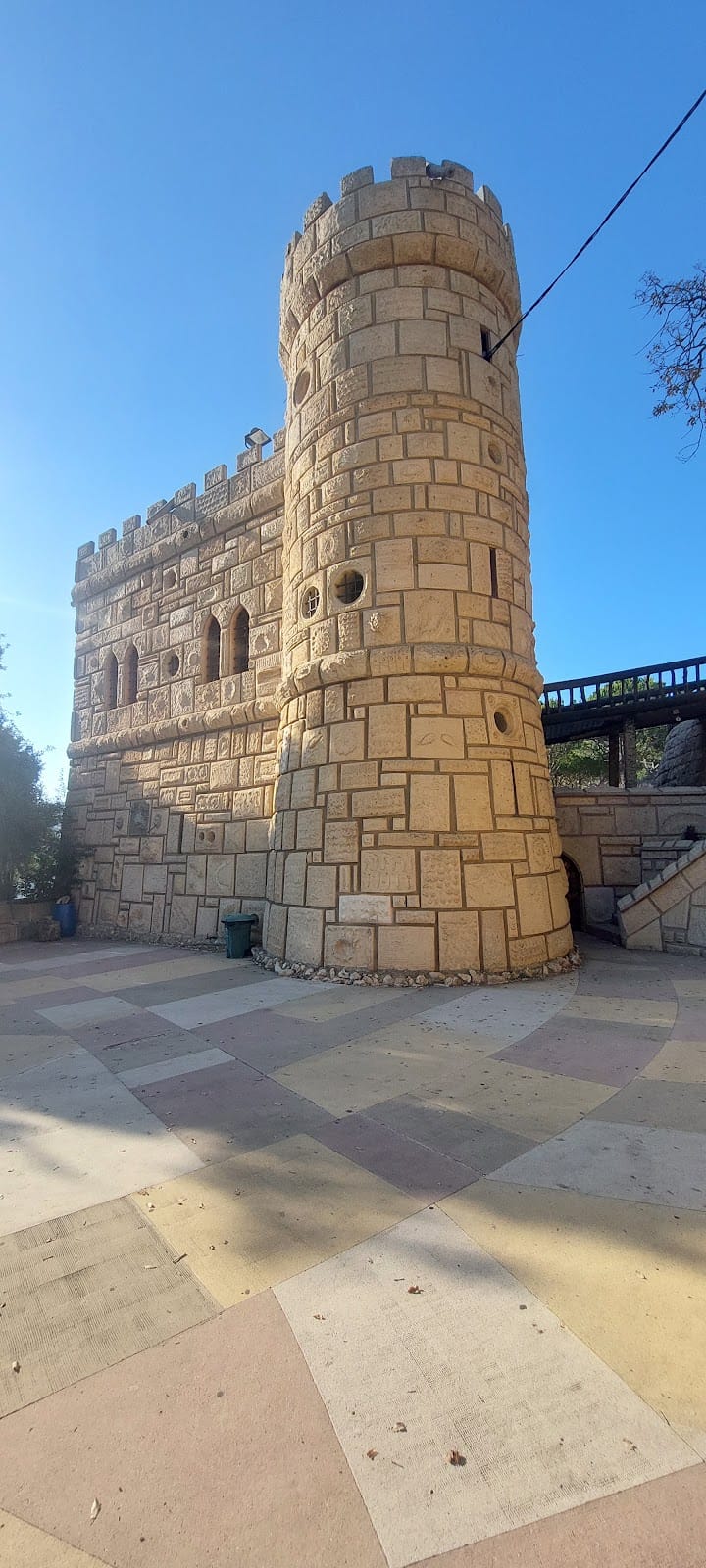
The citadel covers about 8,500 square metres at roughly 1,400 metres above sea level. Cliffs border three sides, while the eastern side faces Mount Hermon. Its entrance is on the south, and the fortress is arranged around a Crusader tower in the southwest, the highest point of the complex. Thick walls enclose rooms and passageways with arched ceilings, alongside rows of arches.
Buildings and archaeological remains
The citadel contains remains of fortifications associated with the Canaanites, ancient peoples of the Levant, as well as Greek, Roman, Arab, Crusader, and Ottoman periods. The Ottoman Empire ruled much of the Middle East for centuries. Other remains include Crusader buildings, a church within the citadel, and a lower hall with an arched ceiling and a storehouse in the northeastern part. Two plaques in the courtyard commemorate people killed in the 1925 fighting, one listing the French dead and the other those from the Rashaya region.
Water systems and tunnel
Rock-cut wells and water-storage cisterns form part of the citadel’s water system. All but one of the wells have been filled in, while the remaining well is usable. A tunnel about 1,500 metres long runs west to the spring of Ein Mari, near the villages of Al-Aqaba and Bkifa. It served to move fighters, bring in supplies during a siege, and provide an escape route.
Eastern wall
The eastern wall incorporates stone taken from nearby houses that were demolished. The former owners’ names remain at the entrance to the citadel’s northern section.