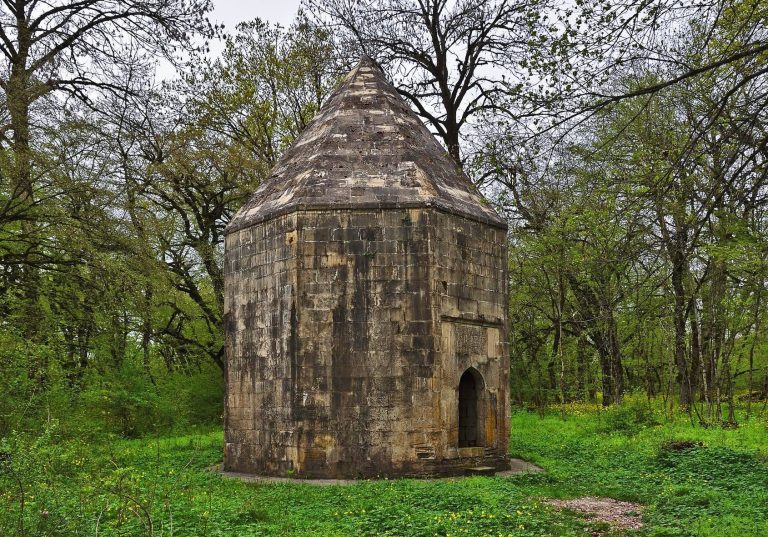
Galeyi Beygurt: A Medieval Fortress and Refuge of the Shirvanshahs
Site at a Glance
- Country
- Azerbaijan
- Primary era
- Medieval
- Eras represented
- Medieval
- Civilizations
- Shirvanshah
- Site type
- Military
- Remains
- Castle
On this page7 sections
History
Galeyi Beygurt is a medieval fortress near Galeybughurd village in Azerbaijan, about 20 km northeast of Shamakhi. Its construction date is unknown, but it is believed to date to the 13th century and is associated with the Shirvan-Absheron architectural school, a regional tradition linked to Shirvan and the Absheron Peninsula. It served as a fortified refuge and emergency residence for the Shirvanshahs, the rulers of Shirvan.
A refuge of the Shirvanshahs
The fortress was used during the Mongol conquest and in the periods of Shirvanshahs Kequbad and Kavus. The rulers also kept their treasury there. Archaeologist I. P. Shcheblykin proposed that Galeyi Beygurt became the dynasty’s last refuge after its capital was captured. Records mention the fortress in the 15th century. A Venetian traveler in the 16th century described its position among cliffs as a defensive advantage and compared its size to a city.
Safavid campaigns and the fall of Shirvan
After Ismail I, founder of the Safavid state, captured Baku in 1501, his forces besieged Galeyi Beygurt but failed to take it. Their attempts against the fortresses of Gulistan and Surkhab also failed. During Ismail’s attack on Shirvan in 1509, Shirvanshah Shaykhshah was at Galeyi Beygurt.
During the Salyan rebellion of 1536–1538, led by a Qalandar, a member of a Muslim ascetic tradition, the rebels captured Shamakhi. Shirvanshah Shahrukh and Shirvan’s nobles took refuge at the fortress. When divisions arose among the rebels, they withdrew toward Salyan. The emirs of Shirvan then left the fortress and put down the uprising by force.
In spring 1538, a Safavid army of 20,000, led by Alqas Mirza, the shah’s brother, and supported by local forces from Qarabagh and Mughan, captured Shamakhi and besieged Galeyi Beygurt for several months. Shortages of food weakened the defenders, but they continued to resist until Safavid artillery helped force their surrender. The Shirvan emirs were executed, while Shahrukh was taken to Tabriz and killed.
Later military use and destruction
The Persian chronicler Iskandar Munshi attributed the destruction of Galeyi Beygurt and Gulistan to an order from Shah Tahmasp. That claim conflicts with the fortress’s later defensive use during the march of Ottoman sultan Suleiman the Magnificent into Shirvan. Abdollah Khan was then Shirvan’s beylerbey, a senior provincial governor, and Gasim Bey used the fortress as a defensive position for Turkish troops. Galeyi Beygurt is also placed in the late 17th century. The state protects it as an architectural monument of national importance.
Remains
Mountain setting and defenses
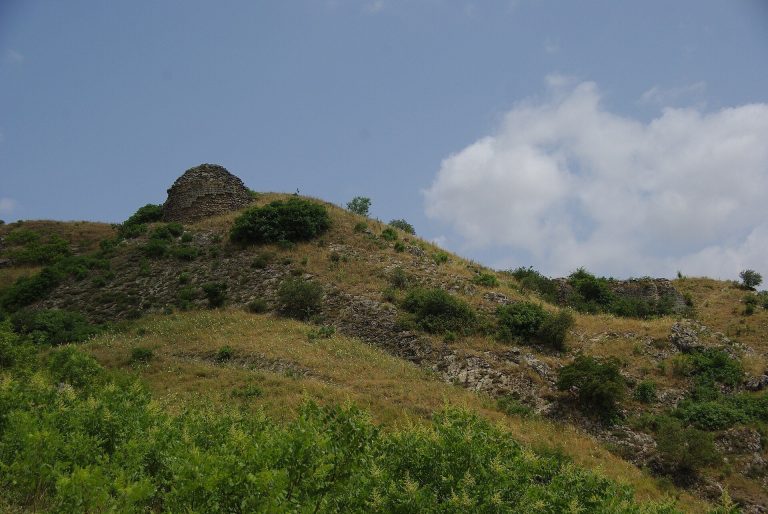
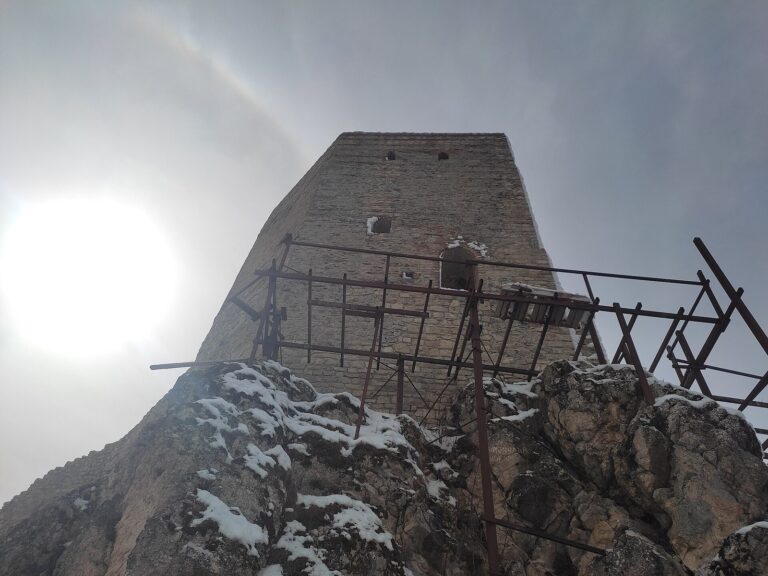
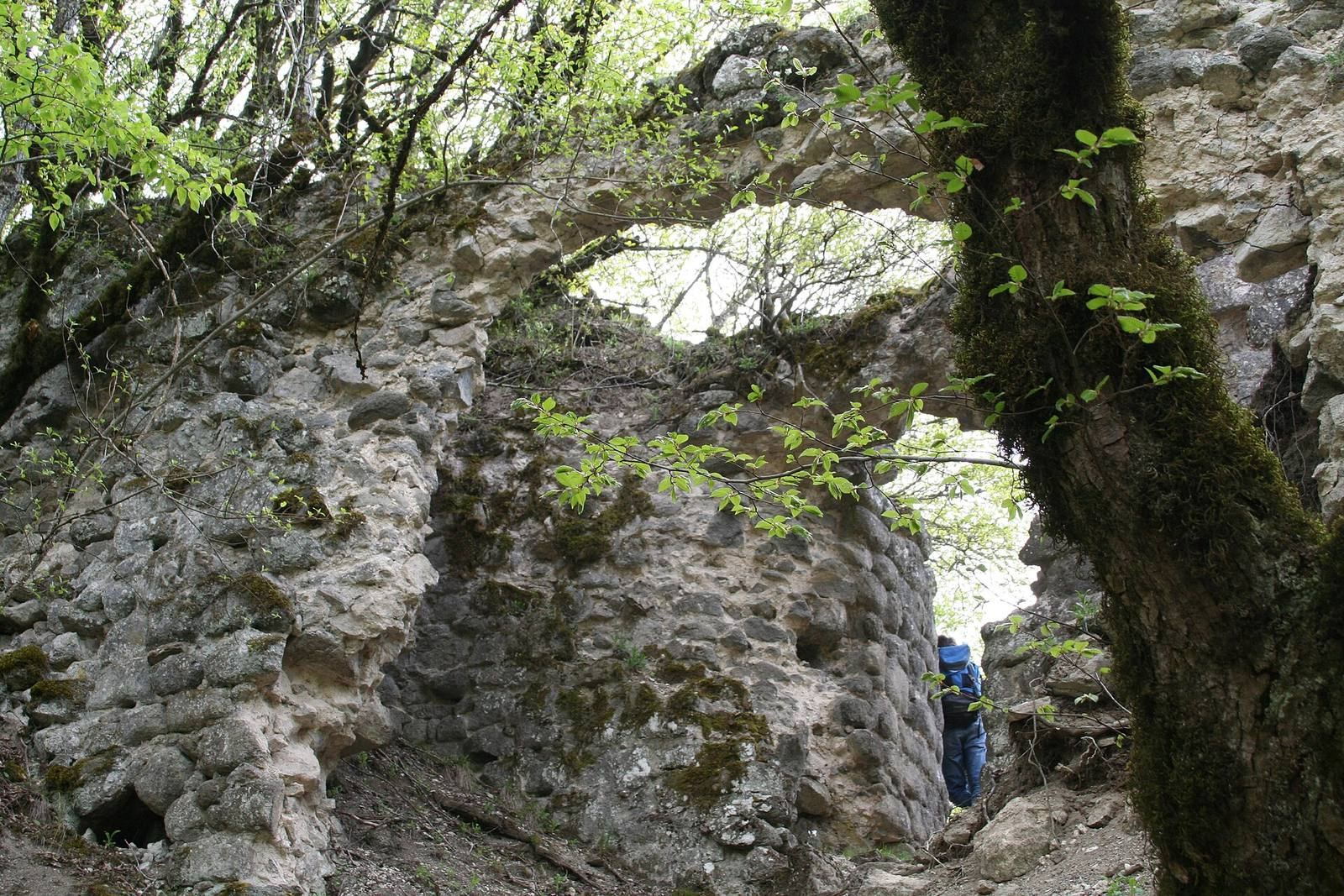
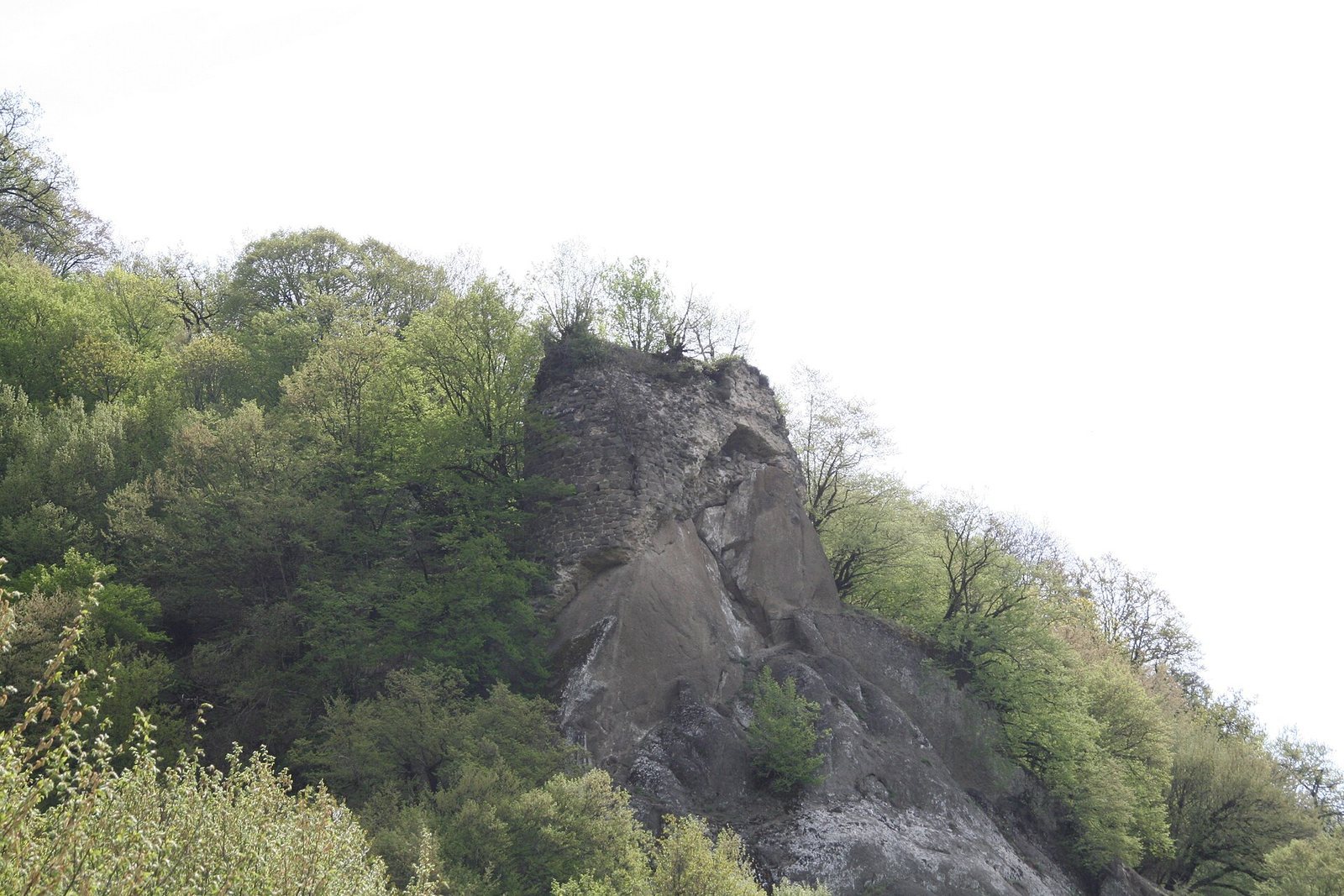
The fortress stands on a mountain summit roughly 1,600 m above sea level. Maiden Tower and Cangi Mountain lie to the south, Tana Mountain and Alchalı Pir forest to the east, Mount Ulguc to the north, and Galadarasi to the west. Its surviving defensive layout includes ruined walls and towers built of limestone, among them the remains of a defensive tower.
Interior remains and water supply
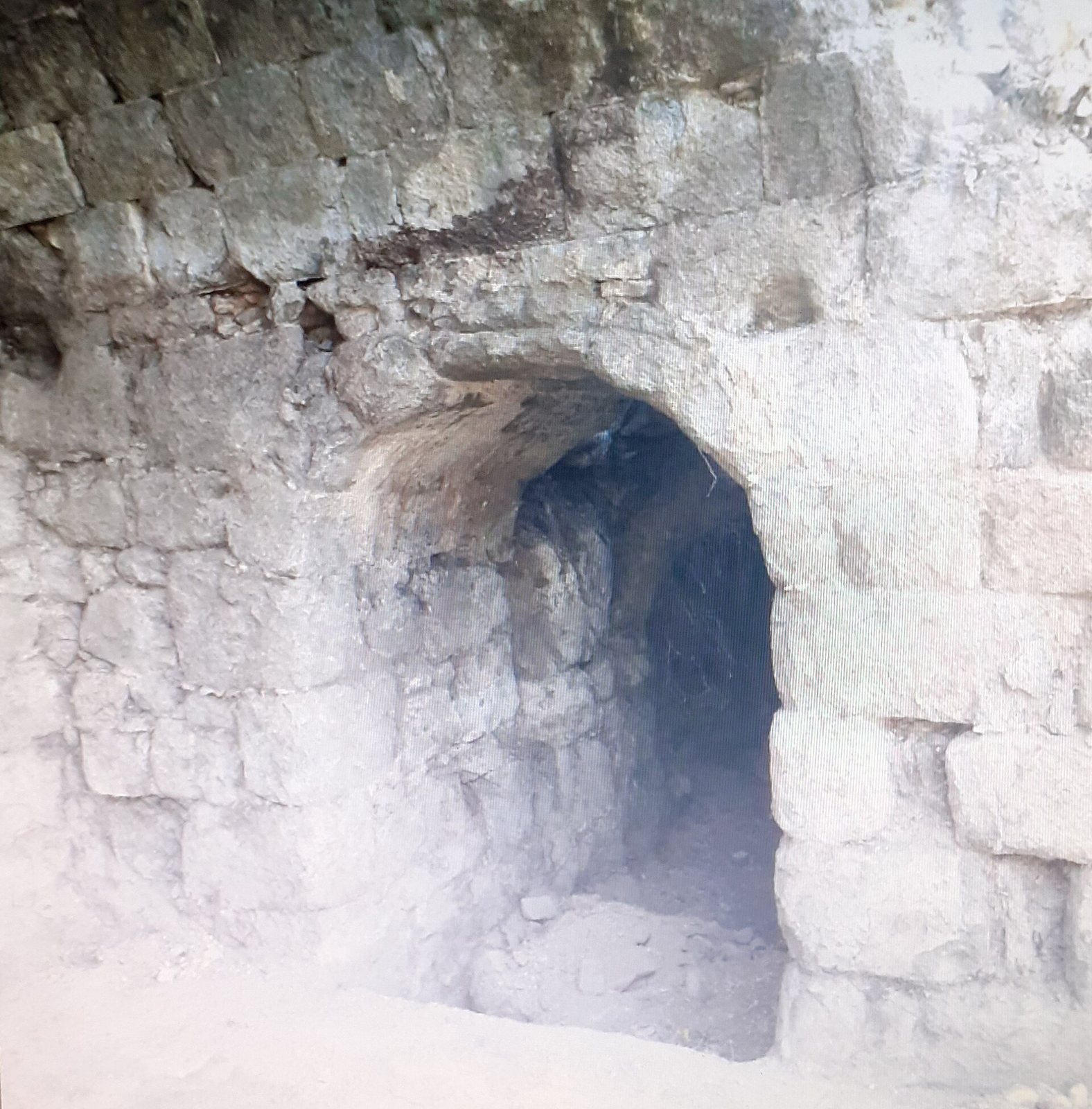
Within the fortress are the remains of a ruined building with a paved floor. An underground passage leads from the fortress to a water source.