Sugiyama Castle: A Sengoku-Period Mountain Castle in Saitama, Japan
Site at a Glance
- Country
- Japan
- Primary era
- Medieval
- Eras represented
- Medieval, Early Modern
- Civilizations
- Unclassified
- Site type
- Military
- Remains
- Castle
History
Sugiyama Castle, also known as Makino Castle, is a ruined mountain castle in Ranzan, Saitama Prefecture, Japan. Its construction is generally dated to the late 15th or early 16th century, during the Sengoku period, an era of prolonged conflict among Japan’s regional powers. The castle’s builder and early history remain uncertain.
The castle was once attributed to the Later Hōjō, a samurai clan that held power in eastern Japan. That attribution has been questioned because the clan’s castles generally had much larger defensive works. The Uesugi, a rival samurai clan in eastern Japan, has also been proposed as a possible builder. Sugiyama Castle was abandoned sometime in the mid-16th century.
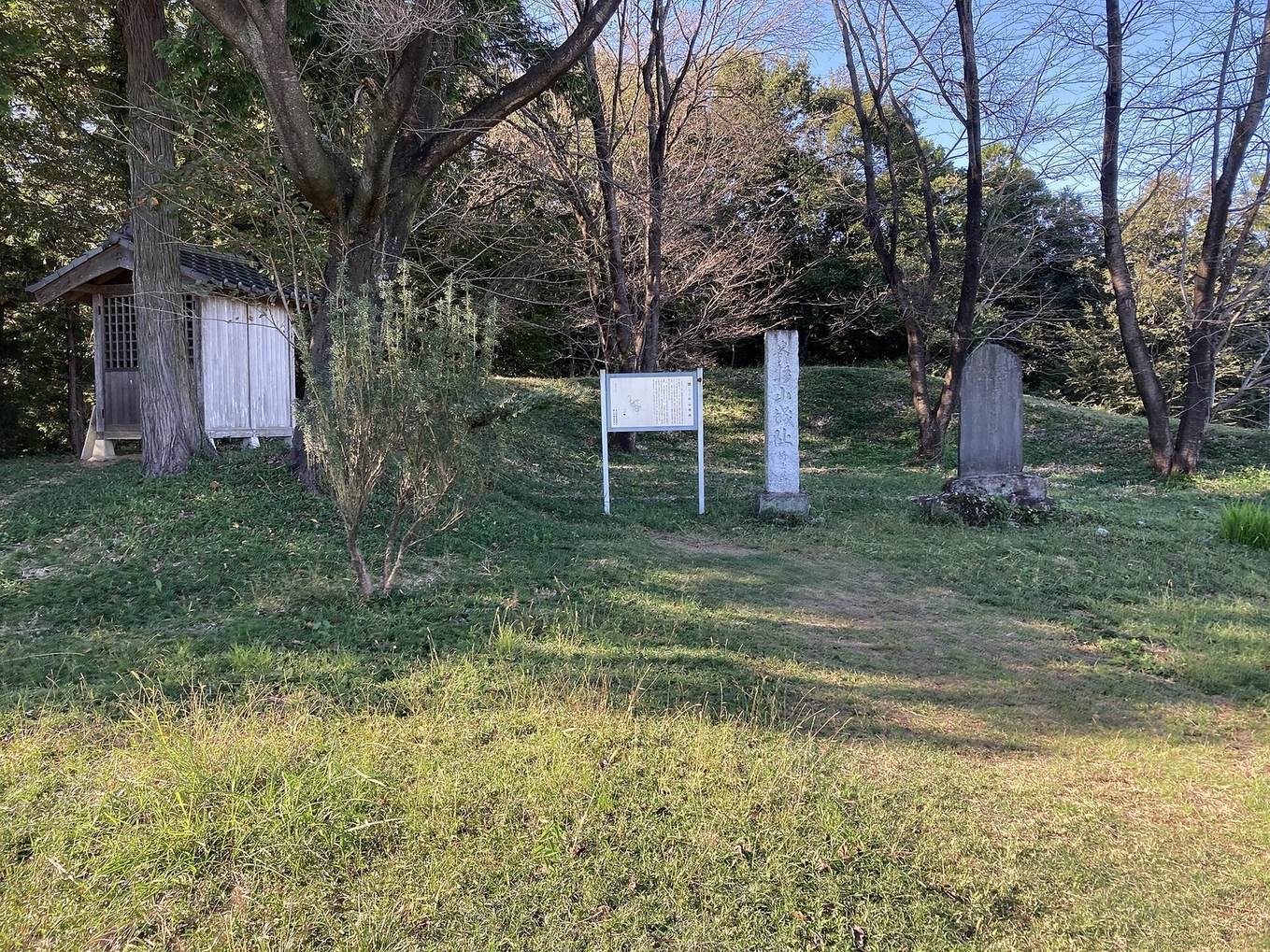
In 2008, the ruins received Japan’s National Historic Site designation, which recognizes places of historical importance. They were also included among Saitama’s four Hiki Fortified Residence Sites, a group of historic castles and fortified residences.
Remains
Ridge Layout and Defenses
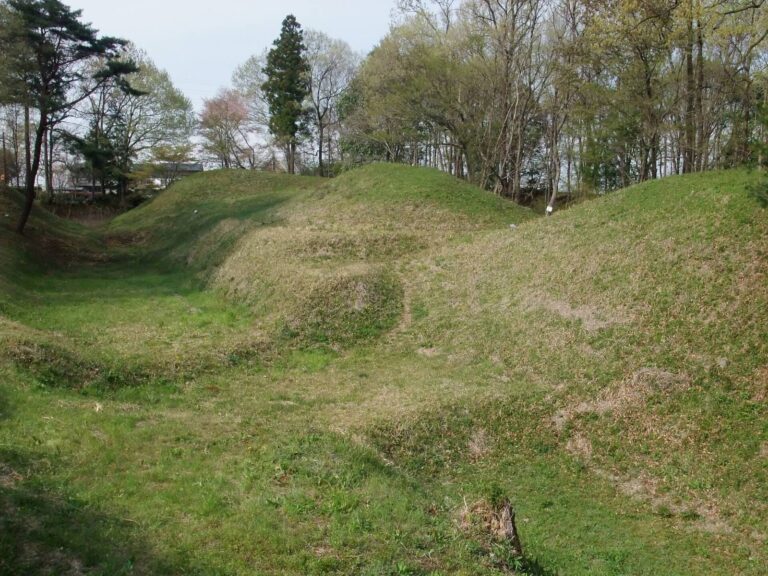
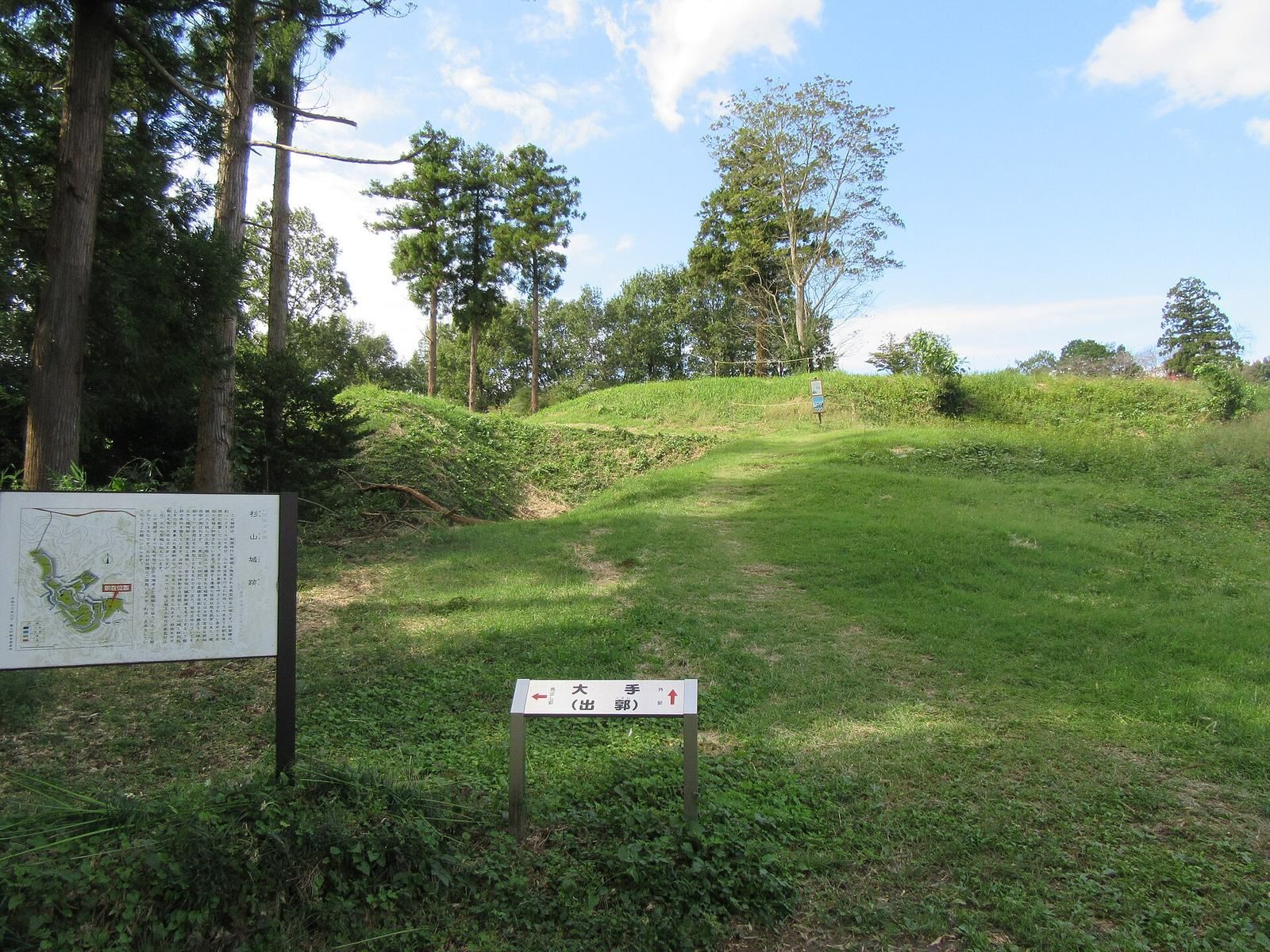
The ruins extend along a long, narrow ridge on a hill near the boundary between the Kantō Plain and the Chichibu Mountains. The castle also lies along a highway connecting Hachigata Castle in northwestern Saitama with Musashi-Matsuyama Castle. Its enclosures occupy different levels of the ridge, separated by clay ramparts and dry moats.
Narrow, winding paths link the enclosures, with many dead ends built into their layout. These routes were intended to confuse attackers while allowing defenders positioned above to fire from multiple angles. The site survives as ruins.