Fort Frederick, Kingston: A War of 1812 Fort and Martello Tower
Site at a Glance
- Country
- Canada
- Primary era
- Modern
- Eras represented
- Modern
- Civilizations
- British
- Site type
- Military
- Remains
- Fort
On this page10 sections
History
War of 1812
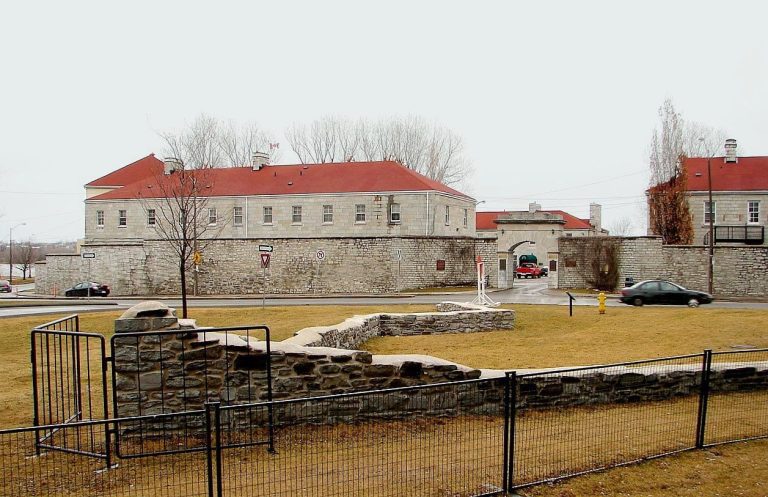
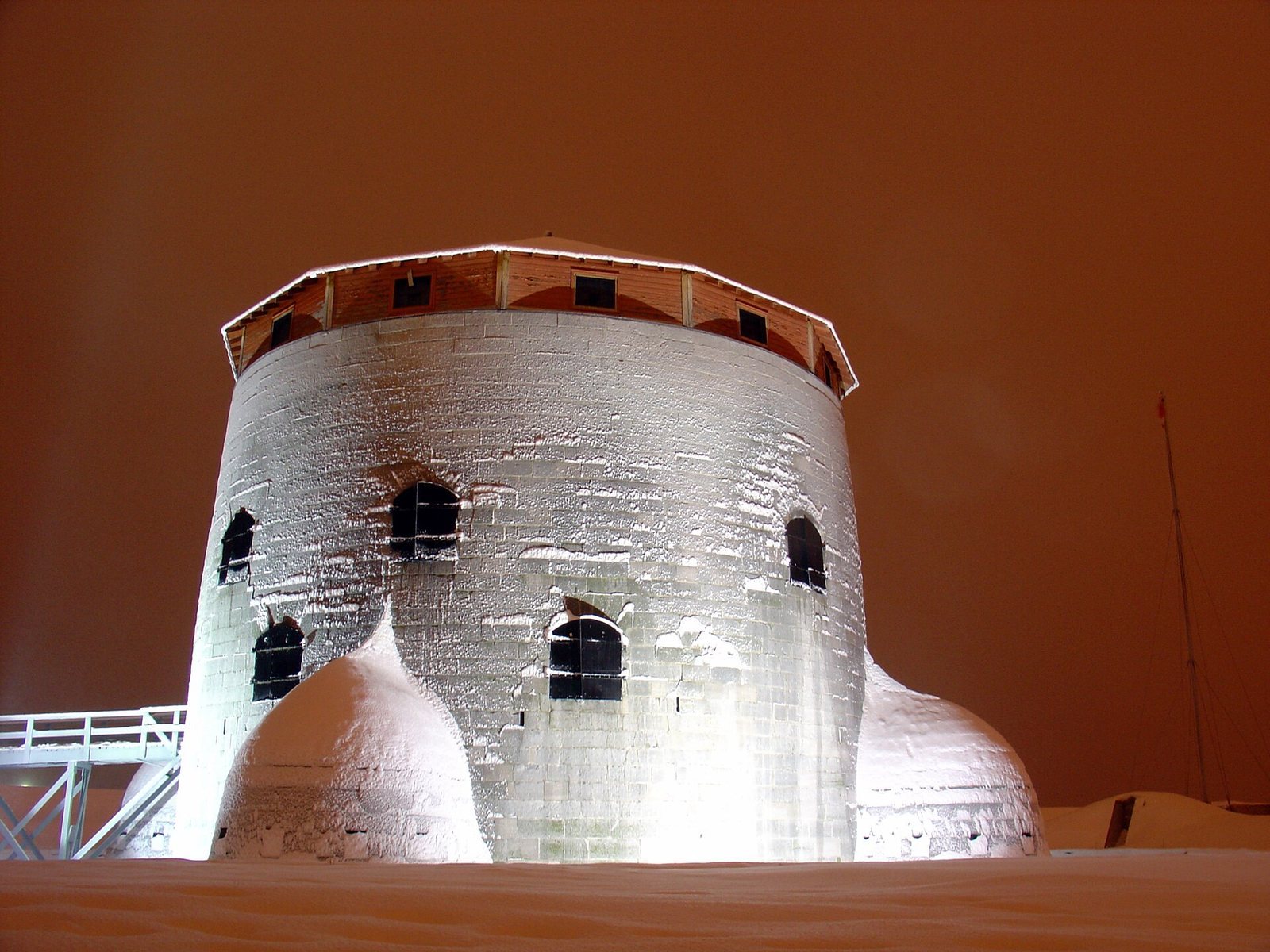
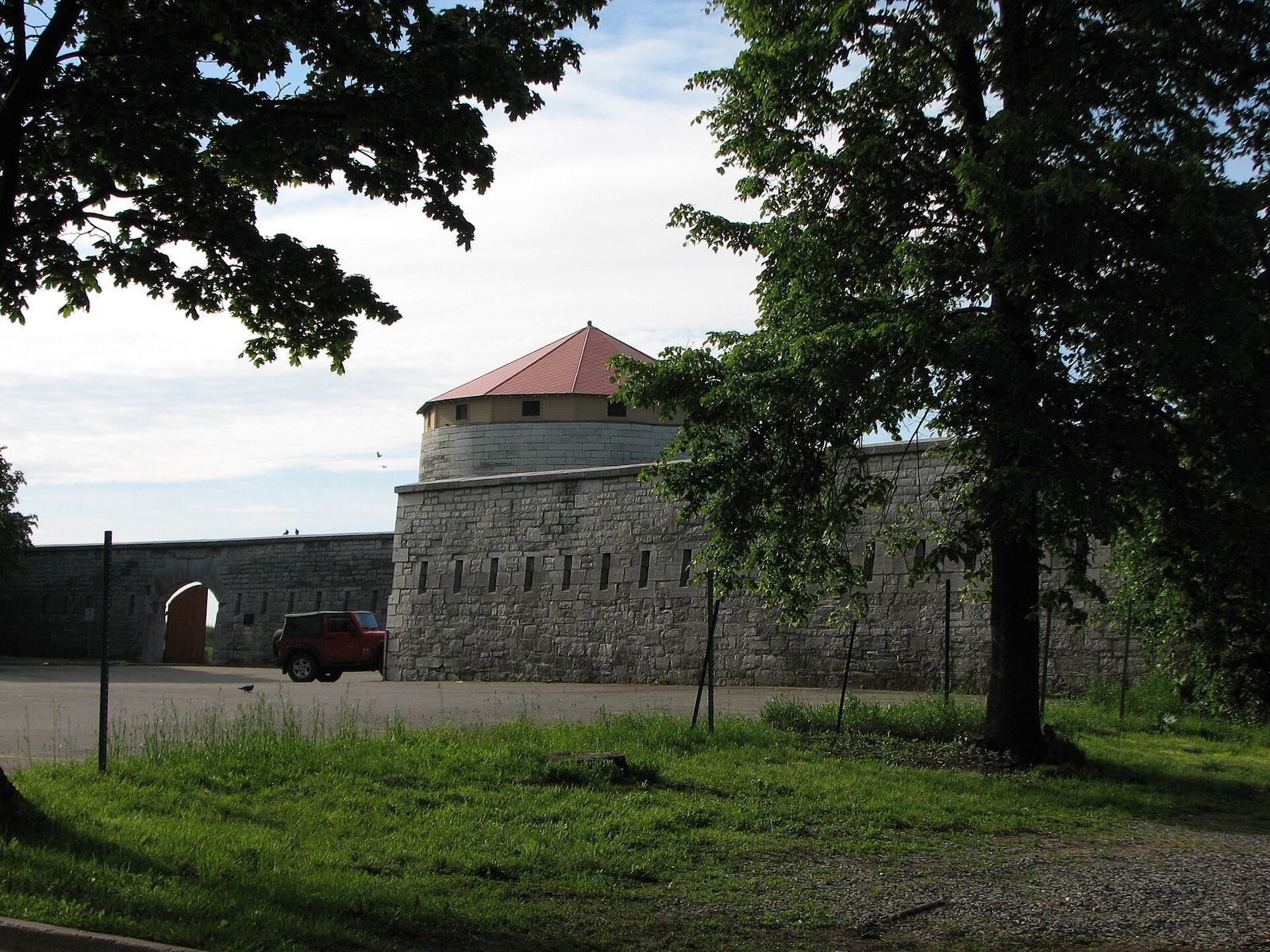
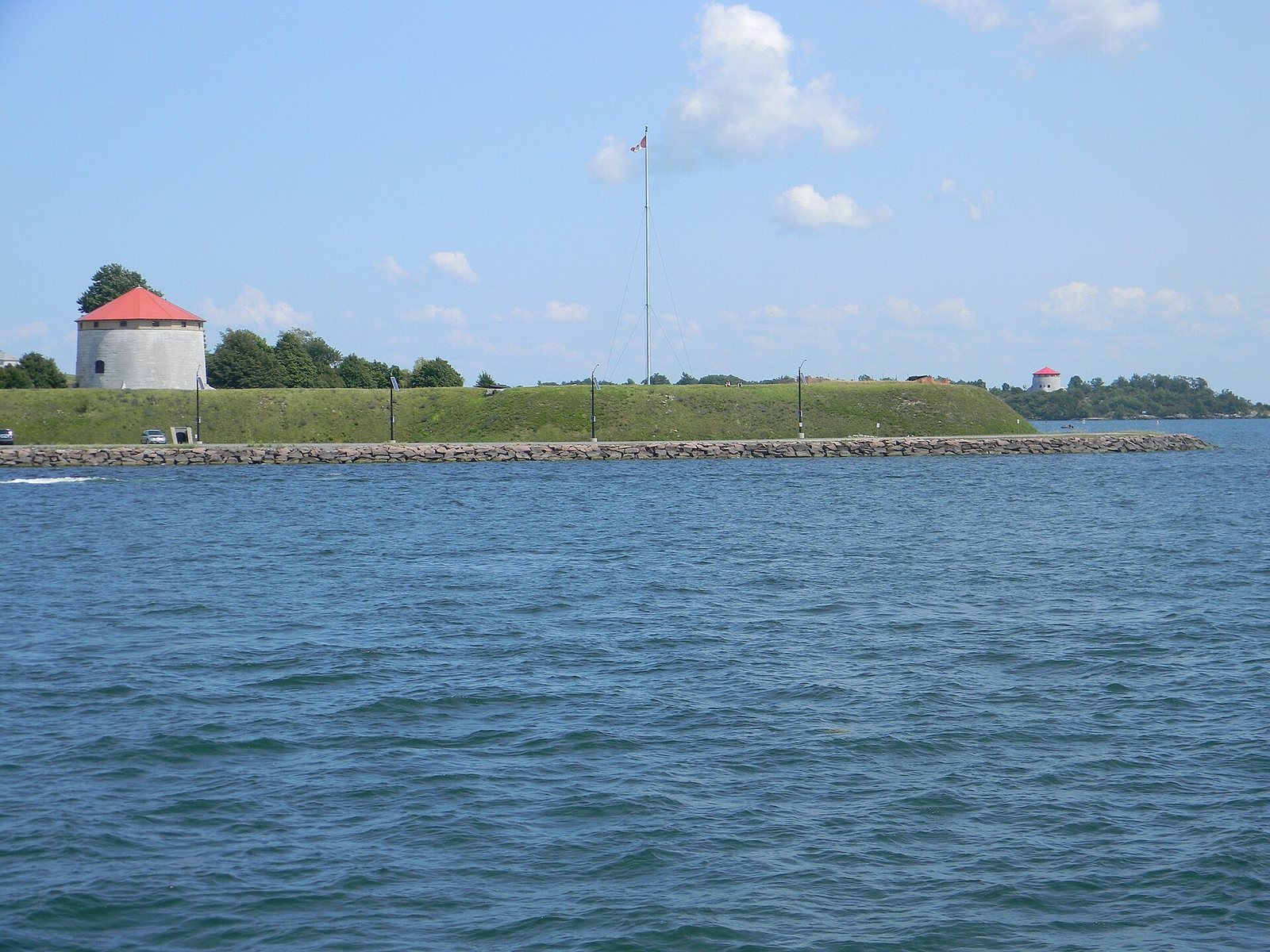
Fort Frederick is a military fort at Point Frederick in Kingston, Ontario, Canada, first built during the War of 1812 as earthworks, defensive structures formed from shaped or piled earth, and strengthened in 1846 with a stone Martello tower, a compact coastal defensive structure. The War of 1812 was fought between the United States and Britain and its colonies. On November 10, 1812, the fort’s guns helped repel an American naval squadron led by Commodore Isaac Chauncey during the Battle of Kingston Harbour.
Fort Frederick and Point Frederick were named for Frederick, Prince of Wales, the eldest son of King George II and heir to the British throne. He died before becoming king. The fort occupied the southern end of the point, on the site of Kingston Royal Naval Dockyard.
Kingston’s Nineteenth-Century Defences
The Martello tower formed part of a group of four stone towers built during the Oregon boundary dispute, a territorial disagreement between Britain and the United States settled in 1846. The towers strengthened Kingston’s defenses against possible American attack and protected the shipyard and the entrances to the Rideau Canal and St. Lawrence River. The other three were Cathcart, Murney, and Shoal towers.
Royal Military College
During Archibald Macdonnell’s tenure as commandant of the Royal Military College of Canada (RMC), a Canadian military university that educates and trains officers, from 1909 to 1919, the tower’s upper floors served as a common room. After senior cadets rolled cannonballs down its stairs, the space was reassigned to recruits. The fort also offered officer cadets a place to relax on equal terms.
Heritage Recognition
Fort Frederick is included in Kingston Fortifications and Point Frederick National Historic Sites of Canada, a formal recognition of national historical importance. It is also part of the Rideau Canal UNESCO World Heritage Site, inscribed in 2007 in recognition of its outstanding universal value.
Remains
Enclosure and Tower
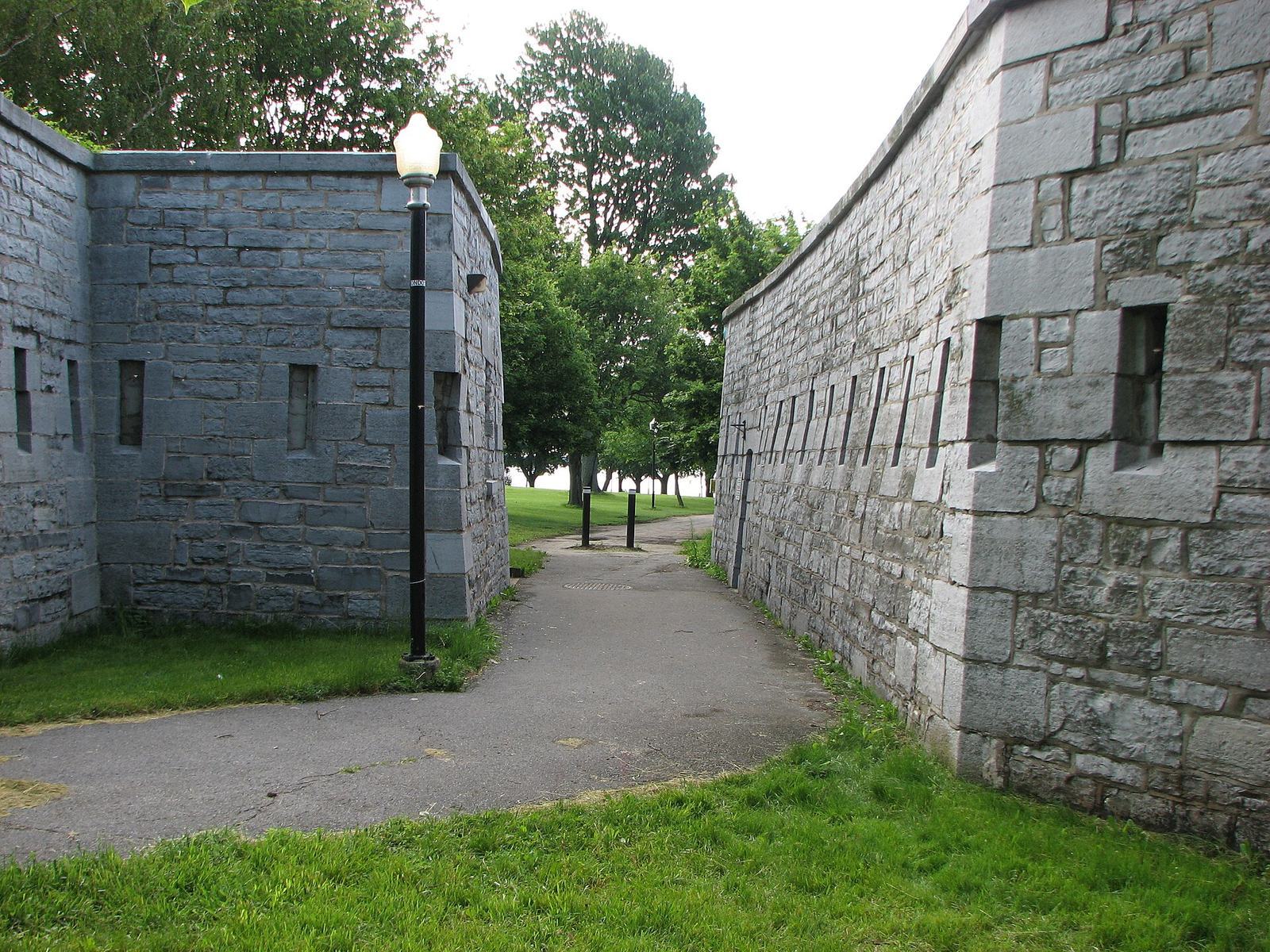
On the grounds of RMC, an earthwork enclosure surrounds a stone tower. The layout combines an outer defense formed from earth with a compact masonry structure.
Earthwork enclosure
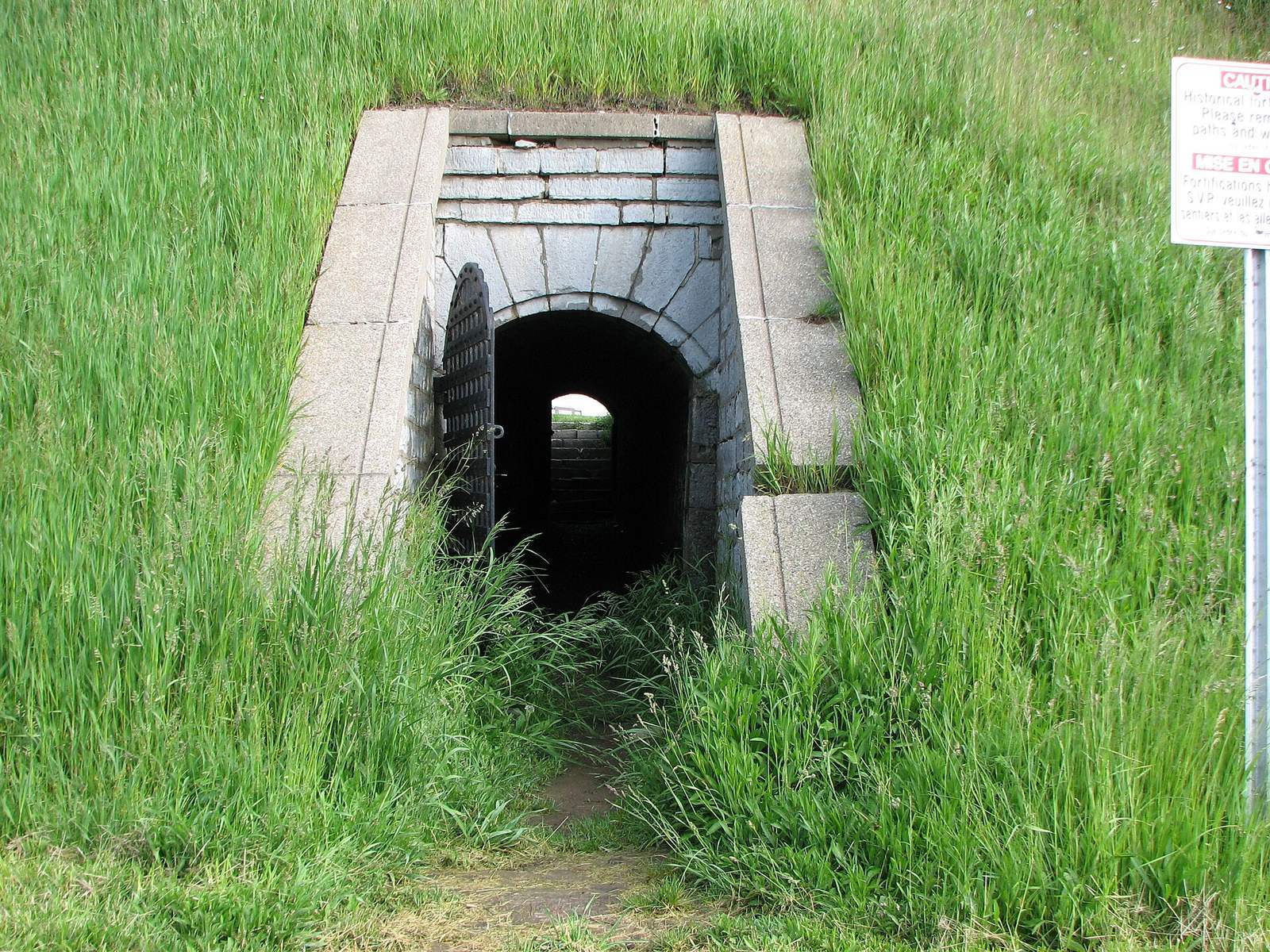
The enclosure surrounds the tower and defines the fort’s outer defensive boundary. Its earthworks are formed from shaped or piled earth.
Martello tower
The tower is built of stone, and its exterior wall measures 5 feet 6 inches thick. Alexander Mackenzie, a foreman during its construction who later became Canada’s second prime minister, surprised commandant Colonel de la C. T. Irwin during an unannounced visit to consider a site for a new military college. Mackenzie said he knew the wall’s thickness because he had built the tower. The building houses the RMC Museum.
Gates and plaque
Wooden gates associated with the fort were provided by the RMC class of 1931. A plaque installed in 1971 commemorates the fort’s use as a refuge for recruits.