Museum of the Great War: A First World War Museum in Péronne
Site at a Glance
- Country
- France
- Primary era
- Modern
- Eras represented
- Modern
- Civilizations
- Austria-Hungary, British, French, German, Habsburg
- Site type
- Museum
On this page16 sections
History
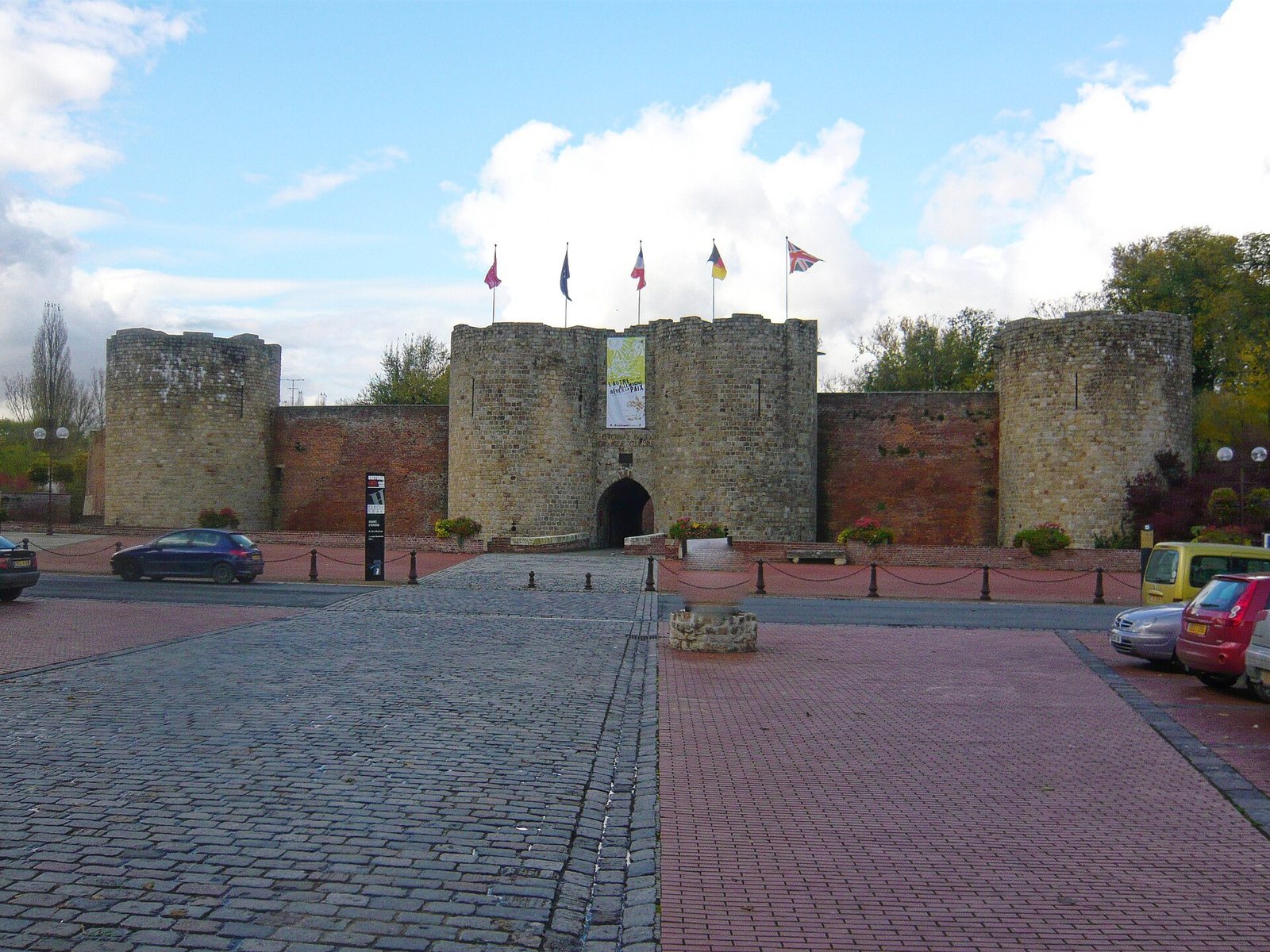
The Museum of the Great War, formally known as the Historial de la Grande Guerre, is a First World War museum in Péronne, northern France. It occupies the courtyard of the fifteenth-century Château de Péronne and presents the war’s history and human consequences to a broad public.
Péronne and the Somme fighting
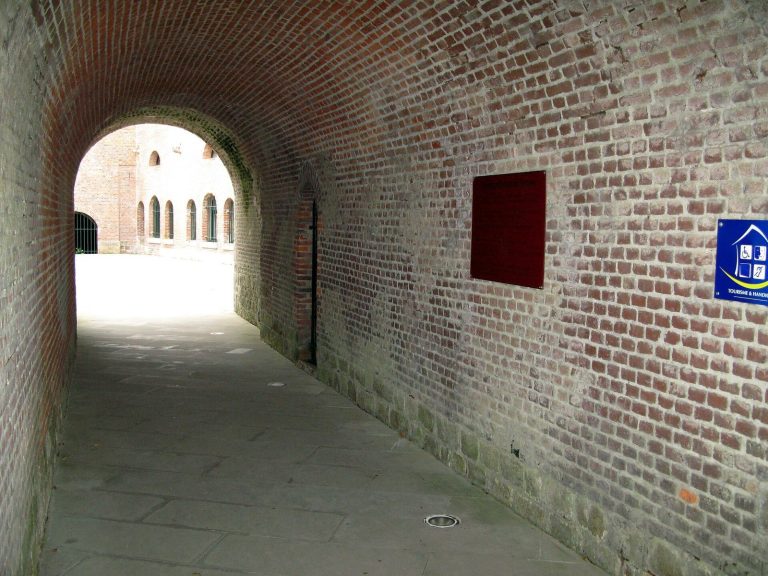
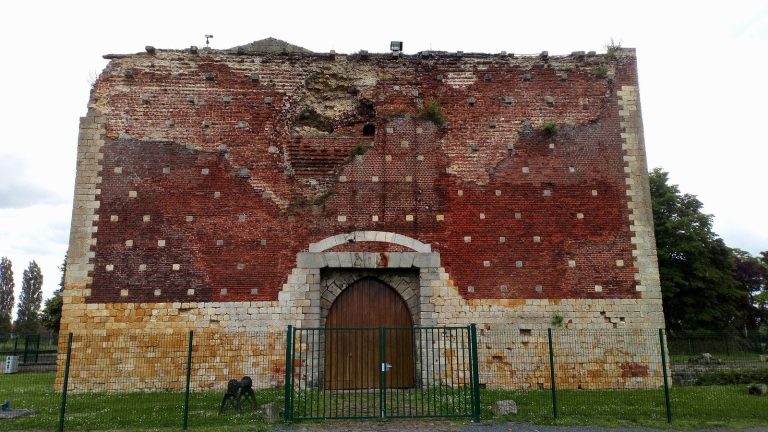
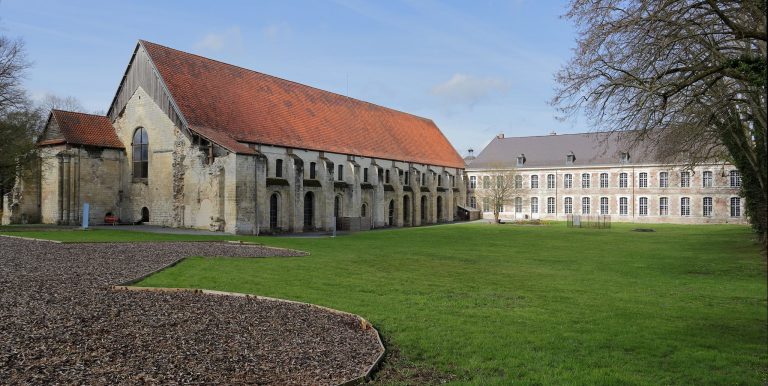
The château has a history reaching back before the museum: in 1468, Louis XI, king of France, met Charles the Bold, duke of Burgundy, there. During the First World War, German forces occupied Péronne, and the town was almost entirely destroyed. In 1924, the château’s three towers and its connecting defensive walls were classified as historic monuments.
The setting is also associated with the Somme battle, fought west of Péronne for roughly five months, from July to November 1916. The fighting caused about 420,000 British, 204,000 French, and 465,000 German casualties, including people killed, missing, wounded, or captured. Across the nationalities involved, more than a million people became casualties, with over 400,000 killed or missing. After a week of bombardment, the British attack on 1 July resulted in 57,470 casualties, including 19,240 deaths. It remains the bloodiest day in British military history.
Creation of the museum and research centre
The Somme departmental council, led by its president Max Lejeune, proposed the museum in 1986. Battlefield memorials attracted families, veterans, and other visitors, but the region lacked a major institution that could explain the First World War to a general audience. In 1987, architect Henri-Édouard Ciriani won the design competition. Historians Jean-Jacques Becker and Jay Winter led the scholarly advisory group and helped secure an international research centre as part of the project.
The museum took shape between the 1987 competition and its opening in 1992, and was officially inaugurated on 1 August that year. Its name, “Historial,” joins the ideas of history and memorial, reflecting its educational and commemorative purposes. Historians consulted from 1988 onward established an independent international research centre in 1989. It continued its work after the museum opened, supporting First World War research and contributing to changes in the way the war was studied.
Interpretation and later development
The museum considers the war through the experiences of people and societies, comparing Germany, France, Britain, and their allies. Its account includes soldiers and civilians, prisoners, and people living under occupation or forced to leave their homes. It addresses the conflict’s causes and consequences as well as military events. The institution also serves as a documentation centre.
The museum helped establish the Somme Circuit of Remembrance, a commemorative route connecting Péronne, occupied by German forces during the war, with Albert, where British troops were based. Its signs use the poppy, a symbol of British remembrance, and the route links museums, memorials, battlefield remains, cemeteries, and other places of remembrance.
Several galleries were reorganized from 2014 to 2018 in preparation for the centenary of the Somme battle. In 2014, part of the museum park was redesigned as the Sixth Continent Garden by landscape designer Gilles Clément. On 1 June 2016, the museum opened a second institution at Thiepval, beneath the Thiepval Memorial, focused on the Somme battles, particularly the 1916 offensive.
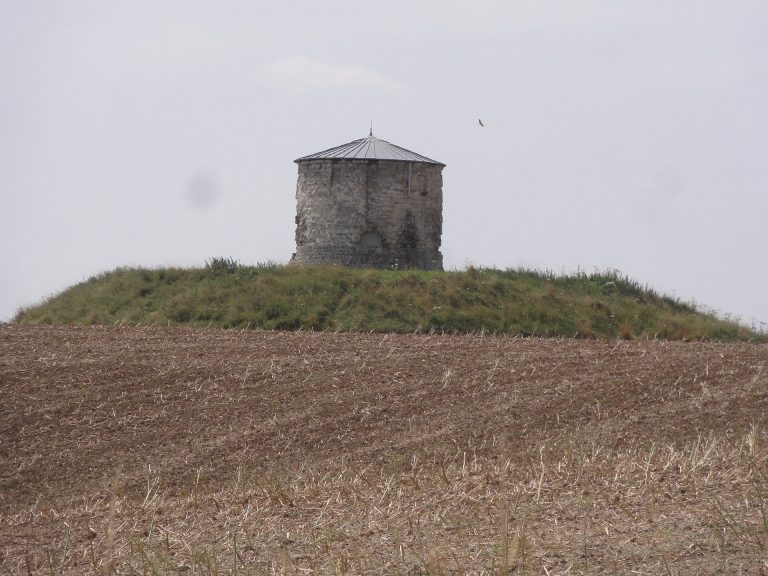
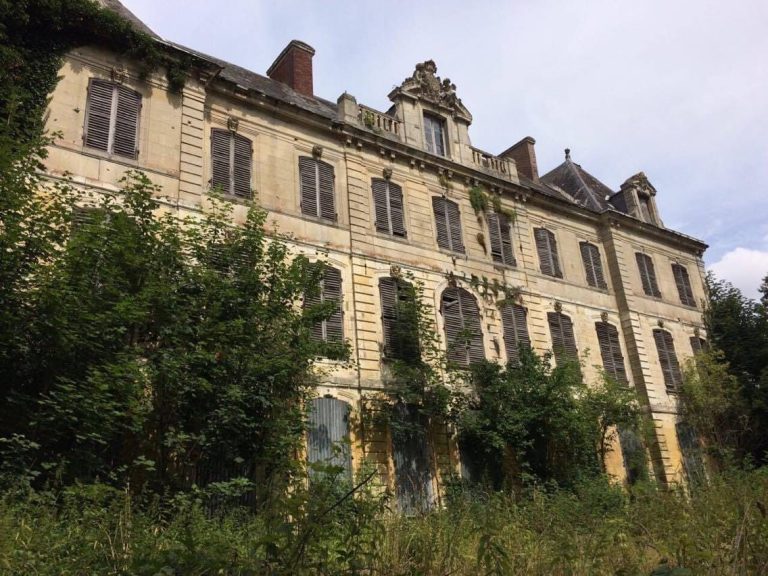
Remains
Architecture and layout
Building in the château courtyard
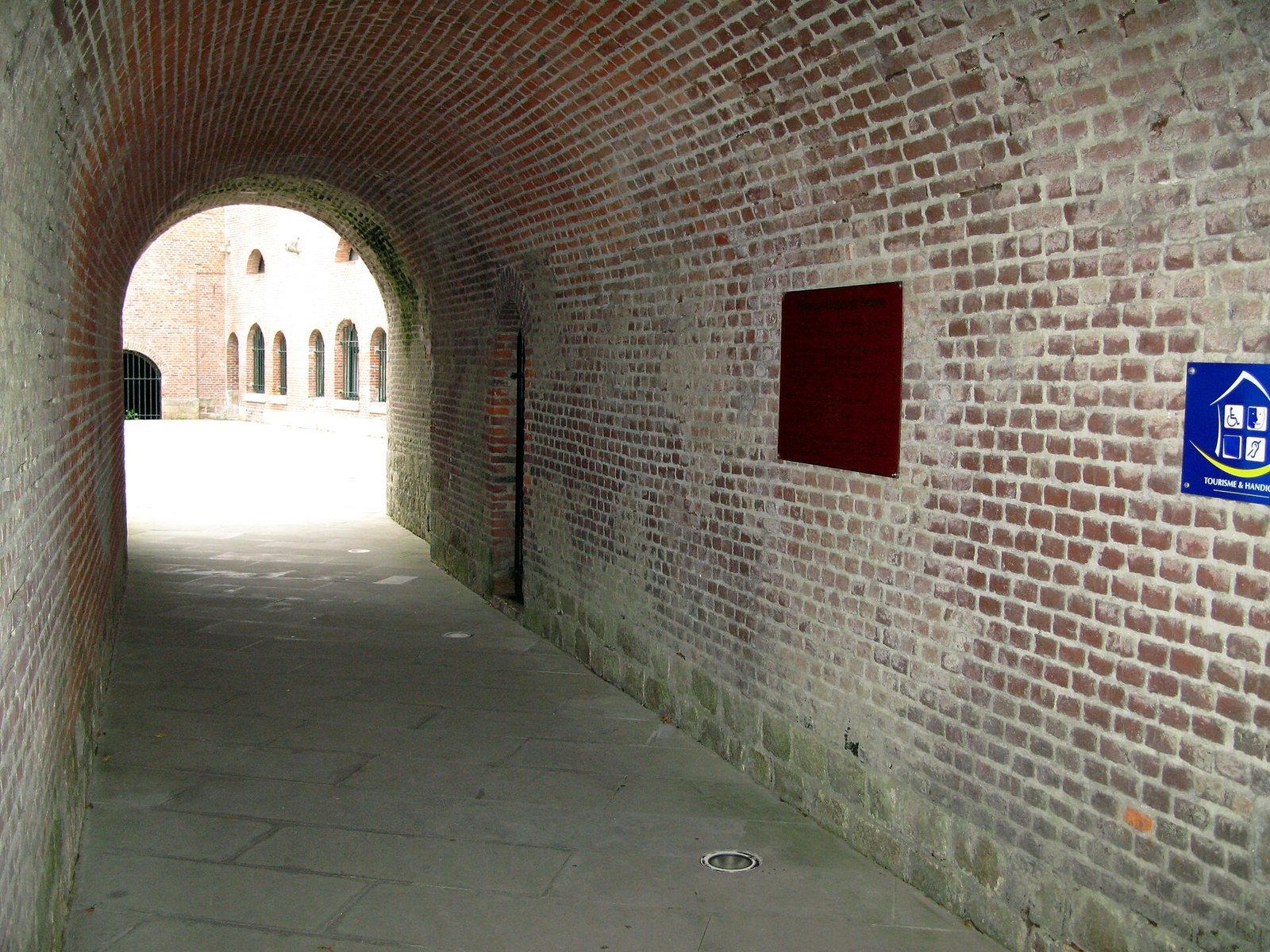
Ciriani’s modern, single-storey museum is integrated into the courtyard of the medieval château. Its white concrete was chosen to recall the region’s chalk and to contrast with the château’s brick walls. Part of the building extends over the grounds’ pond on slender supports, some of which reach into the water. Large windows incorporate views of the pond, park, and lawns into the building, while openings facing the park bring in natural light. Light reflected from the brickwork also reaches the exhibition rooms.
Exhibition route
The exhibition occupies about 2,200 square metres. Its route forms an oval through five rooms, with an audiovisual room added to the circuit; the central room connects with the other four. The museum and its associated research and documentation centre together occupy 4,236 square metres.
Collections and galleries
Comparative displays
Assembled from 1987 through gifts and purchases, the collections contain more than 50,000 objects, including military and civilian items, artworks, photographs, and films. Trench-made crafts and uniforms appear alongside everyday possessions such as a candy tin. Objects associated with the front are arranged in recessed floor displays, including a white-marble pit for each of the three nationalities. In the second and third rooms, these displays contain uniforms, weapons, and equipment, while personal belongings and soldiers’ crafts add individual perspectives. Civilian collections occupy wall cases set in three levels, separating home-front and battlefield material while keeping the national collections available for comparison.
Before the war and the central room
The pre-war gallery uses maps of Europe, including material on the political situation in Alsace-Lorraine, to present European alliances and naval competition. Its displays include a German colonial clock, technological objects from German companies, designs by architect and designer Peter Behrens, models of German and French classrooms, and civilian possessions from Germany, France, and Britain. In the central gallery, suspended panels show photographs of unidentified people taken before 1914. Cases behind them contain German artist Otto Dix’s fifty etchings, prints made from images cut into plates, in his 1924 series Der Krieg (The War).
The 1914–1916 gallery
Newspapers from Britain, France, and Germany, film displays, mourning clothes, toys, letters, field postcards, memorial plaques, and artworks trace the early war years. A large wooden sign bears the words “Don’t get annoyed, just be amazed!” German forces hung it at Péronne’s town hall during their retreat; British shells had destroyed the building. Recessed floor displays present uniforms and equipment without mannequins, including helmets, belts, spades, hatchets, knives, bayonets, grenades, canteens, and ammunition. The British display also includes a tea case with porcelain cups.
The 1916–1918 gallery
This gallery explores total war, a conflict that mobilizes civilian society and resources as well as armed forces, and its effects on civilian life. Posters call for bones and fruit stones to be collected for reuse, while a German appeal urges people to grow more potatoes. Caricatures portray Wilhelm II, the last German emperor, on a cross, Franz Joseph I, emperor of Austria-Hungary, on a gallows, and the German crown prince, heir to the throne, as a dwarf. Paper cut-outs depict women’s wartime activities.
Floor recesses shaped to represent shell craters display machine guns, mortars used in trenches, small guns, anti-tank weapons, and grenades. Other objects include gas masks, mechanical protective devices, and a complete surgical kit belonging to a French field surgeon. Films show the first tanks, including the Saint-Chamond type, which served during the war. Large guns and aircraft appear in models or images.
Post-war gallery
Displays address returning soldiers, political conflict in Germany, and commemoration. A poster warns against the Spartacist League, a German revolutionary socialist movement active after the war. Film shows people disabled by the fighting using newly developed prostheses. Spades, helmets, and knives recovered from former battlefields are presented untreated.
Captivity and children
Two permanent specialist displays consider captivity and the use of images of children during the war. The captivity display gives figures of 500,000 French and 160,000 British prisoners of war, and 85,000 German prisoners in June 1916. Including displaced and detained civilians, its total reaches 6.6 million. It also addresses inadequate food, widespread illness, and compulsory hard labour. The children’s display examines their appearance in recruitment posters and propaganda, patriotic teaching in schoolbooks, and the military character of some toys.
Films and documentary holdings
The audiovisual room screens En Somme, a thirty-minute film by historian Laurent Veray combining archive footage with soldiers’ testimony from Germany, Britain, and France. The documentation centre provides access to archival documents, photographs, maps, postcards, books, brochures, bound press volumes, and a collections database. Its holdings include about 2,700 historical photographs and seventy hours of filmed archives. Maps and orientation tables provide geographical and historical reference points elsewhere in the galleries; video stations show period films, and articulated panels display work by soldier-artists. Drawings, watercolours, paintings, prints, archive-film excerpts, and passages from war literature and poetry also form part of the displays.