Château Soubiran: A Château Converted into a Town Hall
Site at a Glance
- Country
- France
- Primary era
- Modern
- Eras represented
- Modern
- Civilizations
- French
- Site type
- Civic
- Remains
- Town Hall
On this page4 sections
History
Origins and nineteenth-century uses
Château Soubiran in Dammarie-lès-Lys, France, was commissioned by physician Jean Soubiran and completed around 1850 in the Louis XIII style, named for the French king who reigned from 1610 to 1643. It was first known as Château du Bas-Bouillant.
After French President Sadi Carnot was assassinated in 1894, his daughter Claire was cared for at the château for several months. A farm was established in the park in 1899. It remained in the same family for many years and passed to Eugène Soubiran in 1908.
Municipal use
In 2023, following substantial population growth, the town council, led by Mayor Gilles Battail, selected the château as the town’s new town hall. It was converted for municipal use in November of that year.
Remains
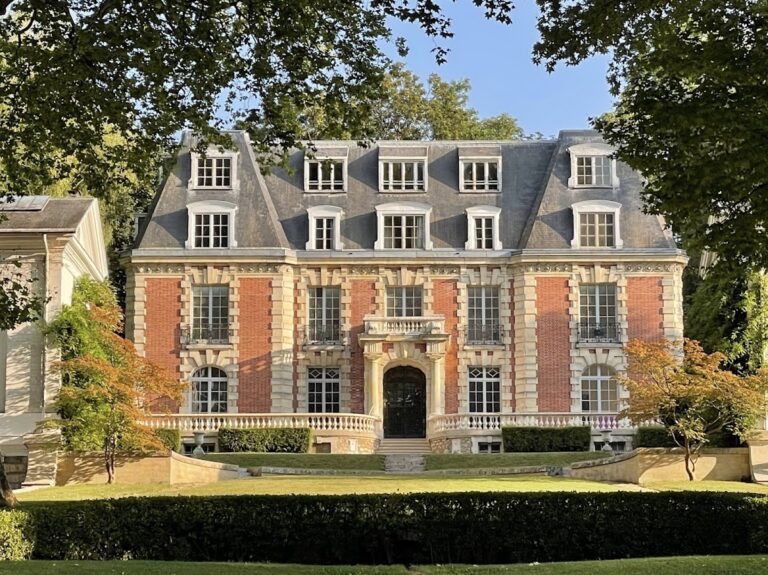
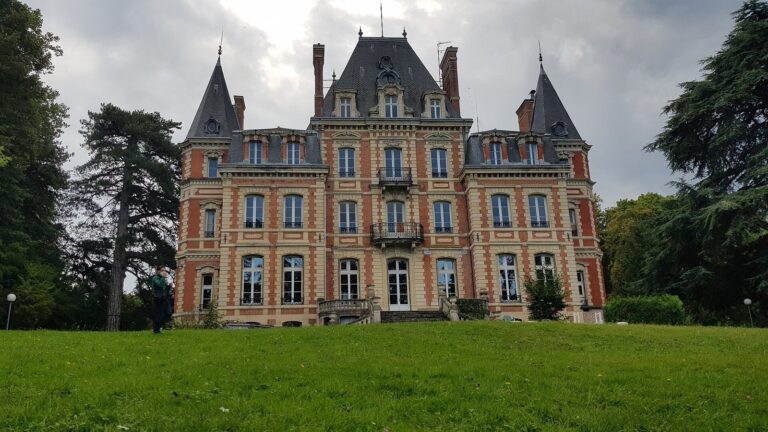
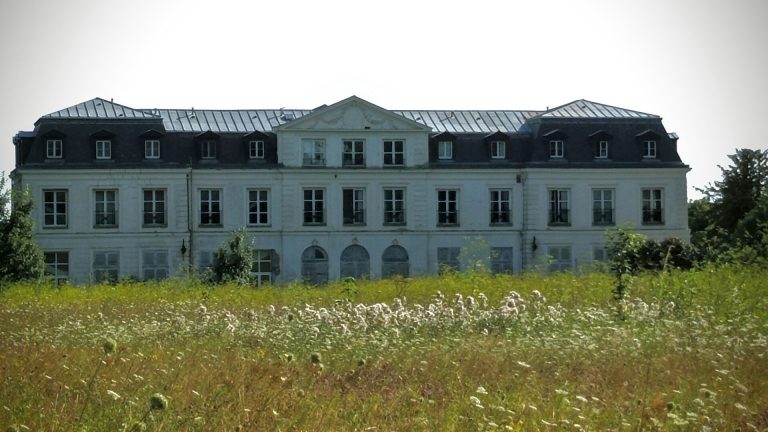
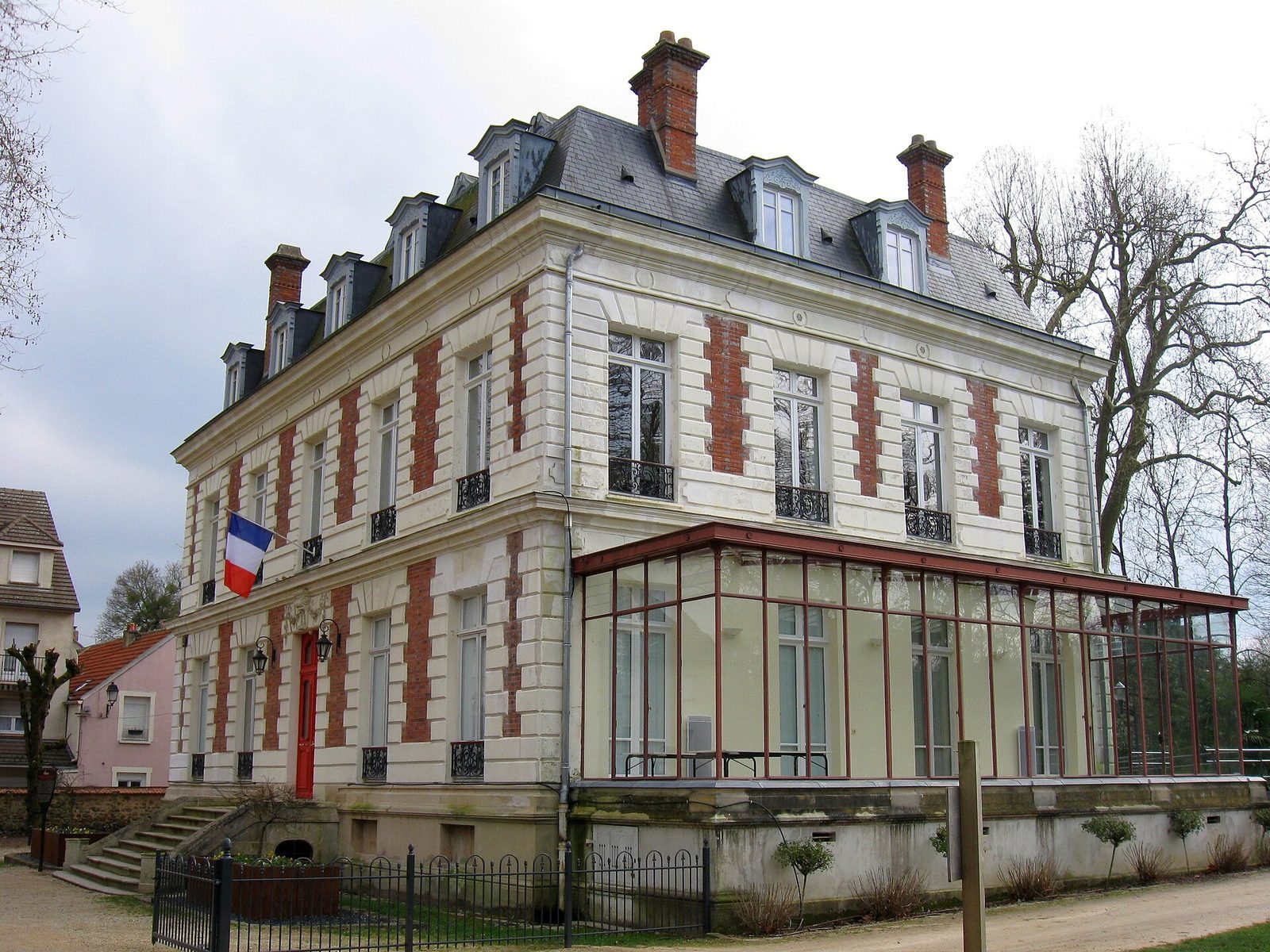
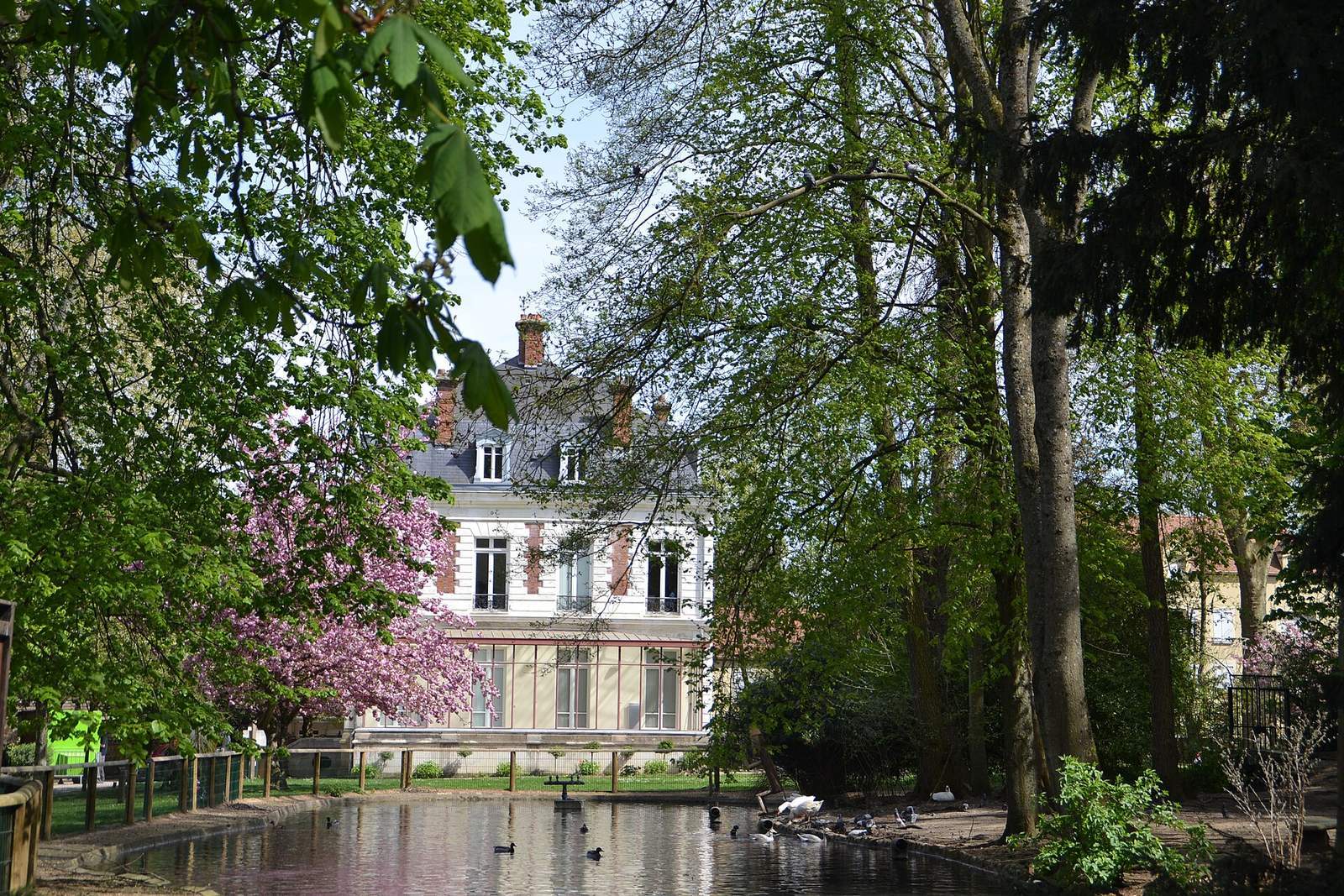
The château is built of red brick with stone finishings. Its main frontage is symmetrical, with five sections arranged around a central entrance. Steps lead to a square-headed doorway on the ground floor, and a side-hinged casement window sits directly above it on the first floor. The other sections have similarly arranged windows, while dormer windows project from the roof.
A large park surrounds the château, and a farm was established within it in 1899.