Stjärnorp Church: A Castle Chapel and Parish Church in Sweden
Site at a Glance
- Country
- Sweden
- Primary era
- Early Modern
- Eras represented
- Early Modern, Modern
- Civilizations
- Swedish
- Site type
- Religious
- Remains
- Church
On this page14 sections
History
Castle chapel
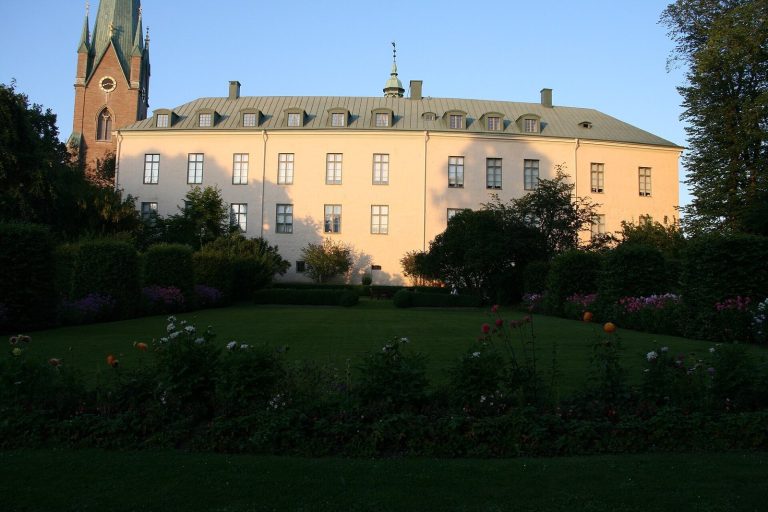
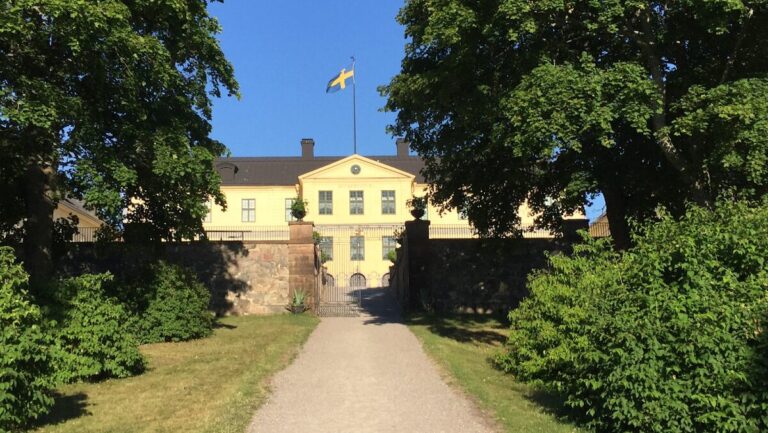
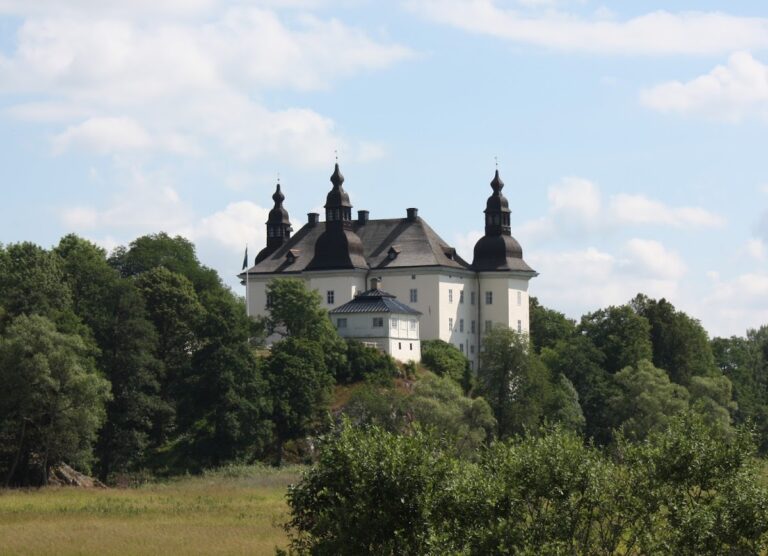
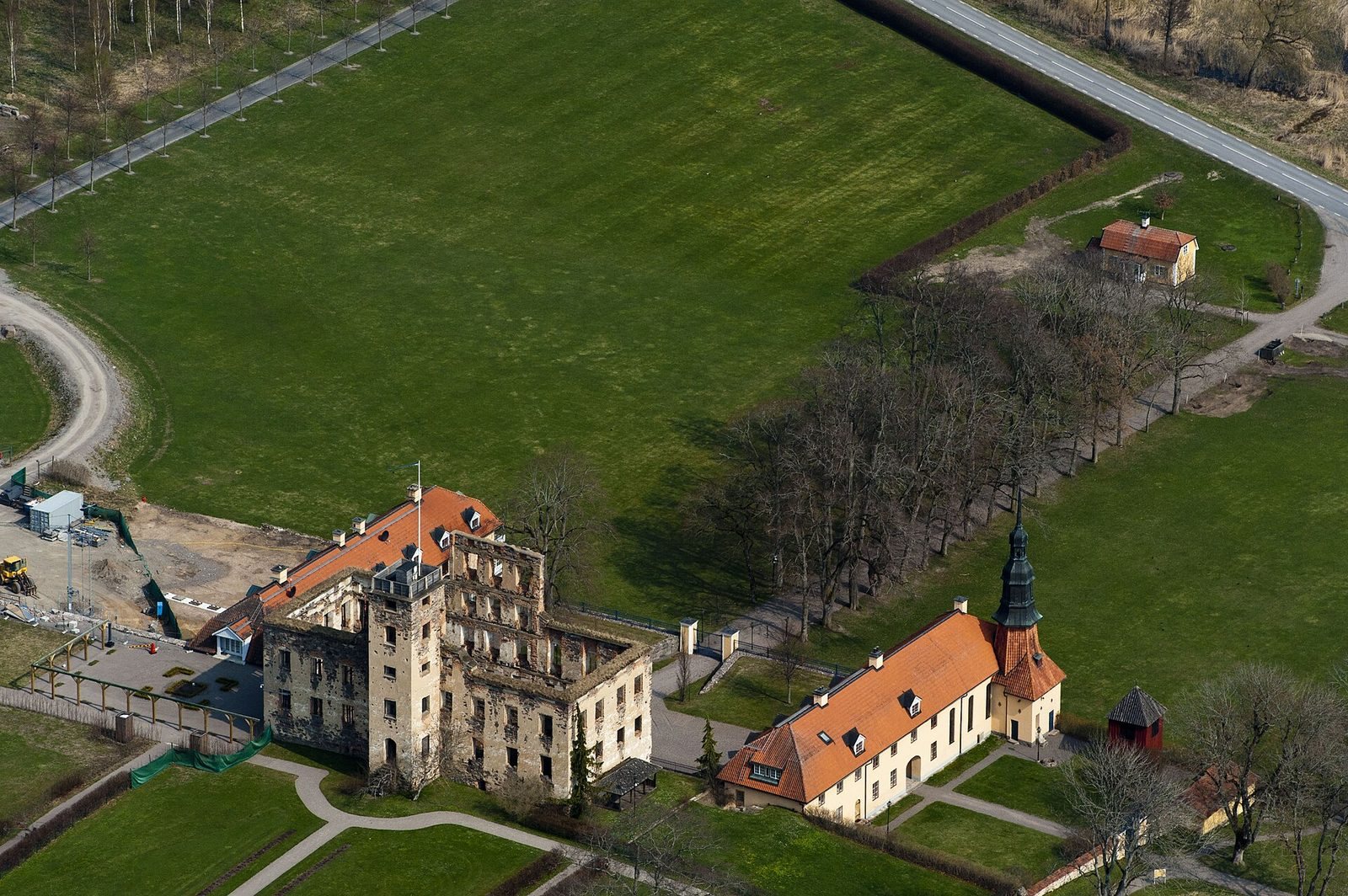
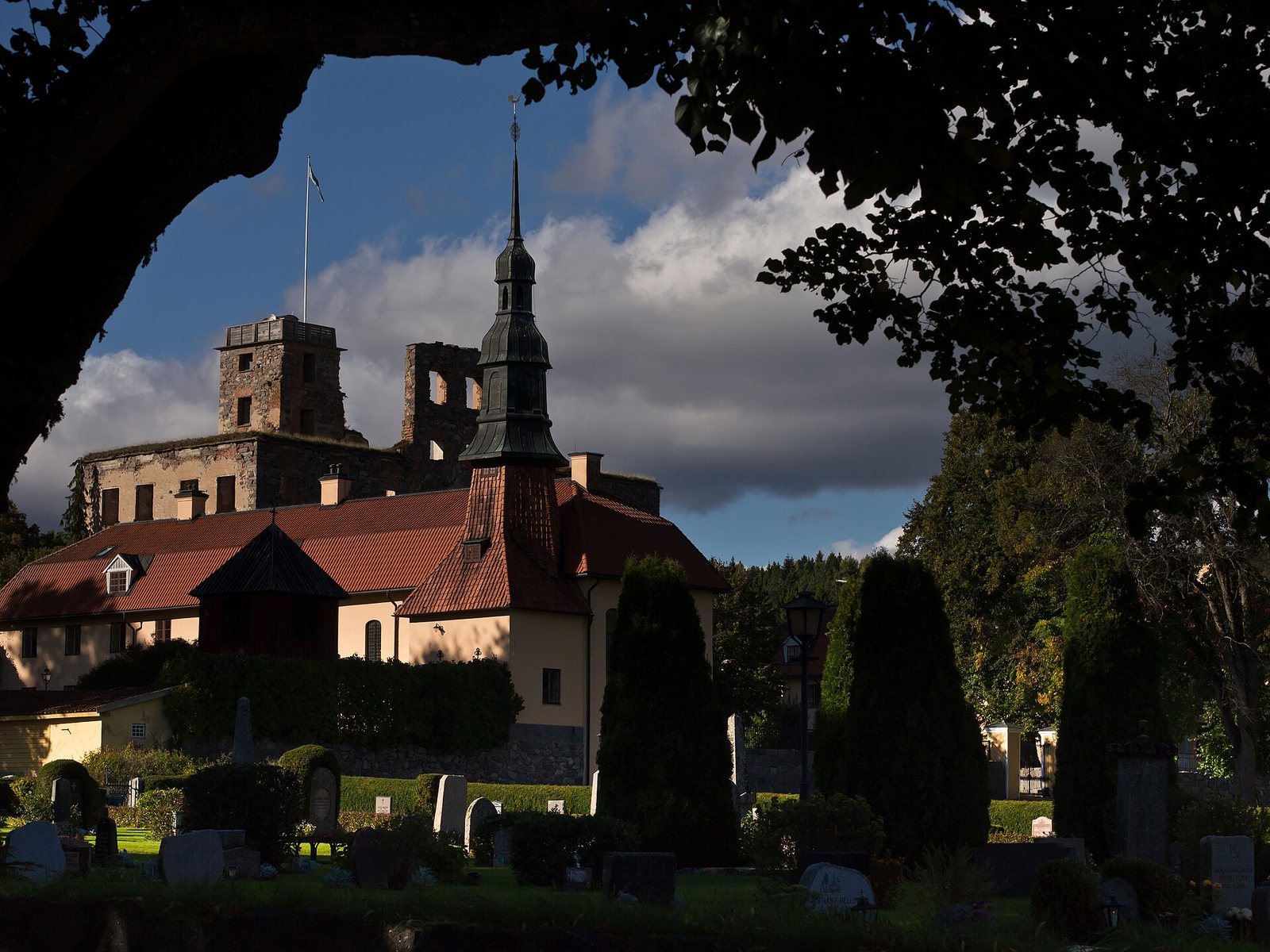
Stjärnorp Church, in Vreta Kloster, Sweden, is a parish church housed in the south wing of Stjärnorp Castle. Field Marshal Robert Douglas, a Scottish-born military officer in Swedish service, built the castle between 1658 and 1661. The chapel was consecrated in 1661 and served as the castle’s court chapel, a place of worship for the noble household.
By the mid-18th century, people from the surrounding wooded district who lived far from their parish church were allowed to attend services in the chapel on Sundays and feast days. Attendance required the consent of both the castle’s lord and the clergy.
Rebuilding and parish use
A fire on 12 May 1789 destroyed the castle and its chapel. Local residents wanted the chapel rebuilt quickly, and it was reconsecrated in October that year by Carl Petter Aschan, a hospital preacher.
In 1810, the chapel became the church of Stjärnorp parish. It now serves Vreta kloster parish in the Diocese of Linköping; it formerly belonged to Stjärnorp parish.
Twentieth-century changes
In 1914, the church received an Art Nouveau interior, a style popular around the turn of the 20th century, designed by Fredrik Falkenberg. Ivar Tengbom led a minor restoration in 1950.
Remains
Architecture and layout
Church wing
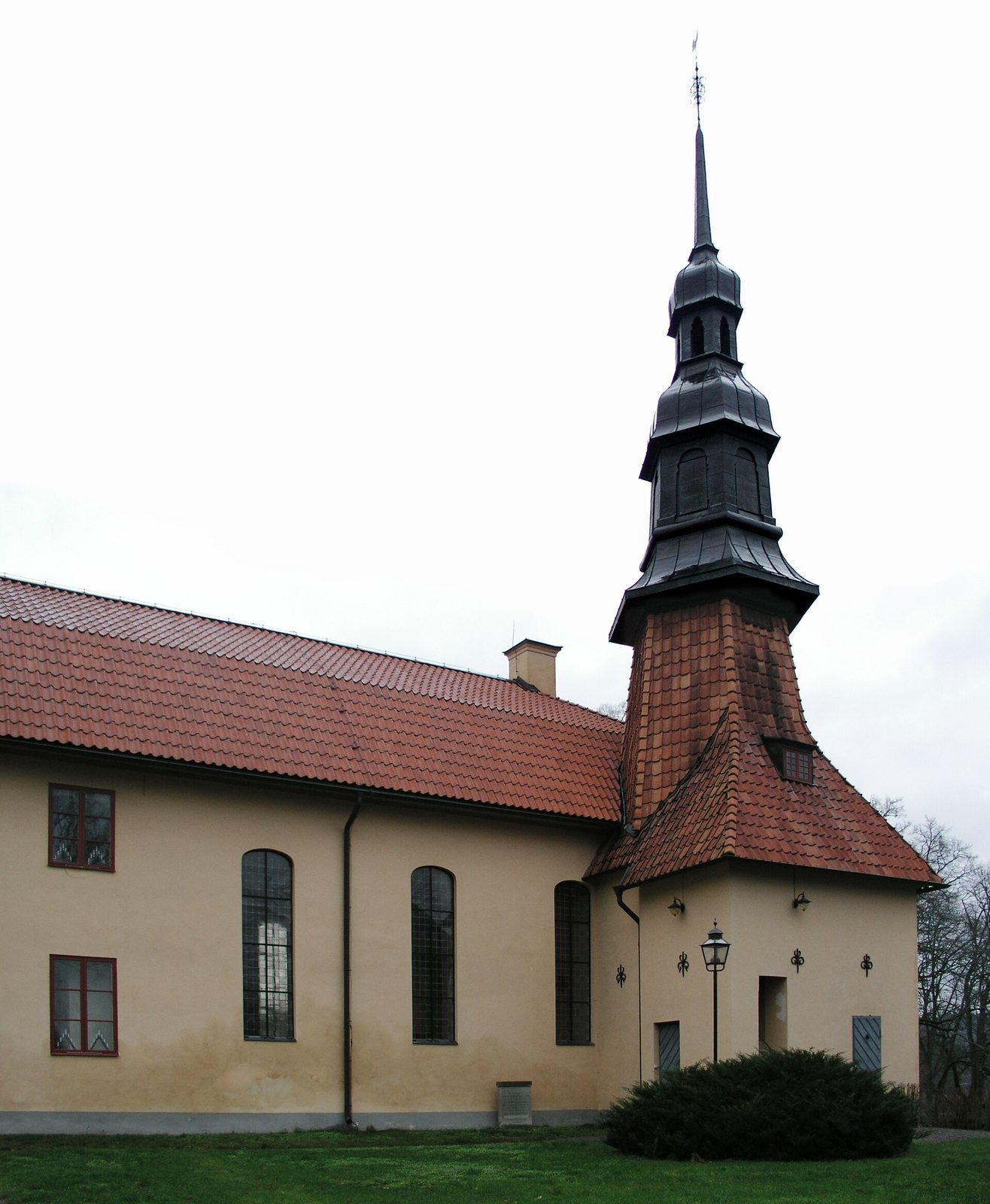
The church occupies the eastern part of the castle’s south wing. Its interior has a single nave, meaning one main lengthwise space, and its roof is mansard-shaped, with a steep lower slope and a shallower upper slope on each side. A spired tower stands south of the chancel, the area around the altar, and is offset to one side. The tower contains the sacristy, a room for preparing services and storing church furnishings.
Earlier castle arrangement
The 18th-century Swedish antiquarian Carl Fredric Broocman described the castle as having two two-storey stone wings. He noted that a room in the south wing served as a court chapel and contained an altar, pulpit, organ, and lectern. His description also mentions a timber bell in a tower on the roof.
Interior fittings
Altarpiece and pulpit
Before the 1789 fire, the chapel’s altarpiece showed Christ instituting the Eucharist, the Christian rite recalling the Last Supper, and his crucifixion. The chapel also had a pulpit covered in red cloth and a small organ. The present altarpiece depicts Christ suffering on the cross and copies a painting by 17th-century Spanish artist Diego Velázquez in Madrid’s Prado Museum. Major General Robert Douglas donated it in 1921. He was a different person from Field Marshal Robert Douglas, who built the castle.
After the chapel was rebuilt, its pulpit was placed above the altar. In the present interior, the pulpit is on the right, the side associated with the reading of the Epistle during worship.
Windows and choir benches
Both chancel windows contain stained glass signed by Neumann & Vogel of Stockholm and dated 1914. One shows Moses, a prophet in Jewish and Christian traditions, holding the tablets of the law. Its inscription reads, “With the invisible before his eyes, he endured.” The other depicts John the Baptist, a Jewish preacher regarded by Christians as Jesus’ forerunner, carrying a walking staff. Its inscription reads, “After me comes the one who is greater than I.”
Blue and gold are used in the interior. Two choir benches on the left, used by the count and his family, bear the biblical texts “Whoever believes in the Son has eternal life” and “If you love me, keep my commandments.”
Organs and bells
Organs
The chapel had a small organ before the fire. Carl Elfström built an eight-stop organ in 1885, with stops controlling sets of pipes. A successor firm to E. A. Setterquist & Son supplied a 12-stop organ with two keyboards in 1941. It used tubular-pneumatic action, in which air carried through tubes operates the mechanism, and stood in the gallery.
Mats Arvidsson supplied the present organ in 1988, to a design by Carl-Gustaf Lewenhaupt. It has one keyboard and an independent pedal division with its own pipes. Its visible pipes produce sound, and two wedge-shaped bellows sit in a separate case. Air travels from the bellows through channels to the pipes. The organ uses suspended mechanical action, a hanging system of mechanical linkages; its lower keys are black and its upper keys white.
Bells
The tower holds two bells. The larger was cast in 1885 and the smaller in 1790.