Longthorpe Tower: A Medieval Manor Tower with Wall Paintings
Site at a Glance
- Country
- United Kingdom
- Primary era
- Medieval
- Eras represented
- Medieval
- Civilizations
- English
- Site type
- Domestic
On this page5 sections
History
Construction and the Thorpe family
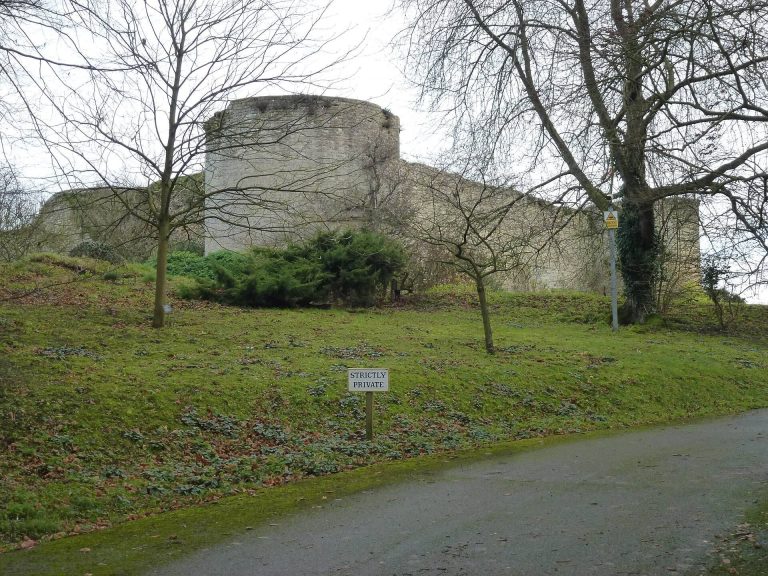
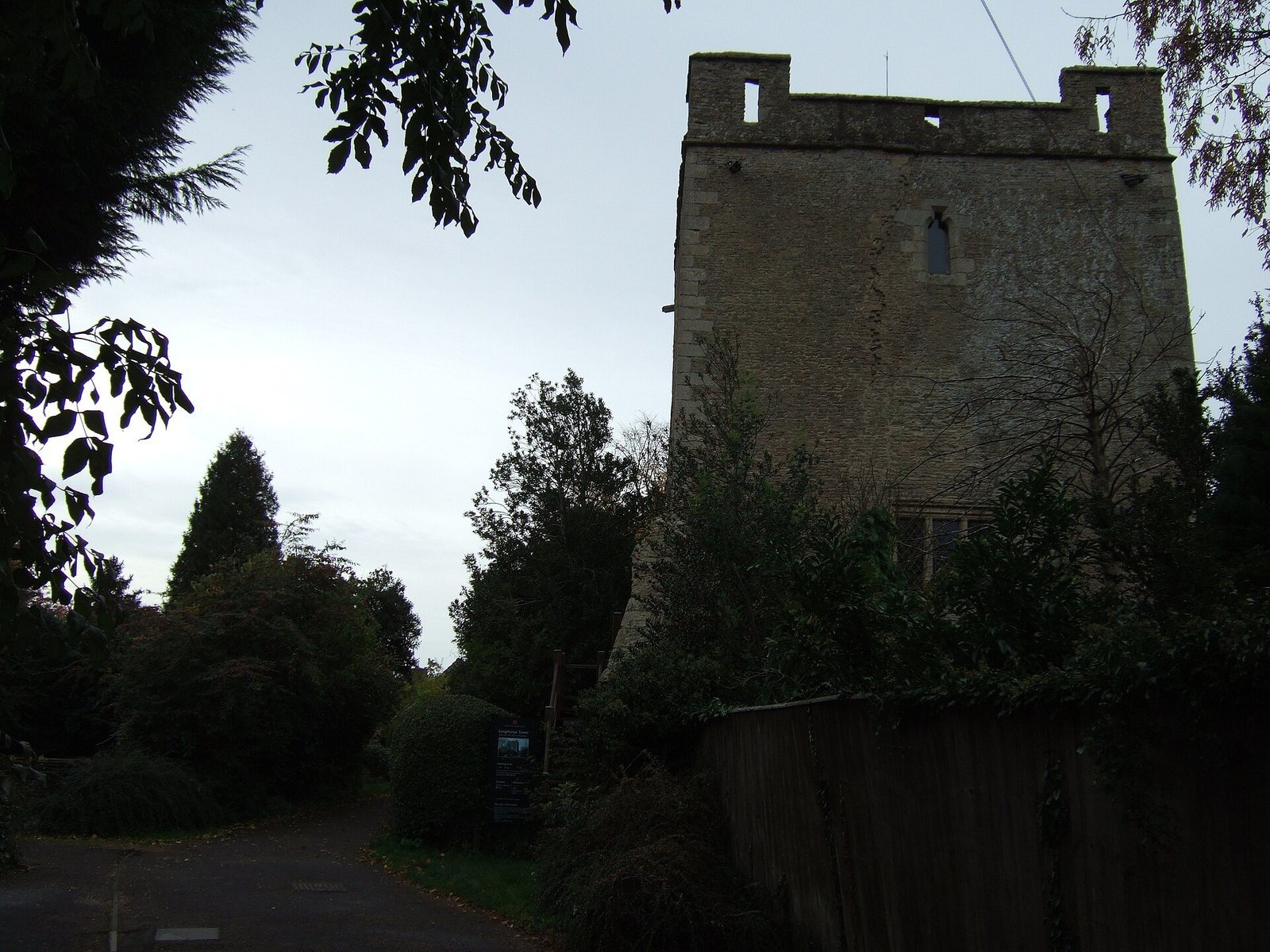
Longthorpe Tower is a medieval tower in Longthorpe, a residential area of Peterborough in the United Kingdom, added to an existing fortified manor house by Robert Thorpe in 1310. Thorpe had gained relative wealth through Peterborough Abbey, a medieval Benedictine monastery. The tower may also have served as a display of status, and its first floor was intended as living accommodation for him.
Paintings and rediscovery
The tower’s wall paintings were made around 1330. Around the time of the Reformation, a period of religious change that transformed practices and institutions in sixteenth-century England, they were covered with whitewash. The paintings remained concealed until they were rediscovered in the 1940s.
Preservation and status
Longthorpe Tower is now owned by English Heritage, a charitable organization that manages historic places in England. It is used to conserve and present the paintings, and a permanent exhibition covers the tower’s history and the Thorpe family. The site was designated a historic monument in 1952. It is also Grade I listed, the highest listed-building grade in England, and a Scheduled Monument, a legally protected archaeological or historic site.
Remains
The surviving tower is a three-storey stone structure. Its interior contains the medieval wall paintings, whose subjects range across religious, secular, and moral themes.
The paintings include a spiritual encyclopedia of the world, the Wheel of Life, the Nativity, and King David. They are regarded as among the most complete examples of medieval domestic art in northern Europe. The whitewash that concealed them helped protect them. Historian Clive Rouse considered their early date and completeness unmatched by any comparable English scheme.