Kingdom of Pergamon: Sites and Map
The Attalid kings of Pergamon ruled in western Asia Minor during the third and second centuries BC, within the Greek-influenced Hellenistic world that followed Alexander’s conquests. The sites in this collection illustrate fortified hill towns, terraced civic centres and settlements that continued to grow after the monarchy gave way to Roman rule.
Primary Function: All
Type: All
Country: All
Popularity: All
Rating: All
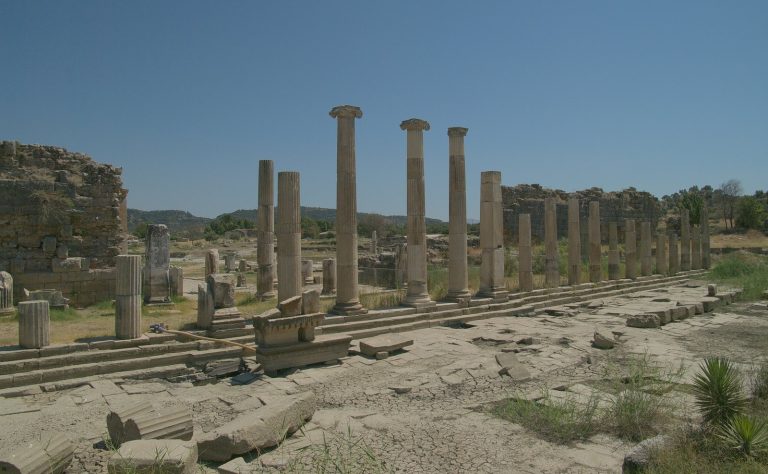
Founded by Greek settlers and refounded near 400 BC, Magnesia on the Maeander developed into a planned Hellenistic city and religious centre. Its…
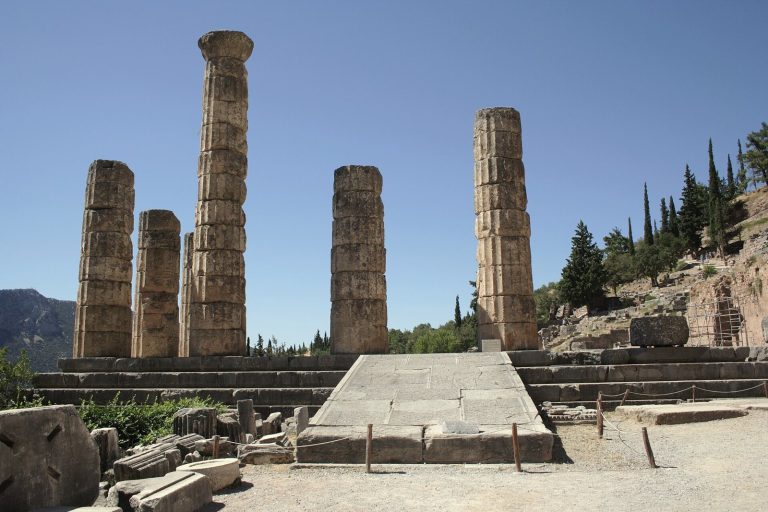
The Temple of Apollo was the focus of Delphi’s oracle and a sanctuary shaped by successive rebuildings, religious practice, political conflicts, and…
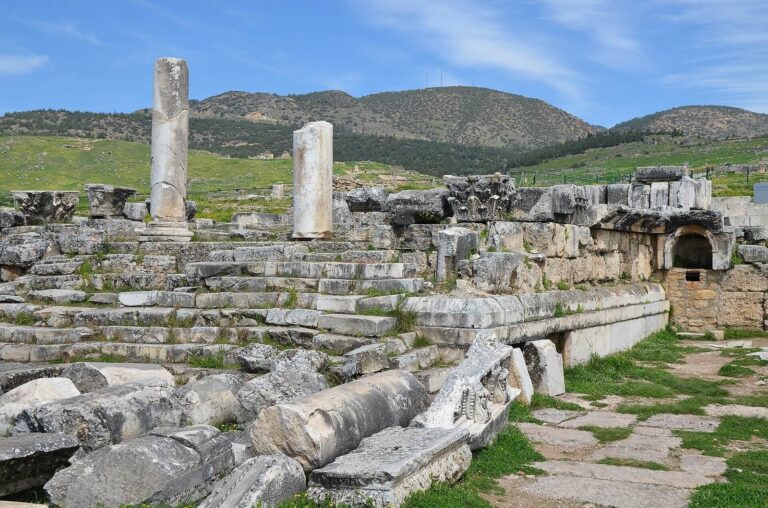
The Ploutonion was an ancient sanctuary at Hierapolis, associated with underworld worship, sacrificial rites, and gas-emitting caves. Its remains are…
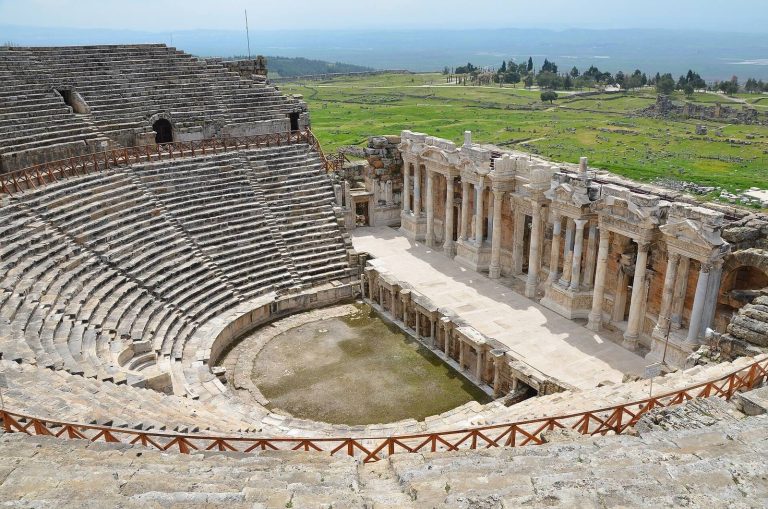
Hierapolis was a Hellenistic city beside the hot springs of Pamukkale that developed into a Roman spa, trading center, and Christian city. Its…
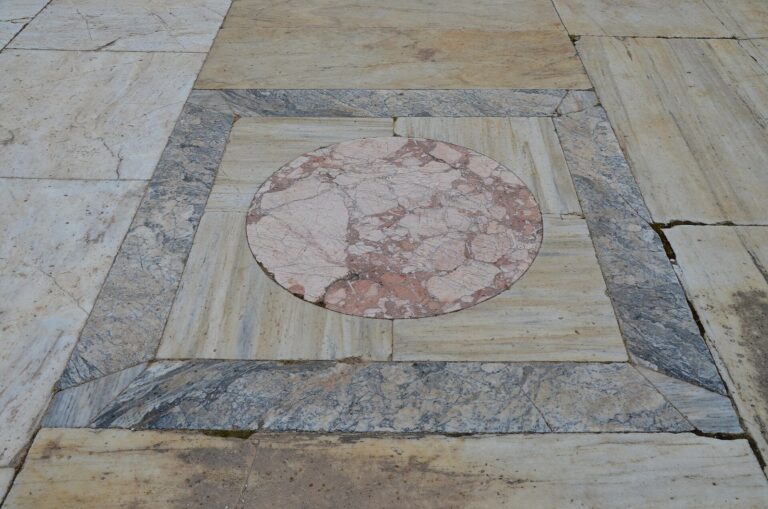
Metropolis expanded under the Attalids and later Rome. Its hilltop remains preserve Hellenistic and Roman buildings, Byzantine defenses, and evidence…
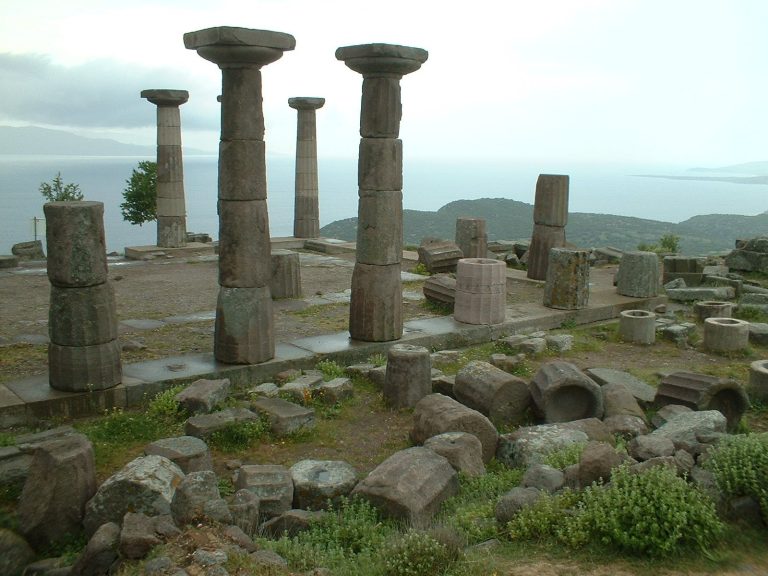
Assos preserves the remains of an ancient Greek city on the southern coast of the Troad, including its acropolis, Temple of Athena, fortifications,…
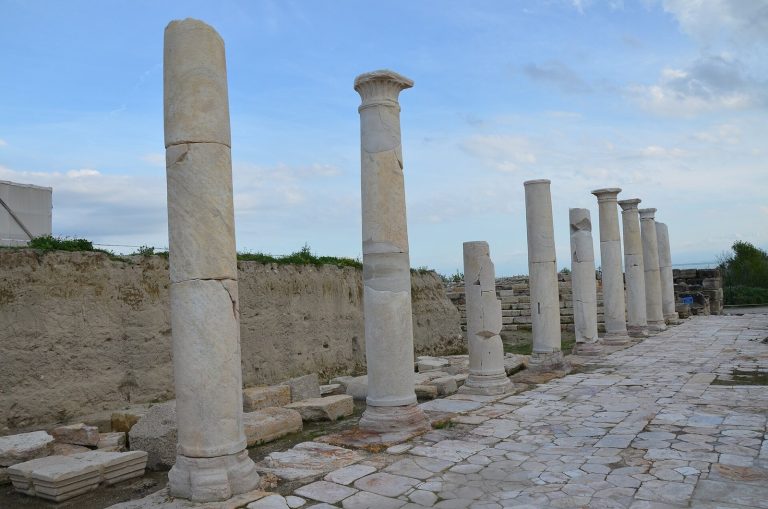
Tripolis near Yenicekent developed from a Pergamene foundation into a prosperous city on the upper Maeander. Its Roman and Byzantine remains include…
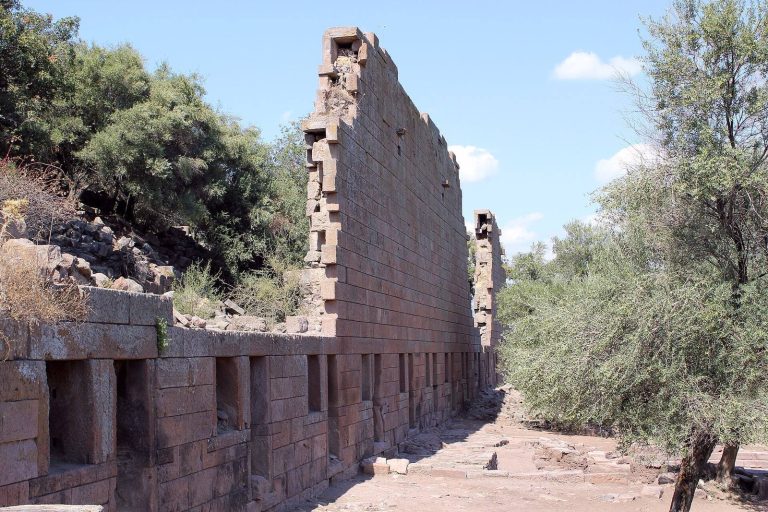
Aigai was an inland Aeolian Greek polis that developed into a Hellenistic and Roman city on Gün Dağı. Its remains include terraced fortifications,…
For details on how to use the maps, which sites are included, how popularity and ratings are determined, and how sites are classified, see the help page.
Aigai: a terraced civic centre
Aigai in Aeolis, in western Turkey, is a different city from the Macedonian royal centre of the same name. Its connections with the Attalid dynasty included support from Philetairos and later fortification work under Eumenes II.
The town occupied a hill where retaining walls and terraces created usable building space. A substantial market building presented several storeys toward the slope, while its upper level connected with the agora. Cisterns collected and stored water, an important provision in this elevated setting. The remains combine the practical demands of the terrain with the architecture of trade and civic government.
Assos: council buildings and colonnaded public space
Assos became part of the Attalid kingdom during the Hellenistic period. Its agora was framed by stoas, covered colonnades that supplied sheltered space beside the public square. Buildings could face the square at one level while extending into lower storeys down the hillside.
The council house accommodated civic meetings, and a gymnasium supplied spaces for the training and education of young men. These institutions gave the city its own public life within the wider kingdom. The famous Temple of Athena on the acropolis is much older, dating to the sixth century BC. It formed part of the religious landscape inherited by the Attalid rulers.
Hierapolis: a Hellenistic city transformed under Rome
Hierapolis at Pamukkale developed within the Hellenistic political world of western Asia Minor and became associated with the kingdom of Pergamon. Thermal springs shaped the settlement’s setting and later religious and civic development.
Most of the great standing monuments are Roman, including the theatre and monumental gateways. They show the later prosperity of a city whose earlier history belongs in the Hellenistic landscape. Alongside the more visibly terraced civic remains at Aigai and Assos, Hierapolis illustrates how the places connected with a kingdom could continue to change long after its rulers disappeared.
Open the map markers or grid cards to read the individual city articles and distinguish their Hellenistic and later remains.