Sumerian Sites: Explore Temple Precincts and Ancient Cities
Sumerian cities survive chiefly as archaeological landscapes of brick structures, temple platforms and excavated neighborhoods. The collection is small, with its principal built remains in southern Iraq. The places continued to be used long after their Sumerian phases, so the visible structures and their dates must be considered individually.
Primary Function: All
Type: All
Country: All
Popularity: All
Rating: All
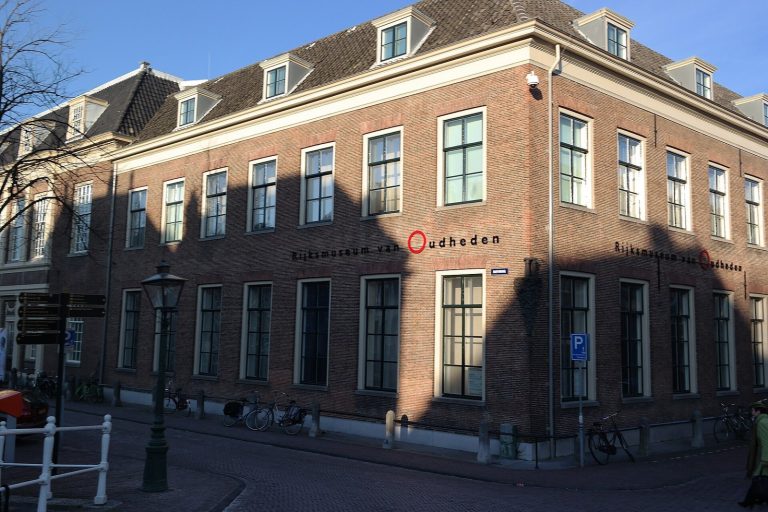
Founded in 1818, the National Museum of Antiquities Leiden grew from Leiden University’s antiquities collection into the Netherlands’ national…
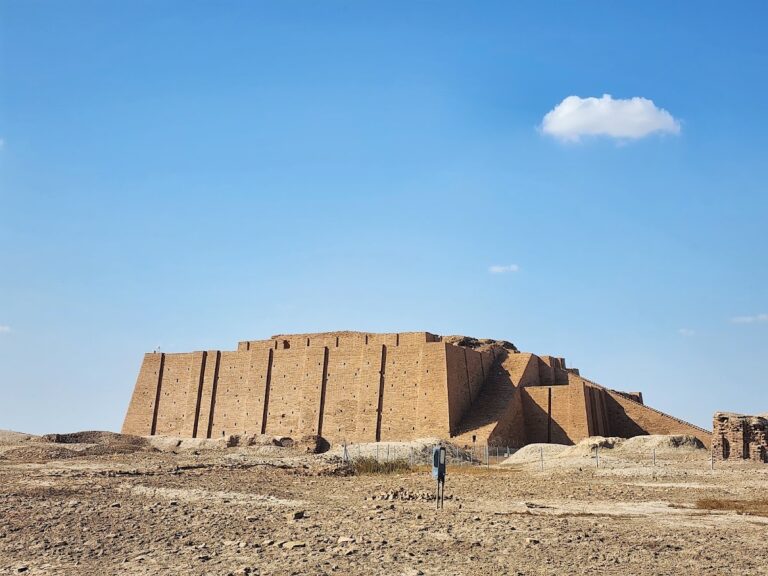
The Ziggurat of Ur is a Neo-Sumerian temple monument begun by Ur-Nammu in the 21st century BC and dedicated to Nanna, the moon god of Ur. Its…
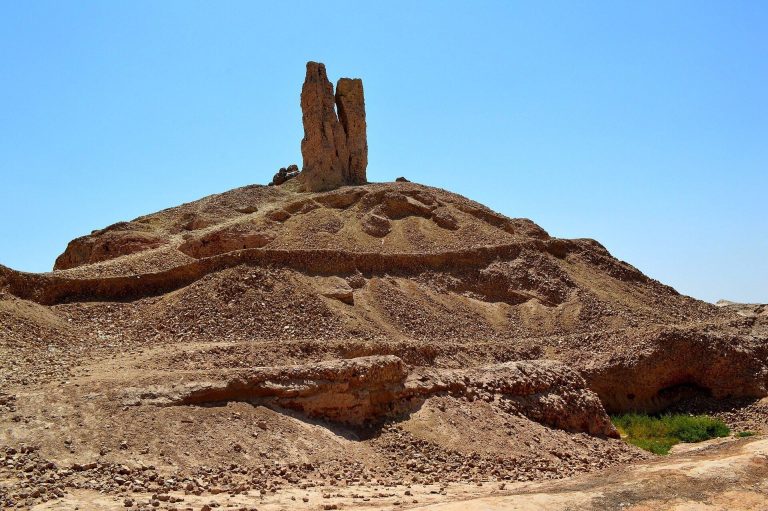
Borsippa was an important city near Babylon, known for the ziggurat of Nabu and the temple complex of Ezida. Its history extends from the late third…
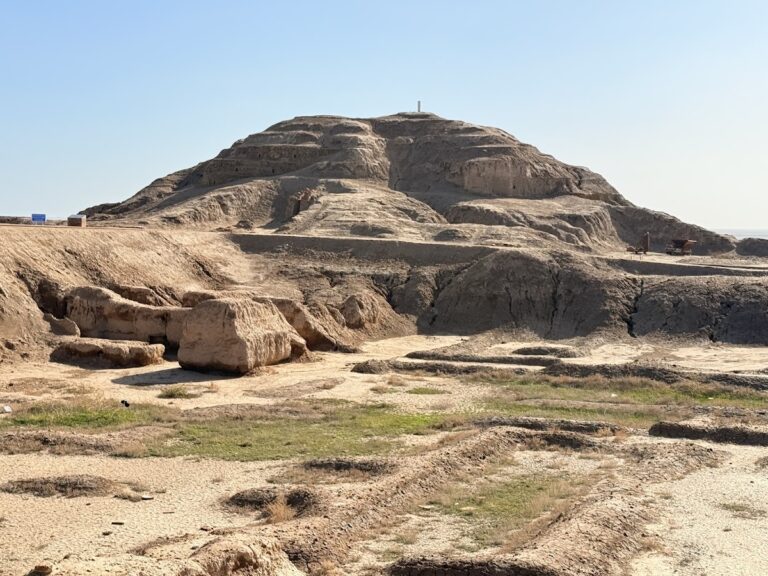
Uruk was a major religious and political center in southern Mesopotamia, influential in the development of urban life, administration, monumental…
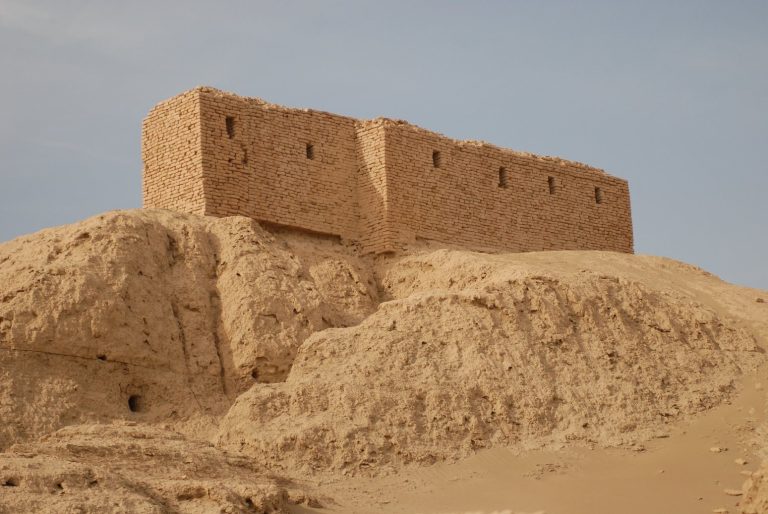
Nippur was the principal cult centre of Enlil and a major religious, administrative, and scribal centre of Mesopotamia. Its excavated temples,…
For details on how to use the maps, which sites are included, how popularity and ratings are determined, and how sites are classified, see the help page.
On this page4 sections
Ur’s stepped temple platform
The Ziggurat of Ur was begun under Ur-Nammu in the twenty-first century BC as part of the city’s sanctuary of the moon god Nanna. Its great mass used mudbrick internally and fired brick on the exterior, with bitumen in the construction. The stepped platform supported a temple above the surrounding sacred precinct.
Later rulers repaired and altered the monument. Its present appearance also includes modern rebuilding of the lower façade and monumental stairways. These additions make the approach legible, but the finished upper temple and complete ancient profile do not survive. The individual article separates the Sumerian foundation from Neo-Babylonian restoration and modern work.
Uruk’s great religious precincts
Uruk developed around major temple districts, including Eanna, associated with Inanna, and the elevated Anu precinct. Successive construction raised platforms and replaced earlier buildings, creating deep archaeological layers. The extensive site also contained residential quarters and canals linked with an earlier course of the Euphrates.
The excavated temple areas explain the scale of collective building in the early city. Their architecture should be followed by phase: Uruk remained occupied for millennia, and later Babylonian, Seleucid and Parthian buildings are also represented. The surviving landscape records this long sequence rather than a city preserved at one Sumerian date.
Nippur and the sanctuary of Enlil
Nippur was a major religious center of Enlil. Its Ekur sanctuary attracted royal patronage even when political power lay in other cities. The archaeological mounds preserve temple structures, residential areas and parts of successive defenses beside a now-dry river channel.
The temple mound and the area commonly called Tablet Hill occupy different parts of the eastern site. Excavation connects religious buildings with the houses and written records of the wider settlement. Later rebuilding continued through Kassite and other periods, making the date of each excavated structure more useful than a single label for the whole city.
Explore the Sumerian collection
Use the map and grid to locate the archaeological places and related museum material. Open their articles for the surviving features and construction sequences; some entries cover buildings with both Sumerian foundations and substantial later phases.