Dalhousie Castle: Seat of Clan Ramsay and the Earls of Dalhousie


Site at a Glance
- Rating
- 4.3
- Popularity
- Medium
- Country
- United Kingdom
- Primary era
- Early Modern
- External website
- Open
- Eras represented
- Medieval, Early Modern, Modern
- Civilizations
- Kingdom of Scotland
- Site type
- Military
- Remains
- Castle
On this page9 sections
History
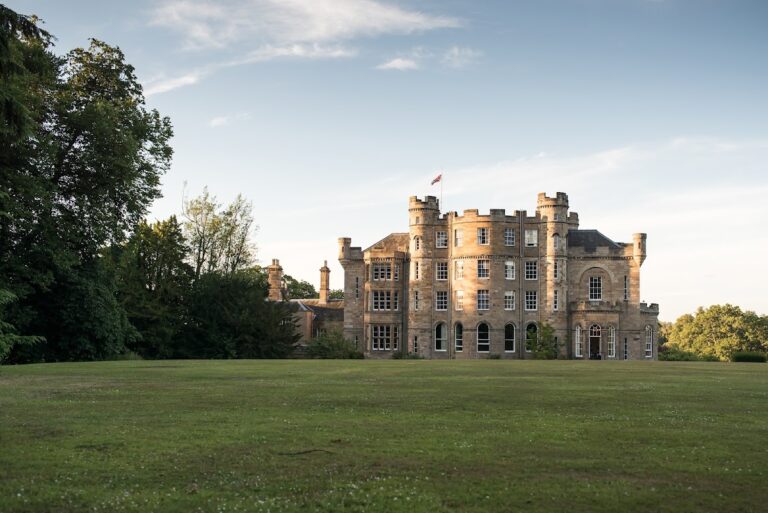
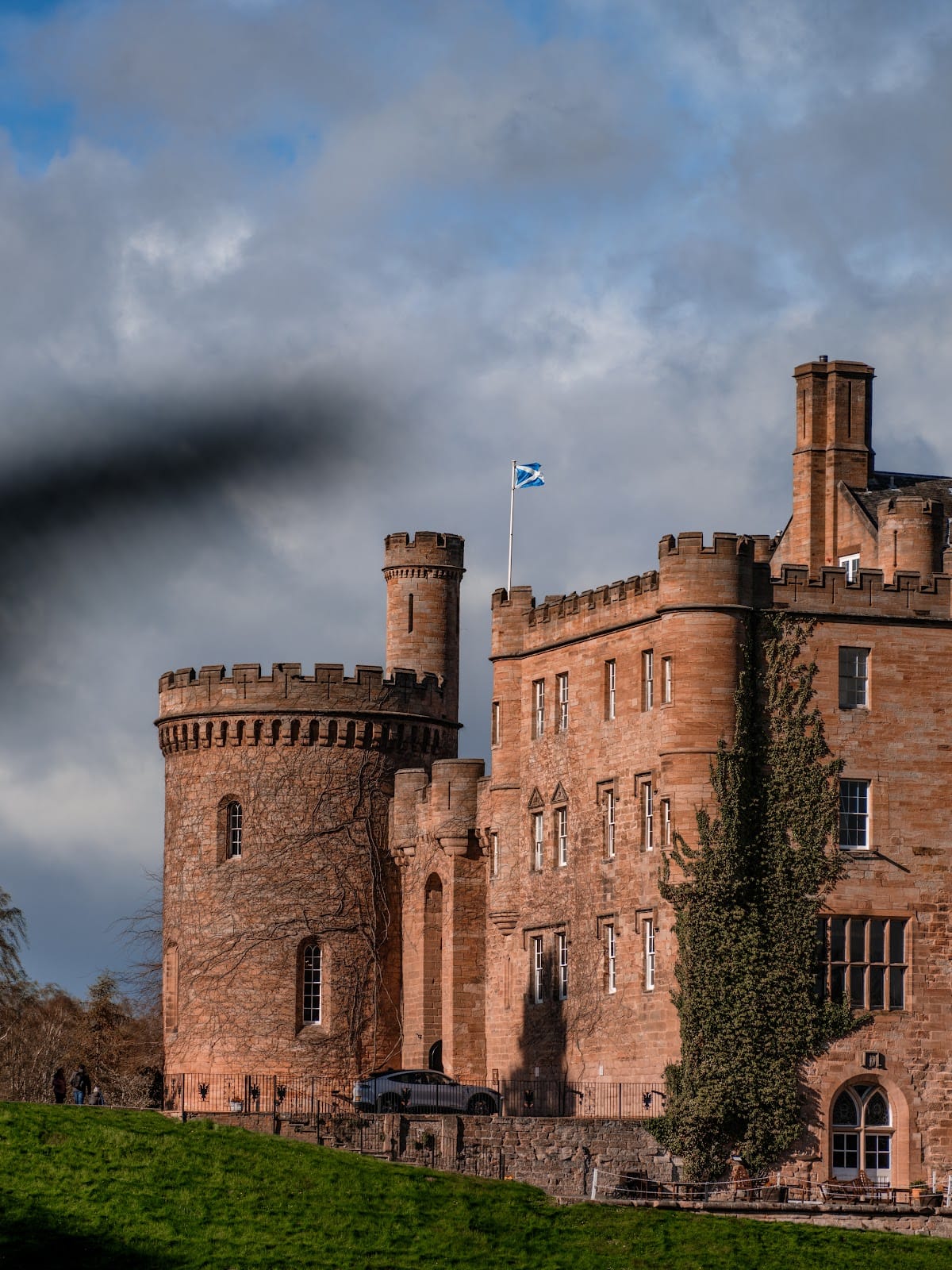
Dalhousie Castle is a fortified red-stone castle in the United Kingdom, near Bonnyrigg in Scotland. Its first castle was built around 1140 by Simon of Ramsey, a Norman-descended English knight, while the surviving building developed mainly from the mid-fifteenth to the seventeenth century. For centuries, it served as the principal seat of Clan Ramsay and the Earls of Dalhousie.
Origins and medieval conflicts
The Ramsay family traced its beginnings to Simundus de Ramesie, also known as Simon of Ramsey. He came from Ramsey in Huntingdonshire and served David, Earl of Huntingdon. Around 1140, when David inherited the Scottish crown, Simon followed him to Scotland and became the first Ramsay landholder at Dalwolsey. He established the castle that began the family’s long association with Dalhousie.
Dalhousie occupied an important place during the wars between England and Scotland. In 1298, Edward I of England stayed at the castle while travelling to meet William Wallace in connection with the Battle of Falkirk. In 1400, Sir Alexander Ramsay resisted a six-month siege there by English forces commanded by King Henry IV, the English king who reigned from 1399 to 1413.
Later political and family history
During the mid-seventeenth century, Oliver Cromwell used Dalhousie as a base during his invasion of Scotland. Cromwell was an English military and political leader whose forces campaigned in Scotland during that period. Later Earls of Dalhousie took active roles in British political and military leadership.
The Ramsays continued to own the castle for many centuries. Around 1800, Walter Nicol designed a new arrangement for the walled garden. Near the beginning of the twentieth century, the family seat moved to Brechin Castle, although the Ramsays retained Dalhousie until 1977. At the time of its sale, the castle was said to have remained in the same family for more than eight centuries.
Modern use and preservation
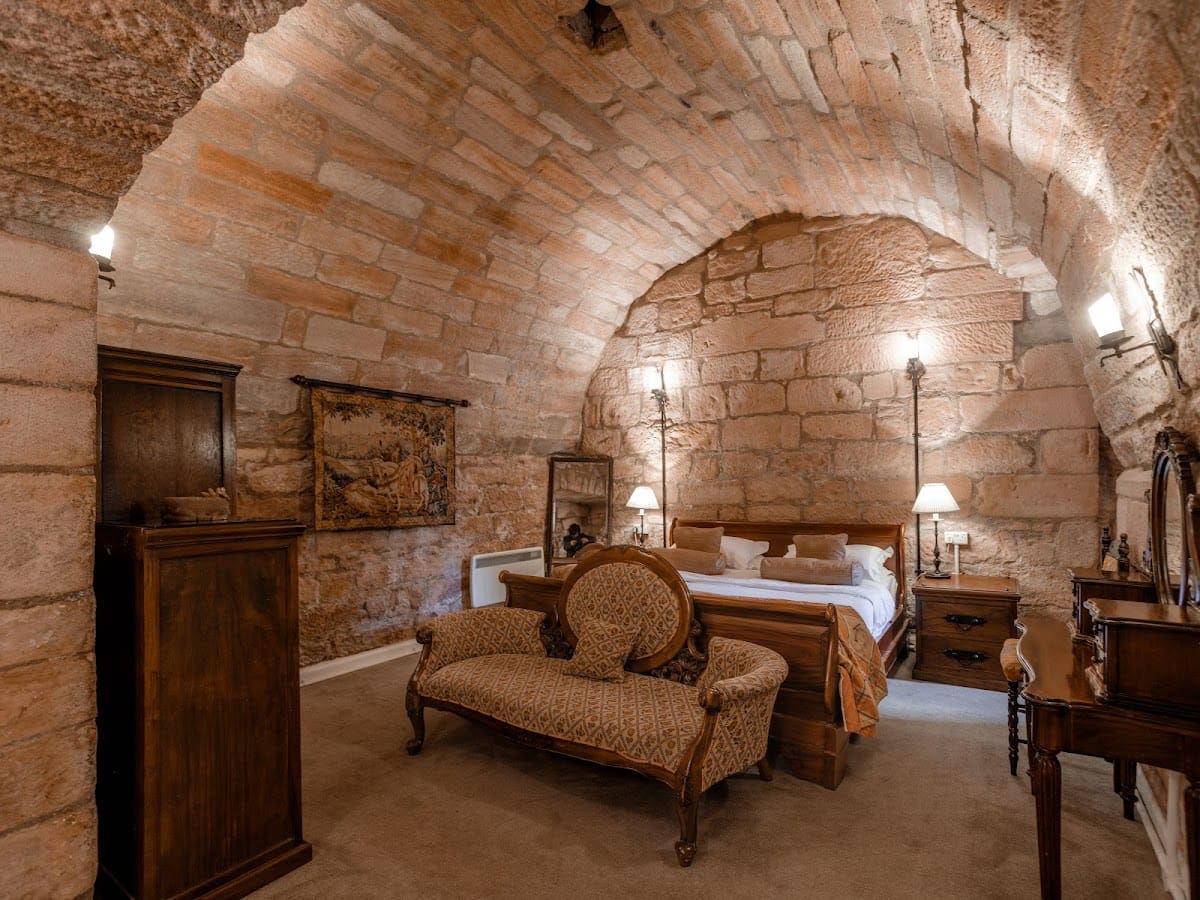
During the twentieth century, Dalhousie was leased to several tenants, including a boarding school. It became a hotel in 1972 and has since operated as a luxury hotel and restaurant. Von Essen Hotels bought the castle in 2003 for a reported £10 million. After the company entered administration in April 2011, the property was offered for sale with a guide price of £7.5 million. Robert Parker purchased it in March 2012 for an undisclosed sum.
A serious fire began in the roof area on 26 June 2004. The building was evacuated, and the Lothian and Borders Fire Brigade extinguished the blaze. Damage was substantial but confined to a relatively small part of the building, with no major structural harm. Repairs were completed and the hotel resumed normal operations. Dalhousie Castle is protected as a Category A listed building in Scotland, the country’s highest level of statutory protection for buildings of special architectural or historic interest.
Remains
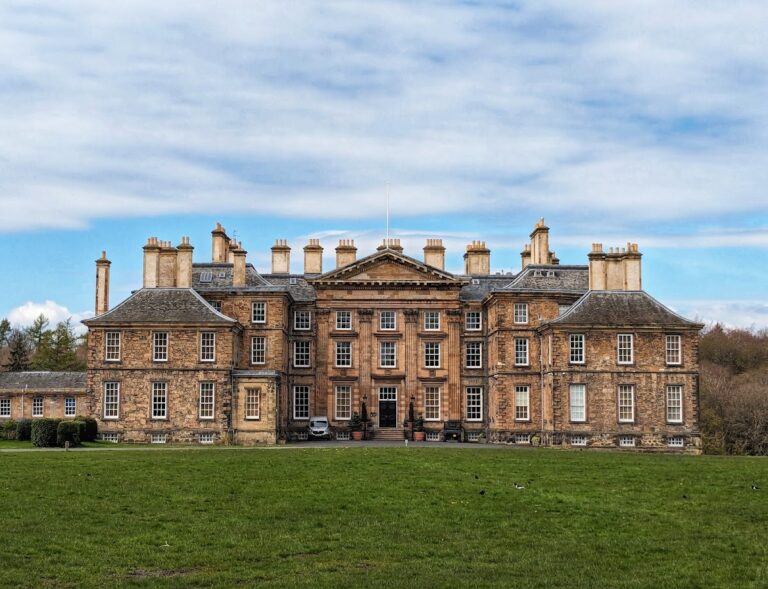
Dalhousie is a red-stone fortified building in a strategic position overlooking the River Esk. The present castle has an L-shaped plan, formed by two principal wings set at approximately right angles. Its oldest surviving section is a rounded drum tower, dating from the mid-fifteenth century, while most of the remaining castle belongs to the seventeenth century.
Fortified castle and grounds
Castle structure
The L-plan arrangement gives the castle its principal two-wing form. The drum tower projects from the fortified building and represents the oldest surviving part of the current structure. Together with the largely seventeenth-century fabric, it preserves the main stages in the castle’s later architectural development.
Moat and walled garden
A dry moat originally encircled the castle. It was later filled in and partly excavated again during the late twentieth century. The grounds also include a walled garden whose layout was redesigned around 1800 by Walter Nicol.
William Wallace Chamber
The William Wallace Chamber is associated with the local legend of Lady Catherine of Dalhousie. The story says that Catherine fell in love with a young man whom her parents forbade her to see. She supposedly shut herself in the highest room of the castle and died of starvation, after which her ghost was said to wander at night in search of her lost love.