Huaca Palacio Inca de Oquendo: An Archaeological Complex in Peru
Site at a Glance
- Rating
- 4.2
- Popularity
- Low
- Country
- Peru
- Primary era
- Medieval
- External website
- Open
- Eras represented
- Medieval, Early Modern
- Civilizations
- Inca
- Site type
- Civic
- Remains
- Palace
On this page7 sections
History
Huaca Palacio Inca de Oquendo is an archaeological complex in San Martín de Porres, Peru, on the left bank of the Chillón River near Cerro Oquendo. Shaped by the Colli and later by the Incas, it belongs to the Late Intermediate Period, the pre-Inca era of regional political development in the central Andes, and the Late Horizon, the period of Inca imperial expansion.
Colli Control and the Murallones
During the Late Intermediate Period, the lower Chillón Valley was under the political, administrative, and territorial control of the Colli, a regional power that governed the valley before its incorporation into the Inca state. The large walls known as the Murallones were built during this phase. One interpretation proposes that the Colli created the wider complex as part of a geopolitical strategy to establish their authority in the valley.
Inca Incorporation and Changing Functions
During the Late Horizon, Inca power reached the Chillón Valley, and the Palace of Oquendo was constructed or adapted within the earlier complex. The Incas may have modified an existing Colli foundation to meet their architectural and political requirements. The site’s function remains debated. It has been understood as a palace or summer residence where the Inca rested and took part in recreation, as well as an administrative and political center permanently occupied by a representative of the Inca Empire, or Tahuantinsuyo. Another interpretation identifies it as an elite residence for a high-status individual within the imperial political structure.
Routes connected the site to the Inca road network in both transverse and longitudinal directions. This connection has been interpreted as evidence of the complex’s importance to the Inca state.
Modern Protection
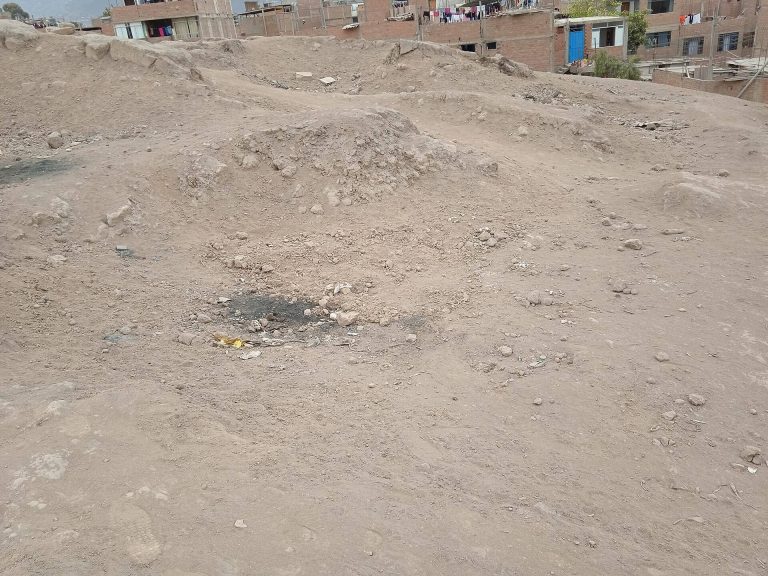
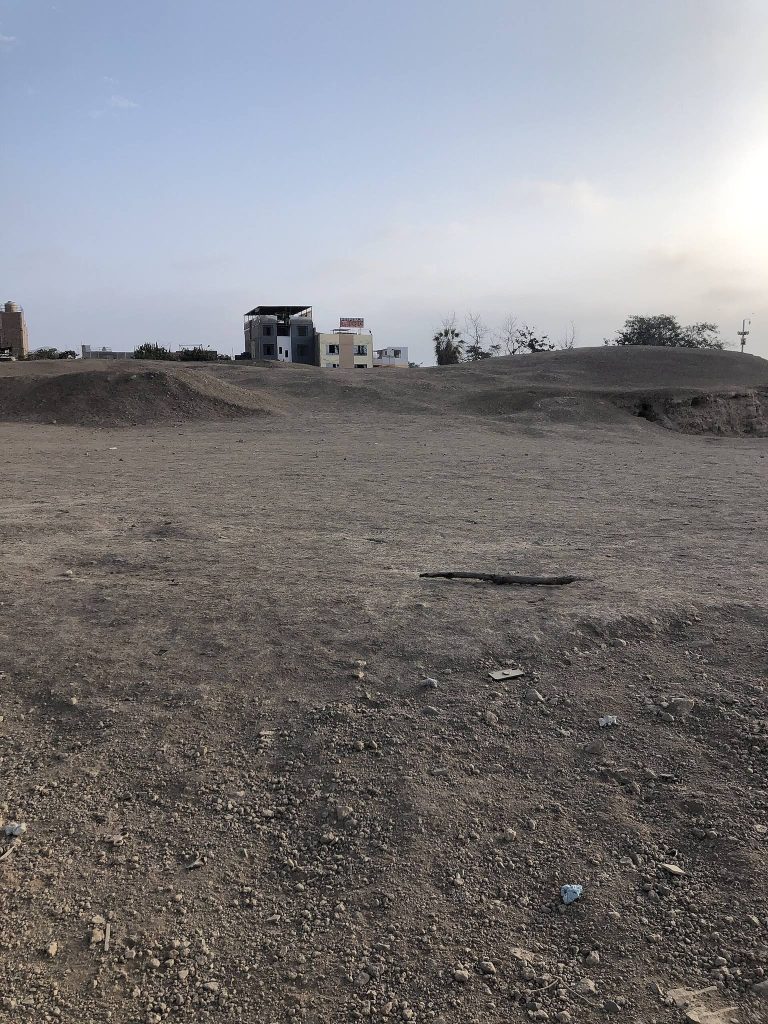
Informal settlement and invasions have damaged or destroyed parts of the archaeological complex. Legal and conservation measures have been proposed to protect it and support its preservation.
Remains
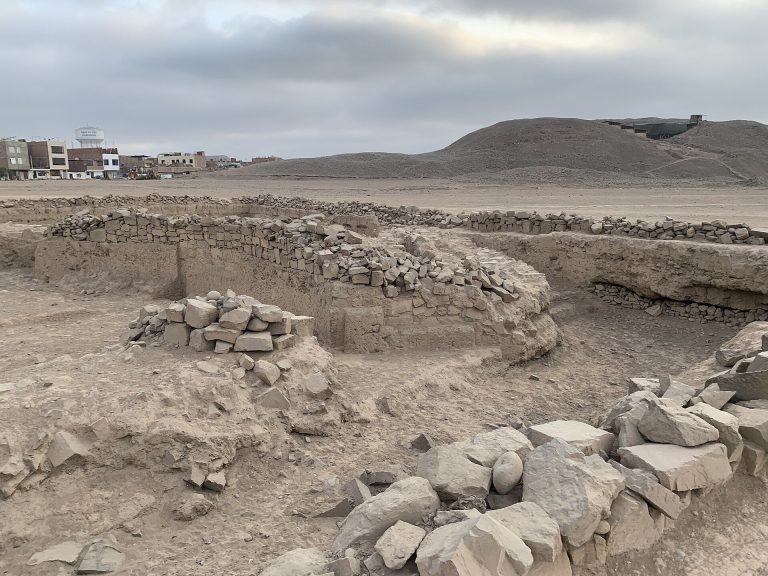
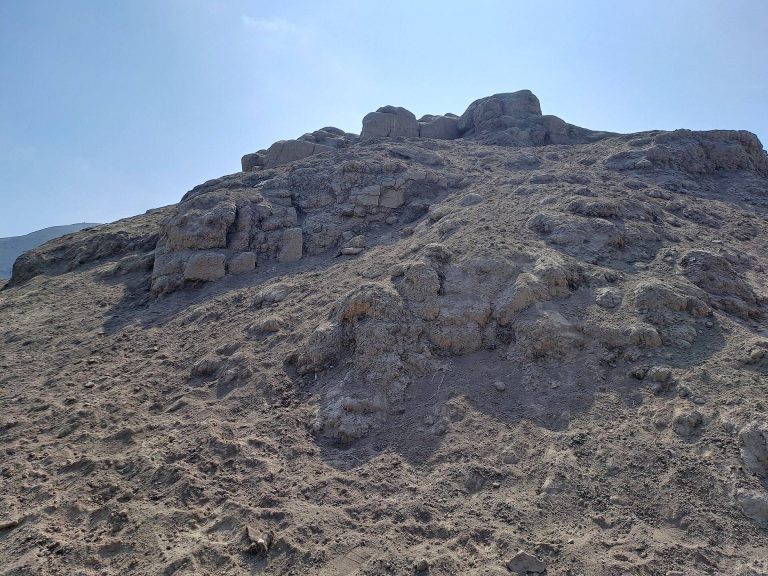
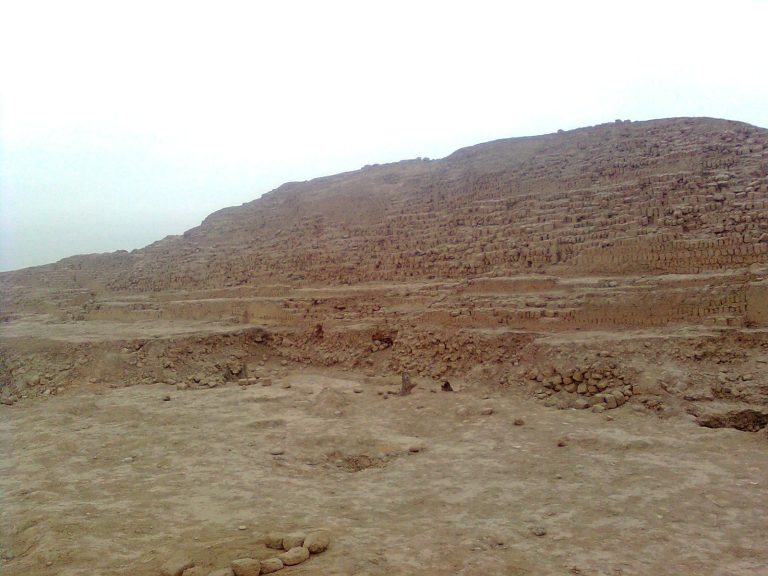
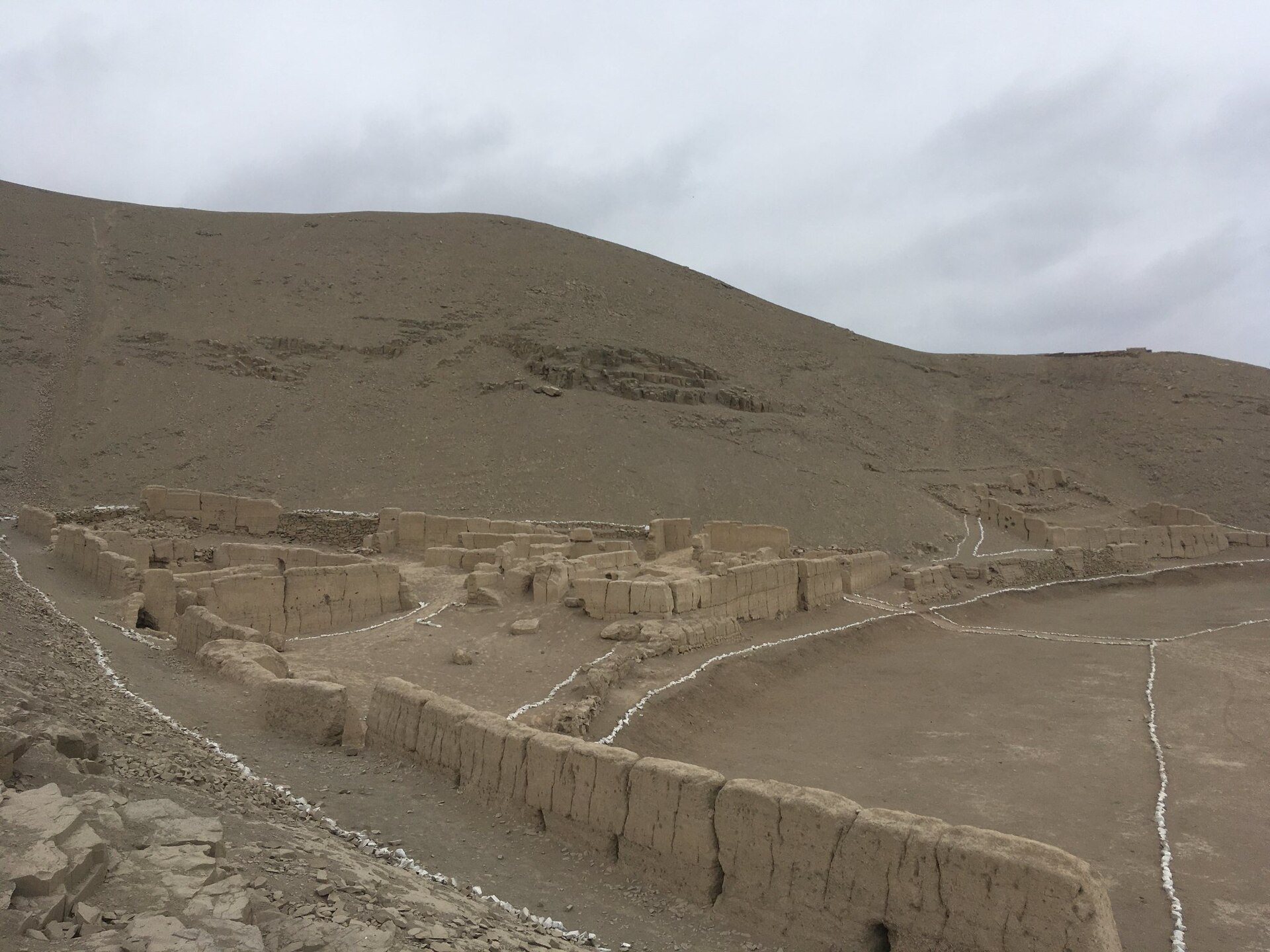
The complex covers approximately 92 hectares at about 24 meters above sea level. It lies near Cerro Oquendo on the left bank of the Chillón River and includes the Murallones, associated with the period of Colli control, and the Palace of Oquendo, associated with the later Inca phase. Its connections to the road network extended across the valley and along its length.
Murallones
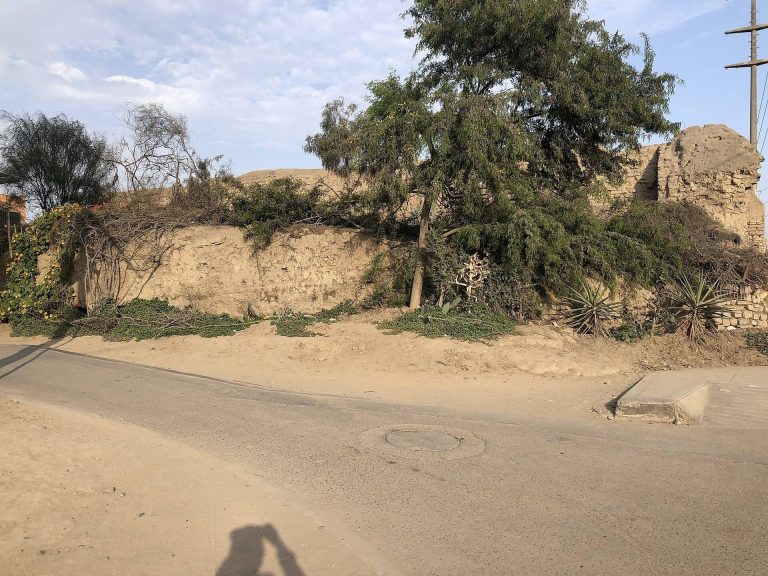
The Murallones are large walls attributed to the Late Intermediate Period, when the Colli controlled the Chillón Valley. They form one of the principal physical components of the complex and belong to the earlier phase of the site’s development.
Palace of Oquendo
The Palace of Oquendo represents the later Inca phase of the complex. It was either built during Inca rule or adapted from an earlier structure, reflecting the incorporation of the site into the political and architectural requirements of Tahuantinsuyo. Its proposed uses range from a palace or seasonal residence to a permanent administrative center or high-status elite residence.