Qasr Qarun: A Ptolemaic Temple Site in Egypt
Site at a Glance
- Rating
- 4.3
- Popularity
- Low
- Country
- Egypt
- Primary era
- Classical
- Eras represented
- Classical
- Civilizations
- Ptolemaic
- Site type
- Religious
- Remains
- Temple
On this page7 sections
History
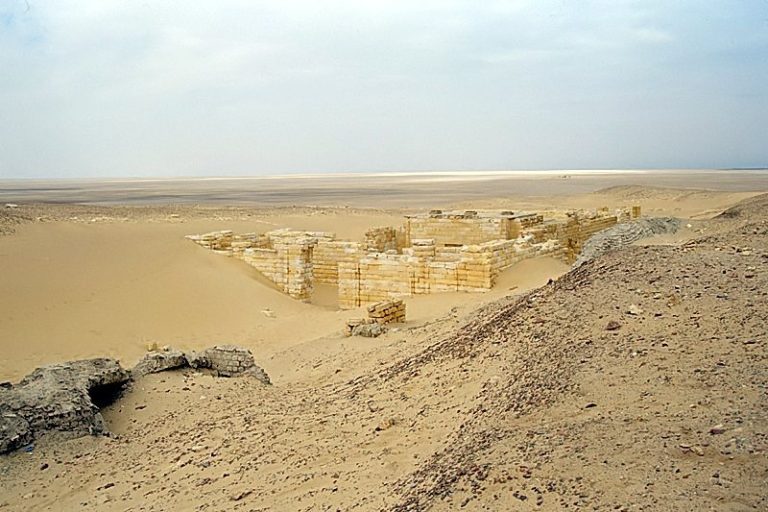
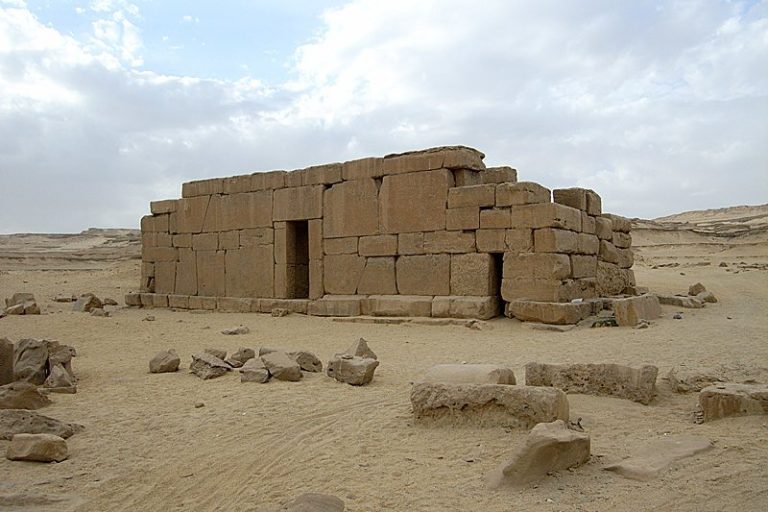
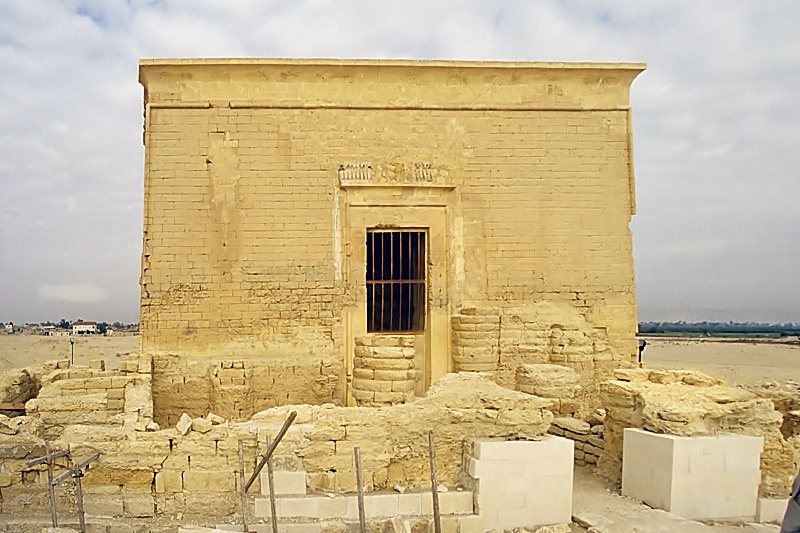
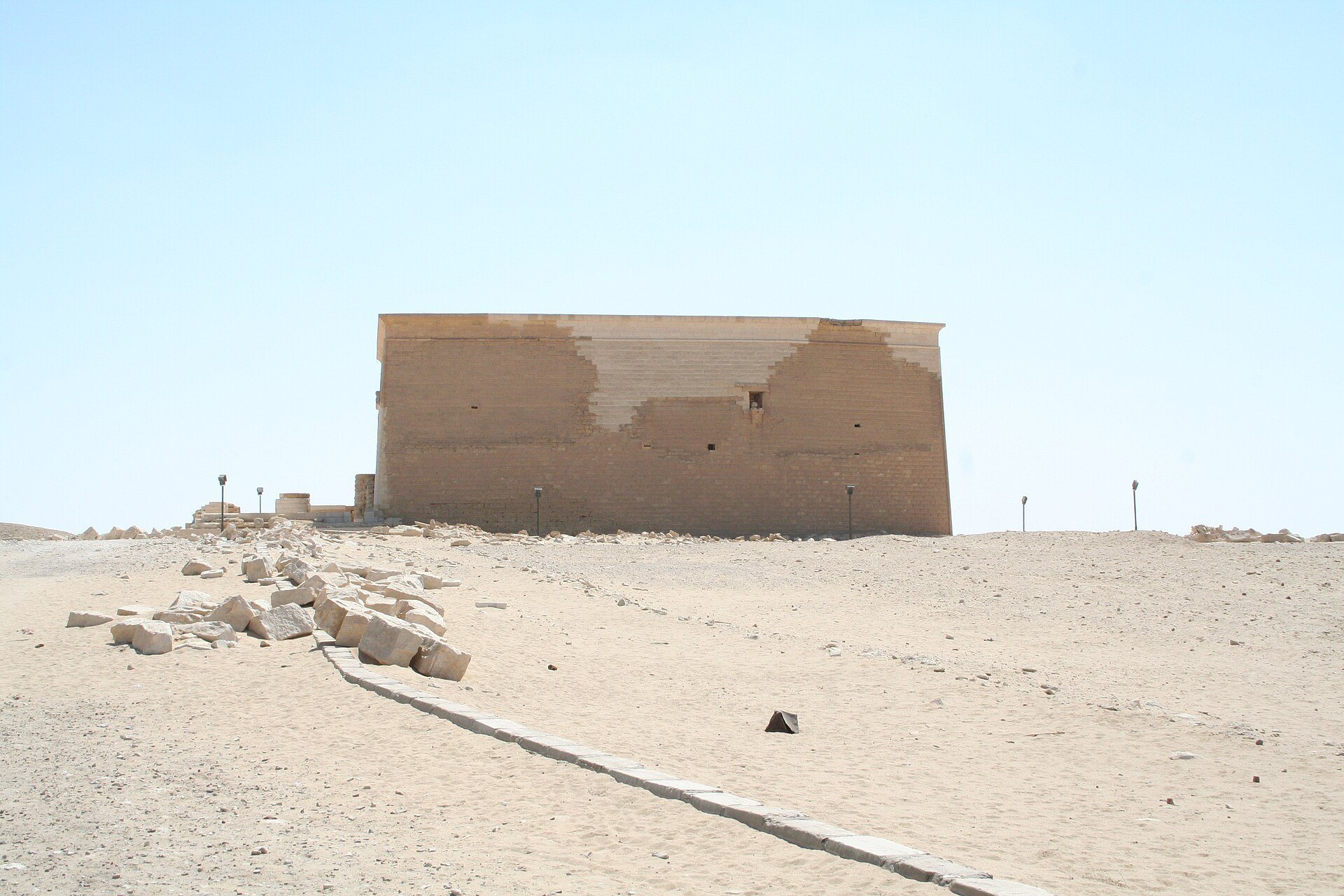
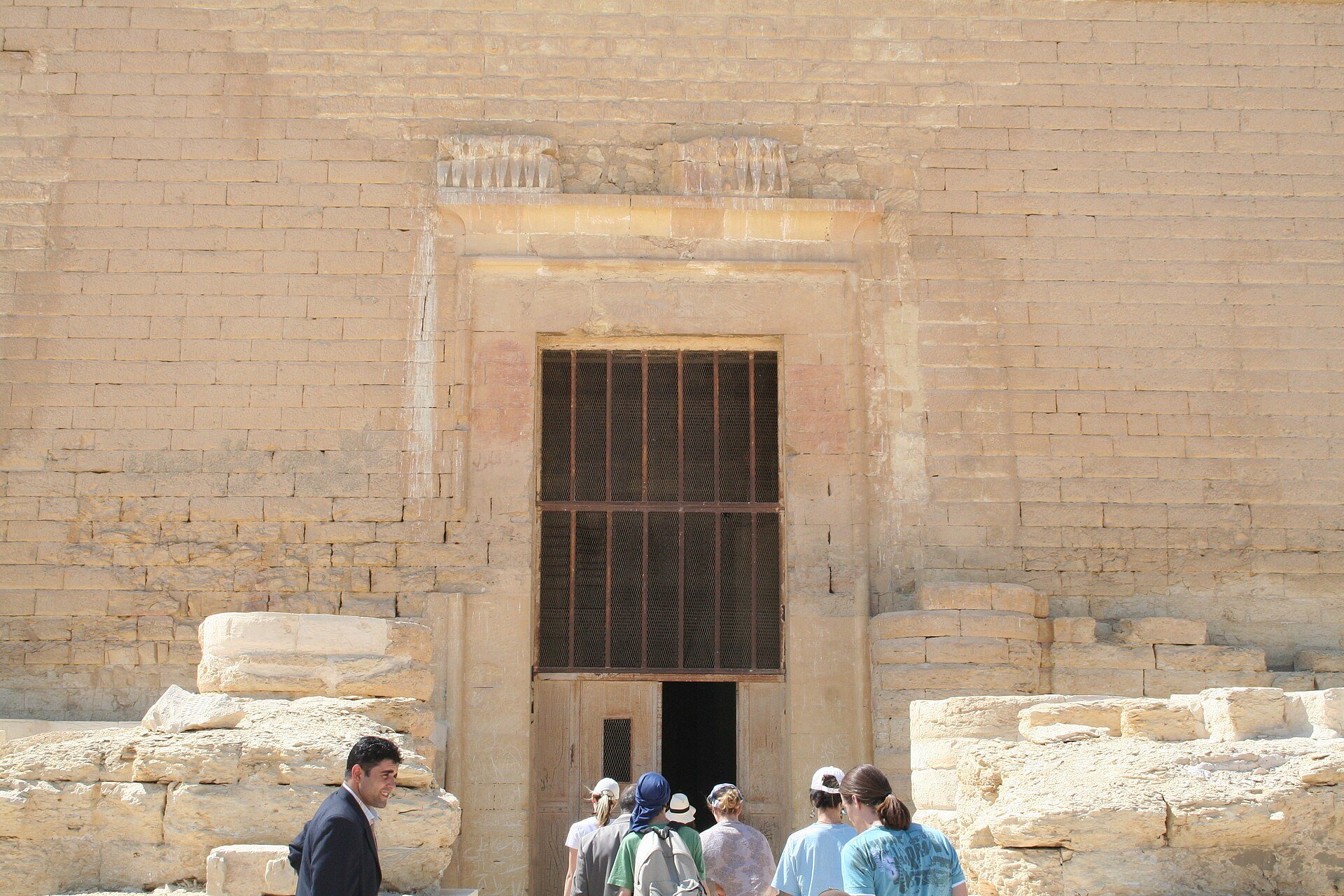
Qasr Qarun is an archaeological site near Lake Qarun in Faiyum Governorate, Egypt, centered on a temple built during the Ptolemaic period, the era of Macedonian Greek rule in Egypt. The temple formed part of the wider Greco-Roman landscape and was dedicated first to Sobek, the ancient Egyptian crocodile deity associated especially with the Faiyum, and later to Dionysus, the Greek god linked with wine, religious ecstasy, and fertility.
Dionysias and the Roman period
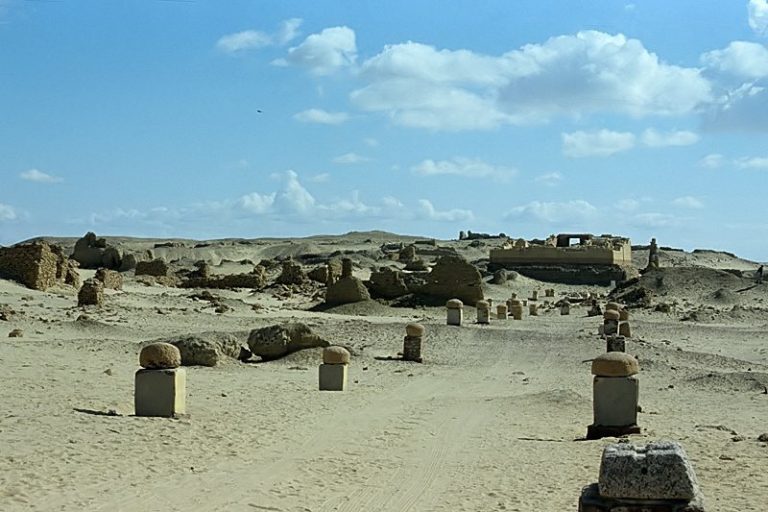
The associated town was known as Dionysias from 330 BC to AD 640. During the Roman period, a land route connected the town with Alexandria. Grain from the Faiyum and Upper Egypt traveled along this route to Alexandria, where it was exported to Europe.
The site stood beside the lake identified with the ancient Lake Moeris, a major lake or reservoir in the Faiyum. The lake was initially called Lake al-Qurun, a name referring to its numerous bays and bends, and this later became Lake Qarun.
The Islamic-period name
During the Islamic period, local inhabitants called the site Qasr Qarun because of its position near Lake Qarun. The name does not indicate a connection with Qarun, the wealthy figure in the Quranic account who was swallowed by the earth along with his dwelling.
Remains
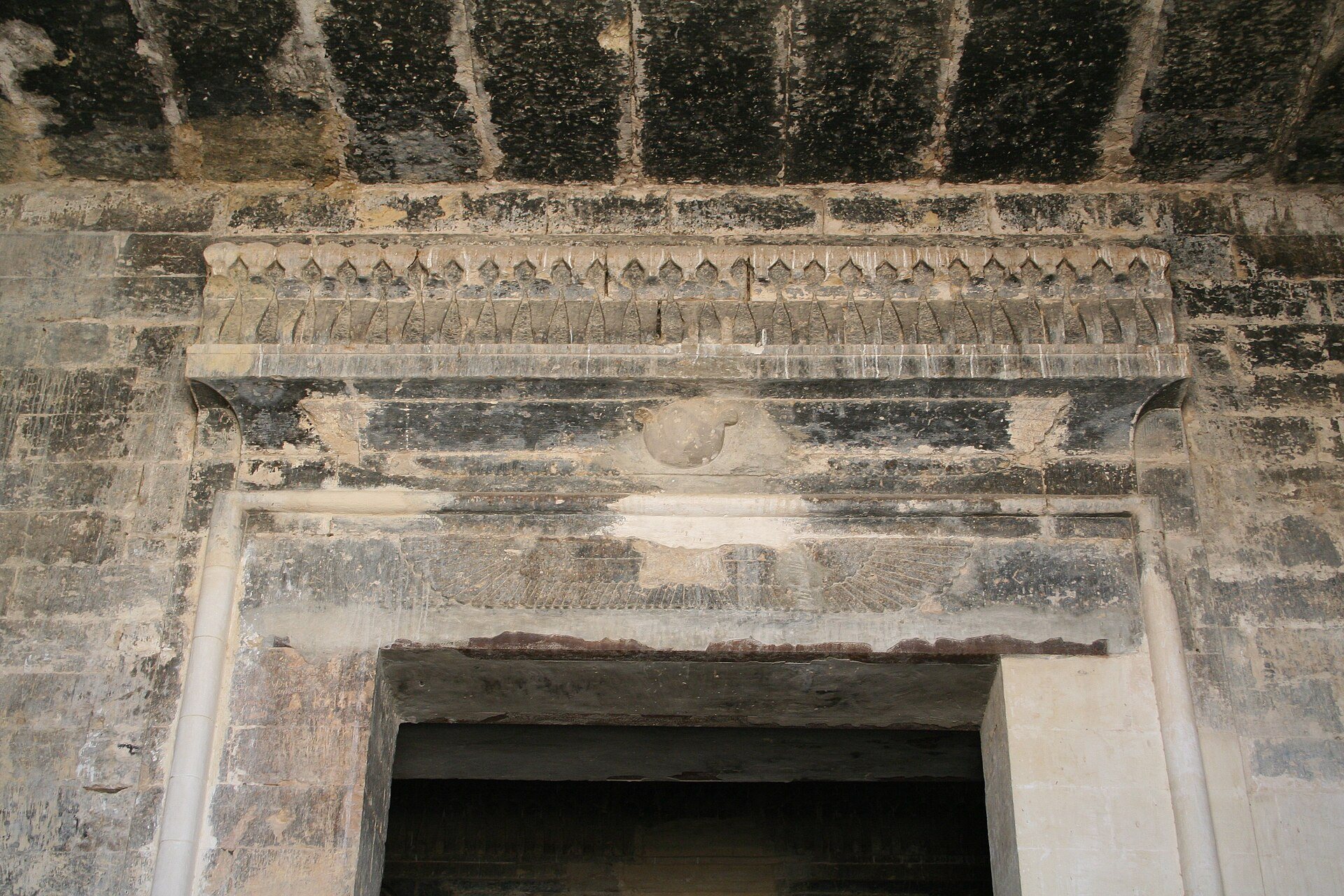
The surviving temple contains fewer than 100 chambers, including spaces used for storing grain and rooms associated with the temple priests. At its most sacred center is an inner sanctum, the temple’s most restricted area, containing a main shrine and two side shrines.
Temple chambers and sanctum
Chambers
The temple’s chambers served different practical and religious purposes. Some held grain, while others were used by the priests responsible for the temple’s activities.
Inner sanctum
On December 21 each year, sunlight enters the inner sanctum and directly illuminates it for approximately 25 minutes. The light reaches the main shrine and the shrine on the right, while the shrine on the left remains unilluminated.
The left-hand shrine contained a crocodile mummy associated with Sobek. Its exclusion from the annual sunlight was understood as a form of protection, reflecting the belief that sunlight belonged to the world of the living rather than to the afterlife.