Tiantishan Grottoes: Northern Liang Buddhist Cave Temples in China
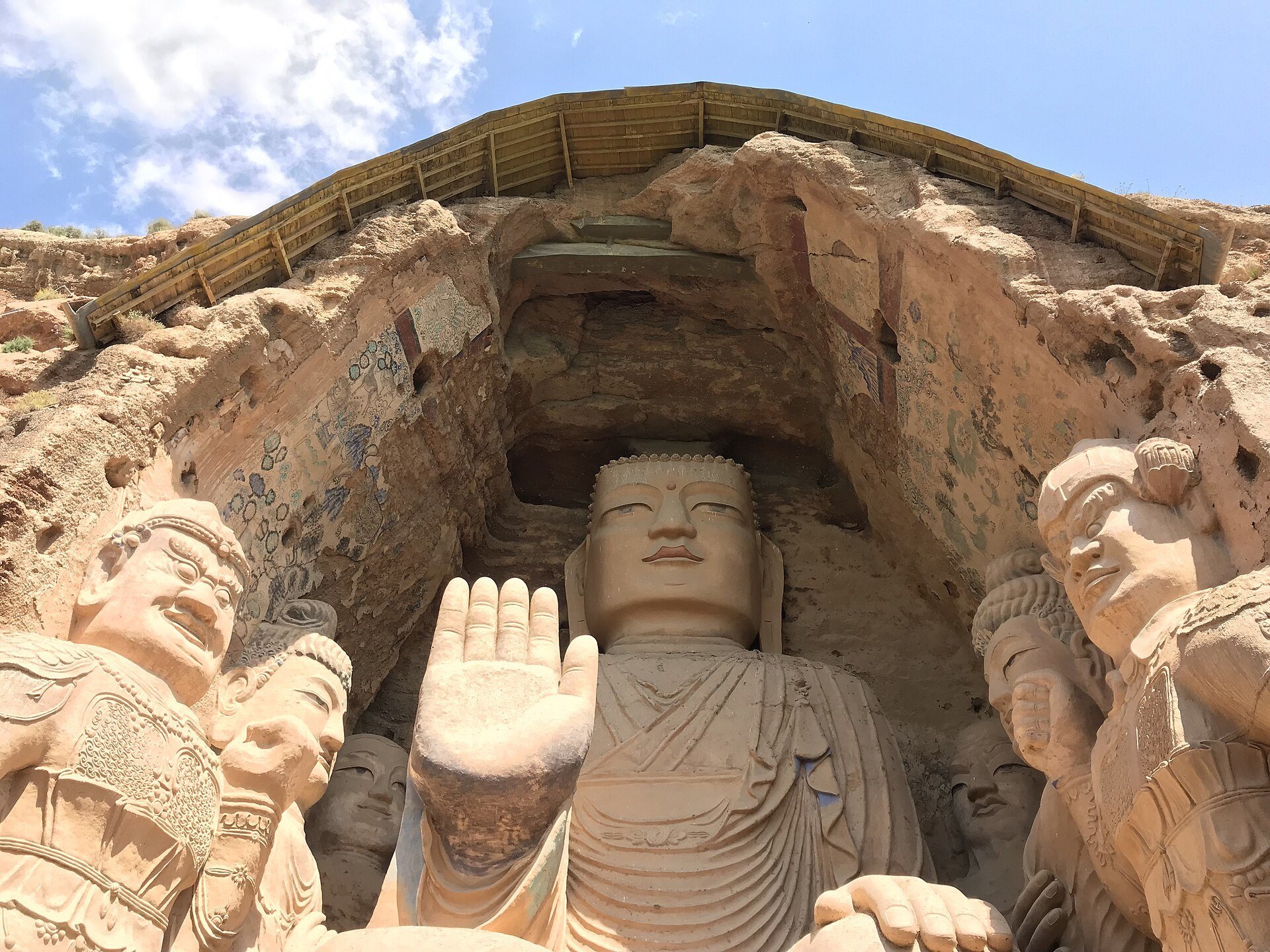
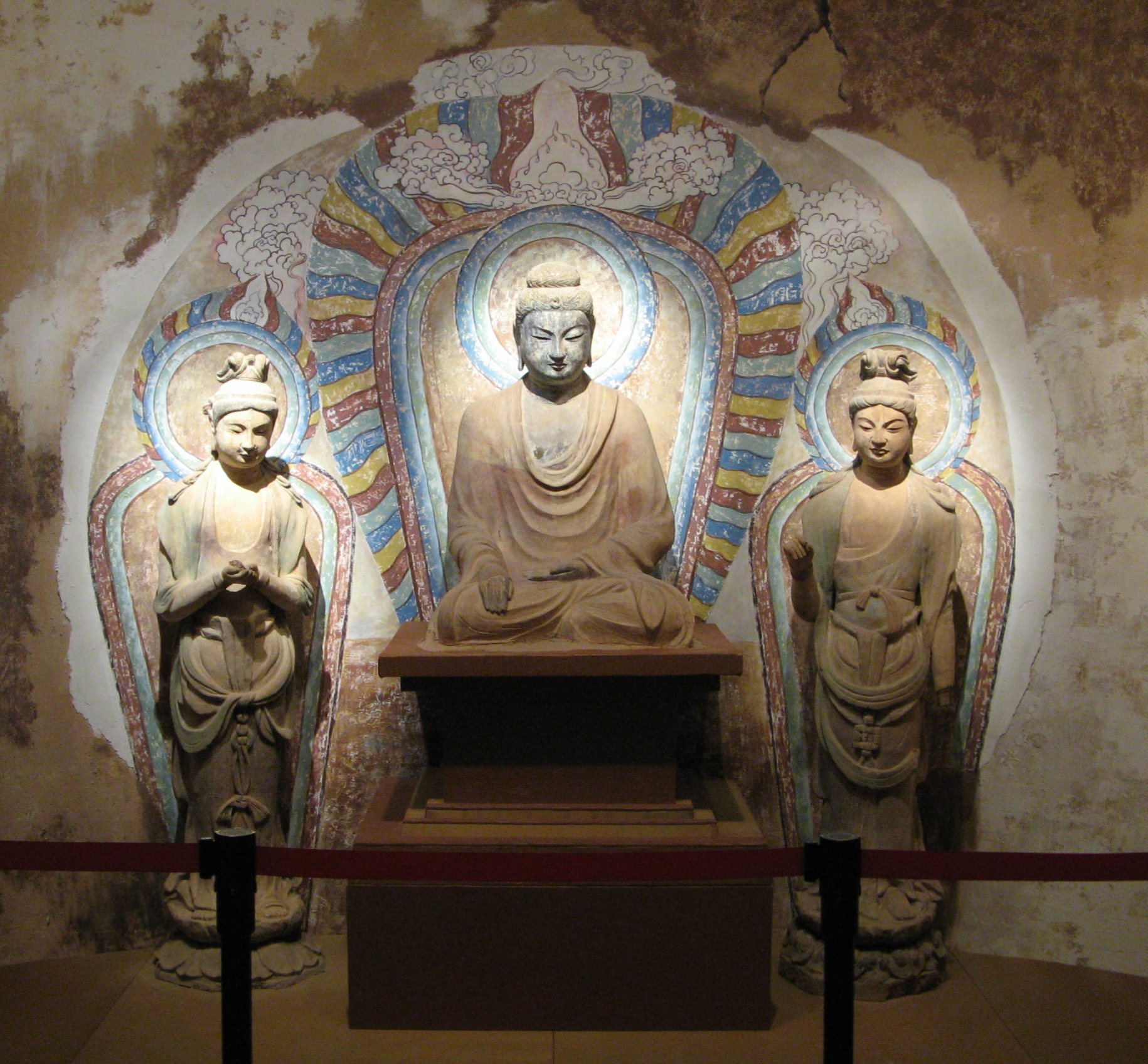
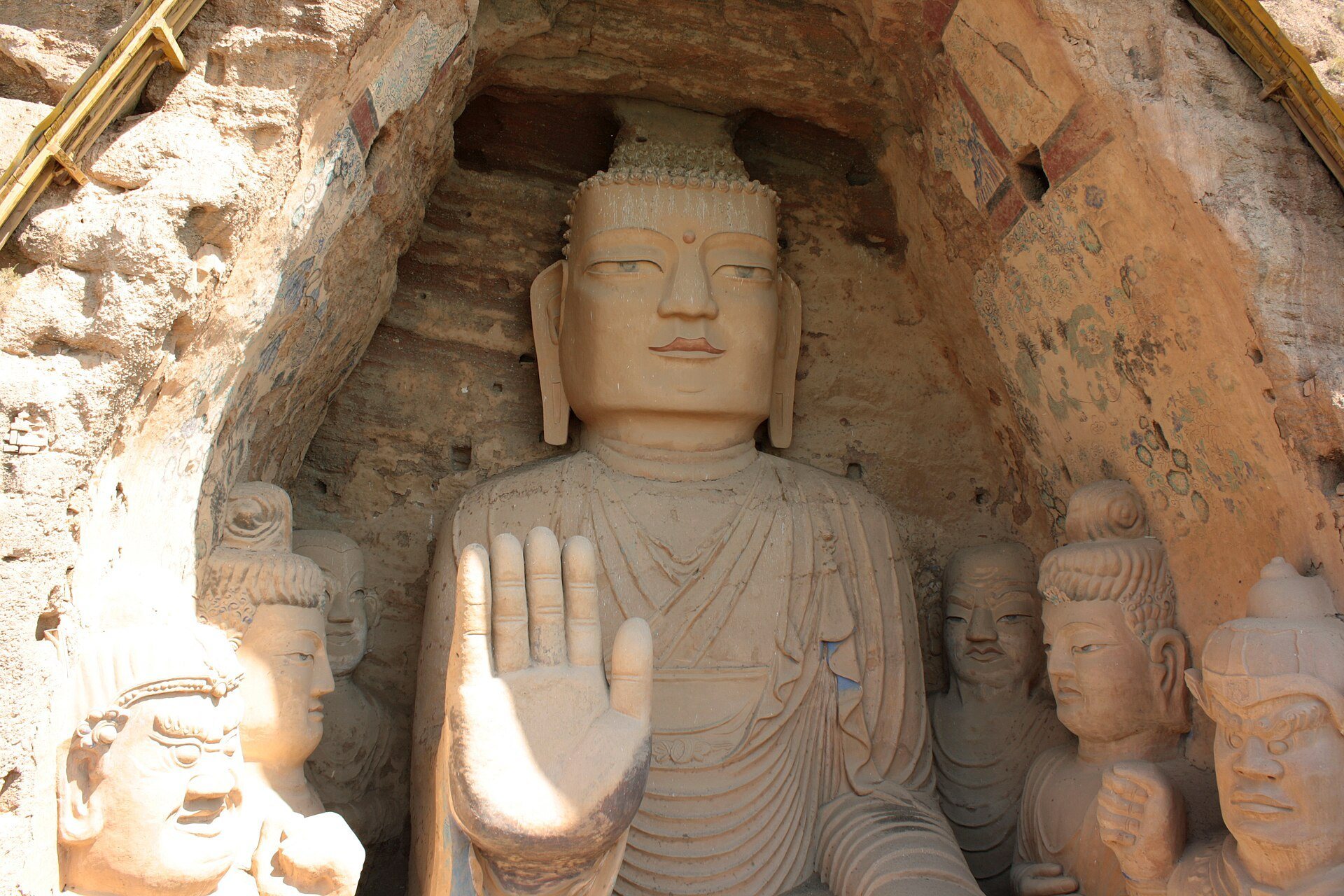
Site at a Glance
- Rating
- 4.3
- Popularity
- Very Low
- Country
- China
- Primary era
- Medieval
- Eras represented
- Classical, Medieval, Early Modern, Modern
- Civilizations
- Ming, Qing, Tang, Western Xia, Yuan
- Site type
- Religious
- Remains
- Temple
On this page14 sections
History
Tiantishan Grottoes are a Buddhist cave-temple complex in Gansu, China, begun under the Northern Liang around AD 412–439 and expanded through successive periods of Chinese rule. Cut into the cliffs of the Qilian Mountains south of Liangzhou, the grottoes form one of China’s earliest Buddhist cave complexes and are associated with the origins of the Liangzhou tradition of grotto development.
Origins under the Northern Liang
The grottoes are identified with the earlier Liangzhou Grottoes, which were opened about 100 li south of Liangzhou during the reign of Juqu Mengxun, ruler of the Northern Liang. The Northern Liang was a state based in the Hexi Corridor during the Sixteen Kingdoms period. After Juqu Mengxun moved his capital to Liangzhou in AD 412, work began on the mountain caves.
The Tang monk Daoxuan attributed the project to Juqu Mengxun’s devotion to meritorious Buddhist works and to his wish to create a religious foundation in the mountains rather than leave such efforts subject to the impermanence of a city. Four surviving caves, numbered 1, 4, 17, and 18, were cut during the Northern Liang.
Expansion and religious change
Construction, decoration, and alteration continued under the Northern Wei, Northern Zhou, Sui, Tang, Western Xia, Yuan, Ming, and Qing. The Wei Shu describes Buddhist monks and teachers moving east after the Northern Wei conquered the Northern Liang and followed the conquest with persecution. The form, images, and construction of the grottoes nevertheless indicate continued activity at Tiantishan.
After the Tang dynasty, the name Tiantishan disappeared from the historical record, although work in the caves continued into the Qing period. By the Ming and Qing, the complex had become a Tibetan Buddhist monastery. A Ming reconstruction inscription described 26 caves and a large monastery arranged on eight levels, with two bell-and-drum towers, two side galleries, and a mountain gate.
Collapse, relocation, and protection
Five caves collapsed over the centuries, and an earthquake in 1927 worsened the damage. In the early years after 1949, only 16 caves remained. The complex now consists of 19 identified caves arranged in three tiers.
An initial survey in the early 1950s established the importance of the site. In 1958–1959, the local government selected the Huangyang River basin for a reservoir intended to support irrigation. Its waters would have covered the lower two cave tiers, including 10 caves. Because the grottoes were cut into shallow red sandstone conglomerate, prolonged immersion threatened both the rock and the surviving art.
A relocation and protection operation began in November 1959, with specialists from the Dunhuang Academy and the Gansu Provincial Museum. They copied and photographed the caves, surveyed and cleared the site, excavated materials, removed sculptures, and detached sections of wall painting. The excavated objects, sculptures, paintings, and fragments were transported to the Gansu Provincial Museum in April 1960. Much of the written and photographic record from the operation was later lost, including all written records and color photographs, most black-and-white photographs, and most mural copies.
In 1992, a reinforced-concrete cofferdam, a watertight barrier used to keep water from a protected structure, was built around the Great Buddha Cave. It isolated seven Buddha statues that had been immersed for more than 30 years. Specialists also strengthened the rock mass and repaired the sculptures, while a protective slope and related infrastructure were added around the cave.
In 2001, the Tiantishan Grottoes became a Major Historical and Cultural Site Protected at the National Level, reflecting their importance as one of China’s earliest Buddhist grotto complexes. In 2006, materials were returned from the Gansu Provincial Museum to Wuwei under a policy favoring restoration at the original site and position. The returned group included more than 120 square meters of murals from the Northern Wei, Sui, Tang, Yuan, and Ming periods, 22 sculptures, nine Buddha heads, and 25 boxes of sculpture and mural fragments.
In 1994, the archaeologist and grotto specialist Su Bai proposed that Chinese grottoes originated in the Liangzhou Grottoes. He called the proposed early pattern of development and artistic transmission the “Liangzhou Model,” and Tiantishan is regarded as its surviving example.
Remains
The grottoes occupy the eastern cliffs of the Huangyang River in the Qilian Mountains, on steep southwestern cliffs of Tiantishan about 50 kilometers south of historic Liangzhou. Nineteen rock-cut Buddhist caves are distributed across three tiers, with the highest tier approximately 60 meters above the ground. The caves were cut into shallow red sandstone conglomerate, a geological condition that made prolonged contact with reservoir water a threat to their stability.
Cave arrangement and principal sculpture
Three-tier cave complex
The surviving caves form three levels on the cliff. Caves 1, 4, 17, and 18 belong to the Northern Liang phase. The remaining caves follow forms associated with the Sui and Tang periods, although they were rebuilt or extensively repaired in later centuries. More than 100 sculptures and several hundred square meters of wall paintings are associated with the complex.
Great Buddha Cave
The Great Buddha Cave contains a particularly large Buddha image and seven Buddha statues that were immersed for more than 30 years before the protective barrier was built around them in 1992. The cave’s rock mass was reinforced and its sculptures repaired. Most of the other sculptures were removed during the 1959–1960 relocation, while some later returned to Wuwei.
Murals and artistic periods
Northern Liang murals
The Northern Liang paintings include thousand-Buddha compositions, which repeat numerous small Buddha figures, along with flying celestial beings, bodhisattvas, and heavenly kings. The artists painted directly onto smoothed and compacted mud plaster. Their method used forceful linear modeling, a red-earth ground, and successive layers of color.
Northern Wei murals
Northern Wei murals depict flying celestial beings, bodhisattvas, thousand-Buddha compositions, Buddhas, and donor figures. Donor figures represent people who sponsored or participated in acts of religious devotion. The figures are slender and restrained, with controlled outlines, carefully organized compositions, and predominantly blue and green colors applied with varied tones.
Tang murals
The Tang paintings span several phases. Early Tang works include musicians and donor portraits. High Tang paintings contain three standing Buddhas and a bodhisattva, while Middle Tang works include donor figures. A thousand-armed Guanyin belongs to the Late Tang phase. Guanyin is a Buddhist bodhisattva associated with compassion, and the thousand-armed form represents the ability to respond to beings in many circumstances. Tang religious figures have a more worldly appearance and stronger rounded volume, while aesthetic concerns became more prominent.
Ming murals
Ming murals use relatively simple subjects and compositions centered on Buddhas and heavenly kings. Their bright, elegant colors and forceful, expansive style distinguish them from the more elaborate programs of earlier periods.
Relocated remains and associated materials
The relocation campaign detached approximately 50 square meters of wall painting and removed nearly 300 square meters of paintings, 43 sculptures, excavated cultural materials, and 25 boxes of fragments. The detached colors later faded through prolonged natural weathering. Materials returned in 2006 included 22 sculptures, nine Buddha heads, more than 120 square meters of layered murals, and the 25 boxes of fragments.
The grotto complex is also associated with manuscripts in Chinese and Tibetan from the Wei, Sui, and Tang periods, together with Han and Tang silk paintings. These materials, along with the sculptures, murals, and fragments, extend the evidence for the site’s long history of Buddhist worship and artistic production.