Fukui Cave: A Paleolithic and Early Jomon Rock Shelter in Japan
Site at a Glance
- Rating
- 3.8
- Popularity
- Low
- Country
- Japan
- Primary era
- Stone Age
- External website
- Open
- Eras represented
- Stone Age
- Civilizations
- Jomon
- Site type
- Domestic
- Remains
- House
On this page10 sections
History
Fukui Cave is a rock-shelter archaeological site in Japan, near Sasebo in Nagasaki Prefecture, occupied from the Late Paleolithic, or Old Stone Age, through the incipient Jomon period. Human presence at the cave dates back at least about 30,000 years. The site is especially important for evidence of early pottery and for the relationship between pottery production and microblade technology.
Discovery and archaeological investigations
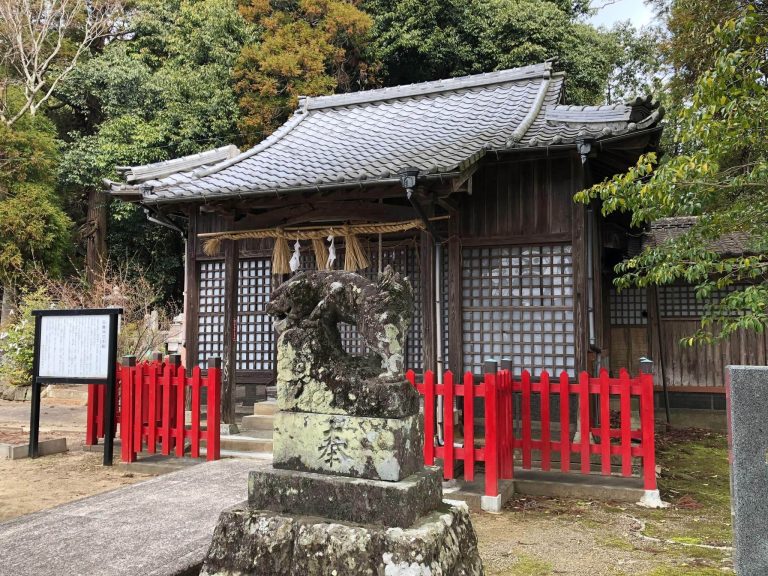
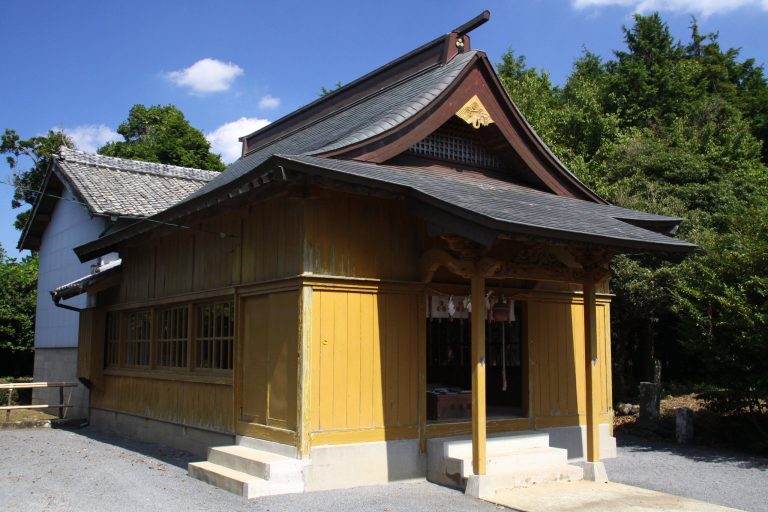
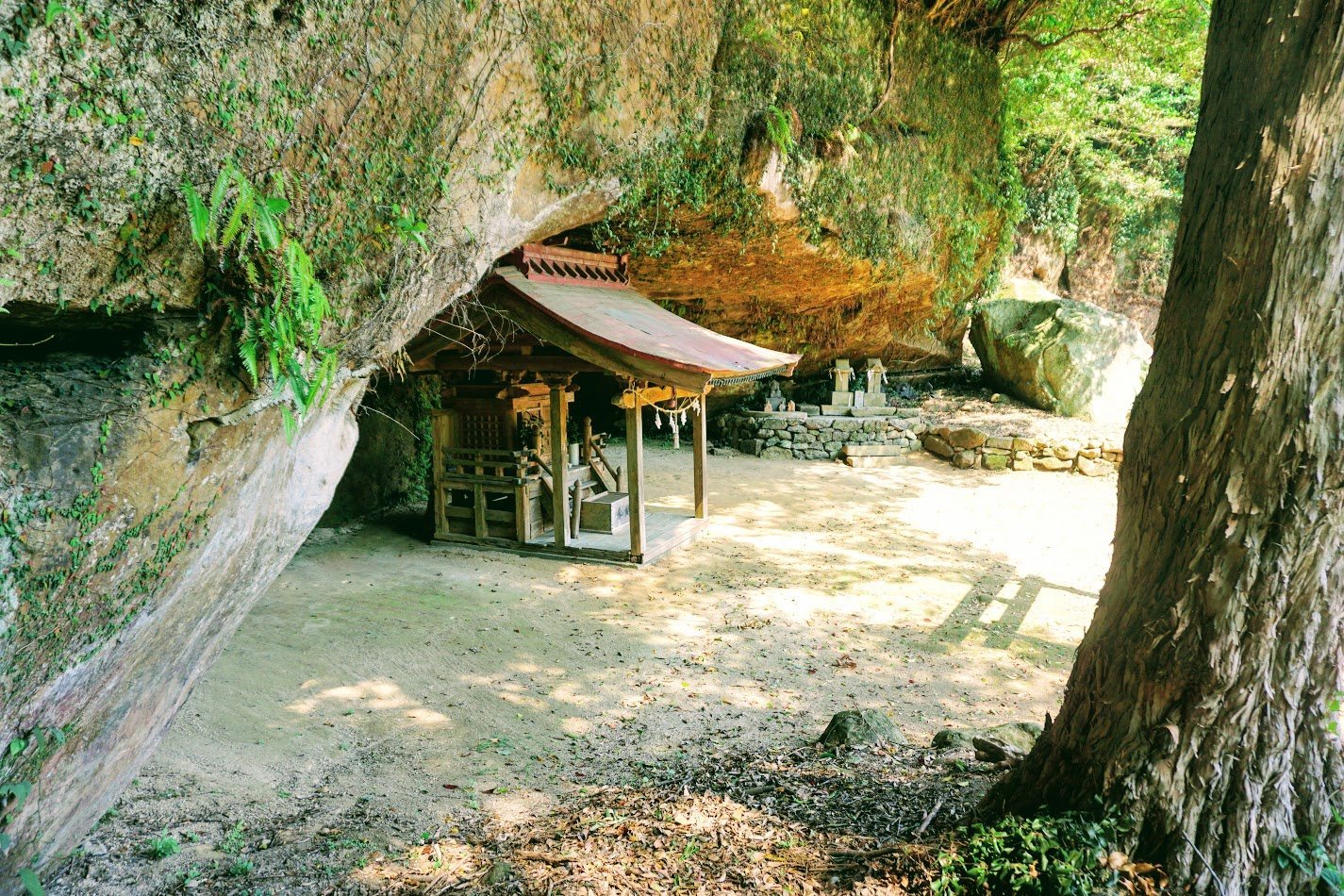
The cave lies within the grounds of an Inari shrine, a Shinto shrine associated with a kami traditionally connected with agriculture, prosperity, and commerce. During renovation work in 1936, workers removed about one metre of soil and exposed Jomon pottery and stone tools. Local historian Junichi Matsuse drew attention to the archaeological importance of the finds.
Archaeologists, including Chosuke Serizawa and Yoshimasa Kamaki, investigated Fukui Cave in three campaigns between 1960 and 1964, with the Japanese Archaeological Association also involved. These excavations established the importance of the site’s Paleolithic and incipient Jomon occupation. A later re-excavation ran from 2011 to 2015 and used modern methods, including photogrammetry, to examine the cave’s formation, ancient environment, and relationship to human activity. The work identified hearths, plant remains, and animal remains. The area directly beneath the shrine’s main hall remains unexcavated, so the full extent of the site is not known.
Early pottery and changing technologies
Fukui Cave yielded about 70,000 artefacts, most of them microblades, which are small, narrow stone blades struck from specially prepared cores. Clear evidence of human occupation occurs in Layers 12 and 13, dated to approximately 18,000 to 19,000 years ago. A landslide near the cave about 17,500 years ago collapsed part of the roof and carried sand and soil into the shelter, altering the deposits.
Pottery from Layers 2 to 4 was the first Paleolithic pottery excavated and identified in Japan. It prompted further investigation into the origins of pottery manufacture. The vessels record a change from slender raised clay ridges to fingernail-like impressions. Together with nearby Senpukuji Cave, Fukui Cave provides important evidence for the early development of ceramics in Japan. Some pottery from the cave dates to approximately 12,000 to 13,000 years ago, while other estimates place pottery from the site at around 12,700 years ago, among the oldest known pottery dates in the world.
Later history and protection
The cave is believed to have been the location of a sixteenth-century shrine associated with the boundary of nearby Naoya Castle, the predecessor of the present shrine. Fukui Cave became a National Historic Site of Japan in 1978, and an additional area received the same designation in 2010. In 2024 it became a Special Historic Site, the first Paleolithic site in Japan to receive that status.
In 2020, excavated materials from Fukui Cave were collectively designated National Important Cultural Properties. The designation covers 18 pottery fragments, 269 stone tools, and 343 associated flakes, chips, and fragments. The collection is kept at Fukui Cave Museum.
Remains
Rock shelter and archaeological setting
Fukui Cave is a west-facing shelter on the left bank of the Fukui River, a tributary of the Saza River, at an elevation of about 80 metres. It opens beneath a large projecting rock within the shrine grounds. The shelter is approximately 12 metres wide, 6 metres deep, and 3 metres high. Its steep walls are formed of sandstone, while volcanic basalt from the Late Miocene occurs in the surrounding area. Landslides altered the course of the Fukui River and helped shape the shelter in its present form.
The deposits extend through 15 sedimentary layers to a depth of approximately 5.5 metres, including seven cultural layers. The excavated area includes eastern and western shelters, with a central shelter facing east. The shrine’s main hall stands in the central area. The wider site also includes the Naoya Rock Shelter, an older associated shelter approximately 1.5 kilometres to the south.
Stratified deposits
Upper archaeological layers
Layer 1 contains stone arrowheads and impressed pottery associated with the Early Jomon period. Layers 2 and 3 contain boat-bottom-shaped microblade cores and microblades. Layer 2 also includes claw-impressed pottery, while Layer 3 contains vessels decorated with raised clay lines. The earliest pottery used applied dots or strips of clay rather than cord impressions, and CT examination identified fibres from a fern species kneaded into the clay. Layer 2 vessels include semicircular decoration, while Layer 1 pottery includes roulette patterns.
Lower archaeological layers
Layer 4 contains semicircular-conical microblade cores, microblades, a circular stone tool worked on one face, and pointed tools. It is a stone-tool layer without pottery, although its microblades have the same form as those in the higher pottery-bearing layers. Layers 5 and 6 are sterile. Layer 7 contains small cores and small blades representing an earlier or different technological form related to the development of microblades. The tools and cores in Layer 7 and below were made by a different technique from those in the higher layers.
Obsidian, a volcanic glass that produces very sharp edges, first appears in Layer 7, where it replaced or greatly reduced the earlier use of sanukite, a dense volcanic stone used for chipped tools. This change has been associated with access to, or exchange involving, obsidian sources in the wider northern Nagasaki region, including areas around Matsuura, Imari, Sasebo, and Kawatana. Layer 9 contains sanukite cores and wing-shaped flakes, showing that chipped tools were made there. The lowest excavated layer, Layer 15, contains sanukite tools, including a large bifacially worked spear-point-shaped implement, a scraper, and blade flakes. Radiocarbon dating places this material more than 30,000 years ago.
Organic remains and unusual finds
The excavated deposits include a hearth, stone paving, wild-boar teeth, and plant remains. During the Paleolithic occupation, temperate forest surrounded the cave and supplied chestnuts, walnuts, and acorns. One clay disc and two sandstone discs, each pierced at the centre, came from Layers 2 and 3. Their function remains unknown, and this combination is rare in prehistoric archaeology. A stone bearing linear engravings was also found and is considered possibly among the oldest examples of such marks in Japan.