Pravin Rai Mahal: A Palace in Orchha, India
Site at a Glance
- Rating
- 4.7
- Popularity
- Very Low
- Country
- India
- Primary era
- Early Modern
- Eras represented
- Early Modern
- Civilizations
- Rajput
- Site type
- Domestic
- Remains
- Elite Residence
On this page9 sections
History
Construction and Later Use
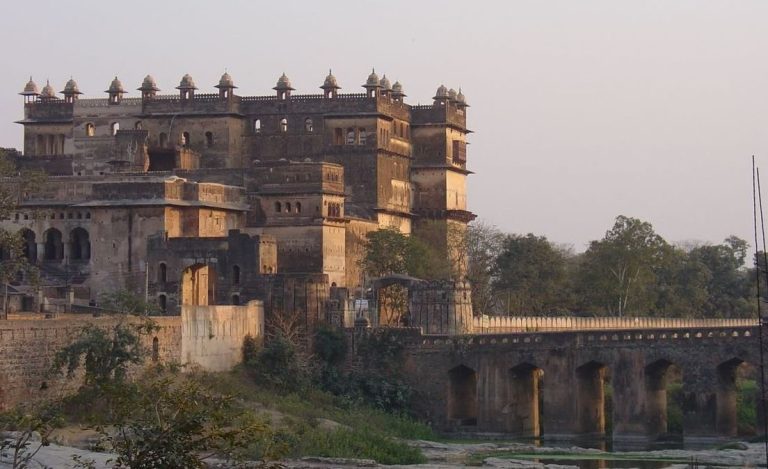
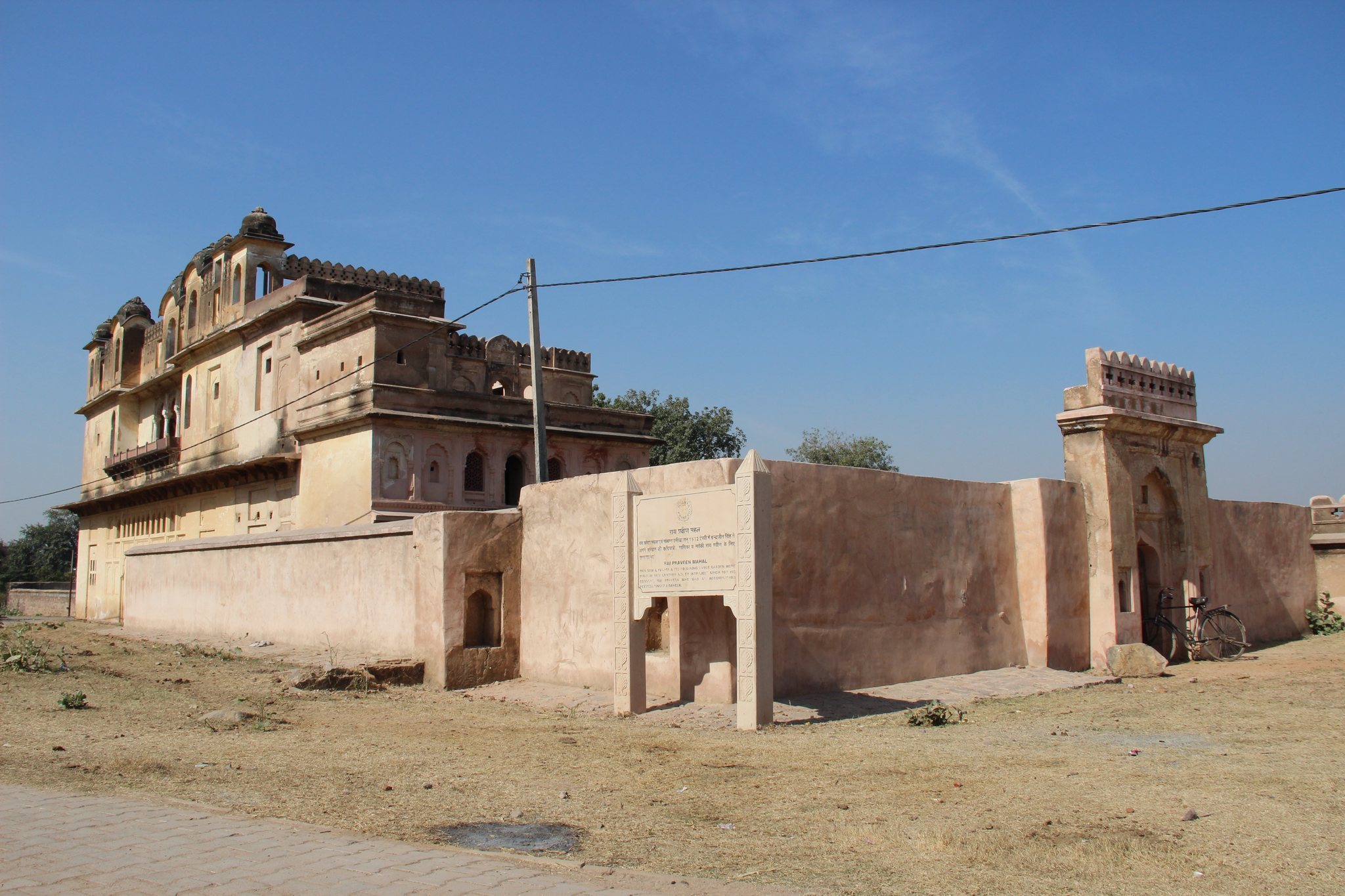
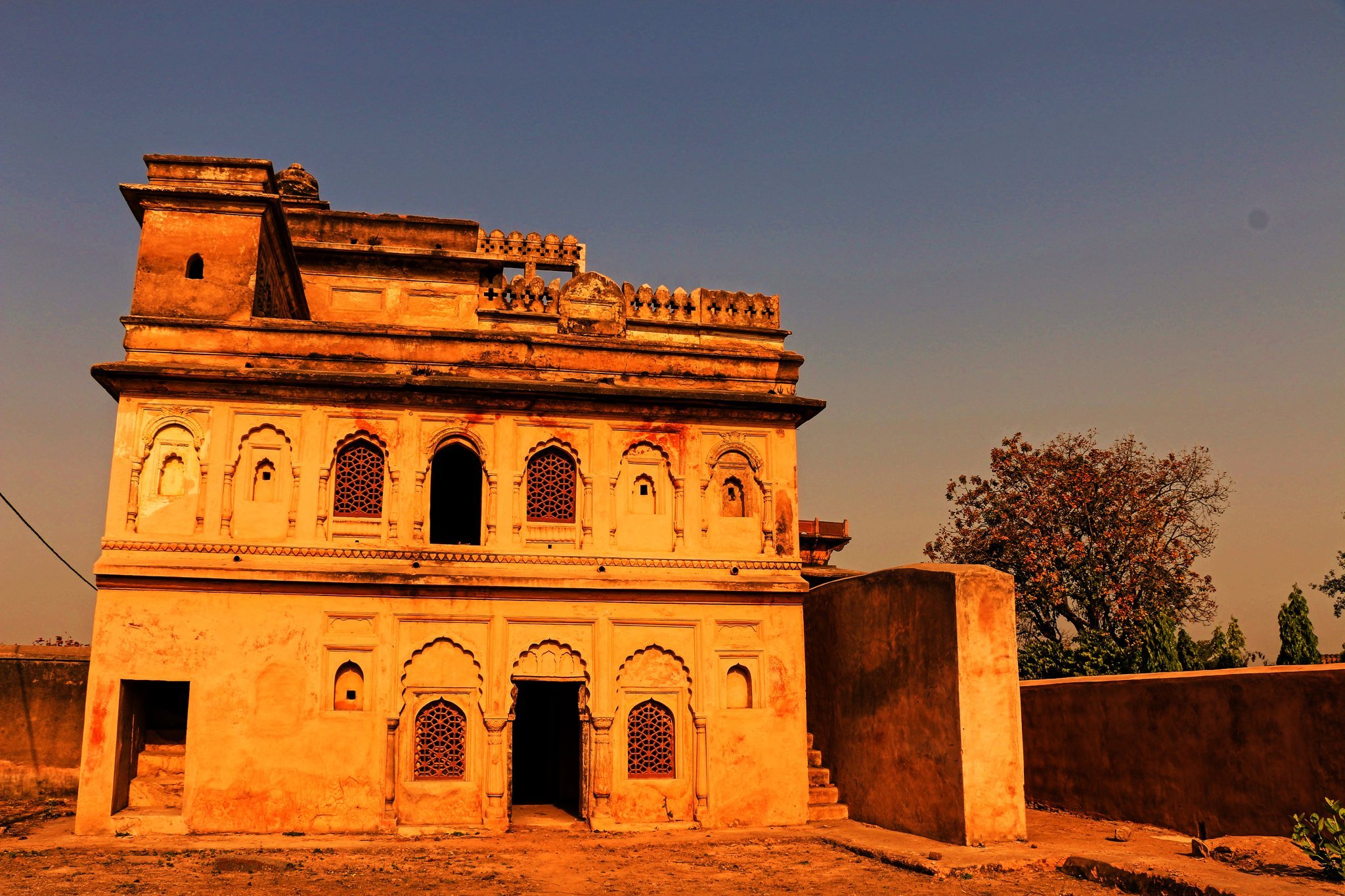
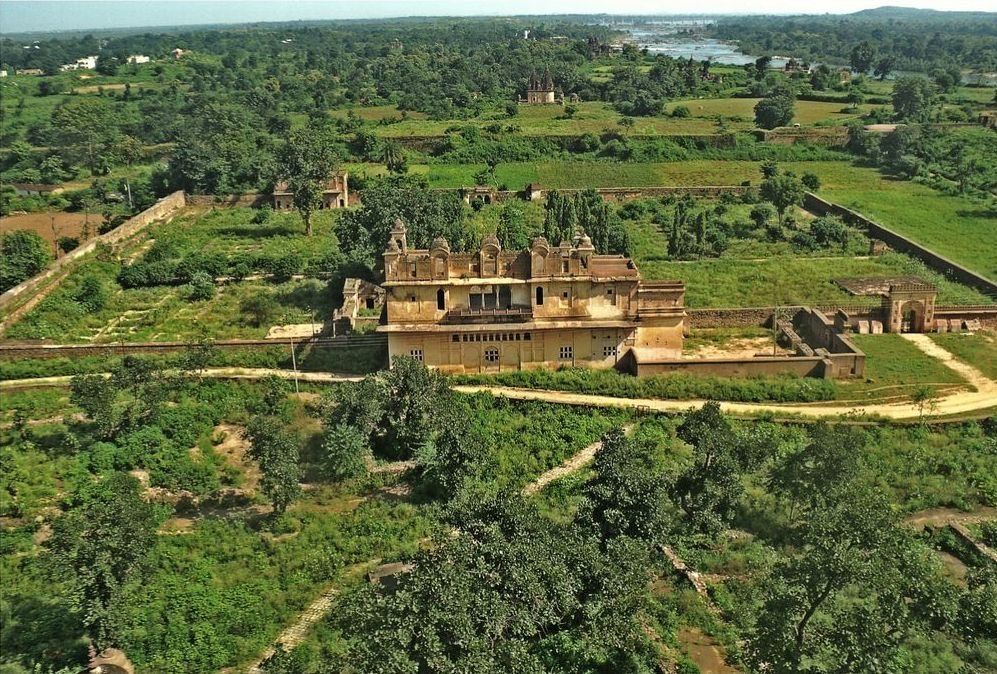
Pravin Rai Mahal is a palace in Orchha, India, built in 1618 by Prince Indrajit Singh for Pravin Rai, his favored courtesan, poet, and musician. Indrajit Singh later became king. Pravin Rai was also called the “Nightingale of Orchha,” and the palace reflects her close association with the royal court.
The building is also known as Anand Mandal Bagh and Rai Praveen Manika Bhavan. In a later phase, it served as a lookout post for Orchha Fort and became known as Tope Khana. The palace is now a state-protected monument.
Pravin Rai in Tradition and Literature
Tradition relates that Mughal Emperor Akbar summoned Pravin Rai to his court after hearing of her beauty and poetry. Akbar ruled much of northern India from 1556 to 1605. At the imperial court, Pravin Rai recited a couplet expressing her devotion to Indrajit. Akbar was impressed by her response and sent her back to him with respect.
Pravin Rai remains the central character of Indrapriya, a Hindi novel by Sudheer Maurya.
Remains
Palace and Garden
Three-Story Mansion
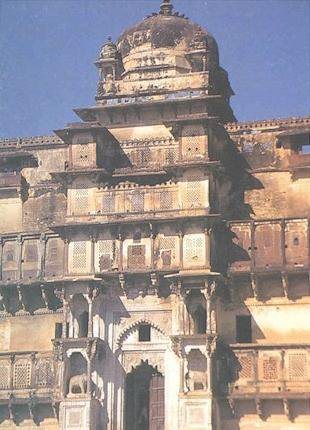
The palace has three stories and consists of a large mansion with smaller chambers. Large windows provide strong natural lighting and air circulation throughout the building. The arrangement combines ceremonial and residential spaces within the palace structure.
Painted Central Hall
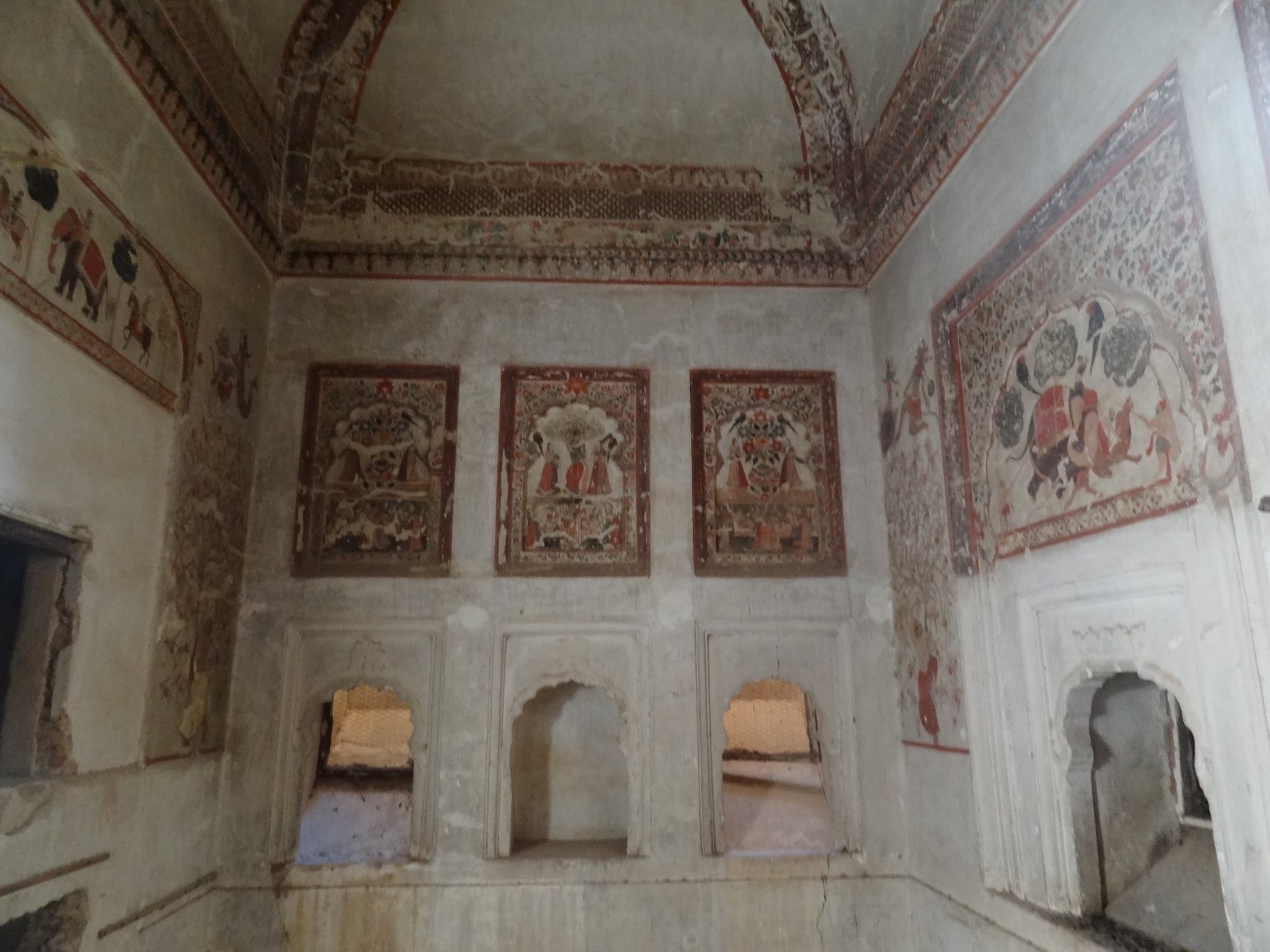
A central hall on the second floor contains multiple paintings depicting different moods of Pravin Rai. The paintings connect the interior decoration directly with the woman for whom the palace was built.
Attached Garden
An attached garden is divided into two parts and forms part of the palace complex.
Summer Room
A semi-subterranean summer room uses passive cooling, reducing interior heat through its design and natural airflow rather than mechanical air-conditioning. Its air has been measured at more than 10 degrees below the exterior temperature.