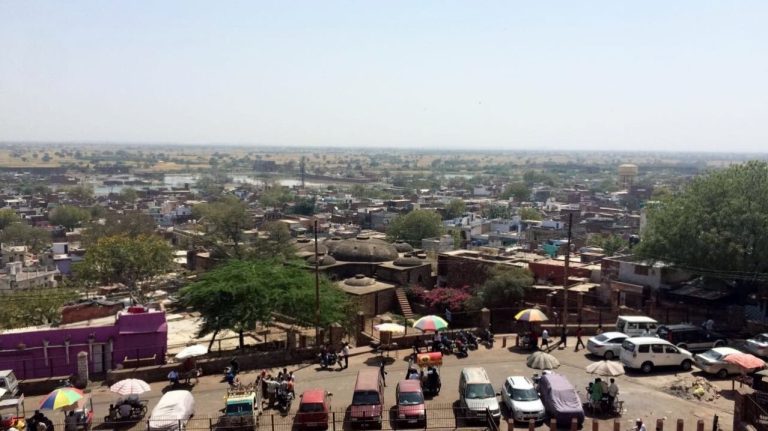
Deeg Palace: A Fortified Summer Retreat in Rajasthan
Site at a Glance
- Rating
- 4.4
- Popularity
- Medium
- Country
- India
- Primary era
- Early Modern
- Eras represented
- Early Modern
- Civilizations
- Unclassified
- Site type
- Domestic
- Remains
- Palace
On this page10 sections
History
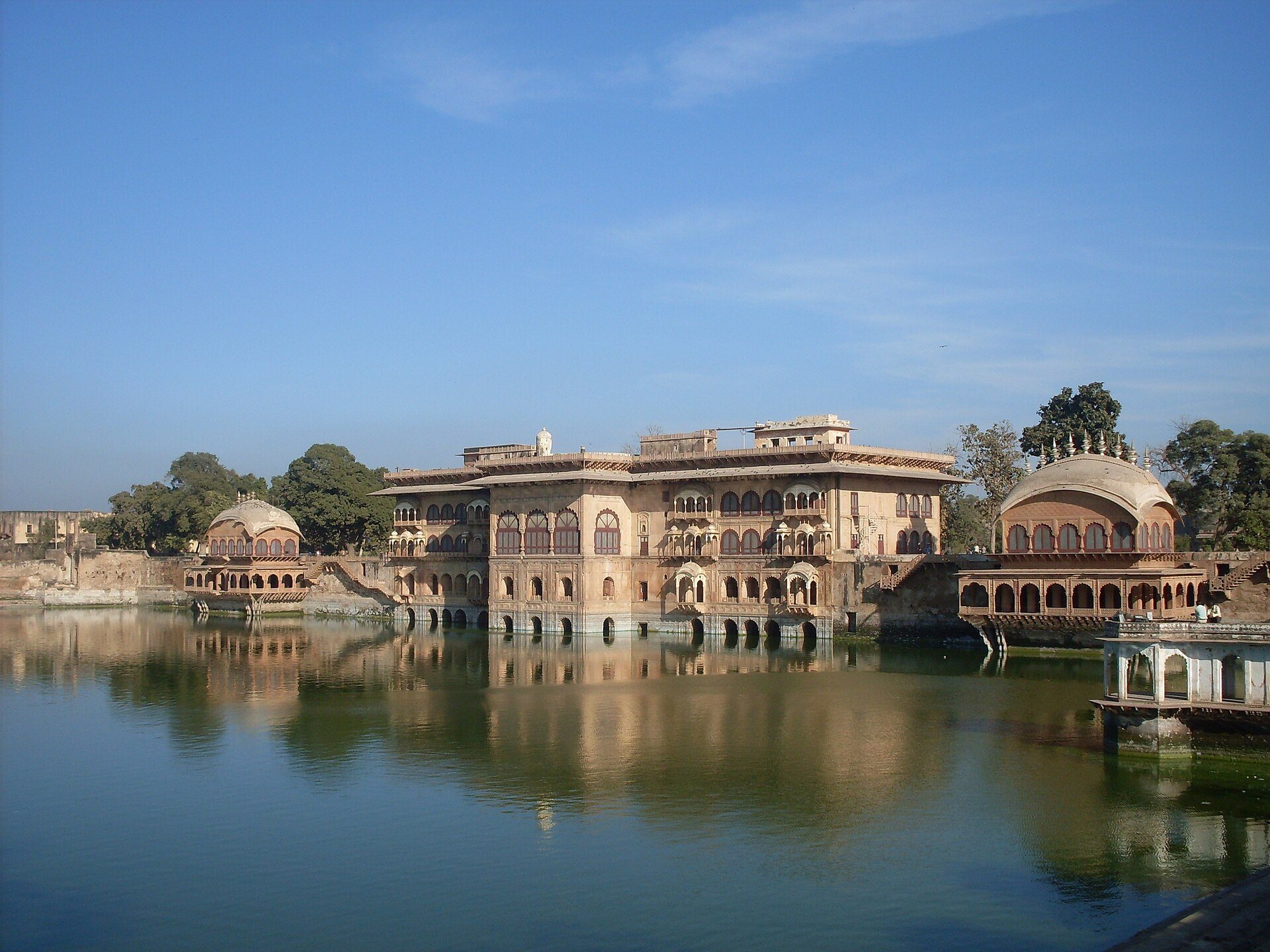
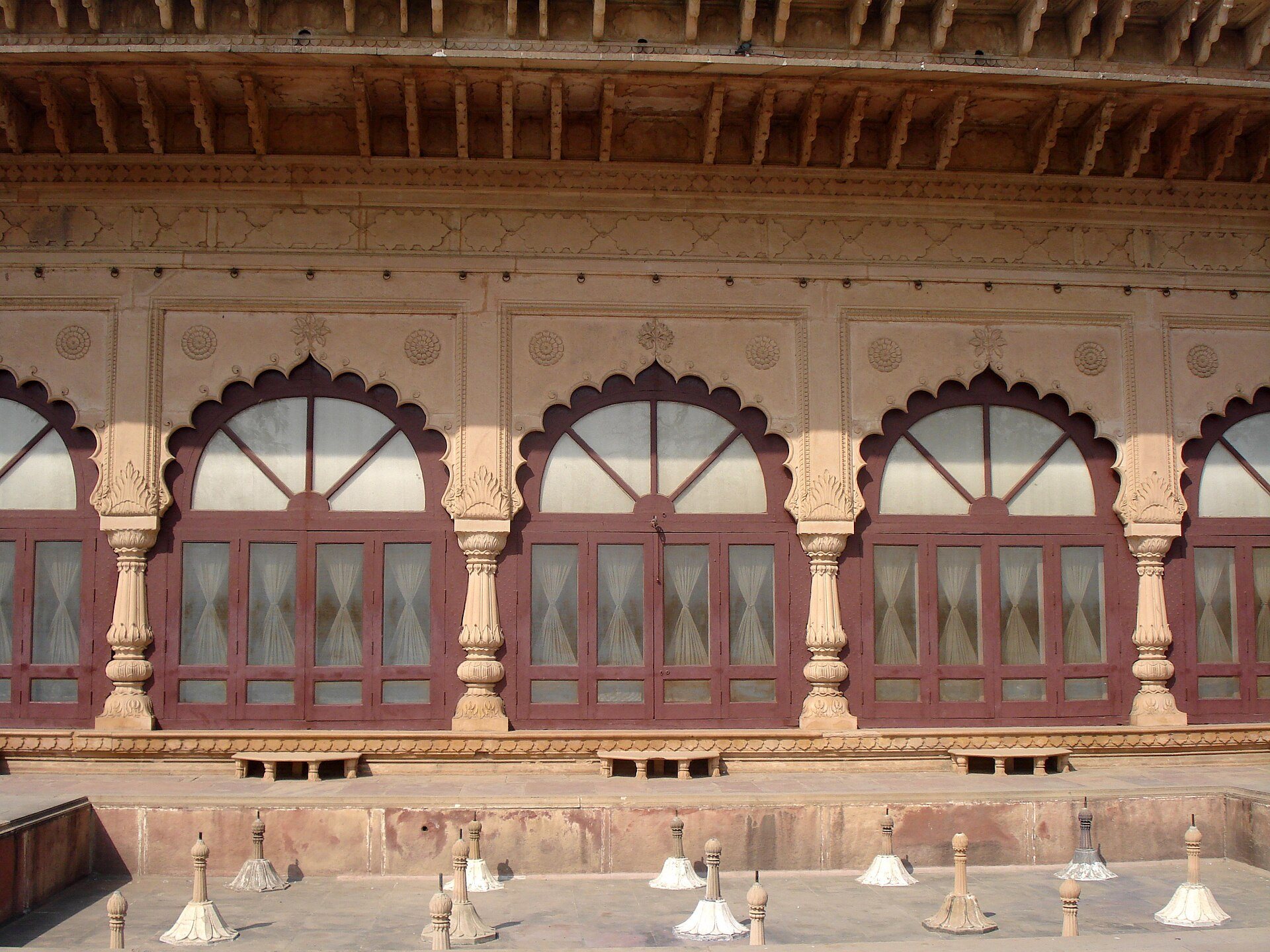
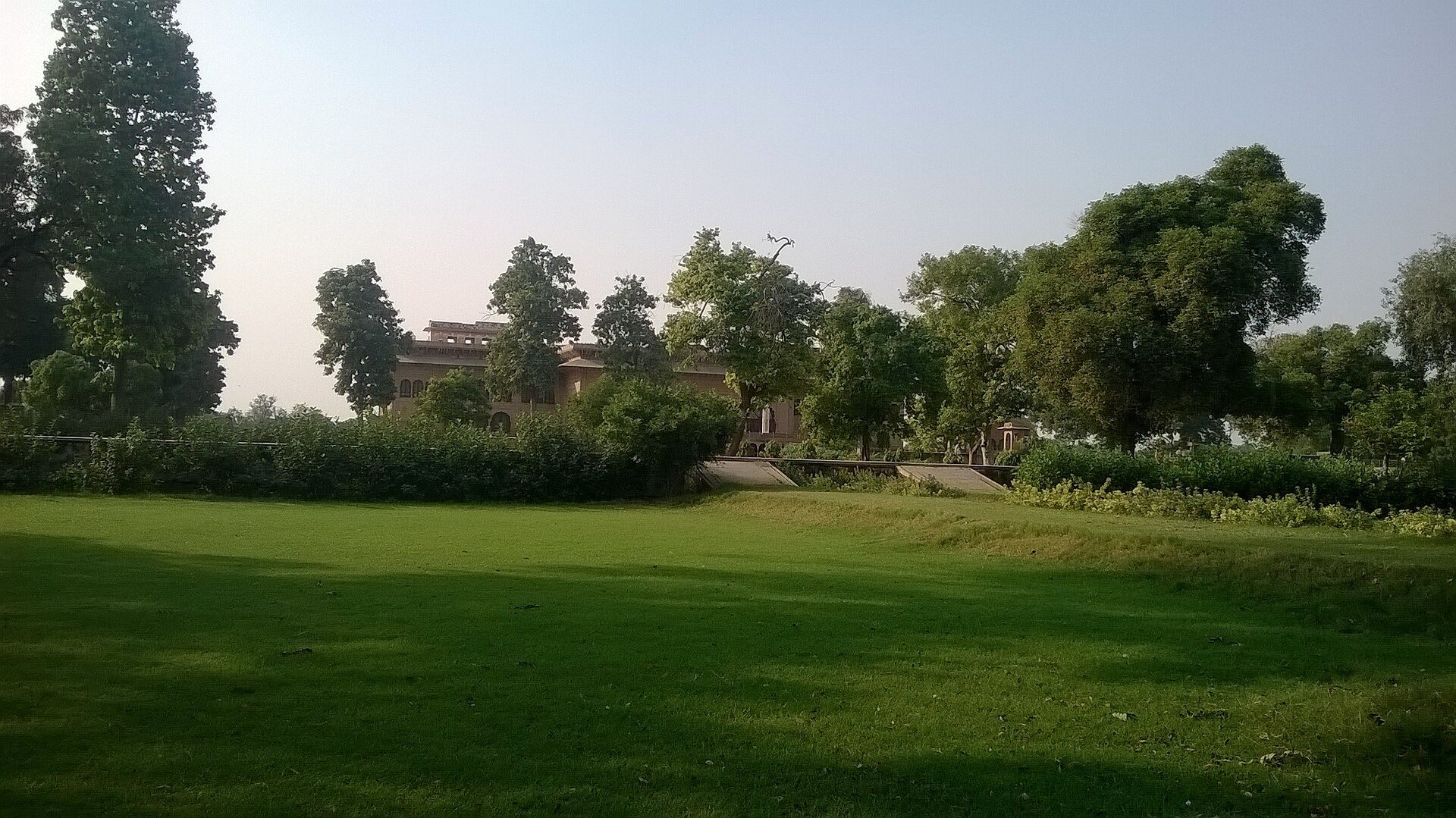
Deeg Palace is an eighteenth-century historical monument in Deeg, India, built by the Hindu Jat rulers of the Bharatpur State as a luxurious summer retreat. Its architecture combines Mughal and Rajput traditions, bringing together formal gardens, pavilions, arcades, ornament, and fortified elements.
Foundation and Expansion
Construction began in the early eighteenth century under Maharaja Badan Singh, the founder of the Bharatpur State. His son, Maharaja Suraj Mal, later renovated and enlarged the complex, which was completed in 1772. The title Maharaja means “great king,” and Suraj Mal was an eighteenth-century ruler of Bharatpur.
A Fortified State Residence
Deeg Palace served both as a summer retreat and as an administrative centre. Its strategic position near Agra allowed it to provide refuge during invasions. High defensive walls, bastions, and a moat protected the complex, which withstood several sieges. After Suraj Mal’s death in 1763, the palace declined, although it continued in use until the early 1970s.
Conservation
The Archaeological Survey of India, India’s national institution for archaeological research and monument conservation, later partially restored Deeg Palace. The Government of Rajasthan now preserves it as a monument.
Remains
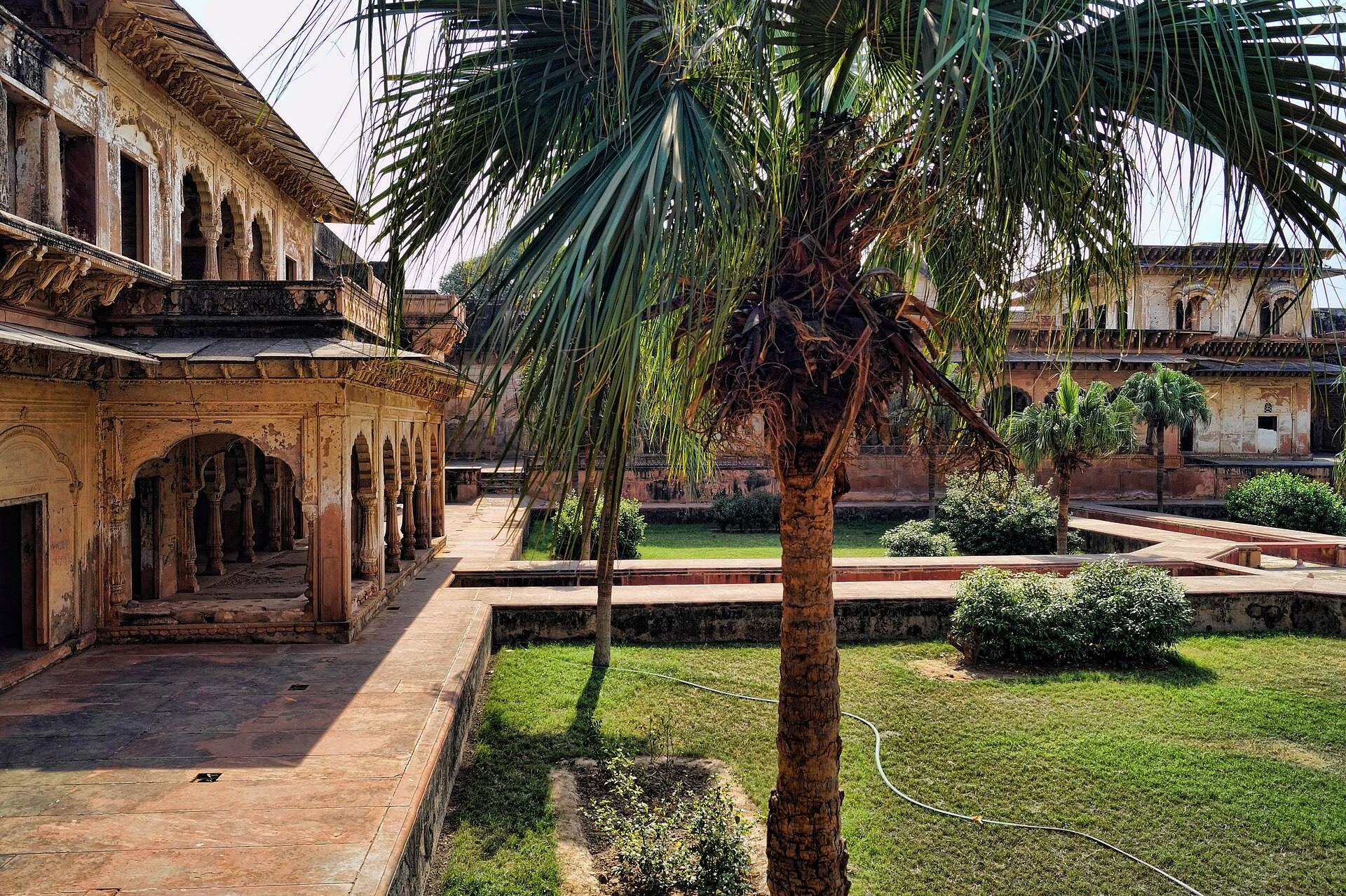
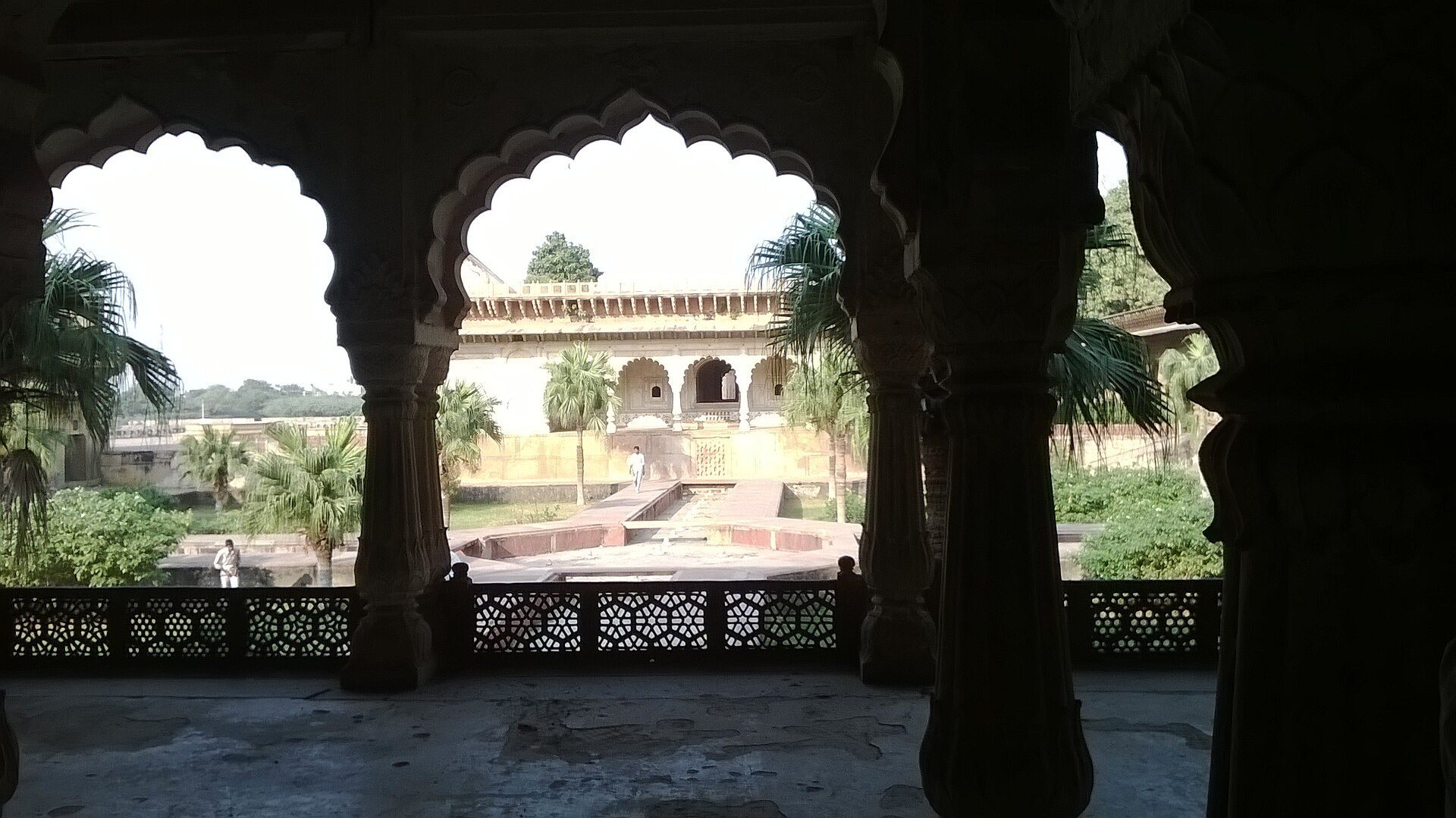
The palace complex is enclosed by high walls and includes defensive bastions and a moat. Its buildings combine Mughal and Rajput architectural features, while the formal gardens and waterworks organize the palace grounds around pavilions, channels, fountains, and reservoirs.
Palace Buildings
Gopal Bhavan
Gopal Bhavan is a two-storey residence with arches and frescoes. It forms one of the principal residential buildings within the palace complex.
Suraj Bhavan
Suraj Bhavan is a marble pavilion decorated with carved inlays. Its use of marble and detailed surface decoration distinguishes it from the larger residential structures.
Keshav Bhavan
Keshav Bhavan is an open pavilion fitted with a water system designed to imitate rainfall. The feature links the pavilion’s architecture with the palace’s wider hydraulic installations.
Gardens and Waterworks
Deeg Palace contains charbagh-style gardens, formal layouts divided into four principal sections by intersecting water channels or paths. More than 500 fountains are supplied by a hydraulic system of terracotta pipes connected to nearby reservoirs, including Gopal Sagar. Together, the gardens, fountains, pipes, and reservoirs form an integrated water landscape within the fortified complex.