Castro of A Lanzada: A Coastal Trading Settlement in Spain
Site at a Glance
- Rating
- 4.5
- Popularity
- Low
- Country
- Spain
- Primary era
- Iron Age
- Eras represented
- Iron Age, Classical
- Civilizations
- Celtic, Roman
- Site type
- City
On this page13 sections
History
The Castro of A Lanzada is an ancient castro settlement in Spain, originating in the eighth century BC and developing as a maritime trading centre on a coastal promontory. A castro was a defensible settlement tradition characteristic of northwestern Iberia during the later prehistoric and Roman periods. The site remained active as a commercial centre from around 800 BC until the sixth century AD, with connections extending across the western and eastern Mediterranean.
Early settlement and maritime exchange
The earliest evidence comes from Late Bronze Age pottery fragments found about four metres below ground during excavations between 1969 and 1972. Because only a limited area was investigated, the extent of this earlier occupation remains uncertain. The settlement that developed from the eighth century BC was linked to long-distance exchange, as shown by pottery from Ibiza, Egypt, Tunisia, Lebanon, Palestine, and Turkey.
The site continued to operate for approximately 1,500 years, including centuries after the disappearance of the Roman Empire. Its burial ground remained in use until the third or fourth century AD. The settlement had two principal sectors divided by the coastal road. The eastern outer sector contained habitation and burials dating to the third century BC, while occupation continued on the coastal promontory after the outer sector was abandoned.
Abandonment and later occupation
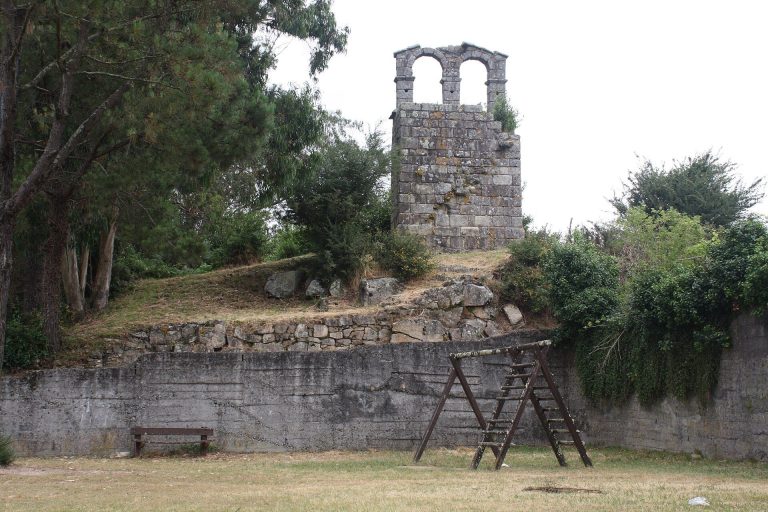
The outer sector appears to have been abandoned in the third century BC, probably after a fire represented in the third and fourth archaeological levels. Activity continued in the coastal sector. Medieval occupation is shown by a medieval archaeological layer, and the remains of the Tower of Lanzada, a medieval fortress, stand near the castro.
Local traditions connect the necropolis, a designated burial ground associated with a settlement, with the Santa Compaña, which was said to have departed from A Lanzada toward the Ons Islands. Another tradition links the graves with Mourelos, where legendary “Moors” were believed to have died during a great epidemic and been buried at Campo de A Lanzada. These stories reflect longstanding local awareness of the burial ground.
Documentation and archaeological work
The first documented references to A Lanzada date from the eighteenth century. Father Martín Sarmiento, a Galician scholar and Benedictine monk who recorded the region’s language and antiquities, described the point of A Lanzada, drew parts of it, and reported the discovery of nine tombs. He also mentioned a Roman altar, the chapel, and what he interpreted as a Roman lighthouse.
Road-widening in 1949 exposed human remains. The Museum of Pontevedra then organized excavations directed by Filgueira Valverde, with the participation of Sánchez Cantón. This work uncovered a Roman house, the necropolis, and a medieval archaeological layer. The finds from the campaign are preserved in the Museum of Pontevedra.
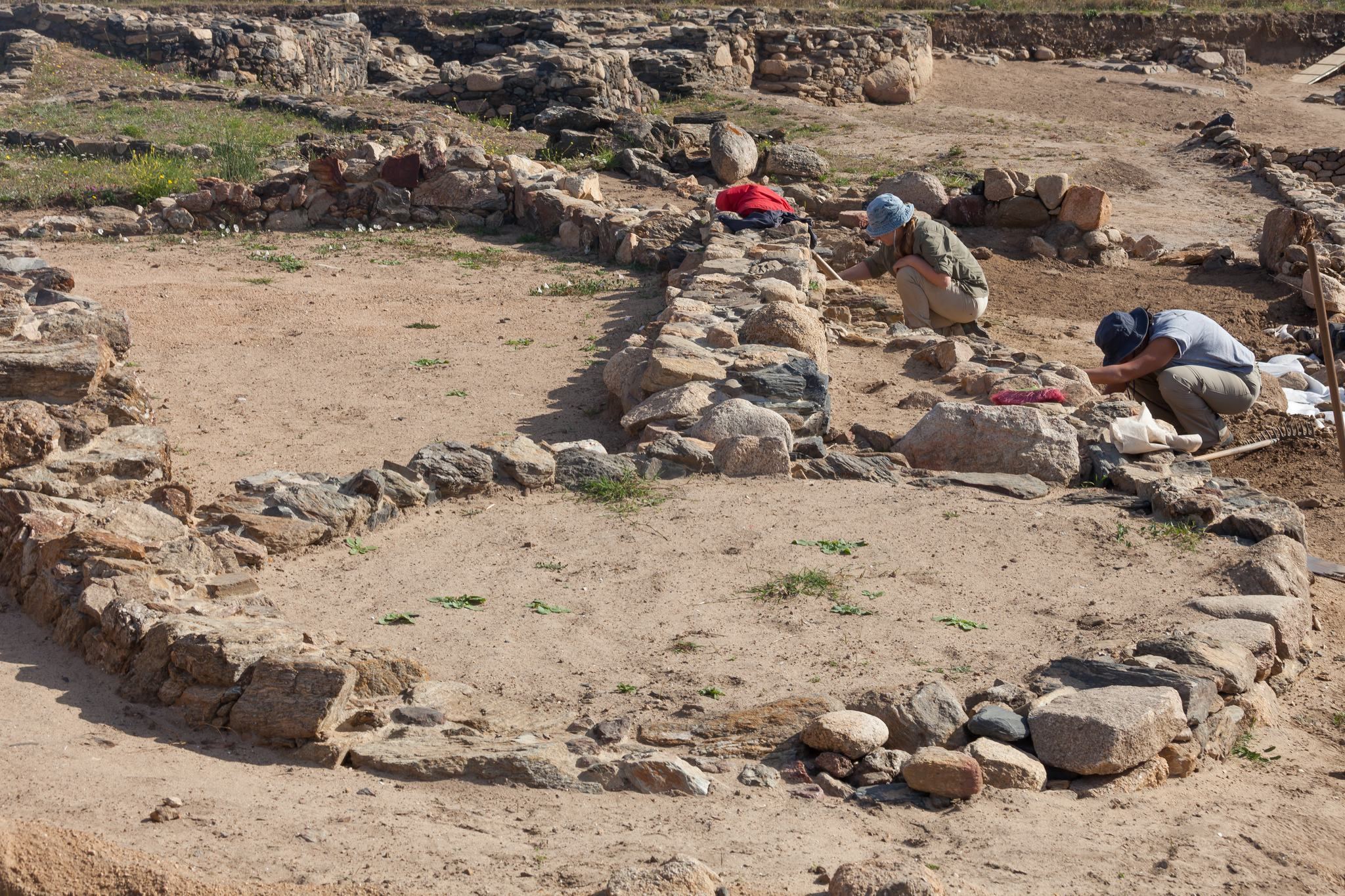
Further prospecting during the 1970s showed that the burial ground extended along the eastern side of the road, under the direction of Francisco Fariña Busto. In 1983, Antonio de la Peña Santos directed a rapid excavation after construction of a housing development threatened the outer sector. Excavation resumed in 2010 under Rafael M. Rodríguez Martínez, an archaeologist of the Provincial Government of Pontevedra, in collaboration with the Heritage Laboratory of the Spanish National Research Council, Spain’s principal public research institution.
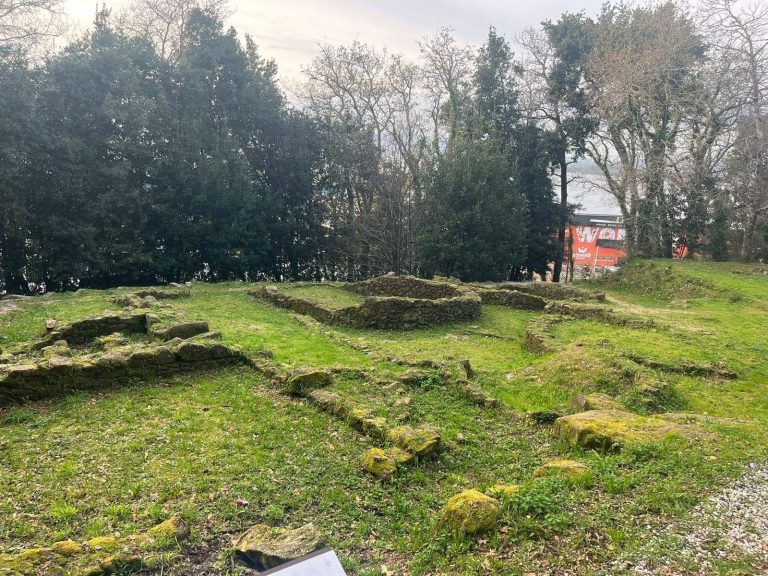
After the 2010 intervention, excavation had reached only the level corresponding to the second century BC, with another two to three metres still to be investigated. The excavated area represented only a small part of the approximately 9,000 square metres believed to have been occupied.
Remains
Promontory settlement and preservation
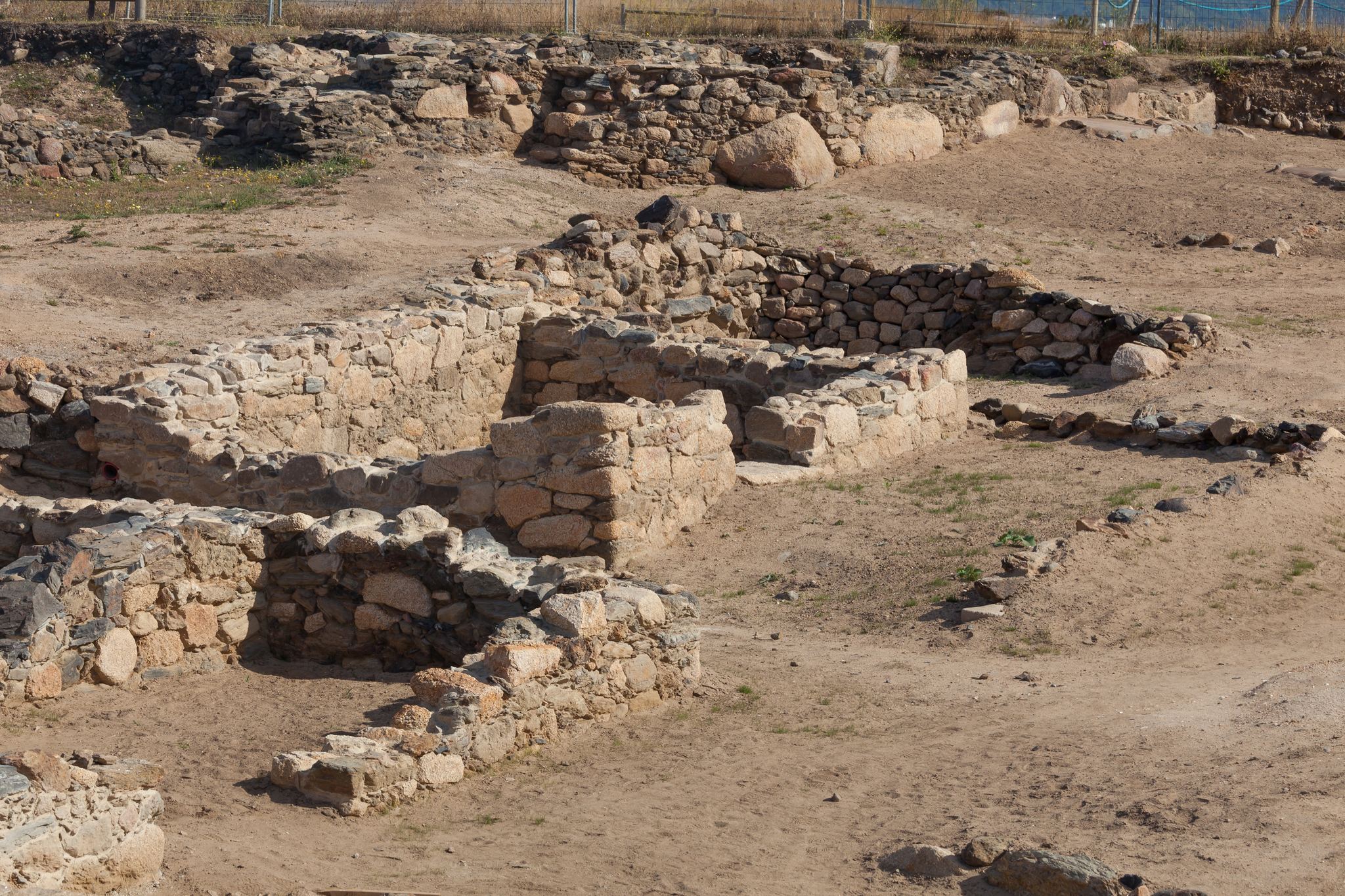
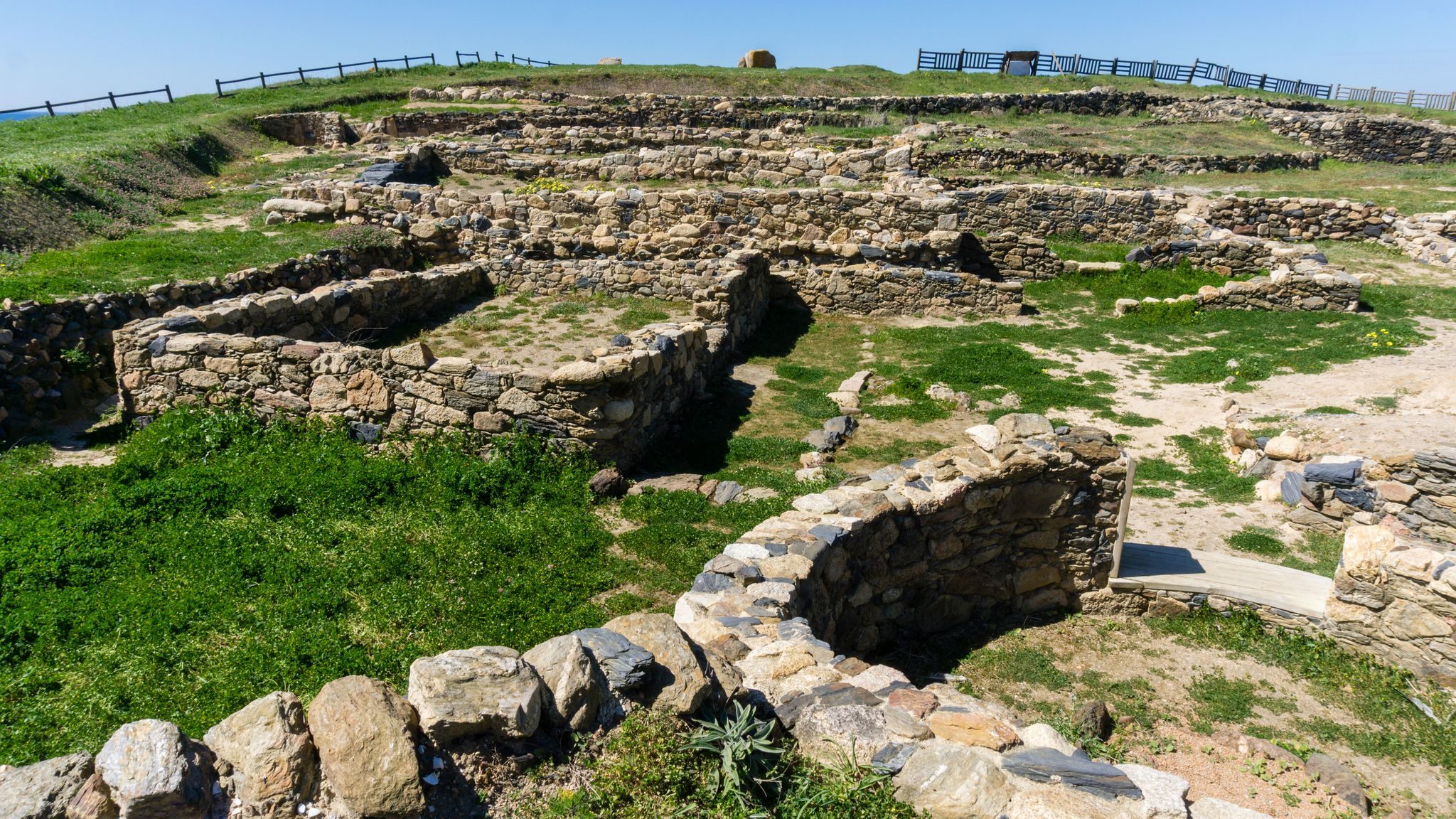
The archaeological site occupies the base of a coastal promontory projecting into the sea, beside the remains of the medieval Tower of Lanzada. The coastal road divides it into an eastern outer sector and a western coastal sector between the road and the sea. The outer sector had dwellings and burials but no defensive structures such as walls or fortifications. Much of the site was covered by sand, which contributed to the preservation of organic remains because it is less damaging than ordinary soil.
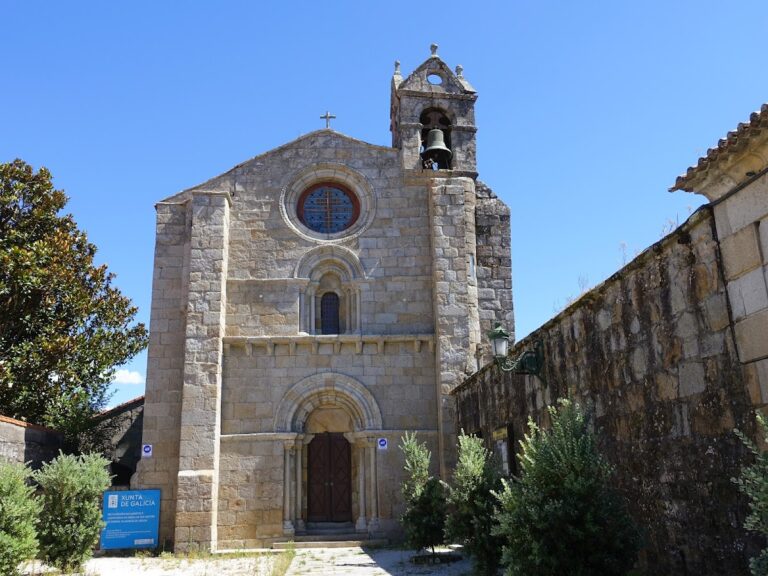
The archaeological area was partly destroyed by construction of the bridge linking the promontory with the adjacent islet and by later modern building. The Chapel of Our Lady of Lanzada stands at the western end of the promontory and was built over remains of the castro. Dwellings from the first half of the twentieth century also occupied part of the outer sector.
Excavated buildings and burials
Roman house
A Roman house forms part of the excavated remains. It was uncovered during the 1949 campaign alongside the necropolis and the medieval archaeological layer, providing physical evidence of the settlement’s later Roman-period occupation.
Necropolis
The necropolis contains the burials associated with the settlement. Human remains exposed during the 1949 road works led to archaeological investigation, while later prospecting established that the burial ground extended along the eastern side of the road. Nine tombs had already been reported by Father Martín Sarmiento in the eighteenth century.
Trade and production
Imported pottery
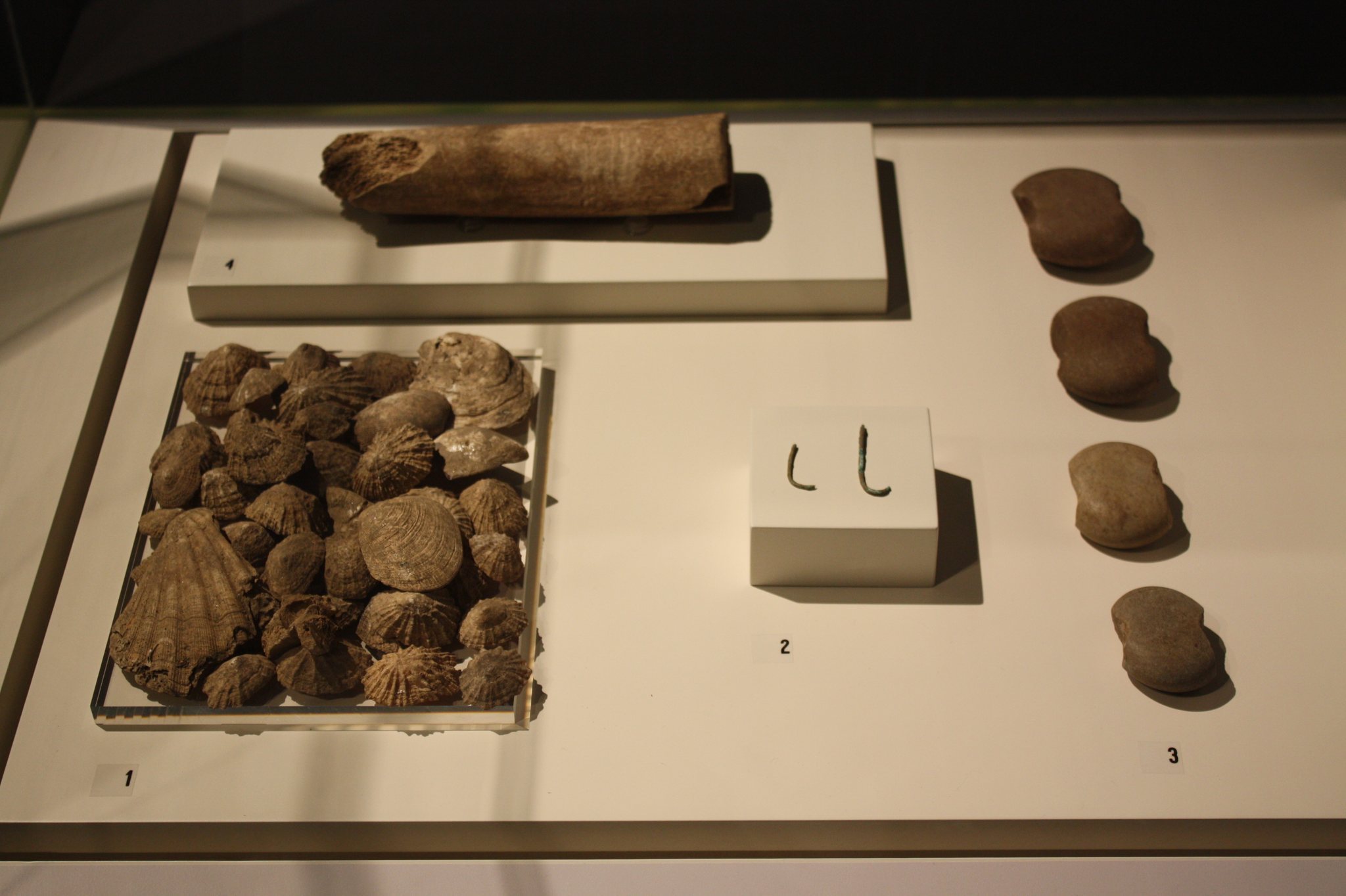
Excavated material includes imported pottery from Ibiza and from the eastern and southern Mediterranean. A Punic askos, a distinctive jug associated with the Punic world of the western Mediterranean, came from Ibiza and dates to the end of the third century BC. The assemblage reflects the settlement’s extended maritime connections.
Fish-processing installation
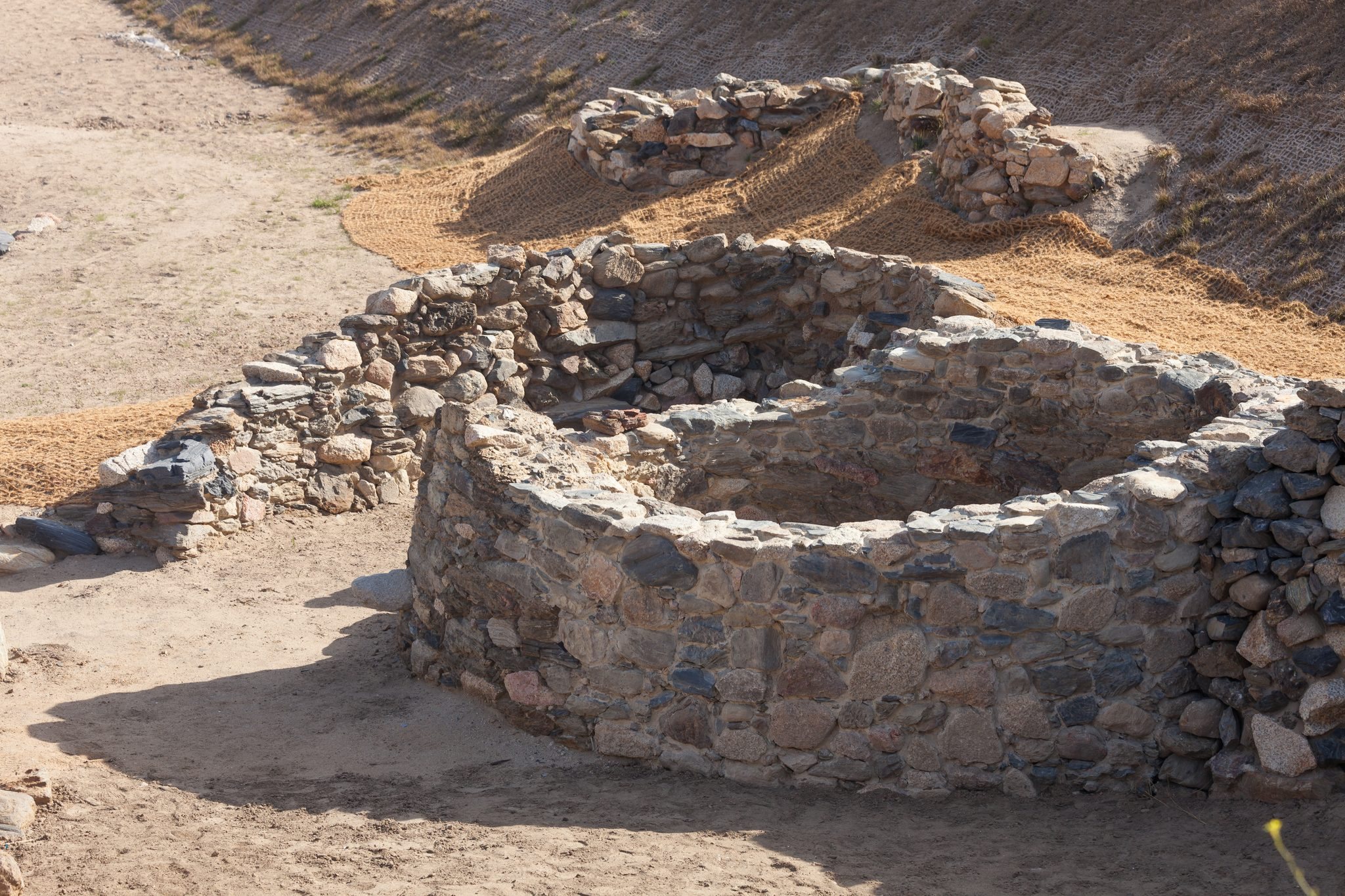
Three bases of fish-salting vats were found in a space between buildings. Their position and form provide evidence of an installation connected with fish processing. The site has also yielded toilet implements made from animal bone.
Later features
A stone cross, or cruceiro, is associated with the castro. The nearby Tower of Lanzada represents the medieval occupation of the promontory, while the Chapel of Our Lady of Lanzada occupies part of the earlier settlement area.