Yuzen Shrine: An Atami Shinto Shrine Associated with Healing Springs
Site at a Glance
- Rating
- 3.8
- Popularity
- Low
- Country
- Japan
- Primary era
- Unclassified
- External website
- Open
- Eras represented
- Unclassified
- Civilizations
- Unclassified
- Site type
- Religious
- Remains
- Sanctuary
On this page5 sections
History
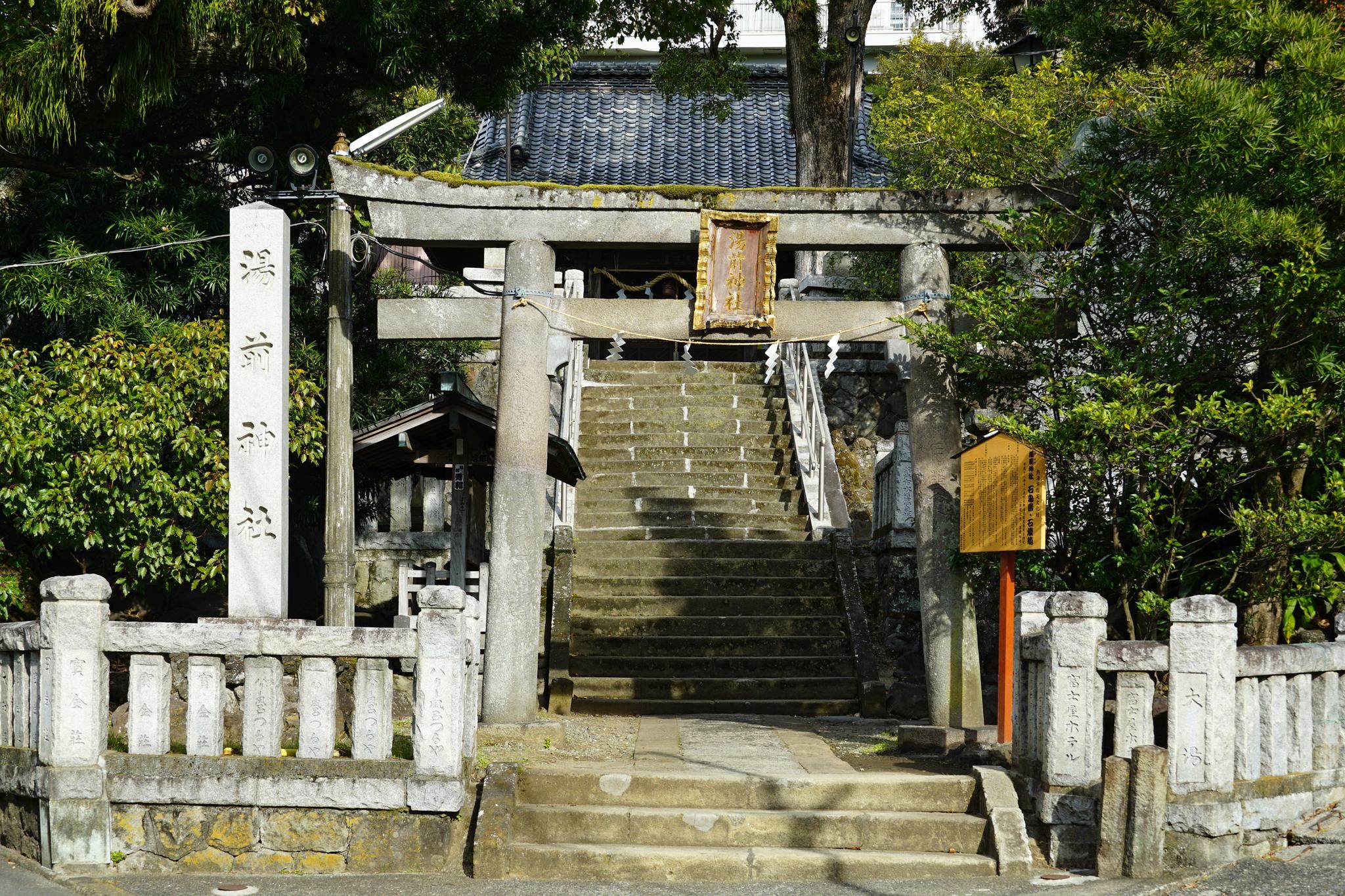
Yuzen Shrine is a Shinto shrine in Atami, Japan, traditionally founded in June 749 or during the mid-eighth century and dedicated to Sukuna Hikona, a Shinto deity associated with healing, medicine, and hot springs. Classified as a former village shrine, it developed beside the Oyu hot spring and became connected with Atami’s religious traditions and therapeutic bathing.
Origins and sacred identities
One tradition tells that a child received a divine message directing local people to draw water from the hot spring and bathe in it to cure illness. In gratitude, they built a small shrine and enshrined Sukuna Hikona. Another tradition attributes the foundation to Mangan, a monk who lived at a Buddhist temple on Mount Hakone. After seeing marine life die when a hot spring emerged beneath the sea near Atami, Mangan is said to have built a prayer altar on the shore and carried out religious observances for 100 days. On the final day, the spring reportedly shifted inland, and a shrine called Yuzen Gongen was established beside it as the spring’s guardian.
The shrine may originally have represented the hot spring itself rather than Sukuna Hikona. It has been identified with the Hot-Spring Deity of Atami listed in the Izu Province Register of Deity Ranks. The hot-spring deity shrine where the Buddhist preacher Shaku Kanjun is said to have preached in the Genko Shakusho has also been interpreted as Yuzen Shrine.
Yuzen Shrine has additionally been proposed as the Kuzumi Shrine listed in the Engishiki, a tenth-century compilation of governmental regulations and ritual procedures that includes a register of officially recognized shrines. This identification remains uncertain because the ancient Kuzumi district is more commonly placed around present-day Ito, where Kuzumi Shrine has also been suggested as the candidate.
Medieval recognition and later administration
From the medieval period onward, the shrine was widely known as Yuzen Gongen. A gongen was a sacred manifestation or title used in Japan’s former combination of Buddhist and Shinto traditions. During the Kamakura period, Minamoto no Yoritomo, founder of Japan’s Kamakura shogunate, along with successive shoguns and officials of the shogunate, frequently visited the sacred sites of Hashiriyu and Hakone. Yuzen Shrine consequently became widely known as a deity associated with therapeutic bathing.
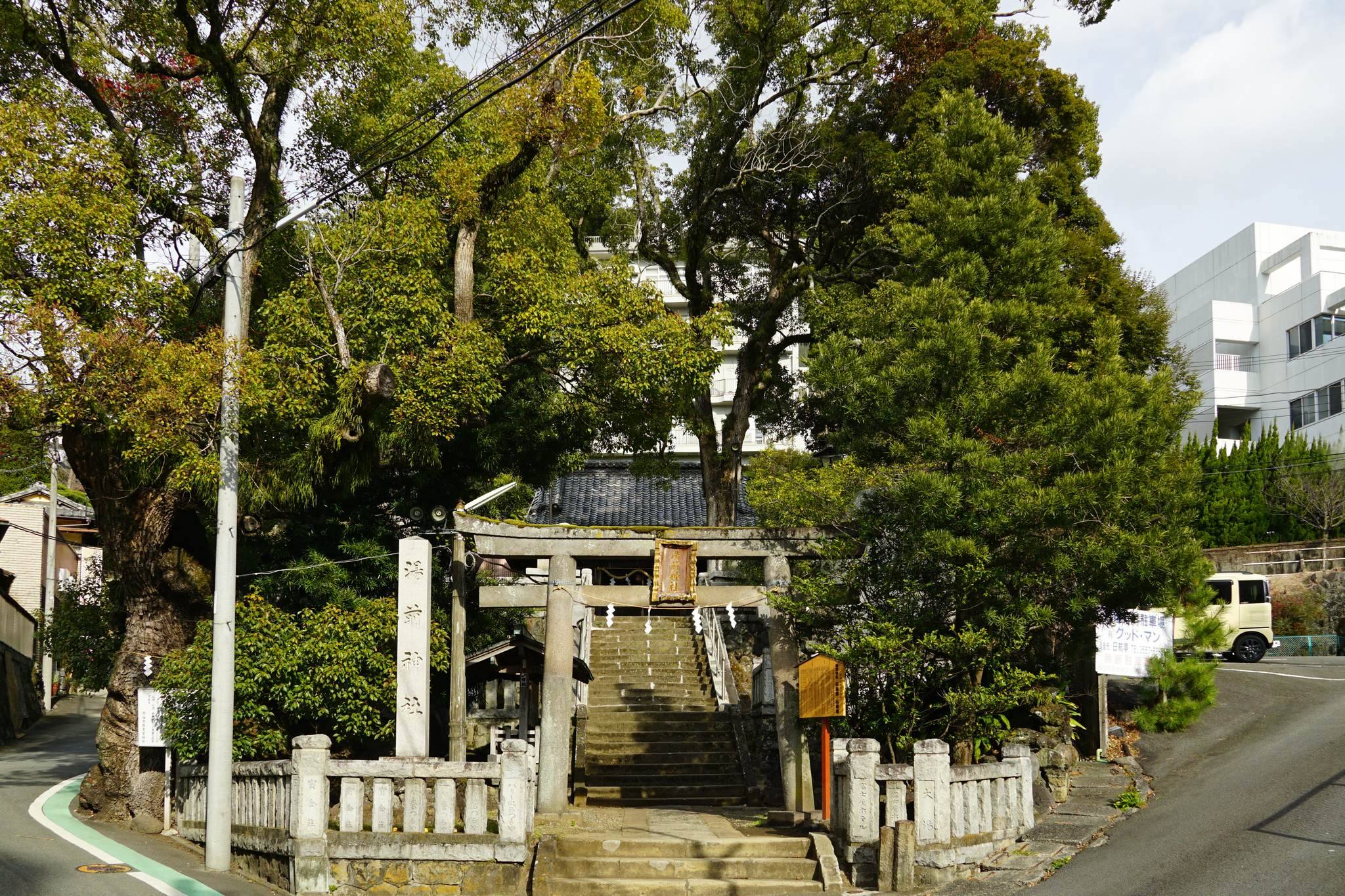
Yuzen Shrine is now administered together with nearby Kinomiya Shrine. Its annual festivals take place on February 10 and October 10, and include a hot-water offering ceremony. Atami City designated the shrine’s associated camphor tree as a cultural property on April 25, 1977.
Remains
Hot-spring setting and shrine precinct
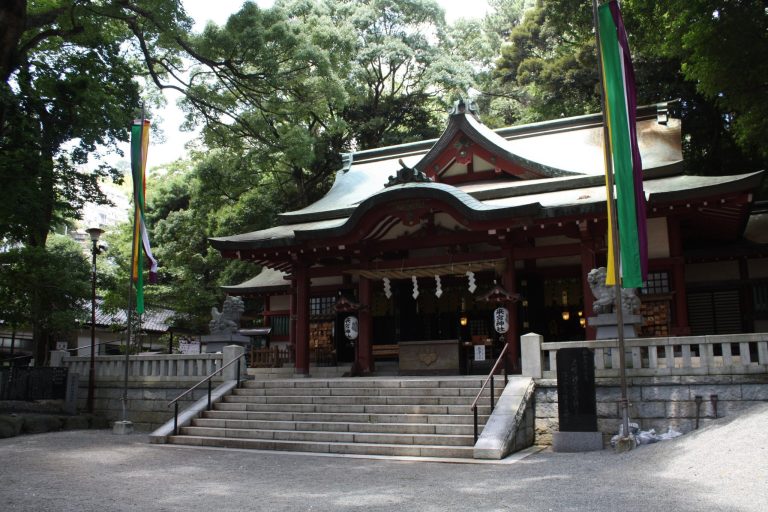
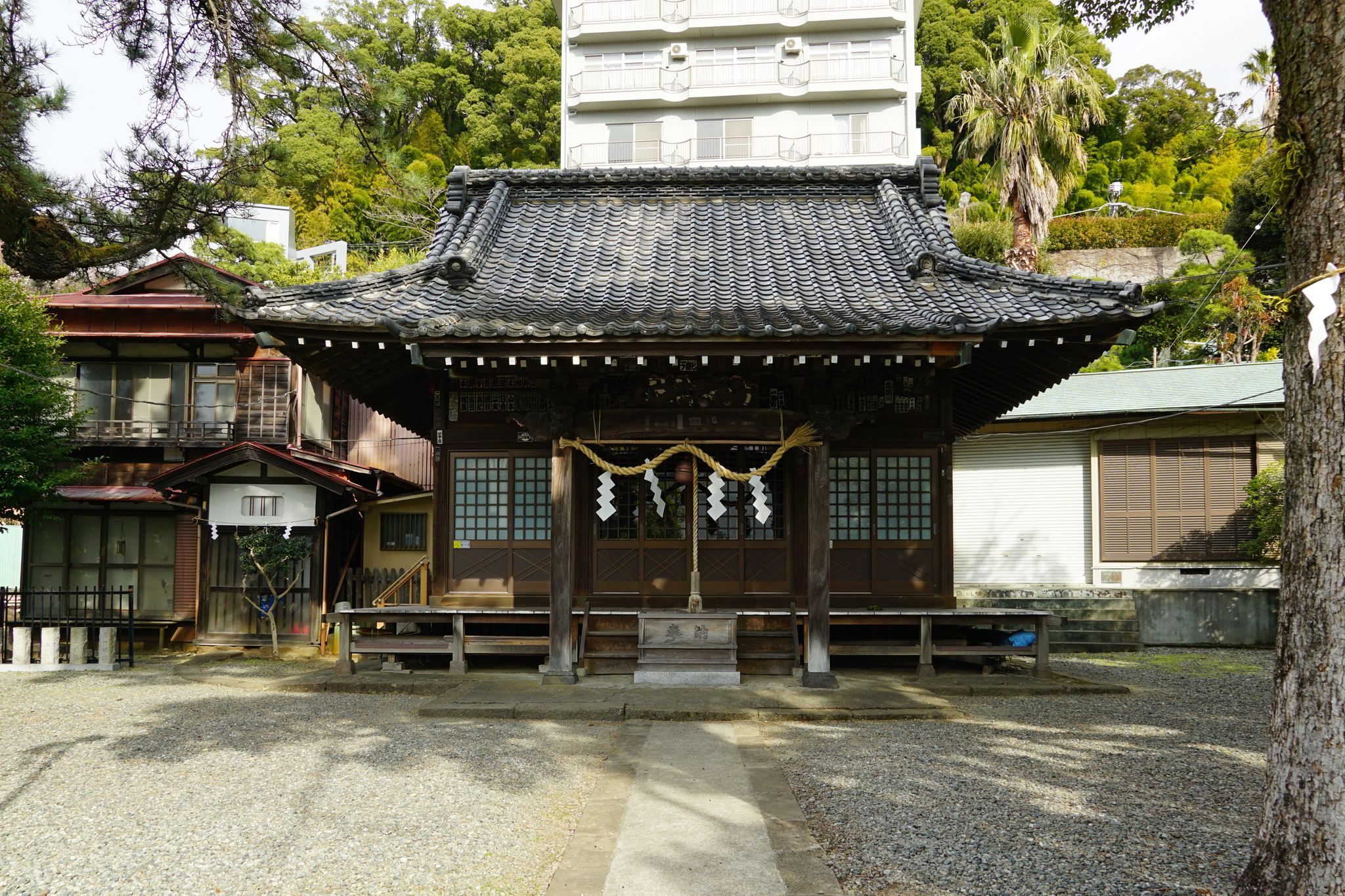
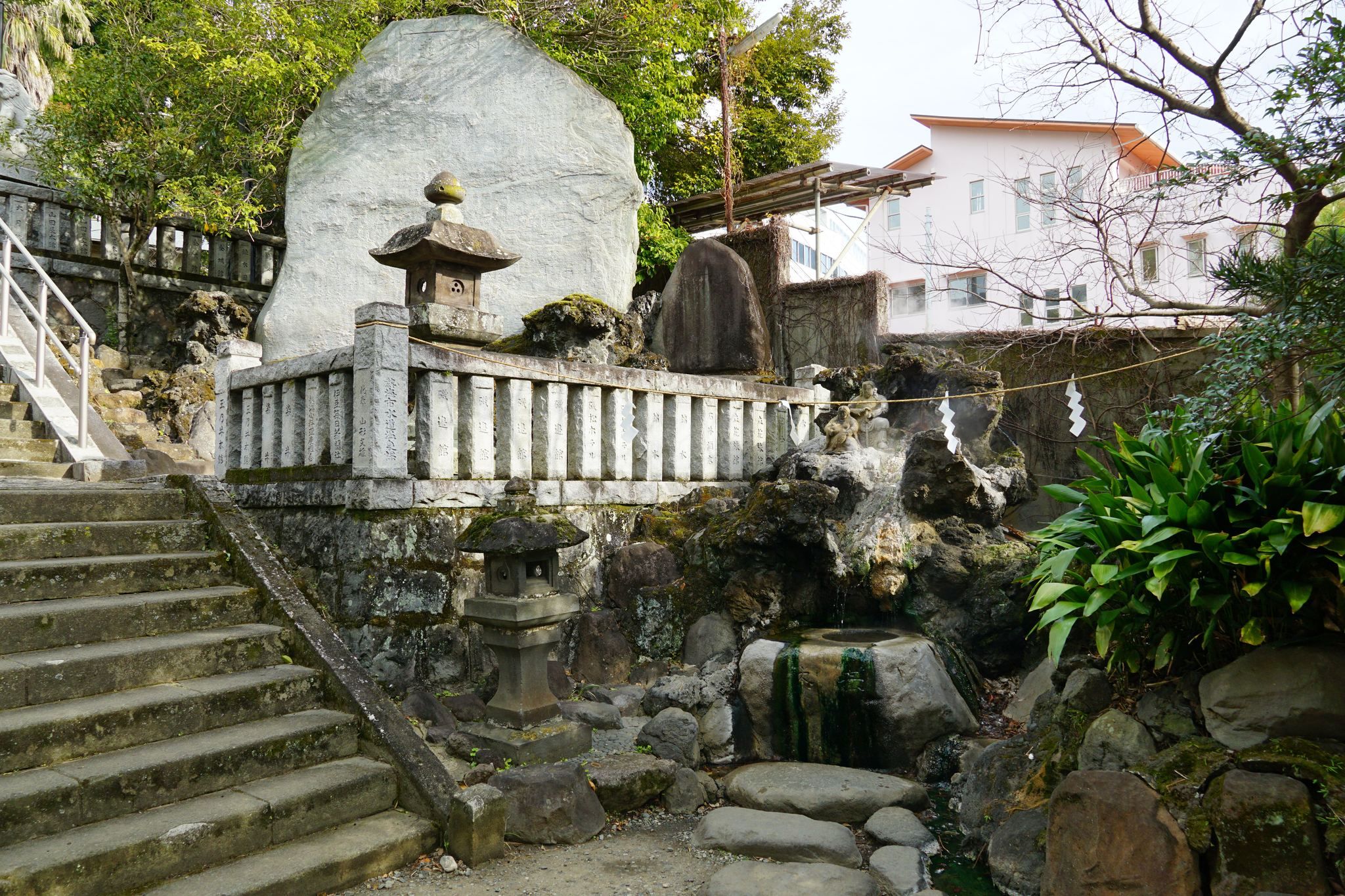
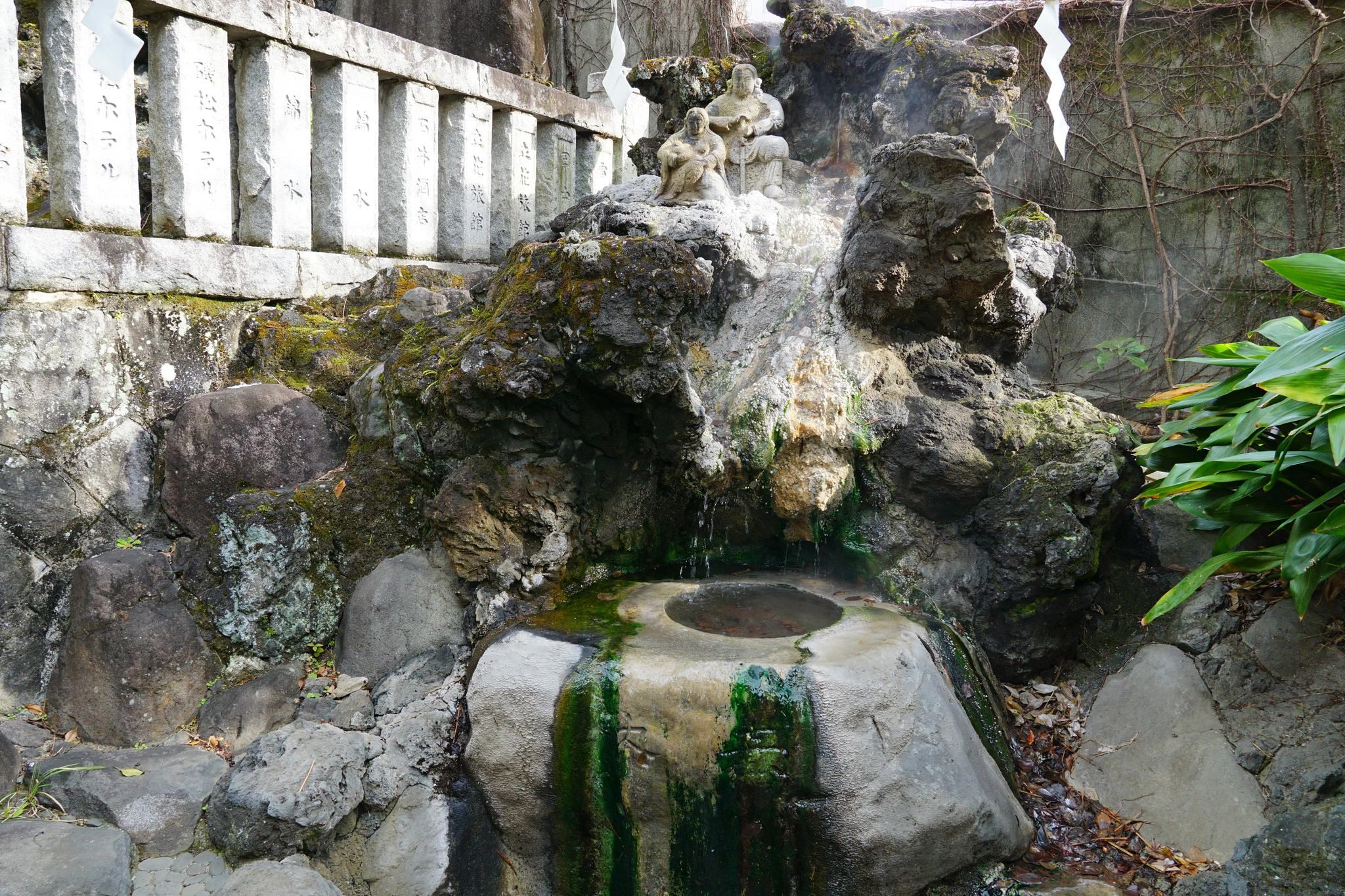
Yuzen Shrine stands beside Oyu, an intermittent hot spring that was the central source of Atami’s hot-spring area until the Edo period. The spring is closely connected with the shrine’s name and origin, and the precinct includes a worship hall. Its associated camphor tree is a natural feature of the grounds and remains part of the shrine’s physical setting.