El Cincho Hillfort: A Cantabrian Iron Age Fortified Settlement in Spain
Site at a Glance
- Rating
- 3.7
- Popularity
- Very Low
- Country
- Spain
- Primary era
- Iron Age
- Eras represented
- Iron Age
- Civilizations
- Celtiberian, Celtic
- Site type
- Military
- Remains
- Fortified Town
On this page12 sections
History
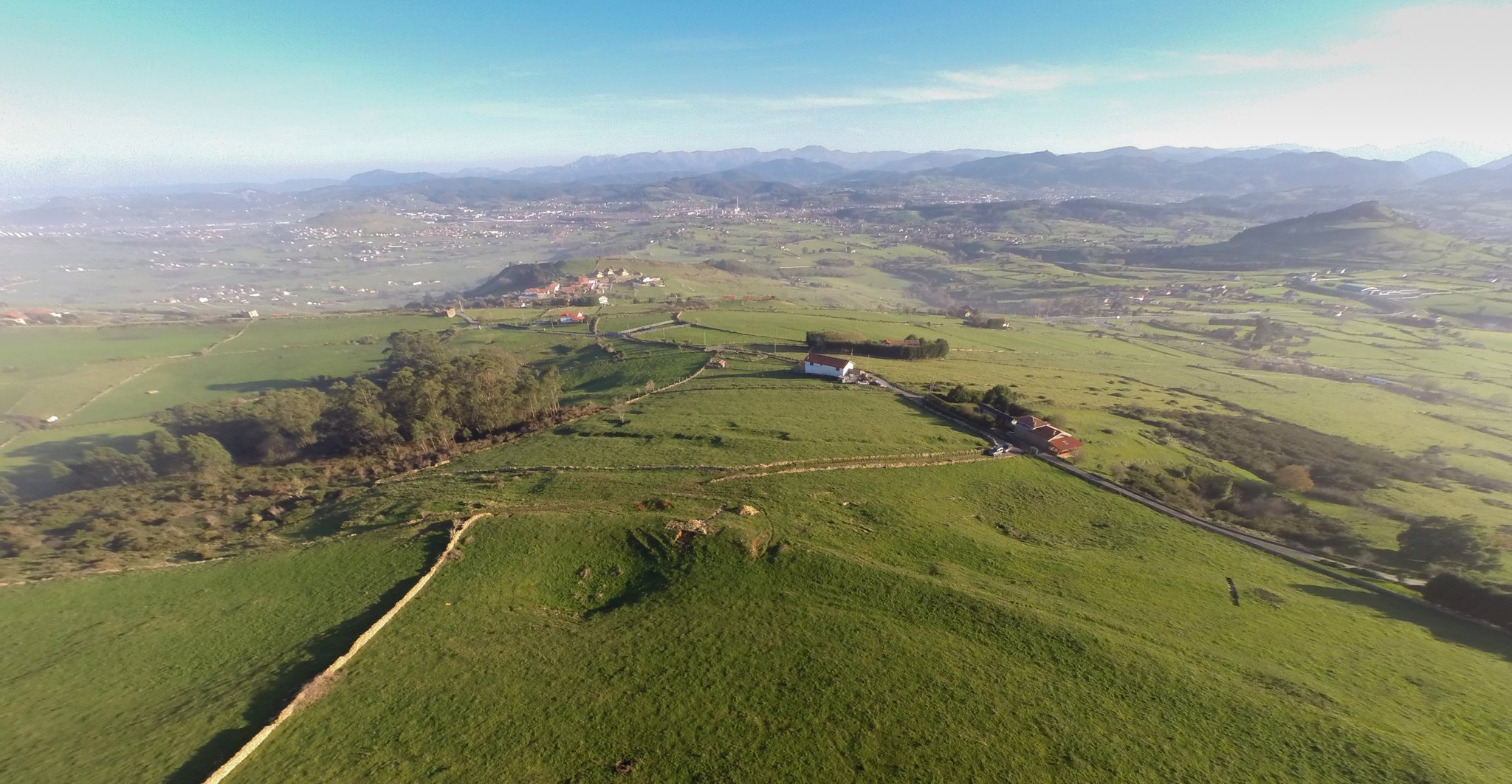
El Cincho Hillfort is a pre-Roman fortified settlement in Spain, above Yuso in the municipality of Santillana del Mar, built and occupied by the Cantabrians during the Iron Age. The Cantabrians were an ancient population of northern Iberia who resisted Roman conquest during the Cantabrian Wars, fought from 29 to 19 BC. El Cincho stood above the lower Besaya River basin and commanded views extending beyond the geographical limits of Cantabria, a position that helped explain the settlement’s existence and importance.
A Cantabrian hillfort
The settlement belonged to a Cantabrian tribe that occupied the Besaya River basin. Its investigators associate the community with the production of the region’s distinctive disc-shaped stelae and have proposed that El Cincho may be understood as a “hillfort of hillforts”, reflecting an unusually important center during the protohistoric period. Protohistory was the era between prehistory and fully documented history, when archaeology supplied much of the evidence because written records were limited.
The name “Cincho” derives from the Latin term cingo, meaning to protect, cover, surround, or encircle. It refers to the belt of walls enclosing the summit. The fortification was one of the principal Cantabrian fortified settlements before Rome conquered the Cantabrians and Asturians during the wars of 29 to 19 BC.
Discovery and investigation
Local knowledge of the site preceded its archaeological reporting. In spring 2014, archaeologists Javier Marcos Martínez and Lino Mantecón Callejo reported the fortified settlement and its associated habitation, then notified the Directorate of Culture within the Cantabrian regional government’s Ministry of Education, Culture and Sport.
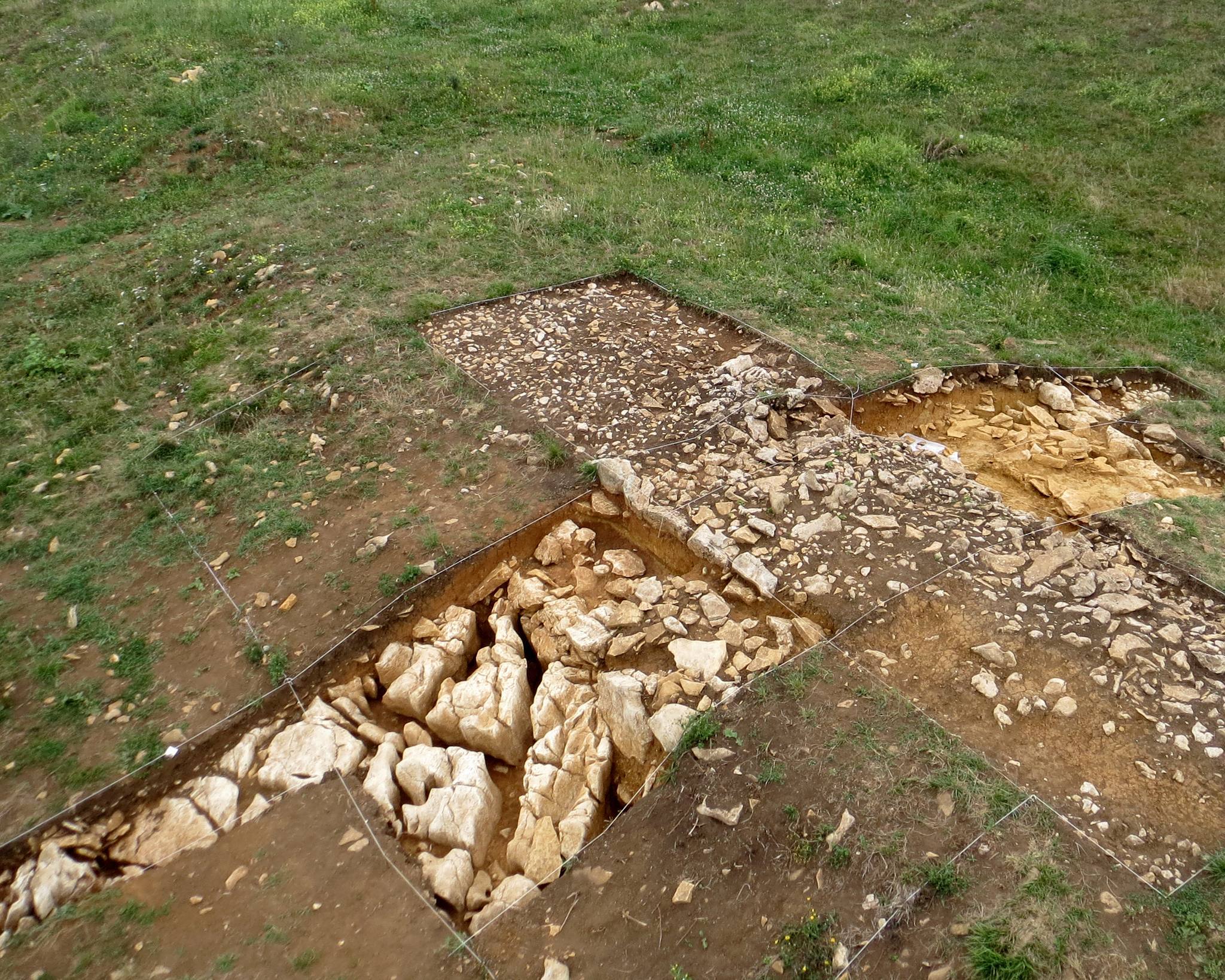
Several campaigns followed, combining terrain exploration, vegetation clearance, test excavations, and systematic investigation. They revealed the circuit wall, identified two construction phases, located one fortified entrance, confirmed a second defensive wall, and recorded further possible defensive and settlement features. Archaeological evidence indicates occupation at different times from the Lower Paleolithic through Antiquity. Stone tools, handmade pottery, metal objects, and other material remains reflect this long sequence of activity.
A rotating quern, a stone device used to grind grain, was found at the site in 1953 by the sculptor Jesús Otero. Its two stone halves are preserved. El Cincho is interpreted as one of the region’s most important protohistoric locations, although proposals about the wider organization of its defenses and settlement remain partly hypothetical.
Remains
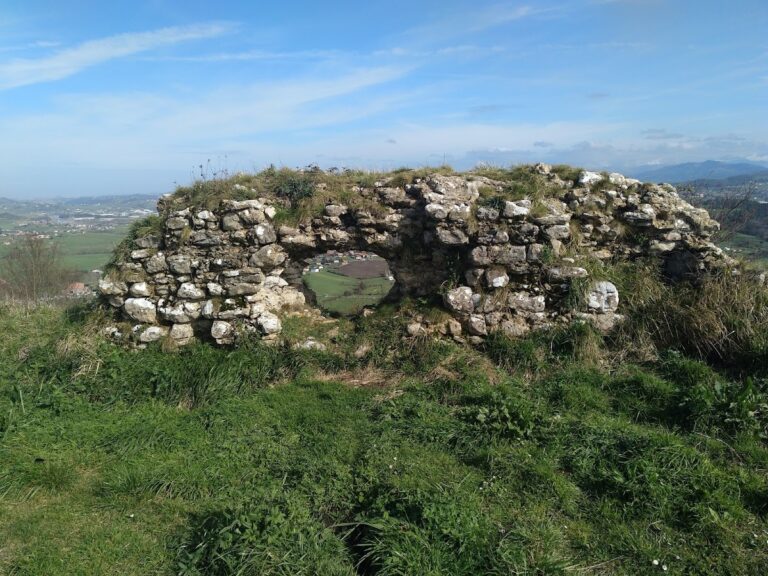
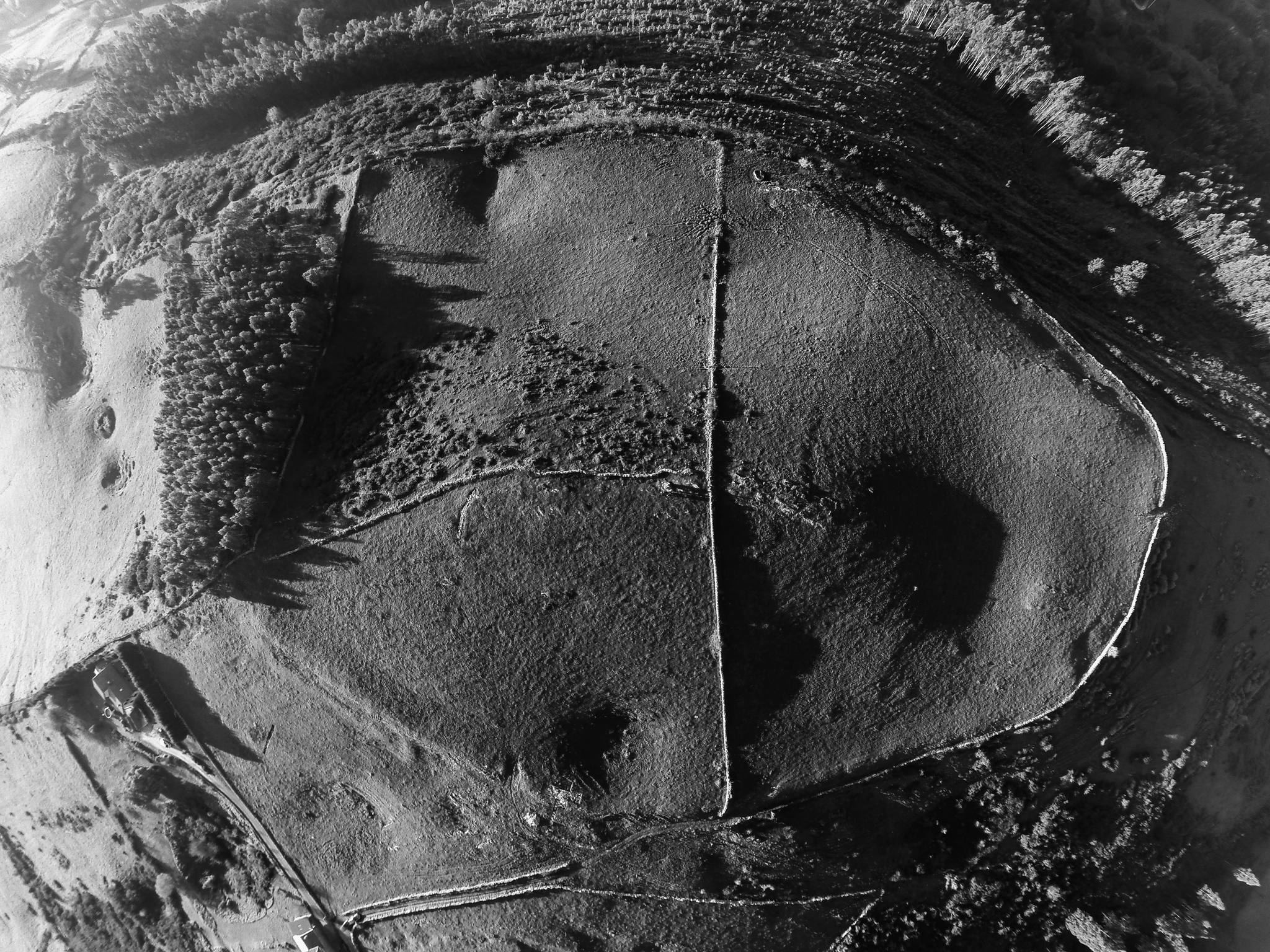
The archaeological site occupies the 273.9-metre summit of Monte del Huervo, facing the coast approximately 1.95 kilometers away and less than one kilometer from the historic center of Santillana del Mar. The settlement covers more than 6 hectares. Its surviving defenses occupy the summit, where the ruins remain recognizable within the coastal landscape.
Defensive enclosure
Earliest circuit wall
A defensive wall encircles the summit. Its oldest identified phase belongs to the protohistoric period and used an earthen, compacted-clay fill probably strengthened by a timber framework. The resulting structure was approximately 3.75 meters wide. This construction system is known as a Gallic wall, a defensive barrier made from earth or rubble reinforced with timber elements.
Later stone-based wall
A second construction phase produced a wall with a stone base 2.5 meters wide. Together with the earlier circuit, it reflects a changing defensive system around the elevated settlement.
Fortified entrance and terrace
One entrance to the Iron Age enclosure has been located archaeologically. It formed a passage between sections of the wall, while substantial cutting and leveling of the ground created a terrace beside the approach.
Secondary defensive features
A second wall line strengthened the site’s most vulnerable flank. The broken karst terrain, a landscape formed in soluble rock and often marked by irregular ground and caves, may also have been incorporated into the defenses. One possibility is that the rocks formed a system comparable to fields of embedded stones used at other pre-Roman fortifications. If confirmed, this would be the first documented example of such a defensive arrangement in Cantabrian territory.
Interior features and finds
Enclosure features
Other reported features include a cave inside the enclosure, the possible existence of an acropolis, and a possible outer wall. These features contribute to interpretations of El Cincho as a settlement with a wider defensive and internal organization than the principal circuit alone reveals.
Tools, pottery, and metalwork
Recovered material includes lithic tools, handmade pottery, metal objects, and the rotating quern preserved in two matching halves. A shield-handle fitting is made from interlocking pieces with an iron ring, ornamental copper studs, and adhering traces of wood. It was used to secure and suspend shield straps.
Comparisons with Celtiberian examples associate the fitting with a circular shield. Its paired iron fittings each had a ring for straps worn diagonally by a warrior, whether on foot or horseback. The object dates approximately from the sixth through the third centuries BC, during the Second Iron Age.