Cave of El Castillo: A Prehistoric Cave-Art Site in Cantabria
Site at a Glance
- Country
- Spain
- Primary era
- Stone Age
- Eras represented
- Stone Age, Bronze Age
- Civilizations
- Unclassified
- Site type
- Civic
- Remains
- Rock Art
On this page10 sections
History
The Cave of El Castillo is a prehistoric cave in Puente Viesgo, Cantabria, Spain. Its archaeological sequence spans nearly 120,000 years, while its images preserve artistic activity from the Upper Paleolithic through the Bronze Age.
Occupation and cave art
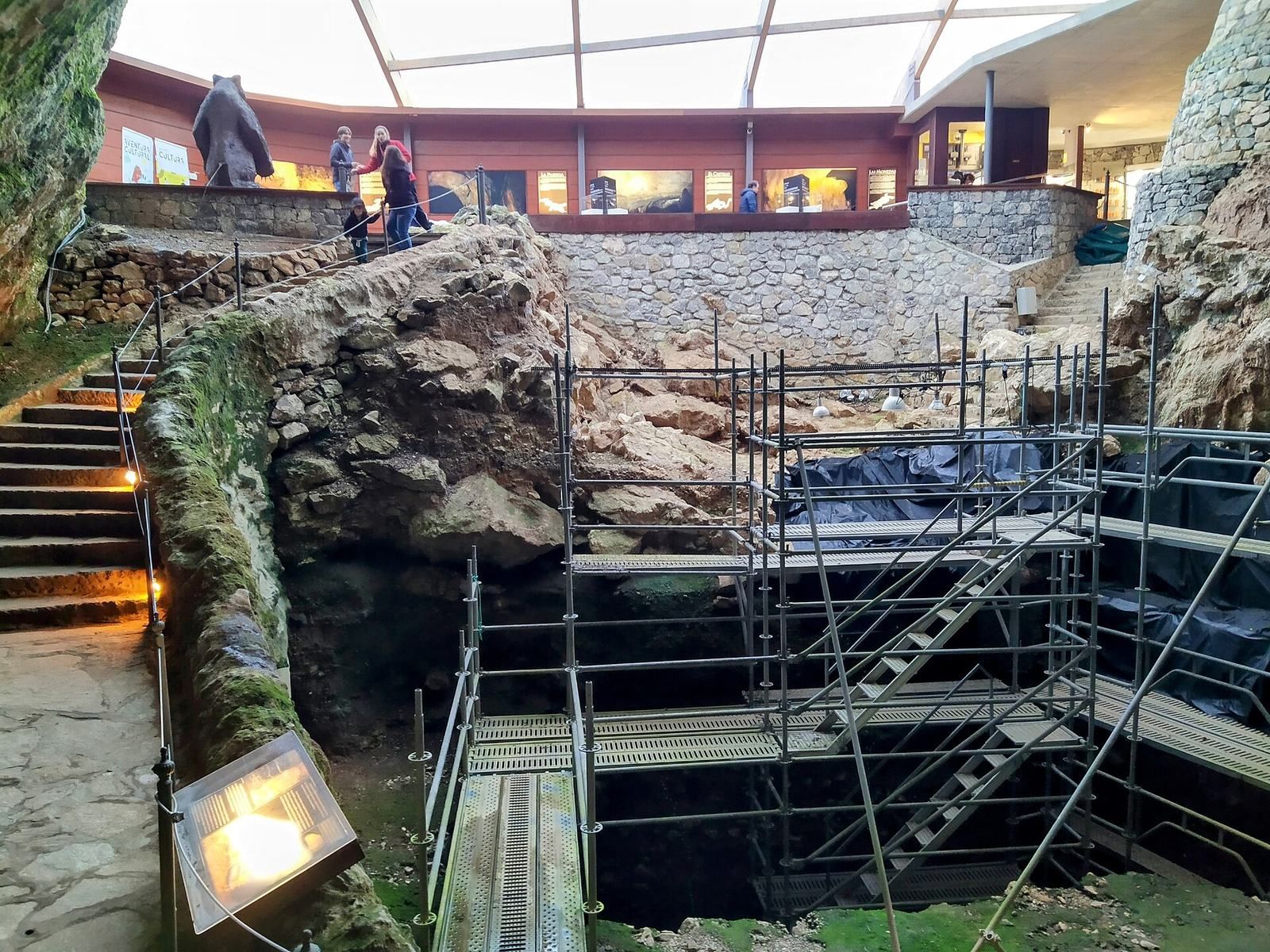
About 20 metres of archaeological deposits contain roughly 26 layers. They trace occupation from the Mousterian, an early prehistoric culture, through the Azilian, Neolithic, and Bronze Age. The Upper Paleolithic sequence extends from the Aurignacian to the later Magdalenian. Estimates for early Mousterian occupations are 89,000 ± 1,100 and 70,400 ± 9,600 years before present, a dating convention counted backward from 1950.
The cave’s decoration spans at least the Gravettian and continues through the Final Magdalenian. It may have begun in the Aurignacian. Radiocarbon analysis of charcoal images yielded dates from 23,742 to 12,720 calibrated years before present; calibration adjusts radiocarbon estimates for past changes in atmospheric carbon-14. Schematic human figures were also made during the Bronze Age. Uranium-thorium dates published in 2012 suggested that some red disks could be about 40,000 years old, although that interpretation remains disputed.
The makers of the oldest images are unknown. They may have been early Homo sapiens, or modern humans, while the proposed early dates also leave open the possibility of Neanderthal authorship. The suggestion that the arrival of modern humans in Europe and their competition with Neanderthals encouraged the development of cave painting remains a hypothesis.
Discovery and archaeological study
Spanish archaeologist Hermilio Alcalde del Río found the cave in 1903 while excavating at nearby Altamira and made the first record of its images. Excavations followed from 1910 to 1914 under Hugo Obermaier, P. Wernert, Henri Breuil, and Jean Bouyssonie. In 1911, Alcalde del Río, Breuil, and Lorenzo Sierra surveyed the art, counting about 200 to 220 painted and engraved images.
Breuil developed a way to interpret the sequence of cave art by examining where images overlapped on the walls. Excavations resumed in 1980 under archaeologist Vicky Cabrera Valdés, and José Manuel Maíllo has directed further work since 2020. A study of the cave’s art and human traces was carried out by Marc Groenen and Marie-Christine Groenen from 2003 to 2023.
A 2013 study by anthropologist Dean Snow proposed that women made most of the hand images, based on the relative lengths of fingers shown in the stencils. Applying this approach to prehistoric images remains disputed, so the proposed identification requires caution.
Heritage protection
El Castillo became a Spanish cultural-heritage monument in 1924. A Spanish heritage law passed in 1985 extended protected status to caves containing cave art. The broader World Heritage property was inscribed in 1985 and expanded in 2008 to include El Castillo within the “Cave of Altamira and Paleolithic Cave Art of Northern Spain.”
Remains
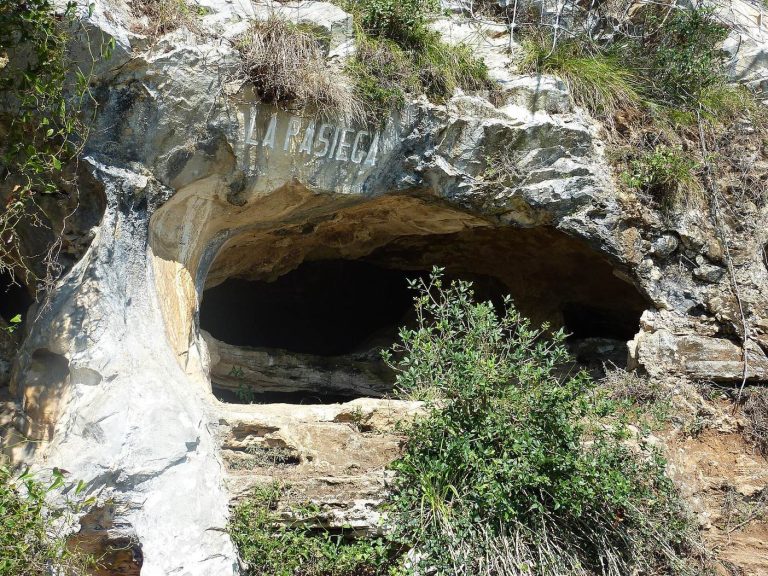
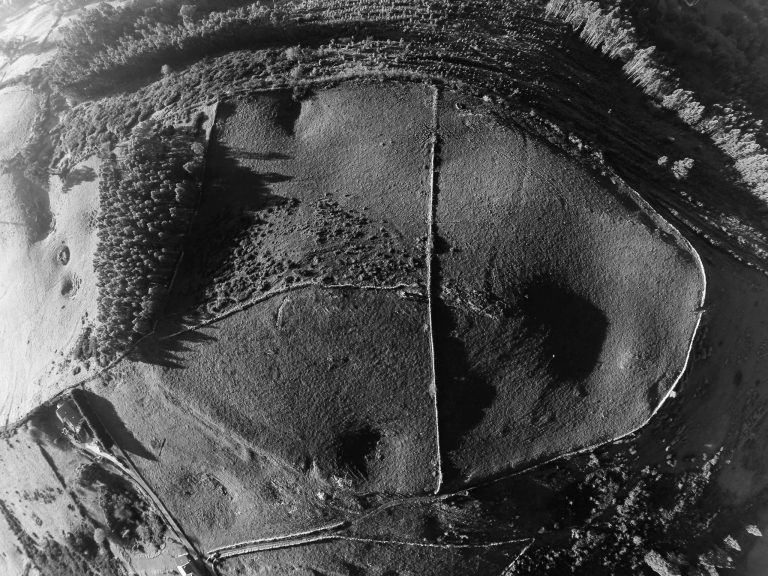
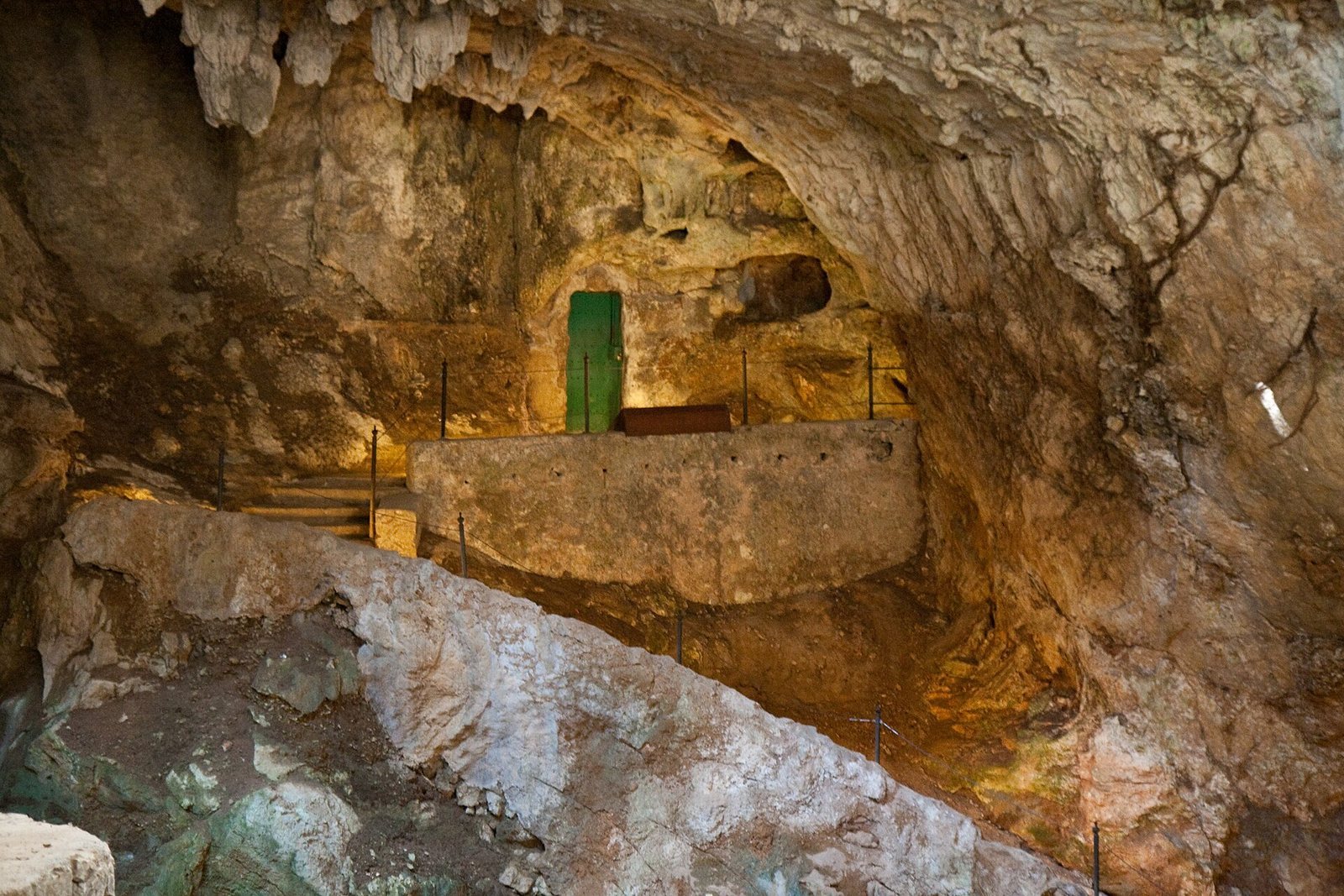
The known cave network extends for 759 metres on the northeastern slope of Mount Castillo. Its entrance lies 195 metres above sea level, and chambers and passages vary considerably in size and volume. These form relatively distinct spaces, including a principal room. Archaeological excavation enlarged an entrance that had previously been smaller.
Art and archaeological remains
Panel of Hands
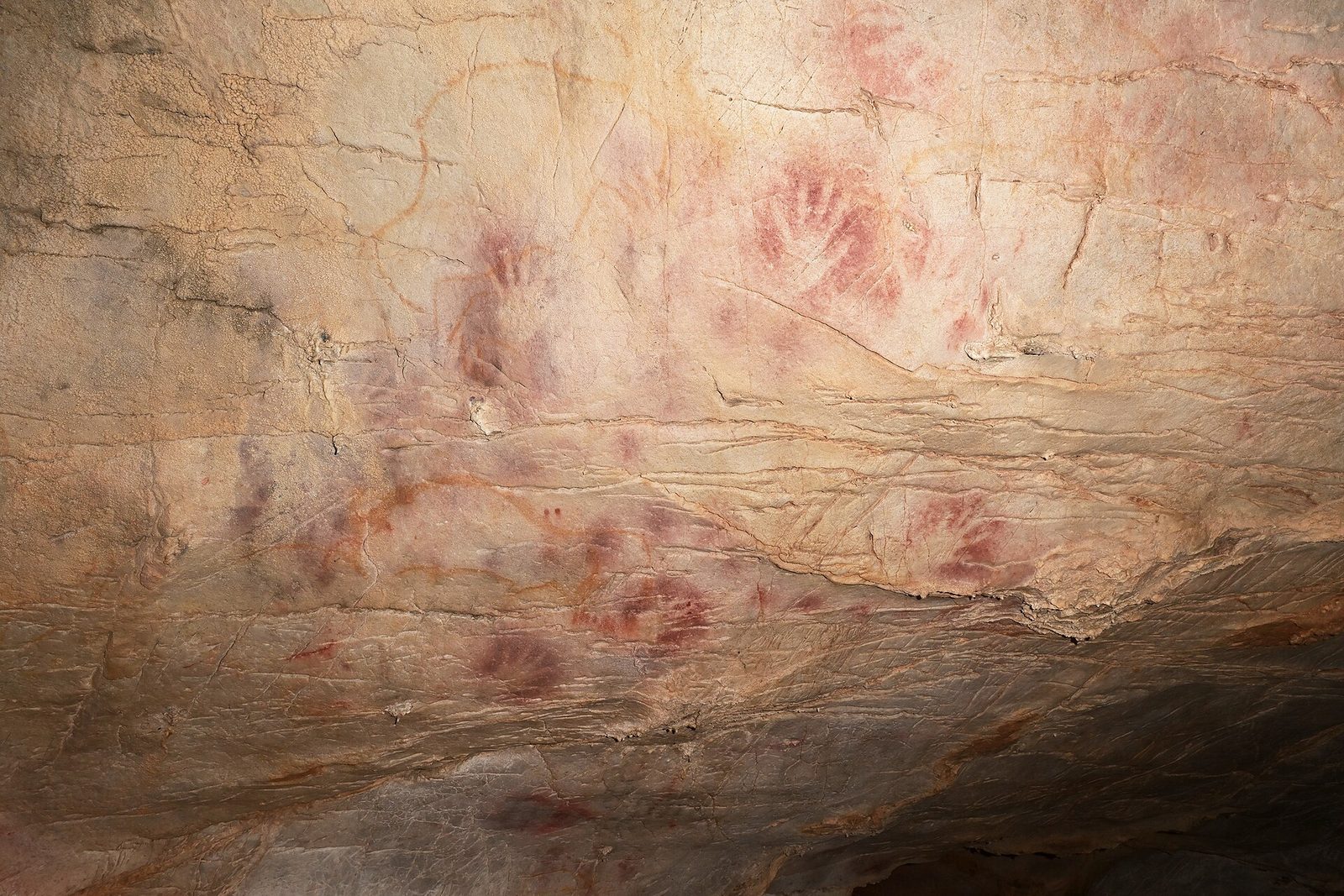
The Panel of Hands contains about 40 hand stencils, images made by applying pigment around a hand held against a surface, as well as dozens of red disks. Uranium-thorium analysis of calcite covering the images, which establishes a minimum age for the underlying pigment, dates one disk to at least 40,800 years ago and a red hand stencil on the same wall to at least 37,300 years ago.
Images across the cave
Paintings and other images in charcoal and red ochre appear on walls and ceilings in several chambers. A comprehensive inventory counts more than 2,500 painted, drawn, engraved, and sculpted motifs. Among them are 541 figurative images: 475 animals, three composite animals, 21 human figures, one composite human figure, one imaginary creature, and 40 projectiles associated with animals. The inventory also includes 924 nonfigurative motifs, comprising 834 simple and 90 complex tracings; 84 negative hand stencils, including one recent example; and 884 marks, of which 881 are coloured traces and three are impact traces.
Archaeological and acoustic traces
The cave contains 118 archaeological traces, including objects embedded in the deposits. Researchers also identified 17 acoustic traces, consisting of lithophones or groups of lithophones. A lithophone is a stone that produces sound when struck.
Portable finds
Excavations recovered six engraved bone pieces from a level marking the transition into the earliest Aurignacian; their markings may have been decorative. Other finds include a quartzite hammerstone with a probable feline image, 33 engraved deer shoulder blades, a pierced deer-antler tine decorated with a deer, and a plaque bearing an engraved horse’s head.