Primate’s Palace, Esztergom-Víziváros: An Archiepiscopal Residence in Hungary
Site at a Glance
- Rating
- 4.5
- Popularity
- Very Low
- Country
- Hungary
- Primary era
- Modern
- External website
- Open
- Eras represented
- Modern
- Civilizations
- Austria-Hungary, Habsburg, Hungarian
- Site type
- Religious
- Remains
- Palace
On this page15 sections
History
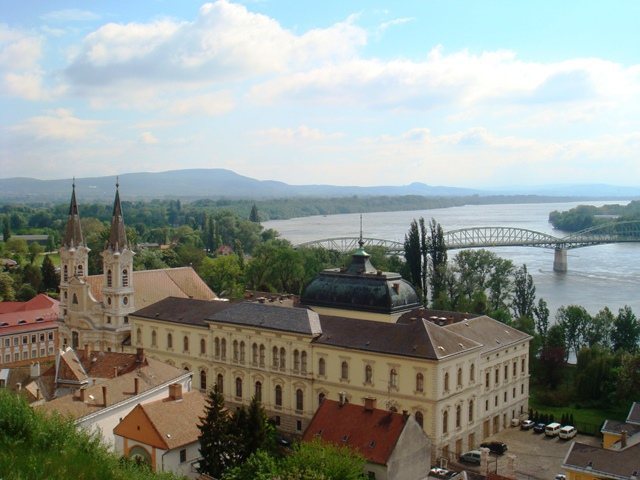
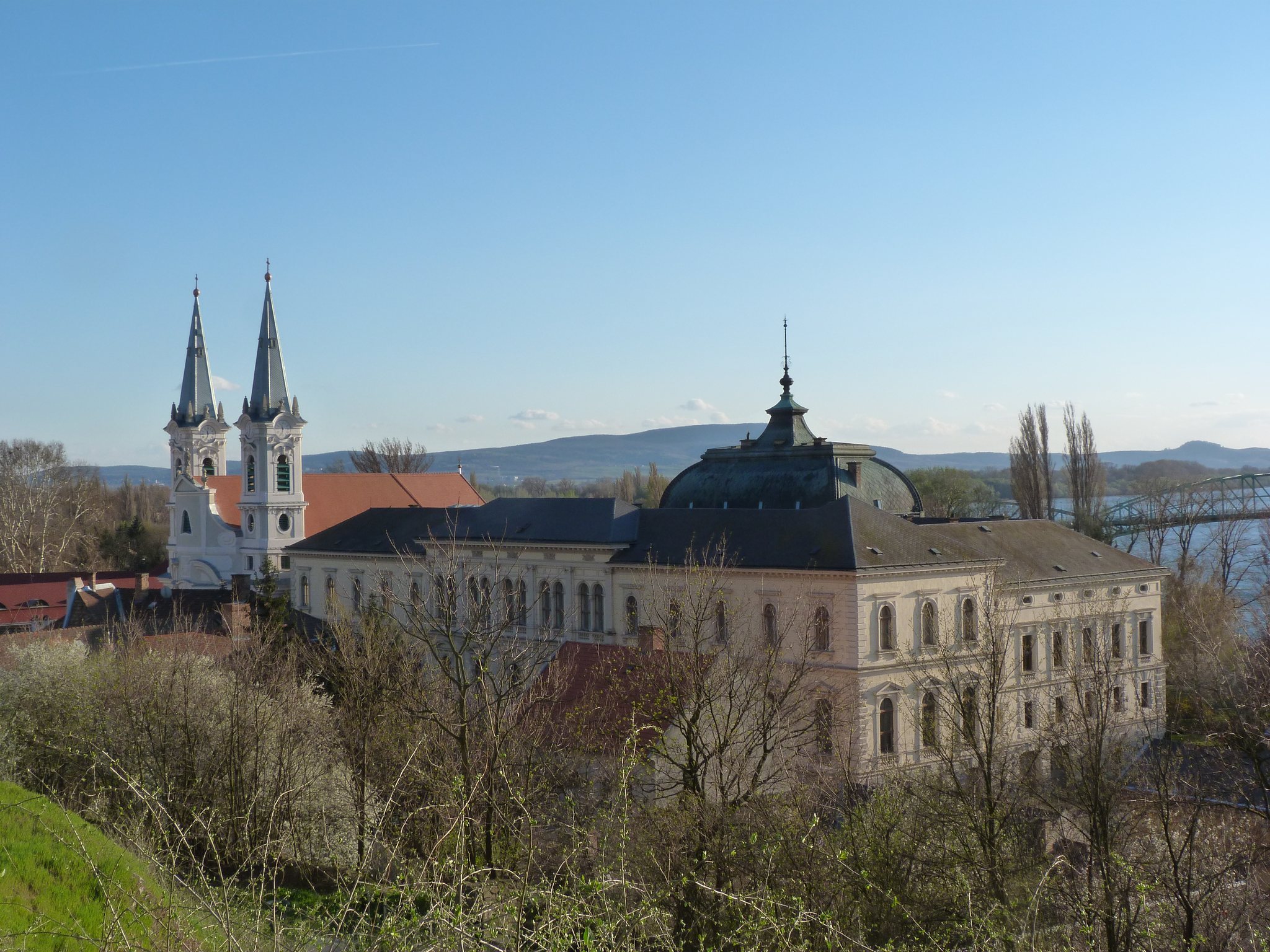
Primate’s Palace, Esztergom-Víziváros, is a late-nineteenth-century Neo-Renaissance archiepiscopal residence in Hungary, built between 1881 and 1883 as the permanent home of the Archbishop of Esztergom, who traditionally also holds the title of Primate of Hungary. The palace stands in the Water Town, the historic district along the Danube below Esztergom’s castle hill, and remains an important ecclesiastical and architectural element of the city.
Jesuit and Benedictine Origins
The site had previously been occupied by a Jesuit monastery and educational institution founded by Archbishop György Széchényi in 1687, during Esztergom’s reorganization after Ottoman rule. Following the dissolution of the Jesuit order in 1773, the complex served for a time as a Benedictine gymnasium, or secondary school. Its original institutional purpose gradually declined, however, and the earlier buildings were eventually demolished to make way for the palace.
A Permanent Archiepiscopal Residence
During the nineteenth century, a permanent archiepiscopal residence became necessary. An ecclesiastical center had been planned beside the emerging Esztergom Basilica, the city’s principal cathedral, but financial difficulties and the difficult terrain prevented that project from being realized. The Water Town therefore retained its earlier role as an interim ecclesiastical administrative center and became the permanent location of the new residence.
Construction began on 14 March 1881 according to designs by the architect József Lippert. Archbishop János Simor financed the project himself. The original estimate was 298,937.82 forints, while the completed work cost 625,386.67 forints. The cornerstone was laid on 21 January 1883, and the palace was consecrated on 23 January. Simor conducted the ceremony personally and celebrated the first Mass in the palace chapel.
Museum and Ecclesiastical Institutions
János Simor’s cultural work also shaped the palace’s later role. In 1875 he founded the Christian Museum as the first public ecclesiastical collection in the Kingdom of Hungary, using his private collection as its foundation. The holdings were later enlarged with works by Italian, German, Austrian, Flemish, and Hungarian masters dating from the fourteenth to the sixteenth centuries.
The palace remains the property of the Esztergom-Budapest Archdiocese. It houses the Christian Museum, the Primate’s Archives, and the Archbishop’s Simor Library, and continues to provide a setting for official events of the Hungarian Catholic Church. During Pope John Paul II’s visit to Esztergom in August 1991, he stayed at the palace, including in the Black Salon. On 12 November 2005, Mihály Bihari, then president of Hungary’s Constitutional Court, was installed there in front of the Golden Bull, the golden-sealed royal charter issued by King Andrew II in 1222.
The palace is a protected monument of Esztergom. Its continuing ecclesiastical use, museum collections, and archival holdings preserve the connection between the Water Town and the city’s Catholic institutions.
Remains
Urban Form and Exterior
The palace stands at the junction of Mindszenty Square and Berényi Zsigmond Street, directly beside the Church of Saint Ignatius. Its west facade faces Erzsébet Park. Together with the castle hill and the neighboring parish church, the building helps shape the cityscape seen from the Danube and from Štúrovo.
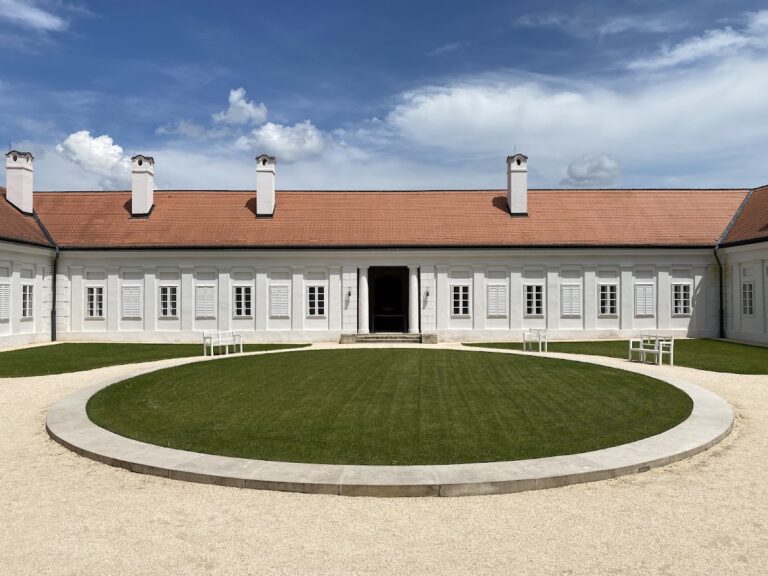
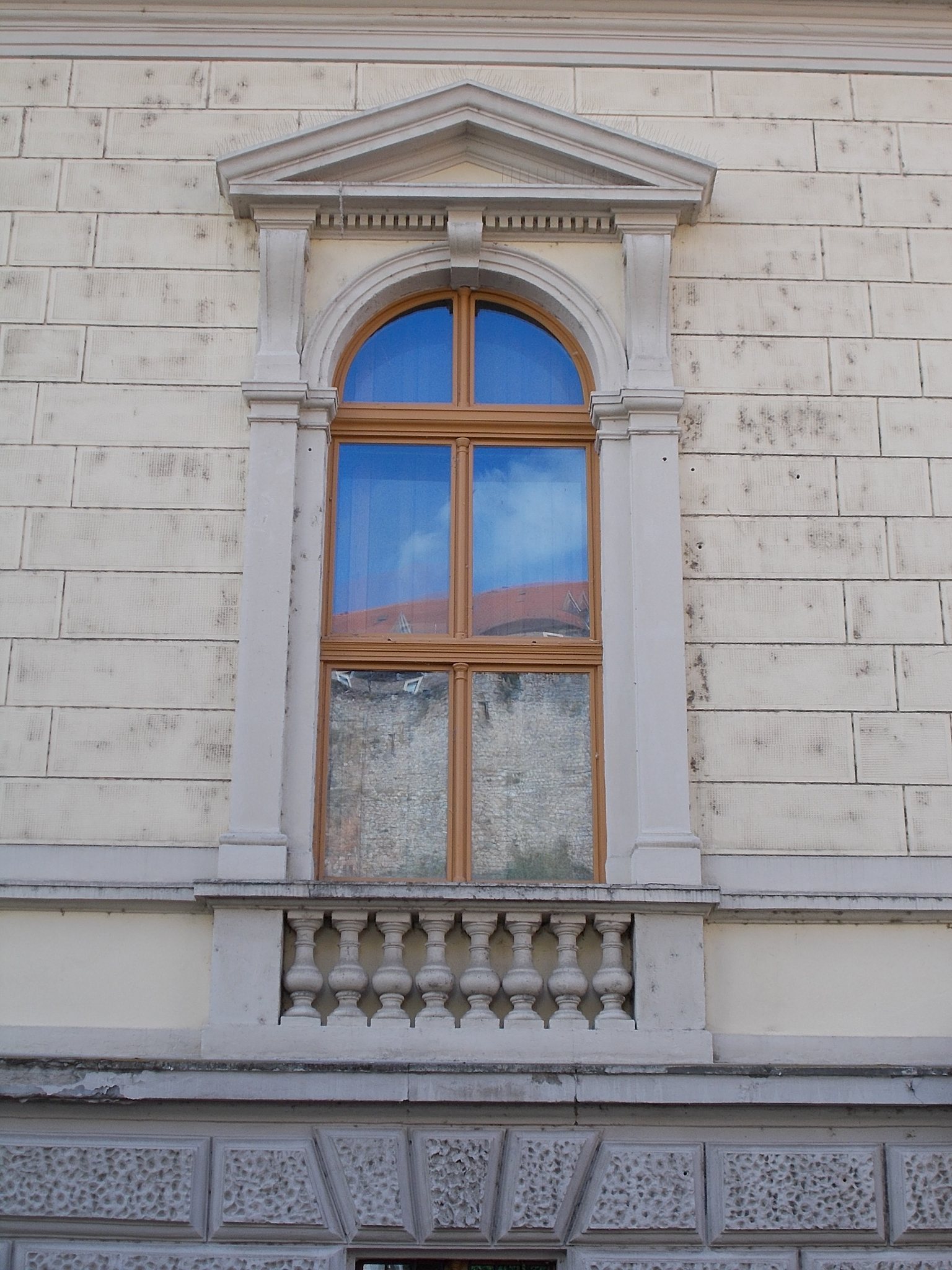
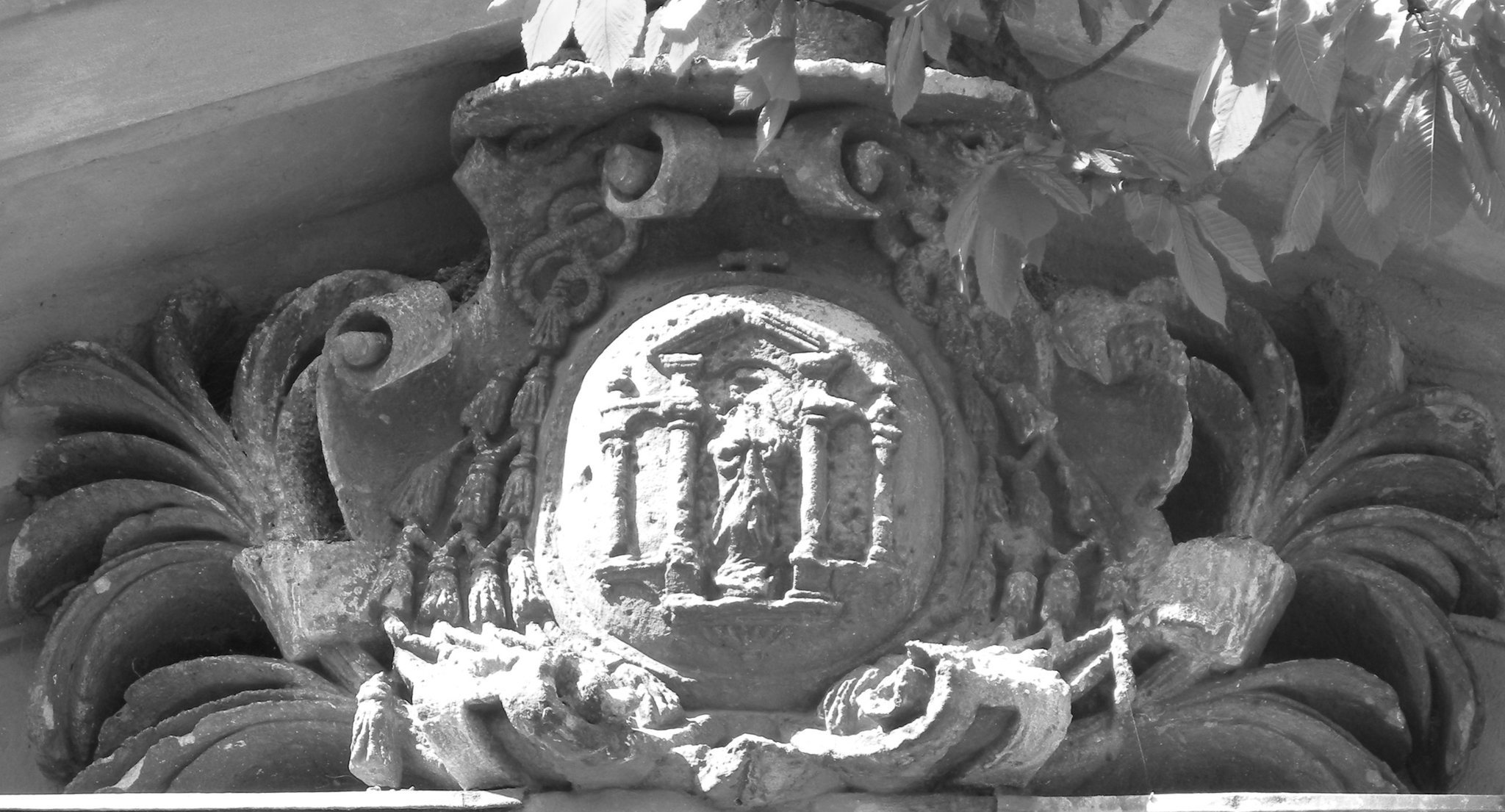
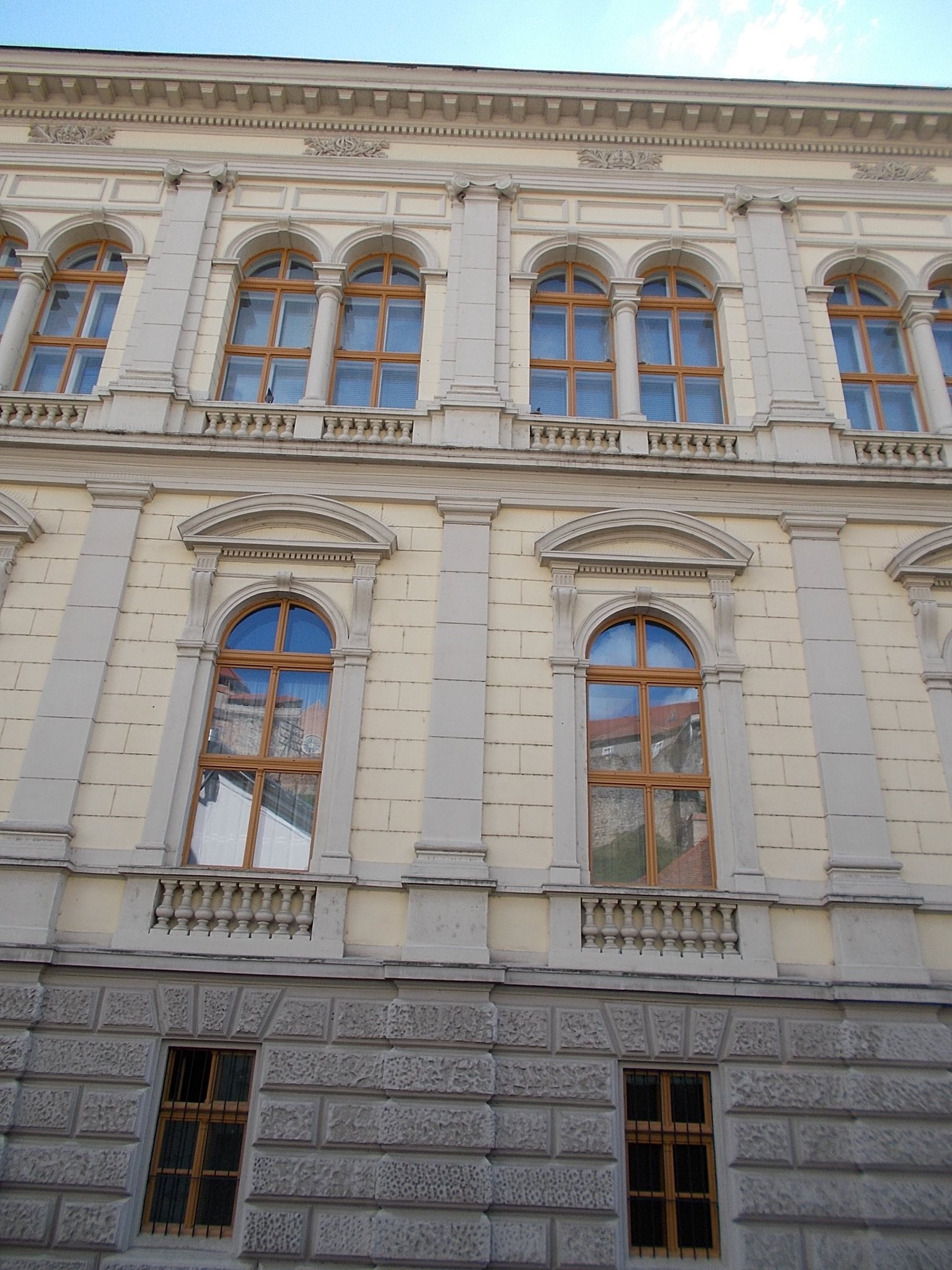
The building has a U-shaped plan, basements, and an internal courtyard. The adjoining Church of Saint Ignatius closes the composition into a quadrangular urban arrangement, while a connecting wall joins the palace to the church. Sandstone architectural ornaments and heraldic symbols enrich the exterior. Repeated representations of Simor’s archiepiscopal coat of arms appear across the building, including on the Danube facade, where a relief occupies a small niche with an obelisk and is repeated on the cornice below the dome.
The shield shows the Immaculate Virgin Mary and bears the Latin invocation Sub tuum praesidium, meaning “Under your protection.” Further versions of the motif appear as a round relief at the corner of the connecting wall and as keystones, the central wedge-shaped stones that lock an arch into place, above the main gate opening onto Mindszenty Square and the southern garden gate.
Interior Rooms and Collections
Christian Museum
The northern wing contains the Christian Museum, which now occupies the palace’s second floor. Its collection includes works by Italian, German, Austrian, Flemish, and Hungarian artists dating from the fourteenth to the sixteenth centuries.
Archiepiscopal Apartments and Archives
The interior includes archiepiscopal apartments, representative reception rooms, the Archbishop’s Library, and the Primate’s Archives. The archives preserve codices, charters, manuscripts, and other written records connected with the history of the Hungarian Catholic Church. Portraits of the archbishops of Esztergom line the main staircase, while the representative salons were used for receiving ecclesiastical and secular guests.
Black Salon
The Black Salon comprises a study, guest room, and bedroom. Its name comes from the dark tones of its furnishings. The room also formed part of the palace’s later ceremonial history when Pope John Paul II stayed there during his 1991 visit to Esztergom.
Green Salon
The Green Salon contains two monumental panoramic views of Esztergom and life-size portraits of Emperor Franz Joseph and Queen Elisabeth. Its Empire-style furnishings reflect the classicizing taste associated with that nineteenth-century design language.
Red Salon
The Red Salon contains commissioned, faithful copies of several Renaissance paintings that János Simor had been unable to obtain in the original.
Chapel and Garden
Palace Chapel
The palace chapel formed part of the building from its inauguration. Archbishop János Simor celebrated the first Mass there on the day of the palace’s consecration in January 1883.
Ottokár Prohászka Bust
The palace garden contains a bronze bust of Ottokár Prohászka made by the sculptor József Damkó in 1934. Approximately 60 centimeters high, it originally stood in front of the nearby seminary and commemorates Prohászka, an influential ecclesiastical thinker of the first half of the twentieth century.