Kloster Ettenheimmünster: A Benedictine Abbey in Germany
Site at a Glance
- Rating
- 4.7
- Popularity
- Very Low
- Country
- Germany
- Primary era
- Early Modern
- External website
- Open
- Eras represented
- Early Modern
- Civilizations
- Holy Roman Empire
- Site type
- Religious
- Remains
- Monastery
On this page14 sections
History
Kloster Ettenheimmünster in Germany was a Benedictine abbey associated with the tradition of Saint Landelin and rebuilt in the Baroque style during the early eighteenth century. A foundation tradition places its beginnings in the seventh century, while the earliest secure documents date from the early twelfth century. The monastery became an important Catholic institution in the Upper Rhine region before secularization brought its religious life to an end in 1803.
Foundation traditions and early monasteries
According to tradition, the Irish monk Saint Landelin was murdered by a pagan hunter at the site around 640. Five springs were believed to have appeared at the place of his martyrdom, and Landelin was regarded as the founder of the monastery. Around 728, Widegern, the future Bishop of Strasbourg, built a church and a small monastery called Monachorum Cella there. This foundation later collapsed for economic reasons.
Under Widegern’s successor, Bishop Heddo, the monastery was refounded at the same location and received an endowment of property. A purported testament attributed to Heddo, dated 762, describes land, vineyards, houses, and dependent laborers at Rouffach as the estate of Saint Landelin. Together with a boundary settlement involving Waldkirch from 926, the document is regarded as a forgery produced during the Investiture Controversy, a medieval conflict over control of ecclesiastical appointments, probably between 1111 and 1125 and based on older lost records.
Diocesan authority and medieval conflicts
From the early twelfth century, the abbey was legally subject to the Diocese of Strasbourg. Its relationship with the diocese remained contentious, as did the bailiwick, the protective and administrative authority exercised over a religious institution by a lay or political power. Strasbourg’s bishops granted this authority to the Lords of Geroldseck, whose control led to disputes that continued for centuries.
The abbey was devastated by its bailiffs in 1440 and suffered further destruction during the German Peasants’ War of 1525. Although nearby margravial and knightly territories adopted the Augsburg Confession, the principal Lutheran statement of faith presented in 1530, Ettenheimmünster remained Catholic. During the Strasbourg episcopal schism of 1592–1593, however, the monastery came under the authority of the Protestant bishop Johann Georg of Brandenburg.
War, rebuilding, and eighteenth-century prosperity
During the Thirty Years’ War, Swedish troops occupied the monastery, and the monks sought refuge in other monasteries. After Jakob von Geroldseck, a holder of the bailiwick, died in 1634, the authority returned to the Bishops of Strasbourg. The effects of the war brought the abbey close to economic ruin, while later seventeenth-century conflicts caused further hardship. The monks left again in 1676 and returned in 1679.
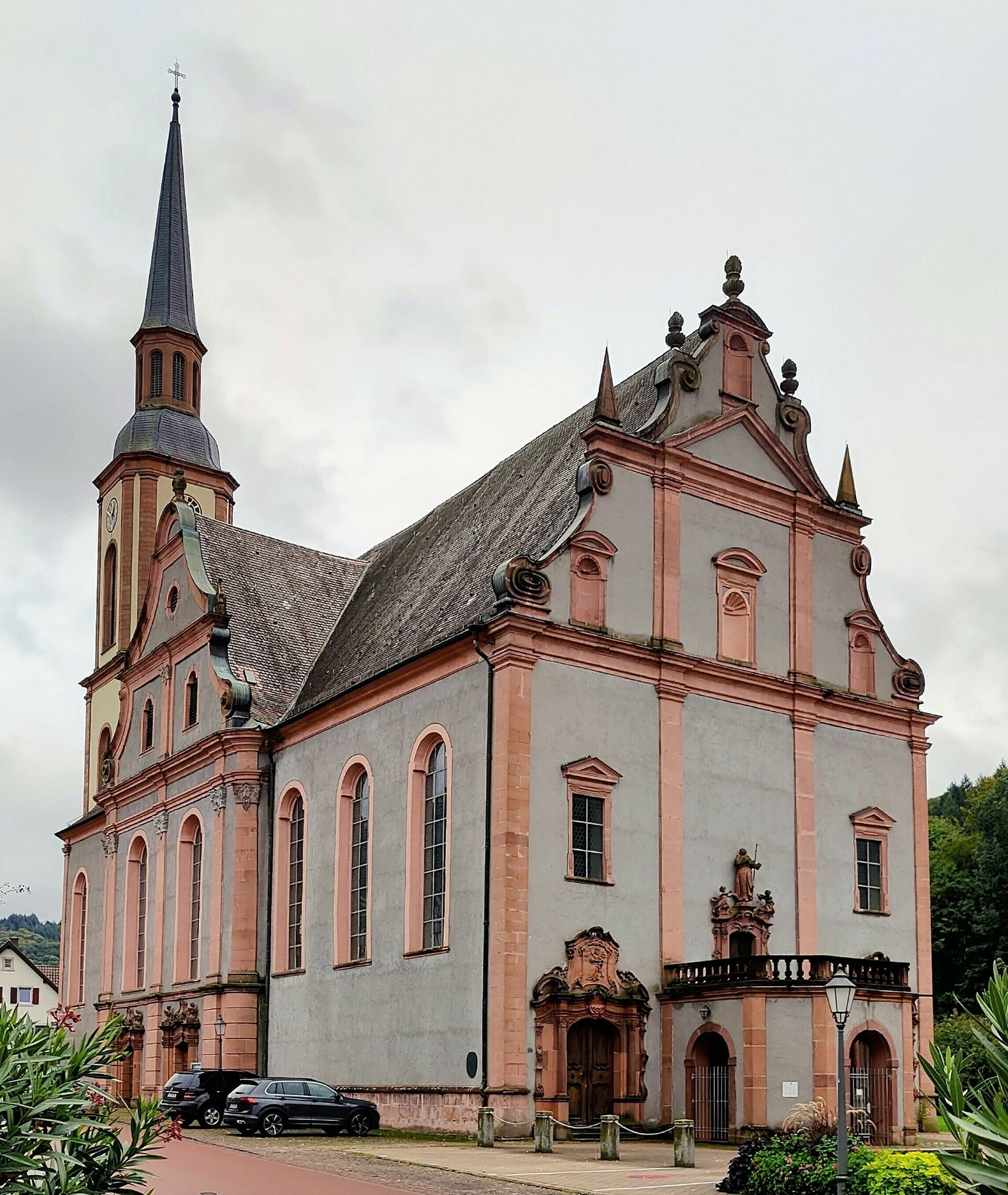
Abbot Franz Hertenstein planned a new monastery complex, although the project was not completed. The monastery church was rebuilt at the end of the seventeenth century, probably retaining the east tower of an earlier church. Under Abbot Maurus Geiger, a pilgrimage church dedicated to Saint Landelin was built near the abbey from 1687. It later became the parish church of the community, but it was never the abbey church.
After the War of the Spanish Succession, Abbot Johann Baptist Eck commissioned the Vorarlberg master builder Peter Thumb to rebuild the monastery. Work began around 1718–1719 and gave the complex its dominant Baroque character. The rebuilding brought the abbey a short period of prosperity. Its library held several thousand volumes, and the monastery became a center of music whose influence extended beyond the Upper Rhine. Ildefons Haas, a Benedictine monk, church musician, and composer, was associated with the institution.
Revolution, secularization, and demolition
In 1790, during the French Revolution, Louis-René de Rohan, the Strasbourg bishop and cardinal, fled across the Rhine and took refuge at the monastery. He remained there until he could occupy an episcopal office building adapted for him in Ettenheim. His attempt to establish a diocese on the right bank of the Rhine failed, and the abbey remained part of the Strasbourg prince-bishopric until 1803.
In 1803, the newly established state of Baden secularized the monastery, dissolving the religious institution and transferring its property to secular ownership or administration. The abbey then housed an abbot and 28 monks. Its territory came to Baden as a consequence of the Napoleonic Wars, and the complex was sold to private owners in 1804.
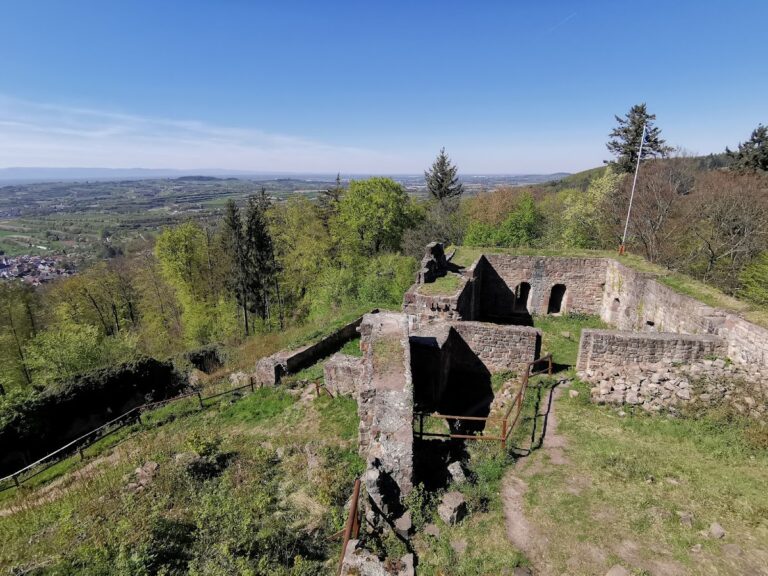
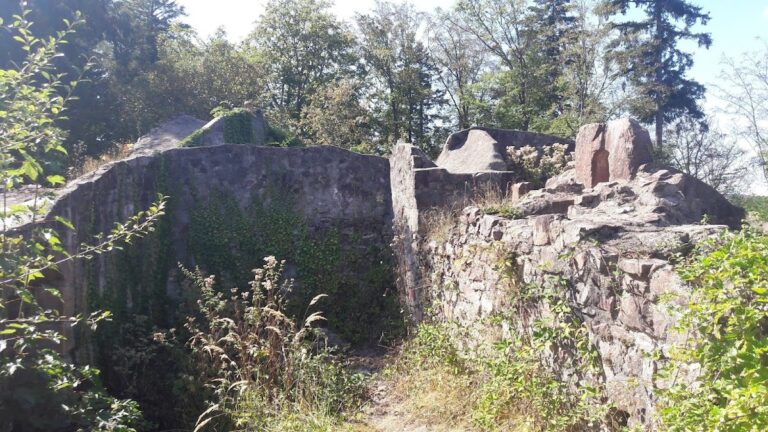
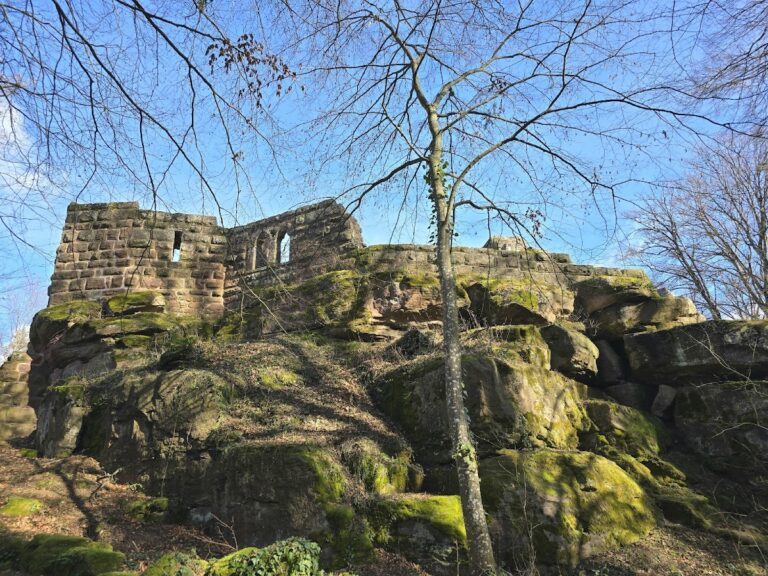
During the Napoleonic Wars, the former monastery served as a military hospital. It was later adapted first as a chicory factory and then as a tobacco factory before being sold for demolition. The monastery buildings were demolished during the nineteenth century, and the church tower was blown up in 1860. Parts of the enclosure wall and other ruins remained.
Reconstructing the lost abbey
The lost complex has been studied through surviving plans, views, furnishings, and physical remains. The Ettenheim architect Erich Berblinger made a wooden model at a scale of 1:200, now preserved on loan in the Ettenheim city museum. For the abbey’s 1,250th-anniversary celebrations in 2013, Jörg Sieger and Karl-Heinz Häffele created a virtual reconstruction. Work resumed in 2020, and an expanded reconstruction film was completed in December 2022 and presented publicly in March 2023.
Remains
Site and surviving enclosure
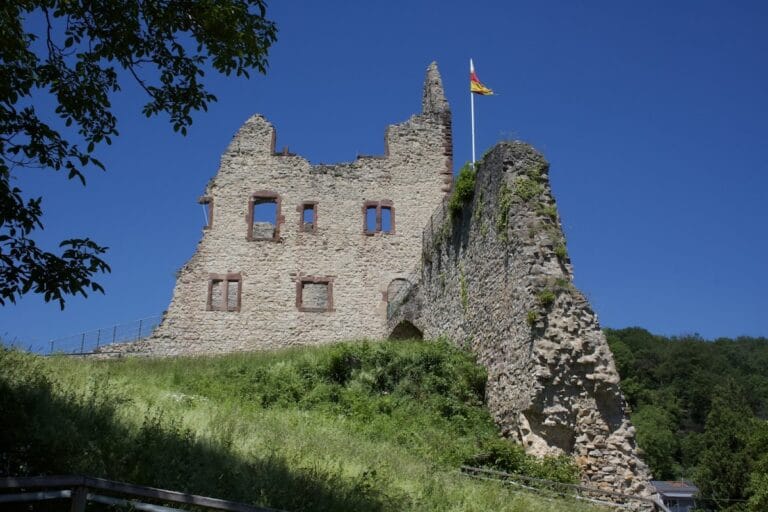
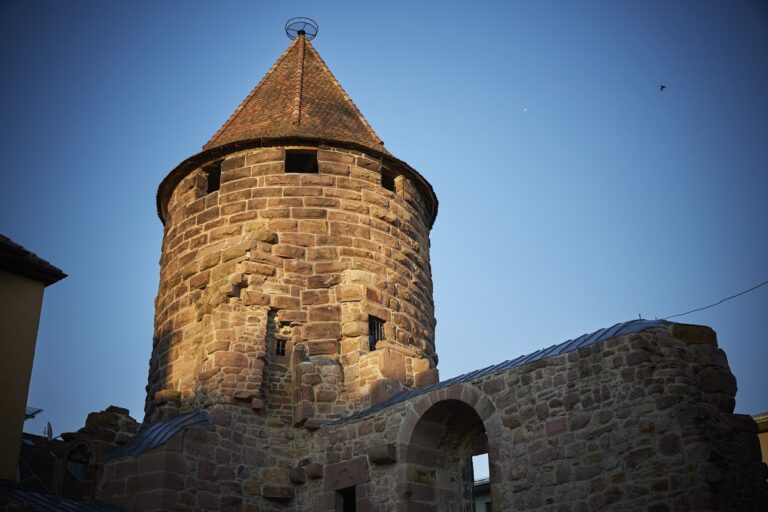
The monastery stood approximately 500 metres east of the present St. Landelin parish church in the village. The former site is represented chiefly by several ruins and portions of the enclosure wall. The surviving wall lies immediately east of the St. Marien senior residence. The location is also associated with the present Landelin Spring and with the five springs linked by tradition to Saint Landelin’s martyrdom.
Churches and former furnishings
Former abbey church
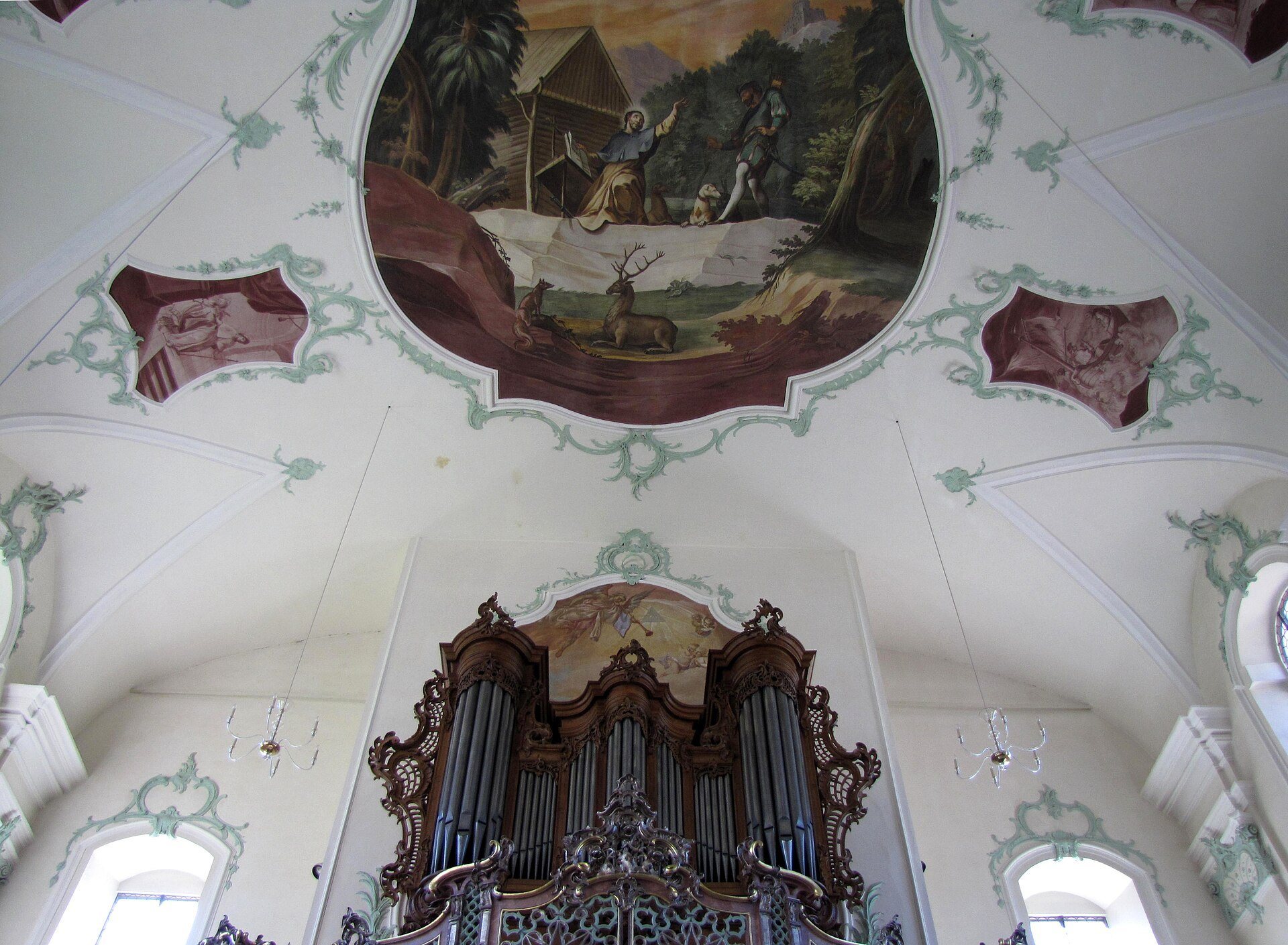
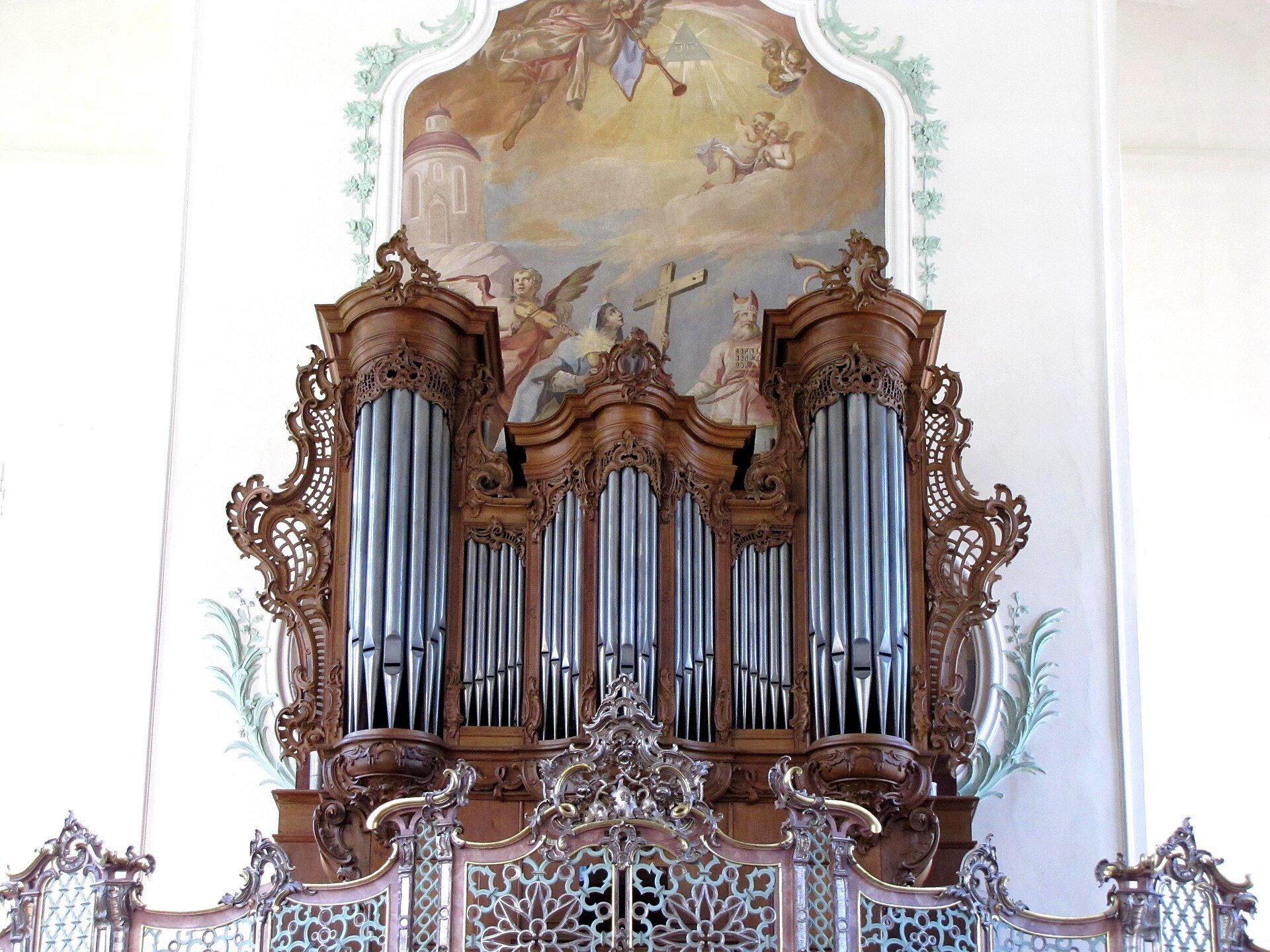
The abbey complex included a church that was rebuilt at the end of the seventeenth century, probably incorporating the east tower of an older building. Its later Baroque setting formed part of Peter Thumb’s rebuilding campaign around 1718–1719. The church possessed valuable furnishings, including a Silbermann organ, an instrument made by the Silbermann family of organ builders. After secularization, the church inventory, including the organ, was transferred to the pilgrimage church of St. Landelin.
St. Landelin pilgrimage church
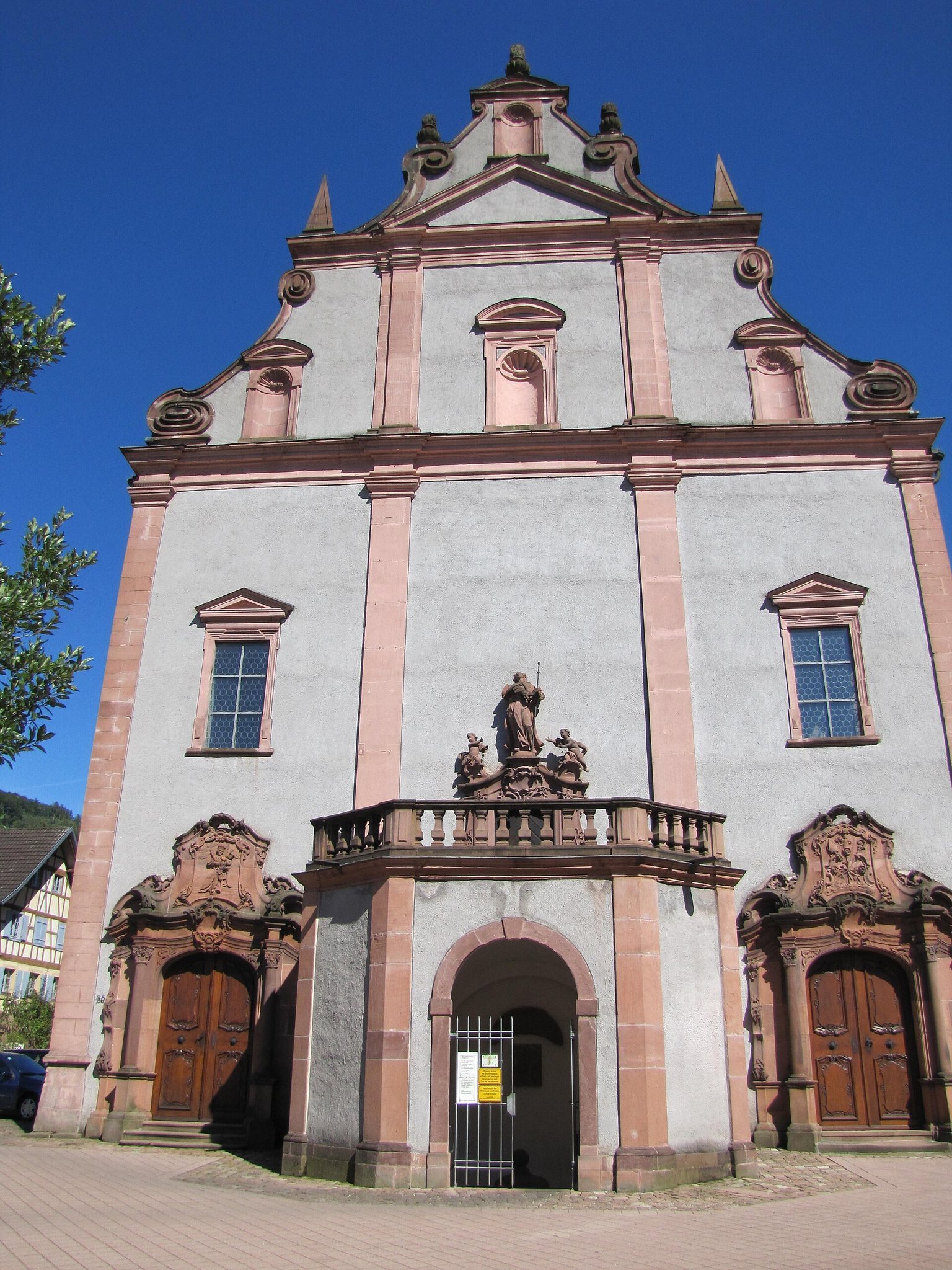
The present St. Landelin pilgrimage and parish church stands in the village and was a separate building from the former abbey church. Built near the abbey from 1687 under Abbot Maurus Geiger, it later became the community’s parish church. The abbey church and this pilgrimage church therefore represent two distinct buildings within the history of Ettenheimmünster.
Library and reconstructed complex
Library holdings
The abbey library contained several thousand volumes. A few hundred of these holdings are now in the Badische Landesbibliothek, preserving part of the intellectual collection associated with the monastery.
Virtual and physical models
The virtual reconstruction uses contemporary plans and views together with surviving furnishings. The version developed from 2020 models the exteriors of all buildings known to have existed around 1800 within an area of approximately four square kilometres and reconstructs the interiors of buildings directly belonging to the abbey. Berblinger’s wooden model provides a separate physical representation of the lost complex.