Visapur Fort: A Maratha Hill Fort in Maharashtra
Site at a Glance
- Rating
- 4.7
- Popularity
- Very Low
- Country
- India
- Primary era
- Early Modern
- Eras represented
- Early Modern
- Civilizations
- Indian
- Site type
- Military
- Remains
- Fort
On this page8 sections
History
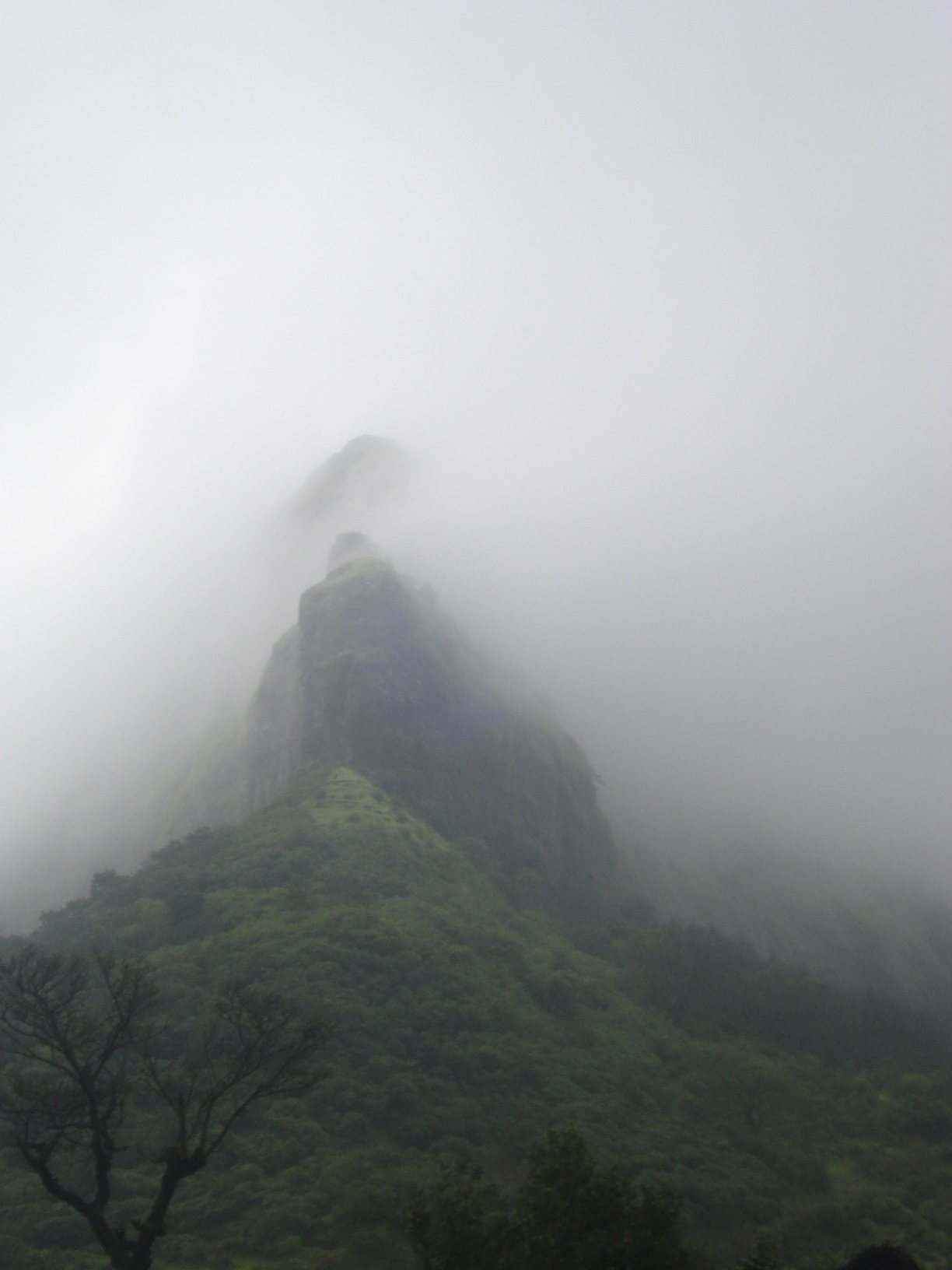
Visapur Fort is a Maratha hill fort in India, near Visapur village in Maharashtra, built between 1713 and 1720 during the early eighteenth century. Its construction was ordered by Balaji Vishwanath, the first Peshwa, the chief ministerial officeholder who became the effective head of the Maratha Empire. Visapur forms part of the Lohagad-Visapur fortification, and its history is closely connected with the older Lohagad Fort.
Construction and Maratha rule
Visapur was built later than Lohagad and occupied the same plateau at a higher elevation. Its position strengthened the defensive system around both forts. The site remained in use under Maratha control until 1818, when the British campaign against the Peshwa’s forts brought a decisive change.
The British capture in 1818
On 4 March 1818, British forces attacked and occupied Visapur during the reduction of the Peshwa’s forts. The force included 380 European soldiers, 800 Indian soldiers, a siege-artillery train from Konkan, artillery from Chakan, and two additional British battalions.
Visapur’s higher position and proximity to Lohagad allowed the British to place artillery there and bombard the neighbouring fort. The attack forced the Maratha defenders to flee, after which the Lohagad-Visapur fortification was placed under Colonel Prother, a British military officer. The British also destroyed the northern and southern gateways, while much of the fort wall remained intact.
Changes of control
After its capture, Visapur passed from the Maratha Empire to the British East India Company in 1818. Control then passed to India in 1857 and to independent India in 1947. The fort is now owned by the Government of India and survives as a ruin.
Remains
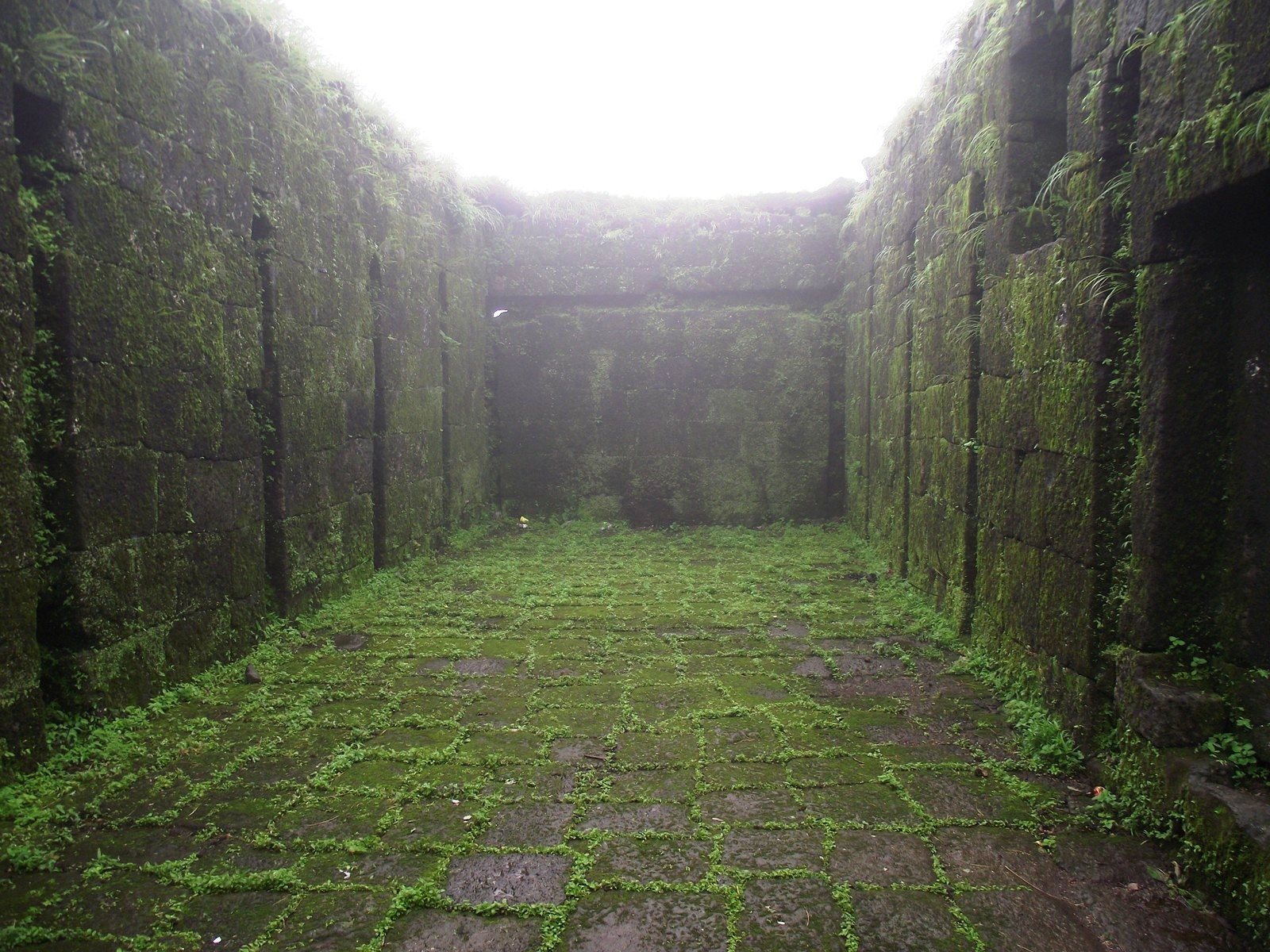
Walls and gateways
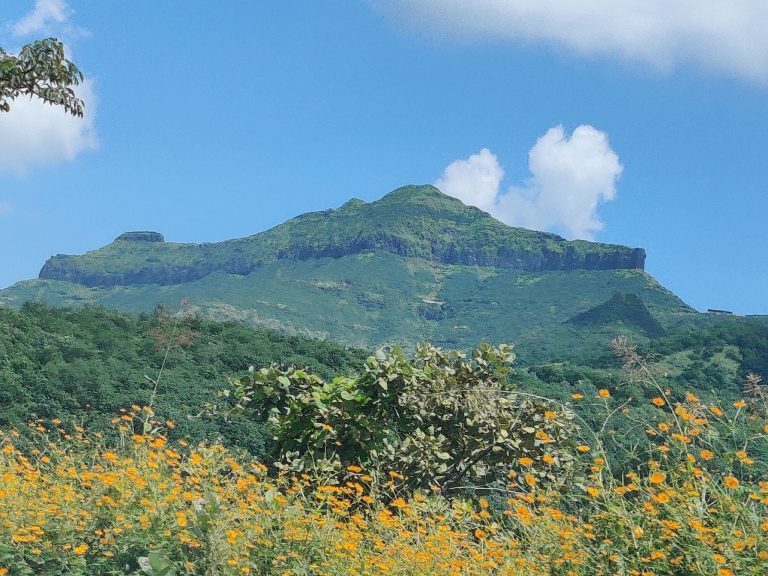
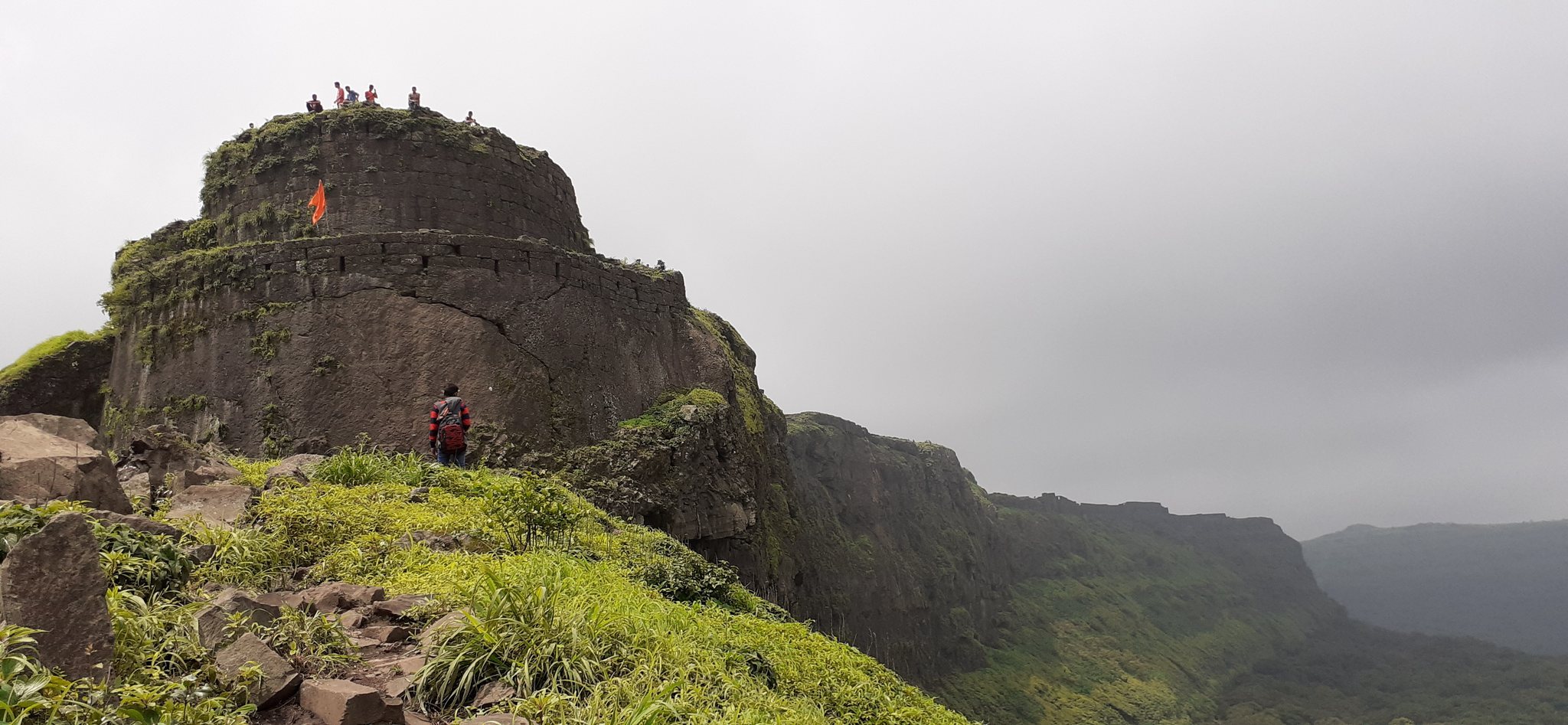
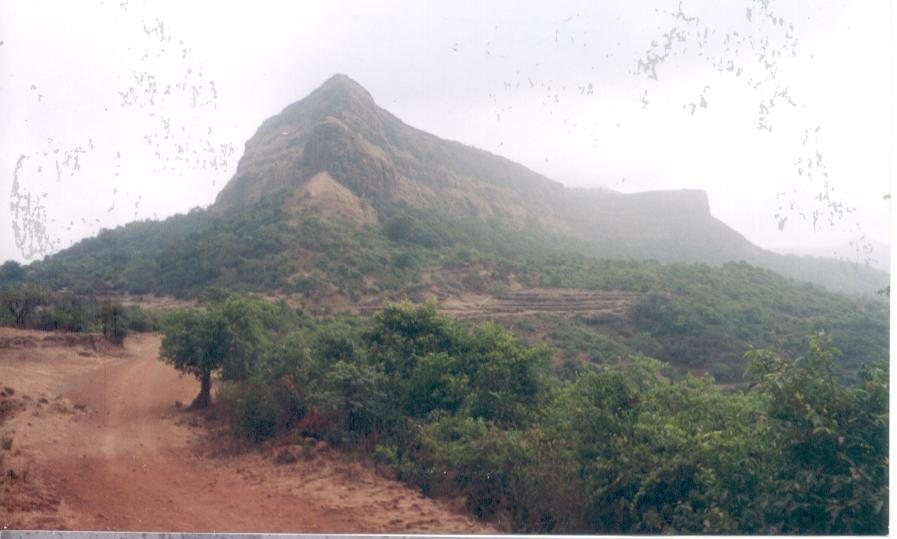
Visapur stands 1,084 metres above sea level on a hilltop plateau shared with Lohagad. It is larger and higher than its twin fort. Built of stone, the fortification follows a winding circuit, with towers strengthening the western face. Along the more moderately sloping ground, the wall is about 3 feet thick and supported by masonry platforms. Where the plateau ends in a precipice, the defensive line becomes a dry-stone parapet.
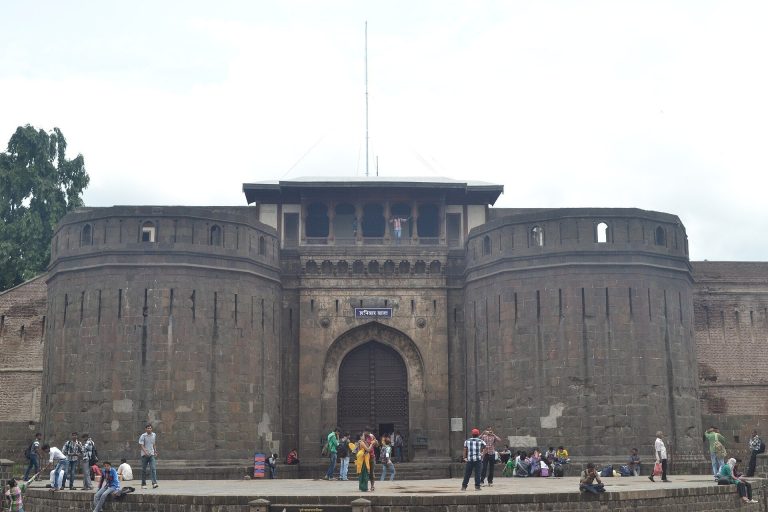
Two massive bastions, projecting defensive structures designed to strengthen a wall and support weapons, flank the ruined central gate. The northern and southern gateways were destroyed during the British capture of the fort in 1818. Much of the enclosing wall survives.
Buildings and religious features
The interior contains caves, water cisterns, a decorated arch, old houses, and two roofless buildings enclosed by outer or veranda walls. These buildings are traditionally said to have served as government offices. A large ruined stone house is traditionally known as the Peshwa’s palace.
A large carving of Hanuman, a Hindu deity associated with strength, devotion, and protection, stands among several temples dedicated to him across the fort. A well is traditionally attributed to the Pandavas, the five brothers who are central figures in the Hindu epic Mahabharata. Near the northern wall are the remains of an old Mahadev shrine, with Mahadev being a common name for Shiva.
Iron gun
Near the northern wall is an iron gun that measured 10 feet in length and had a 4-inch bore when described in 1885. It bears a Tudor Rose and Crown, flanked by the letters “E. R.” The gun probably dates from the reign of Queen Elizabeth. It may have been taken as bounty from an English ship and presented to the Peshwa by Kanhoji Angre, a Maratha naval commander, or by another commander of the Maratha navy.
Like other guns at Visapur, it had been disabled by breaking off its trunnions, the side projections that support a cannon and allow its elevation. The damaged weapon remains associated with the old shrine nearby and with the fort’s later Maratha military history.