Ghodbunder Fort: A Portuguese Hill Fort and Land Battery in India
Site at a Glance
- Rating
- 4.1
- Popularity
- Medium
- Country
- India
- Primary era
- Early Modern
- Eras represented
- Early Modern
- Civilizations
- Portuguese
- Site type
- Military
- Remains
- Fort
On this page8 sections
History
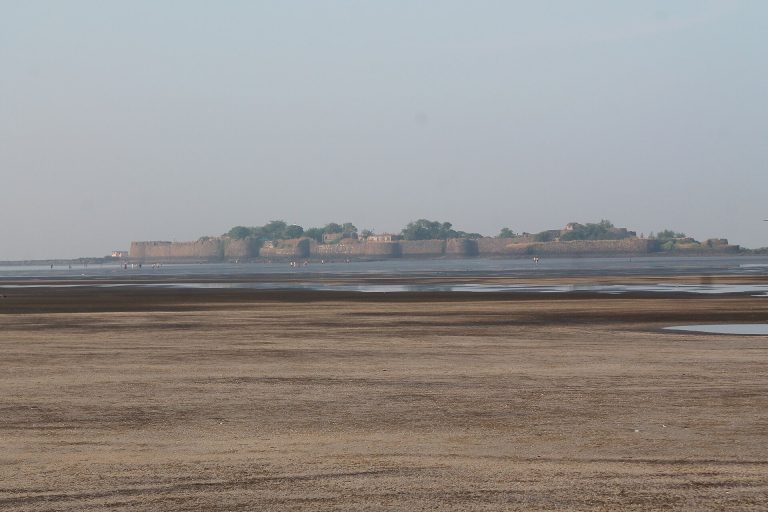
Ghodbunder Fort is a Portuguese-built hill fort and land battery in India, located at Ghodbander Village in Mira Bhayandar, Maharashtra. Initial fortification began around 1550, and the fort in its present form was completed in 1730. Built above the Ulhas creek, it guarded a settlement associated with horse trading and later became a military and administrative center under Portuguese, Maratha, and British rule.
Horse port and Portuguese fortification
Ghodbunder village appears in the fifteenth- to seventeenth-century Marathi historical chronicle Mahikavatichi Bakhar. Its name reflects the settlement’s commercial role: ghod means horse and bunder means port. Portuguese traders used the port to exchange horses with Arab merchants. After arriving in Thane in 1530, the Portuguese began fortifying the hill at Ghodbunder by about 1550. They called the stronghold “Cacabe de Tanna.”
Maratha capture and later administration
Portuguese forces resisted repeated Maratha attempts to seize the fort, including an attack by forces of Shivaji Maharaj, the founder of the Maratha state and a major seventeenth-century military and political leader, in 1672. In 1737, Maratha troops commanded by Chimaji Appa besieged and captured the fort. Afterward, Shahu I, ruler of the Maratha Kingdom, ordered its defenses to be strengthened, including the construction of a tower.
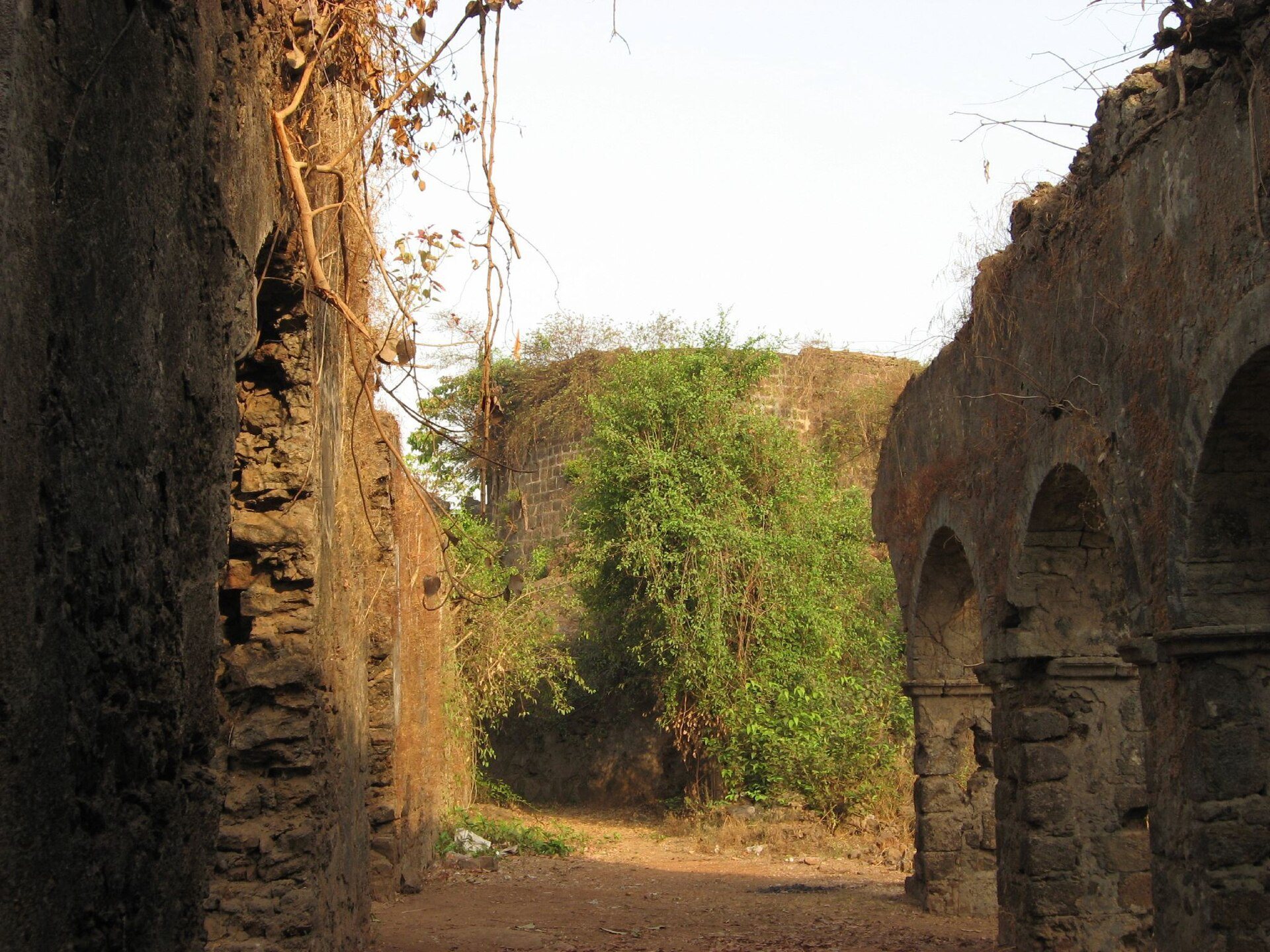
The fort remained under Portuguese rule until 1737 and formed part of the Maratha Kingdom from 1737 to 1818. The British occupied it in 1818, after which the East India Company used it as the headquarters of district administration. A district collector was stationed in Thane during this period. Ownership passed from the company to the Government of India in 1947. The Archaeological Survey of India now controls the ruined fort, which is undergoing restoration.
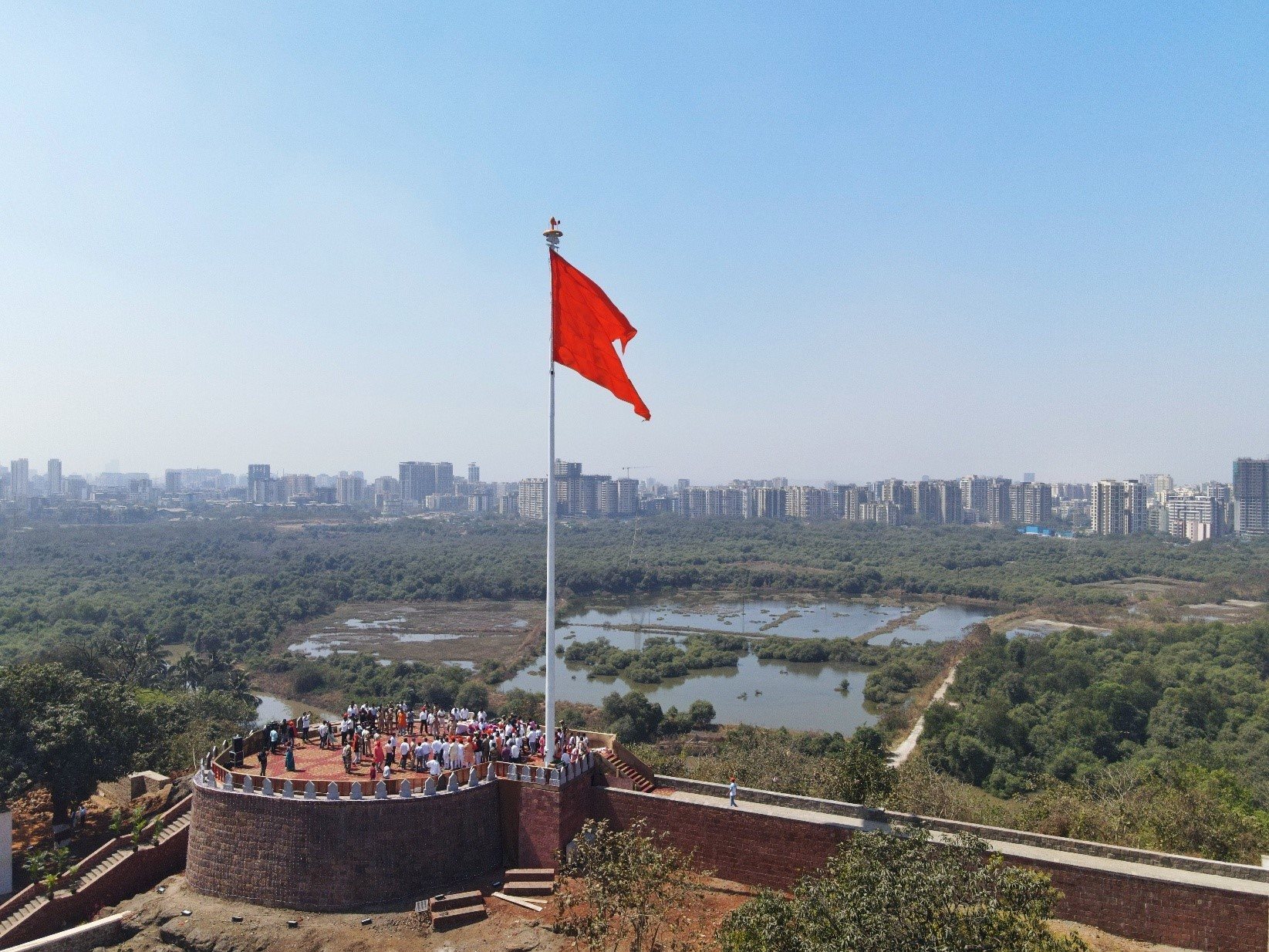
Renovation plans announced by the Government of India in 2014 included landscaping and improvement of roughly four acres around the fort. Under the Maharashtra Department of Cultural Affairs and Directorate of Archaeology and Museums’ Adopt the Monument Scheme, the Mira-Bhayandar Municipal Corporation adopted the site, and SANKRAMAN Design Studio was appointed as heritage conservation architect. On 22 June 2024, a previously unknown underground chamber was found at the fort, and scientific excavation is continuing.
Remains
Hill fortifications
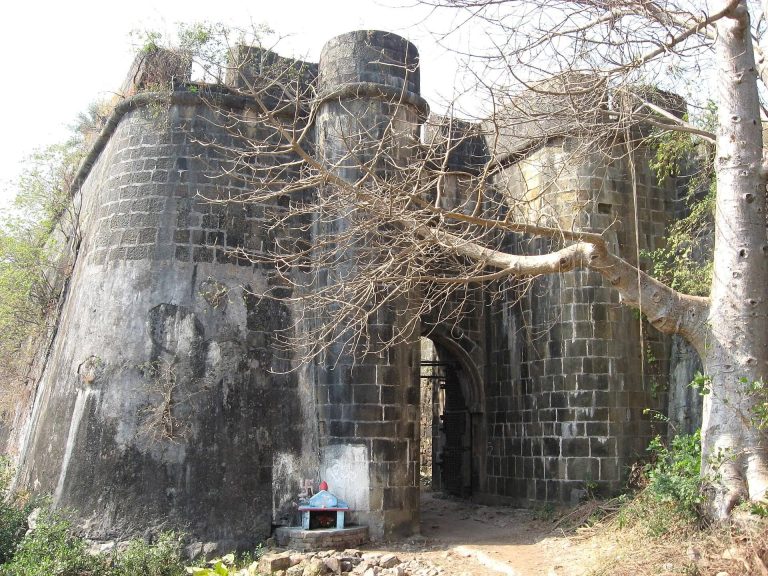
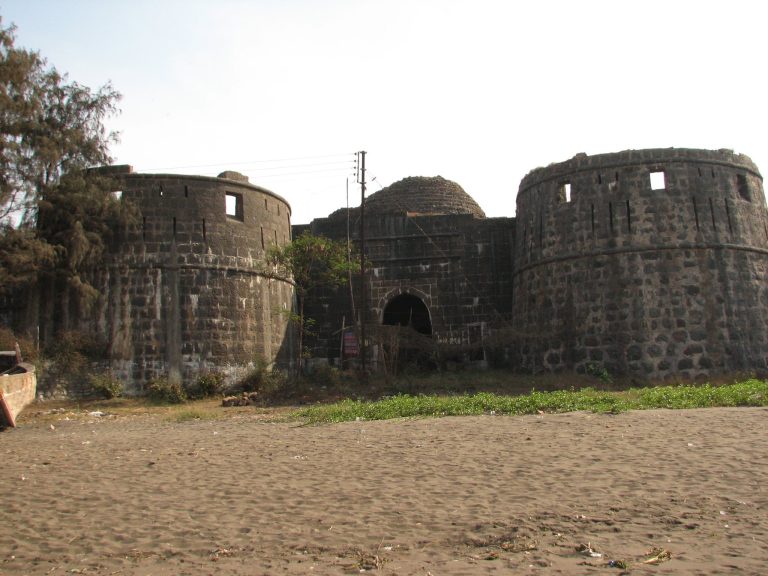
Ghodbunder Fort occupies a hill just south of the Ulhas River, with its ramparts overlooking the Ulhas creek. The site combines the defensive enclosure of a hill fort with a land battery, a fortified position on land intended for artillery and defensive fire. Its walls and other fortifications were built from red laterite, a reddish iron-rich tropical rock, bonded with lime mortar. The first defenses date from about 1550, while the existing form belongs mainly to the completion of the fort in 1730 and the strengthening ordered after the Maratha capture in 1737.
Surviving internal features and excavation
Church
A church within the fort still survives. The building has been converted for use as a hotel, forming one of the site’s continuing architectural elements amid the surrounding ruins.
Underground chamber
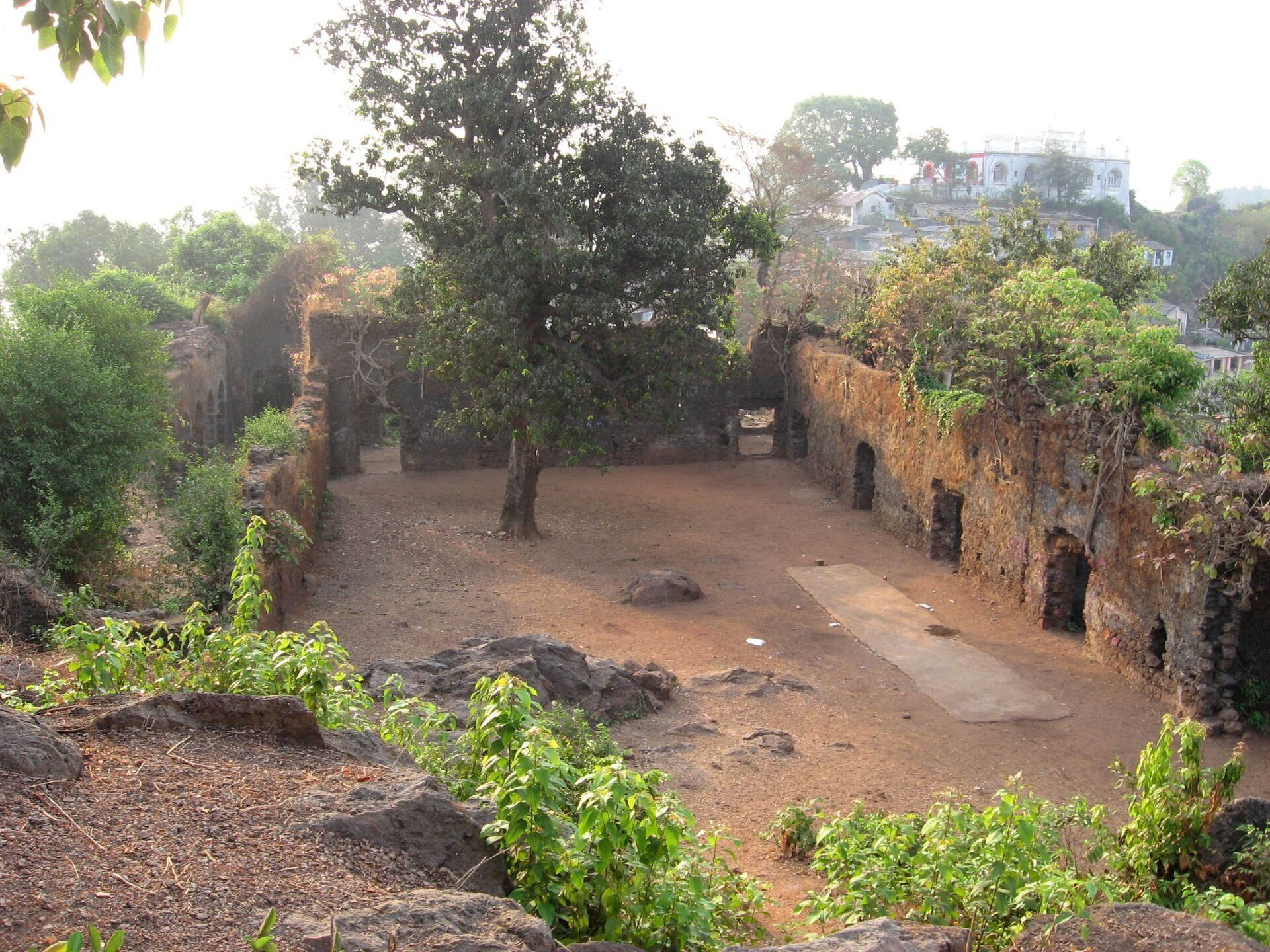
An underground chamber discovered on 22 June 2024 lies within the fort and is being investigated through scientific excavation. Its discovery has added a new archaeological feature to the surviving complex while the wider site remains in ruins and undergoes restoration.