Roman Lighthouse: A Roman Beacon at Dover


Site at a Glance
- Rating
- 4.6
- Popularity
- Very Low
- Country
- United Kingdom
- Primary era
- Classical
- External website
- Open
- Eras represented
- Classical
- Civilizations
- Roman
- Site type
- Infrastructure
- Remains
- Lighthouse
On this page7 sections
History
The Roman Lighthouse is a Roman beacon tower in Dover, United Kingdom, built at Dubris soon after the Roman conquest of Britain. Dating is uncertain, with proposals ranging from around AD 50 to approximately AD 138, although a first-century AD date is generally preferred. Dubris became an important military, commercial, and cross-Channel harbour, and the lighthouse formed part of this port’s infrastructure.
The Lighthouses of Dubris
Two towers were built at Dubris, one on the Eastern Heights and another on the Western Heights. Each was known as a Pharos, a lighthouse or beacon tower named after the ancient lighthouse on the island of Pharos at Alexandria. Their design was modelled on the Tour d’Ordre at Boulogne, a Roman lighthouse associated with Emperor Caligula’s planned invasion of Britain. Caligula ruled from AD 37 to 41, but the invasion was never carried out.
Medieval Adaptation and Later History
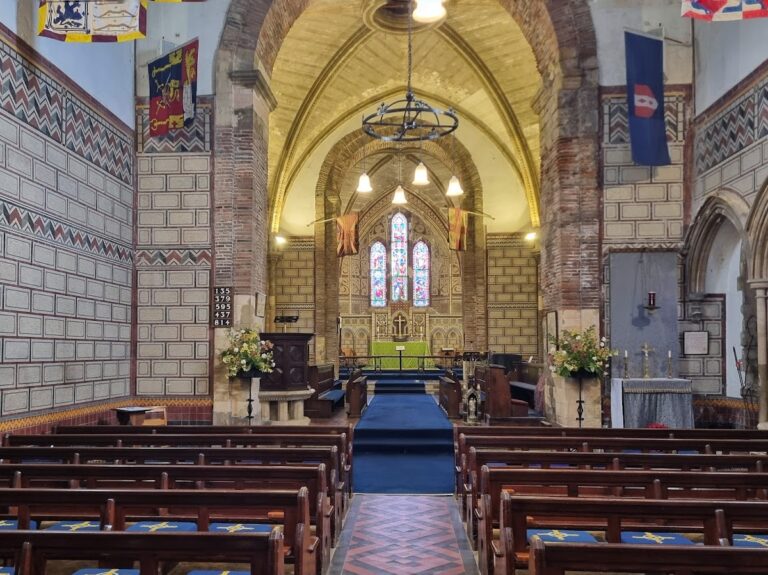
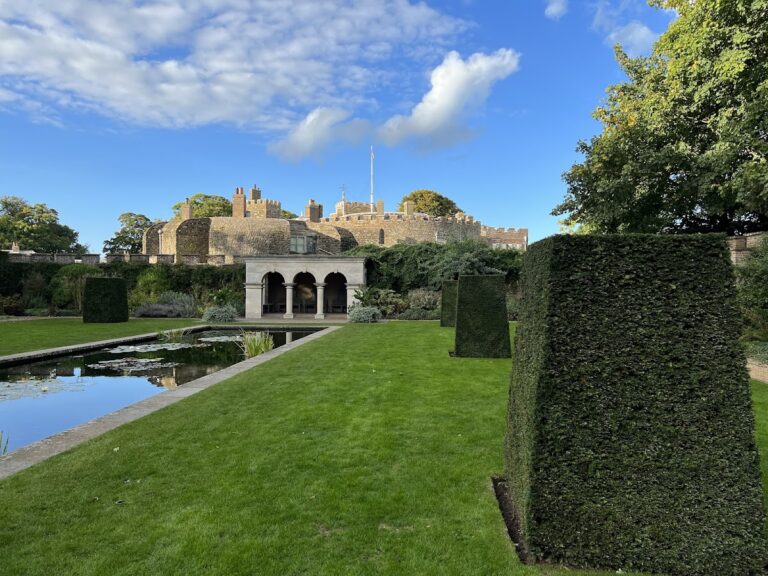
The eastern lighthouse was later adapted as the bell tower of the medieval church of St Mary de Castro. Dover Castle was built on the site in the twelfth century, placing the Roman tower within a later medieval stronghold.
The western lighthouse was largely covered by building works in the eighteenth century. Further works in the 1860s revealed part of it, and its surviving remains became the traditional site for the investiture of the Lord Warden of the Cinque Ports. This historic crown office has ceremonial and administrative oversight of the Cinque Ports, a group of southeastern English ports.
The Roman Lighthouse has been a Grade I-listed building since 1974. It is one of three surviving Roman-period lighthouses, preserving evidence of the Roman maritime installations established at Dubris.
Remains
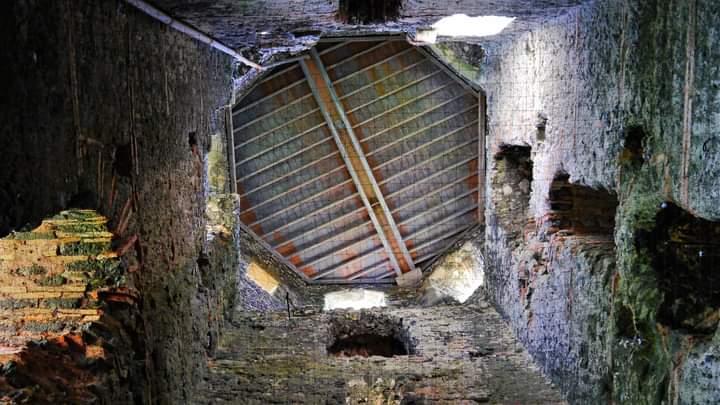
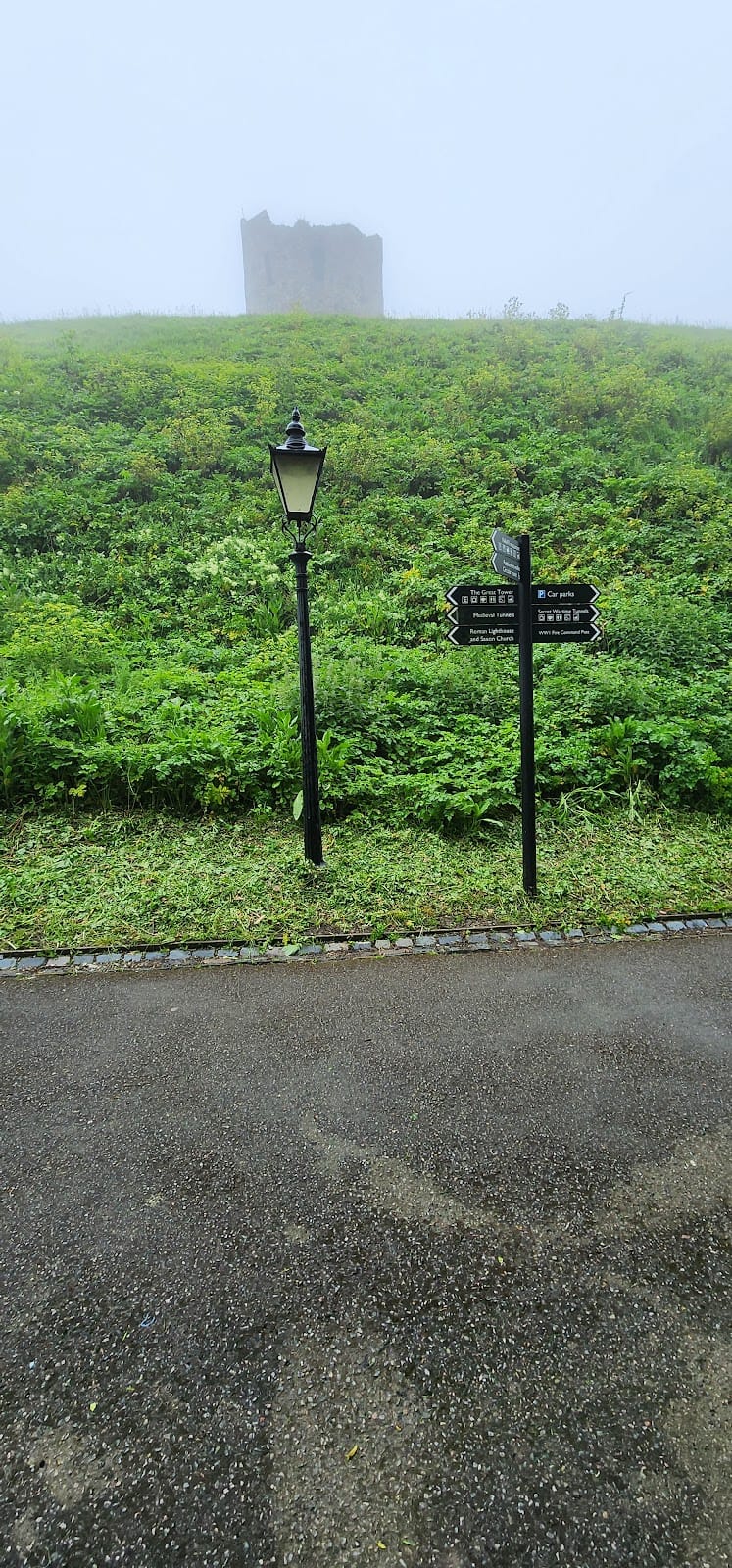
The surviving eastern tower stands on the Eastern Heights within Dover Castle, near St Mary de Castro. It rises approximately 24 metres, or 80 feet, and remains close to its presumed original height. Although it no longer operates as a beacon, its substantial height makes it the tallest surviving Roman-period building in the United Kingdom.
Surviving Lighthouse Structures
Eastern Lighthouse
The eastern lighthouse is a substantial Roman tower whose surviving masonry preserves most of its height. Its later conversion into the bell tower of St Mary de Castro explains its continued presence within the medieval church complex and its survival as part of the wider Dover Castle site.
Western Lighthouse
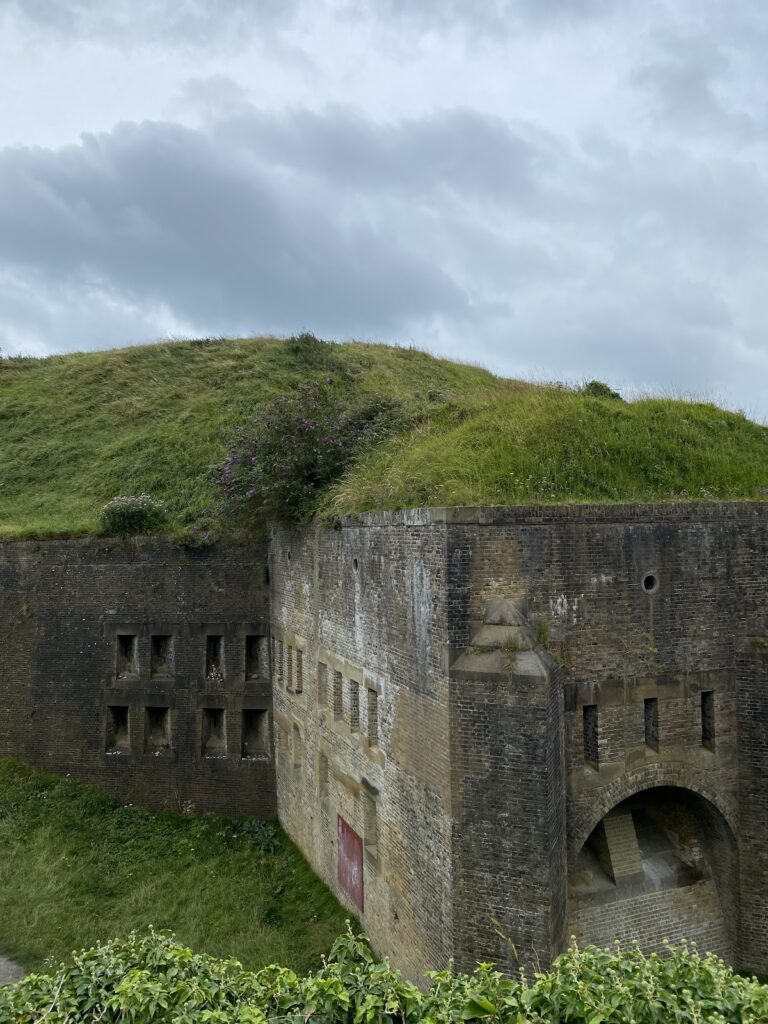
Only a small amount of the western counterpart survives on Dover Western Heights. Known as the Bredenstone or the Devil’s Drop of Mortar, the remains lie within Drop Redoubt, where they preserve the location of the second Roman lighthouse at Dubris.