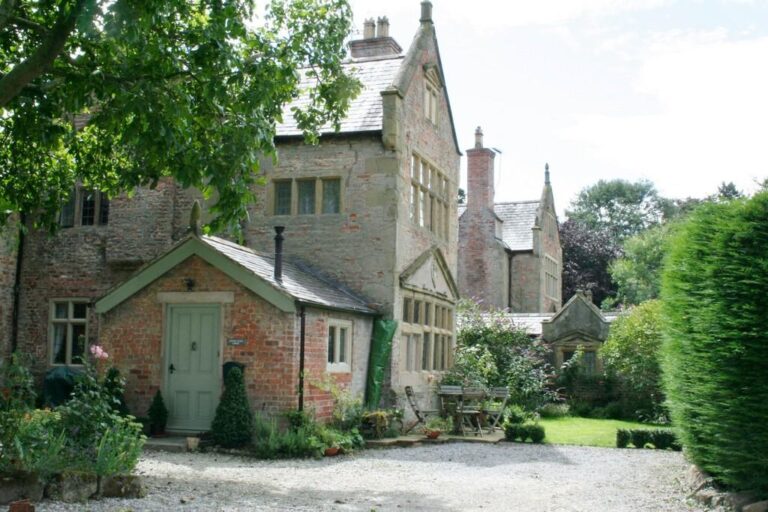
Water Tower, Chester: A Medieval Defence of the River Port
Site at a Glance
- Rating
- 4.4
- Popularity
- Low
- Country
- United Kingdom
- Primary era
- Medieval
- External website
- Open
- Eras represented
- Medieval
- Civilizations
- English
- Site type
- Military
- Remains
- Tower
On this page7 sections
History
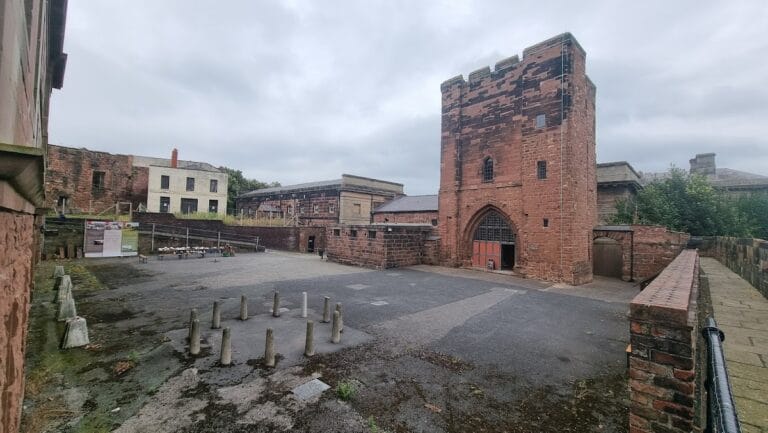
Water Tower is a medieval defensive tower in Chester, United Kingdom, built between 1322 and 1325 when the River Dee reached its walls. Originally called the New Tower, it was designed by John Helpston, who had also designed castles for Edward II, king of England from 1307 to 1327. The tower defended Chester’s port, watched shipping, and helped ensure the payment of customs dues. Together with its spur wall, it cost £100.
From river defence to landlocked tower
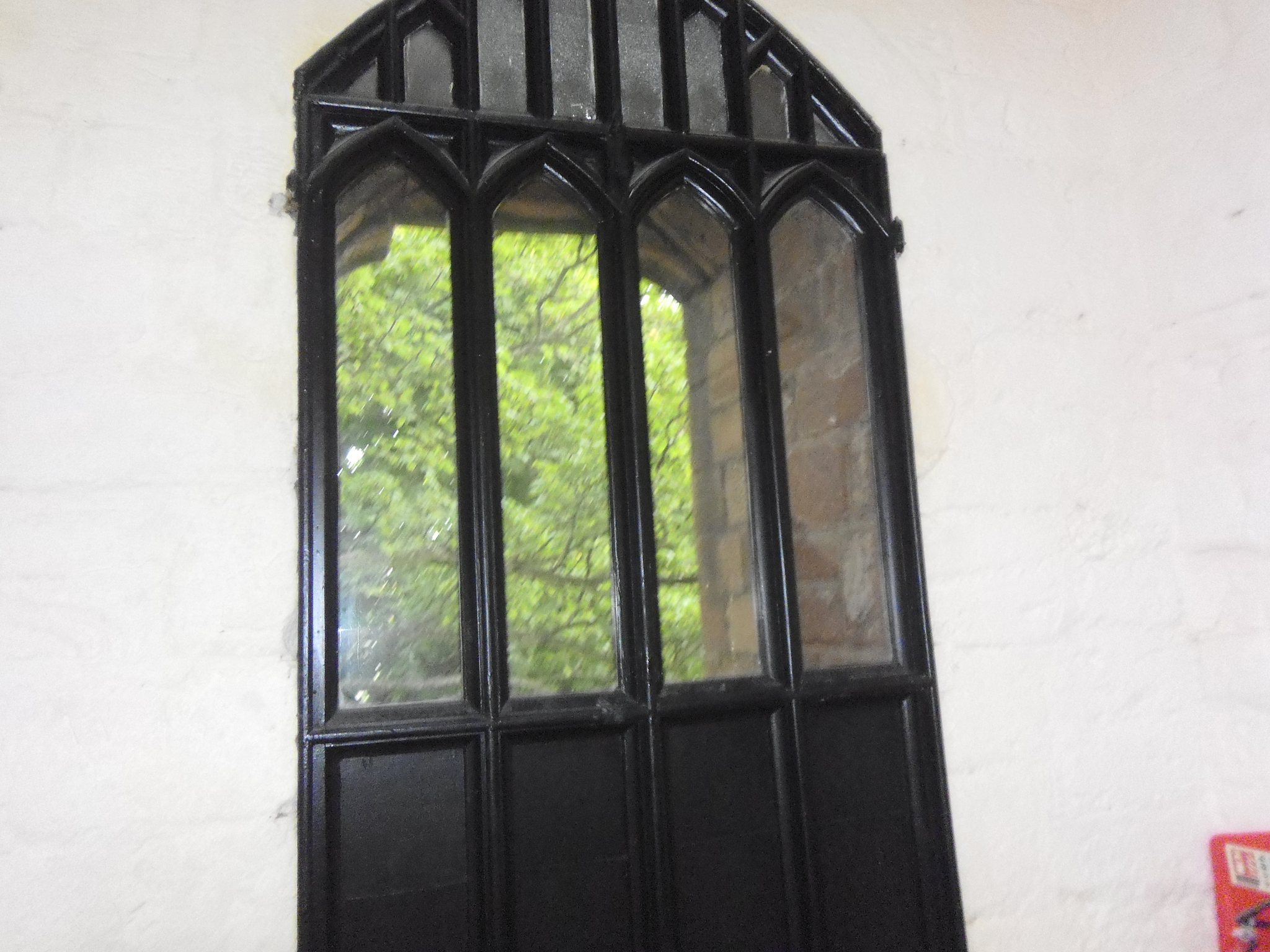
By the end of the sixteenth century, silt had accumulated in the River Dee and left the tower inland. The city paid for renovation in 1639. During the following decade, embrasures, which are openings in fortified walls for observation or firing weapons, were adapted as gun ports. The tower was attacked and damaged during the English Civil War, the conflict between supporters of the monarchy and Parliament from 1642 to 1651.
From 1671 the Water Tower was leased as a storehouse. In 1728 it was described as “useless and neglected,” reflecting the decline of its defensive and port functions. The name Water Tower had replaced New Tower in common use from the seventeenth century, although Chester’s City Assembly attempted to preserve the older name.
Museum and later public use
The Chester Mechanics’ Institution, a nineteenth-century educational and cultural association that collected and displayed artefacts, leased the Water Tower and Bonewaldesthorne’s Tower from the city at a nominal rent. Its museum opened in 1838. When the institution closed in 1876, the city council received its exhibits. The tower was considered unsuitable as a museum, but the collection remained there because no alternative display space was available.
The museum closed in 1901 to 1902 while Chester’s city walls were rebuilt, then reopened in 1903. The towers closed to the public in 1916 and were leased for non-museum uses during the 1920s. The Grosvenor Museum acquired them in 1954, and they reopened in 1962. Since August 2016, the Water Tower and Bonewaldesthorne’s Tower have housed the medical-history museum Sick to Death. The tower and its spur wall became a Grade I listed building on 28 July 1955, a designation reserved in England for structures of the highest category of national architectural or historic importance. It is regarded as probably the least-altered of Chester’s medieval towers.
Remains
Defensive structures
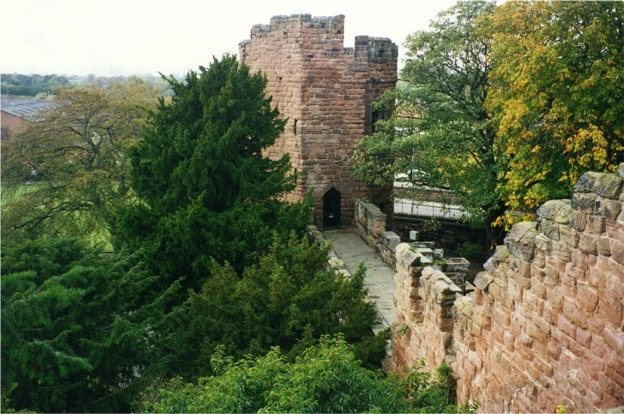
The Water Tower is linked to Bonewaldesthorne’s Tower by a projecting defensive wall known as a spur wall. Both structures are built of sandstone rubble. The tower rises approximately 23 metres, while the spur wall is about 30 metres long, just over 3 metres wide, and approximately 7 metres high. Its crenellation, a battlement of alternating raised sections and openings, survives along the wall and may be the only medieval example remaining on Chester’s city walls.
The Water Tower
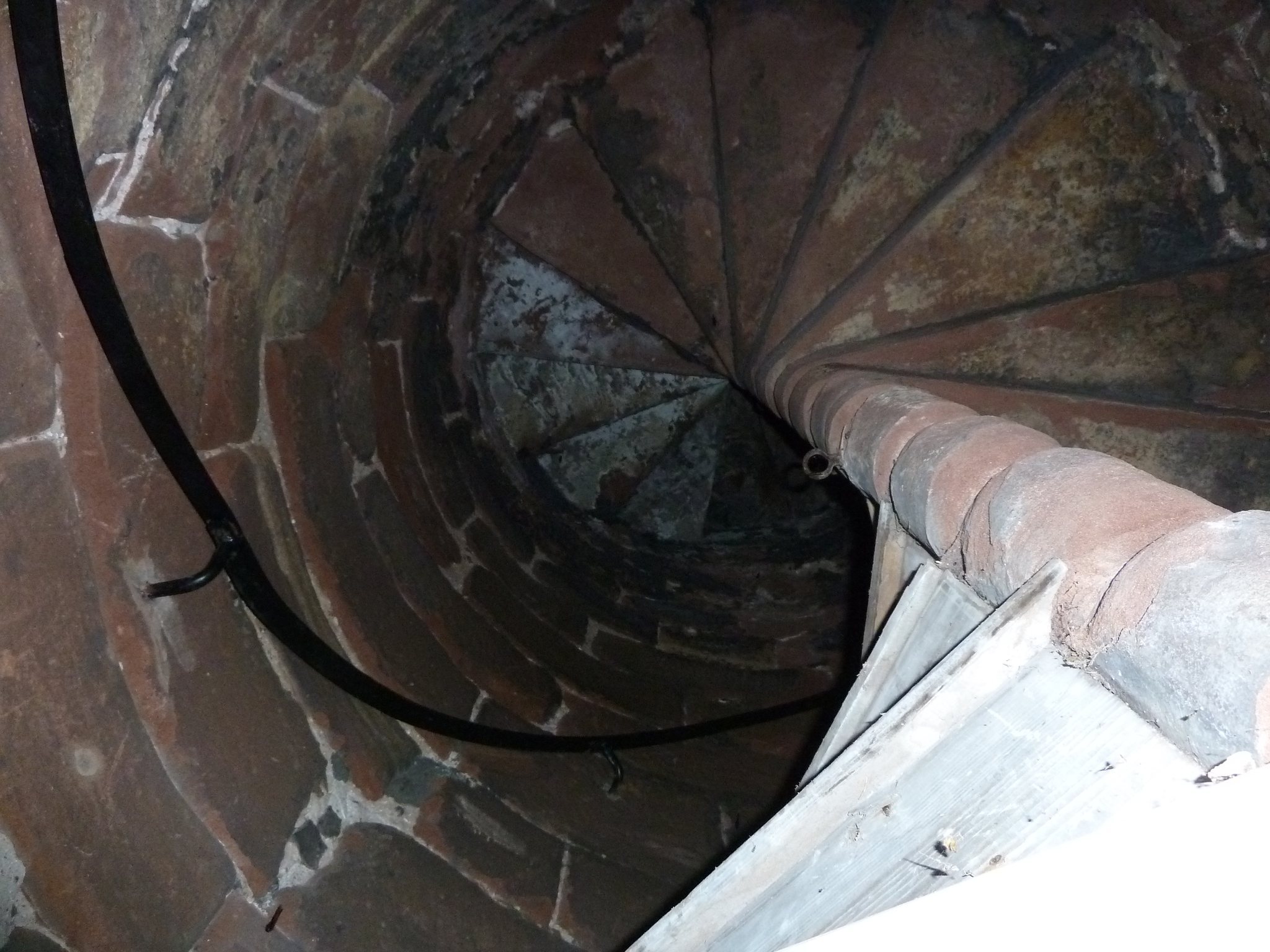
The tower is circular at its base and supports a square turret containing two octagonal chambers, one above the other. A pointed archway leads from the city wall into the lower chamber. A small latrine occupies the angle between the tower and spur wall. Five stone steps descend from the archway through the approximately 4-metre-thick wall. The lower chamber once had embrasures, later blocked, whose positions remain visible on the exterior. A circular staircase of 23 steps rises to the upper chamber, where four embrasures survive.
The spur wall and approach
An archway in the city wall leads to 44 stone steps descending towards the tower. Above the upper chamber, a raised fighting platform overlooks the tower entrance, and the tower itself retains a crenellated top. The tower now stands approximately 183 metres inland from the River Dee because the river channel silted up, although its original position shows how closely the medieval structure was connected with Chester’s port.