Purani Haveli: Former Residence of the Nizams of Hyderabad
Site at a Glance
- Rating
- 4.2
- Popularity
- Medium
- Country
- India
- Primary era
- Early Modern
- External website
- Open
- Eras represented
- Early Modern
- Civilizations
- Unclassified
- Site type
- Domestic
- Remains
- Palace
On this page9 sections
History
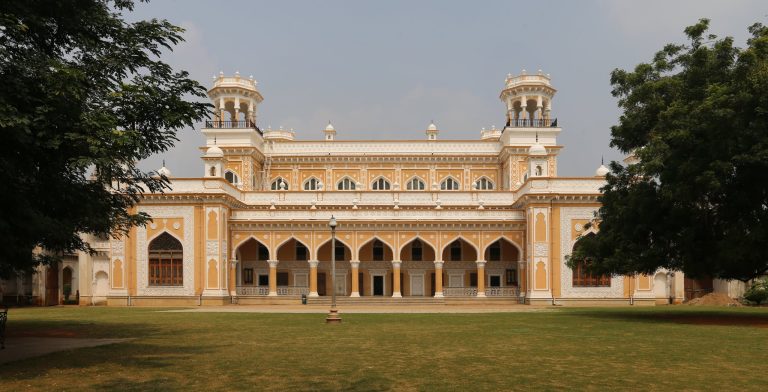
Purani Haveli is a palace complex in Hyderabad, India, that served as the official residence of the Nizams of Hyderabad State. Also called Masarrat Mahal and Haveli Kadeem, meaning “old mansion,” it is associated with the ruling Asaf Jah dynasty and includes buildings whose main palace resembles European palaces of the eighteenth century.
Origins and Nizam residence
In 1717, Mir Nizam Ali Khan, the second Nizam of Hyderabad, took control of the property from Nawab Rukn-ud-Daula of the Momin lineage. The palace was later constructed for his son Sikander Jah, also known as Asaf Jah III, by Ali Khan Bahadur, Asaf Jah II, who was Sikander Jah’s father and predecessor.
Sikander Jah lived at Purani Haveli for a period before moving to Chowmahalla Palace. His later residence gave the earlier palace its enduring name, Purani Haveli. The sixth and seventh Nizams were born there and spent part of their lives within the complex.
Later institutional uses
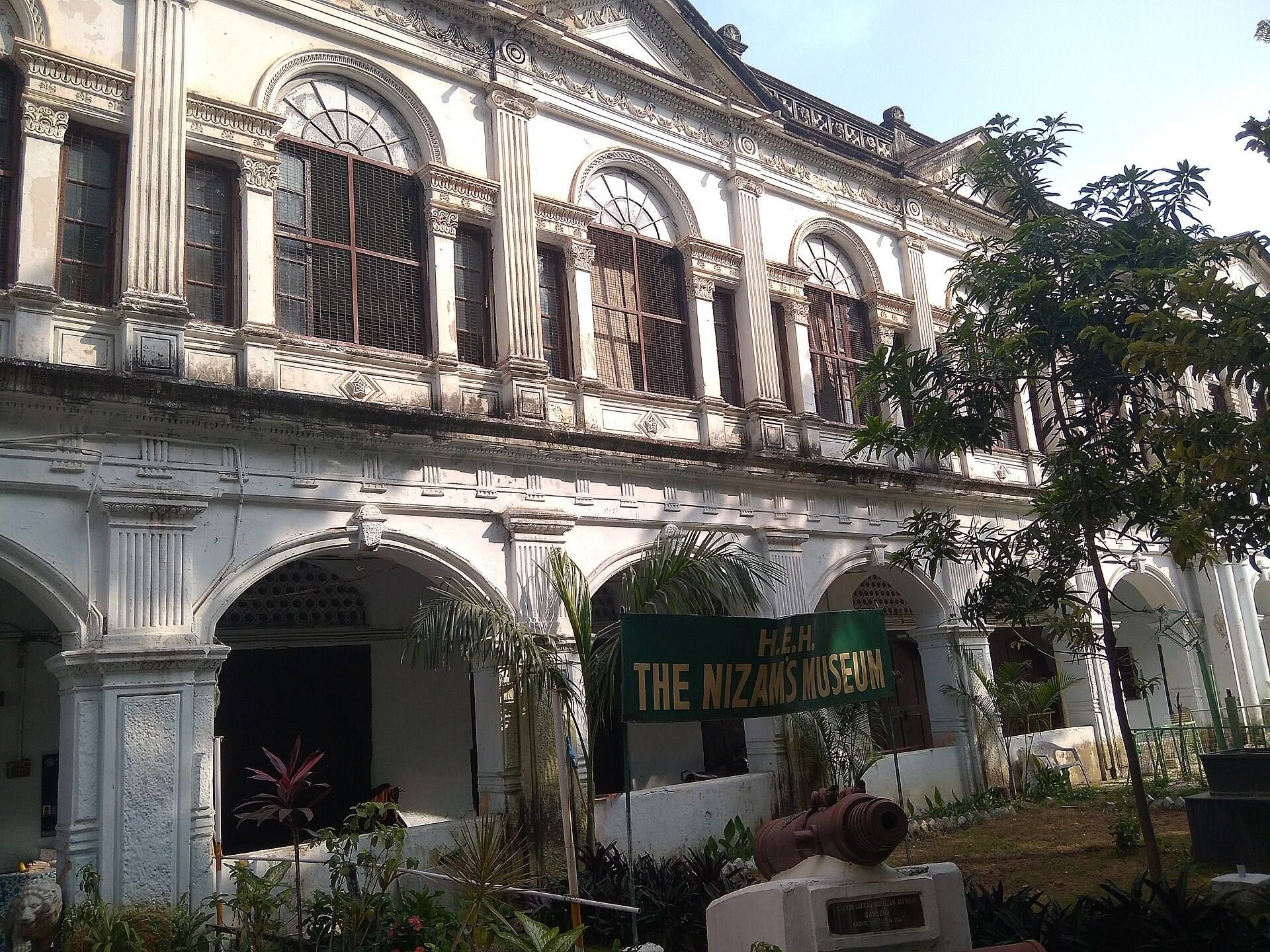
The palace now houses the Nizam’s Museum, which is dedicated to the last Nizam of Hyderabad State. Parts of the complex also accommodate the South Zone Deputy Commissioner of Police and the South Zone Task Force Additional Deputy Commissioner. The Mukarram Jah School was established on the premises in 1987, and the complex has also served as a school and an industrial training institute. In 2018, the Nizam’s Museum was the site of a theft.
Remains
Palace layout
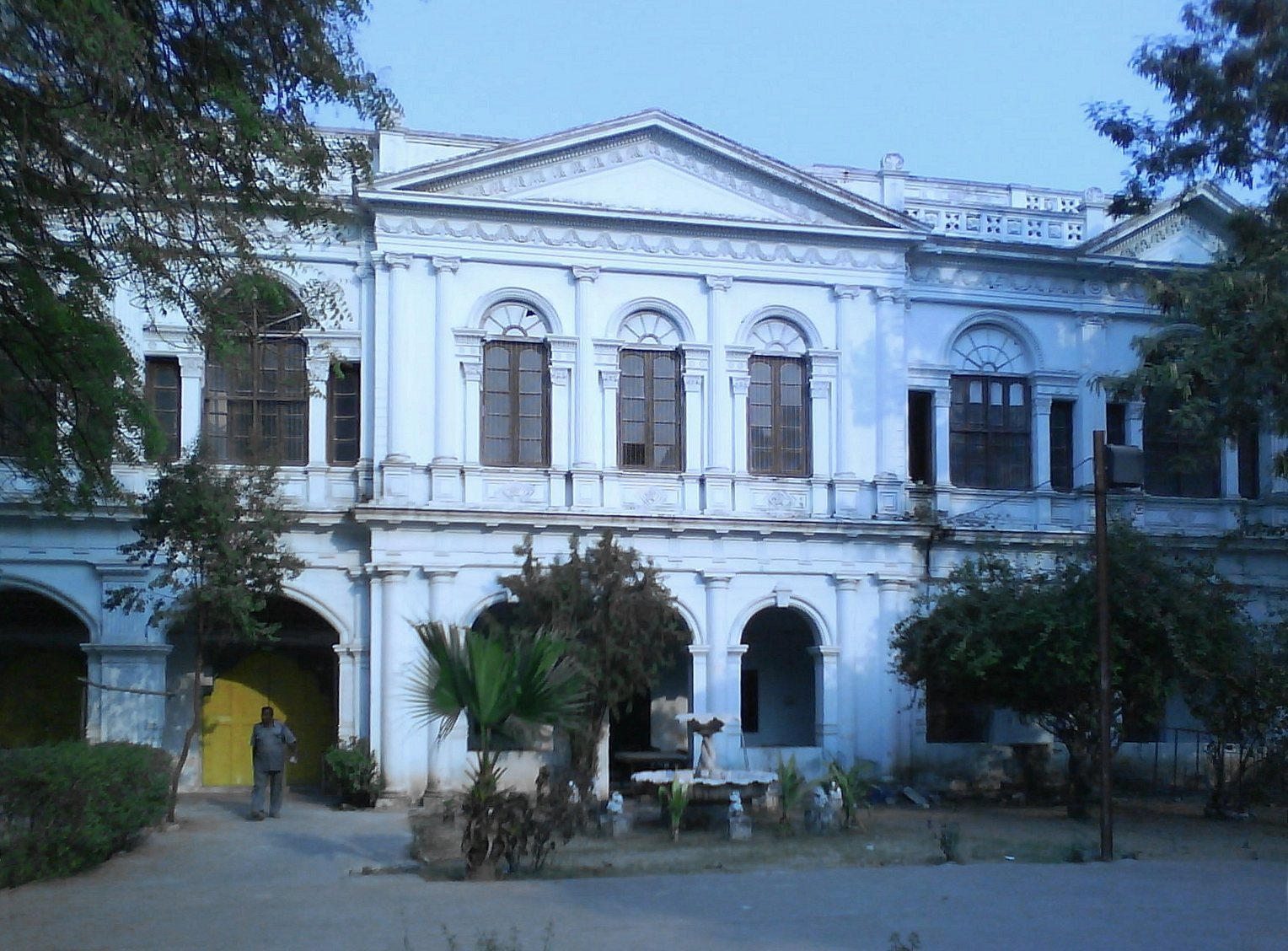
Purani Haveli has a U-shaped plan formed by two long wings running parallel to one another, with the residential palace set perpendicular to them at the centre. The main building has the appearance of an eighteenth-century European palace, combining the central residence with the elongated wings of the larger complex.
Wardrobe wing
One complete elongated wing contains a two-level wardrobe described as the world’s longest wardrobe. A hand-cranked wooden lift serves the wardrobe, adding a distinctive mechanical feature to this part of the palace.
Associated buildings
Mirror House and Chinese Glass House
The complex includes Ayina Khaana, or Mirror House, and Chini Khaana, or Chinese Glass House. These structures form part of the palace group alongside the main residence.
Ancillary buildings
Five ancillary buildings surround the main palace. They accommodate the Mukarram Jah School, named for Mukarram Jah, the eighth and last ruling Nizam of Hyderabad.