Hokke-ji Temple: A Nichiren Buddhist Central Temple in Matsumae
Site at a Glance
- Rating
- 4.2
- Popularity
- Very Low
- Country
- Japan
- Primary era
- Modern
- External website
- Open
- Eras represented
- Modern
- Civilizations
- Japanese
- Site type
- Religious
On this page8 sections
History
Hokke-ji Temple is a Nichiren Buddhist temple in Japan, located in Matsumae Town, Hokkaido, and traces its stated foundation to 1296, when Nitchi, one of Nichiren’s six senior disciples, established a Hokke hall at Kobori Village in present-day Katsuyama. Nichiren Buddhism is a Japanese tradition centered on the Lotus Sutra. The original institution was called Tamochizan Hokke-do, although a tradition associated with Esashi Hokke-ji gives 1291 for its foundation.
Origins and relocation to Matsumae
In 1514, Kakizaki Mitsuhiro, lord of Katsuyama Castle, transferred his base to Tokuyama Castle in Matsumae, and the temple moved there as well. Kobayashi Ryoji, formerly lord of Shitokan Castle, is also said to have moved to Matsumae in the same year. His successor, Kobayashi Sanzaemon, donated a family-inherited founder’s image to Hokke-ji.
In May 1528, Kuon-in Nisshin, the second head of Tamochi-in, a subtemple of Honman-ji in Kyoto, entered the temple. A subtemple is a smaller institution attached to a larger temple complex. Hokke-ji was then said to have adopted its present name, although the Esashi tradition gives 1521 for this revival.
Institutional role in the Edo period
During the Edo period, Hokke-ji became a direct branch of Honman-ji and a special-rank central temple. In a religious network, a head temple served as the central institution, while a branch temple was subordinate to it. Hokke-ji administered affiliated Nichiren temples in the two provinces of Oshu and was known as the ecclesiastical head for those provinces.
The Matsumae magistrate’s office designated Hokke-ji as a permanent prayer temple, an institution responsible for continuing religious prayers on behalf of a government office. The temple consequently maintained close connections with the Tokugawa shogunal family and with the monzeki of Murakumo Gosho Zuiryu-ji. A monzeki temple was traditionally headed by a member of the imperial family or high aristocracy. Hokke-ji adopted the Tokugawa three-leaf hollyhock as its temple crest.
Fire, reconstruction, and later status
A fire destroyed Hokke-ji on October 25, 1872. Reconstruction continued under the twenty-eighth head priest and was completed in 1893. In 1895, Prince Komatsu Akihito bestowed the title “Sacred Cave, Starting Point of Propagation in Hokkaido” and presented a plaque titled “Hall of Fulfilled Prayers.”
Nichiren Buddhism dissolved its former head-temple and branch-temple system in 1941. Hokke-ji’s former network included Kanno-in, its subtemple in Matsumae, together with Myoren-ji in Fukushima, Kokuhon-ji in Shiriuchi, Tojun-ji in Suttsu, Jisso-ji in Obira, Honcho-ji in Haboro, Daisei-ji in Abashiri, and Nissei-ji in Koshimizu. The temple is classified as a denominational historic site and as a special-rank central temple.
Remains
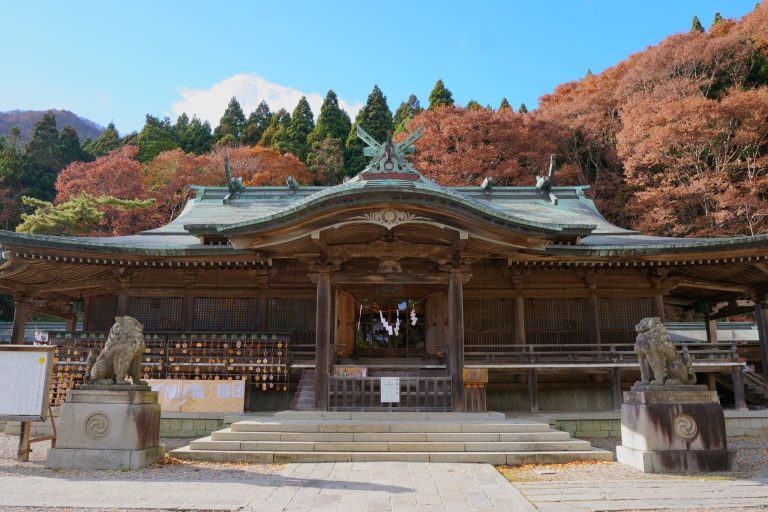
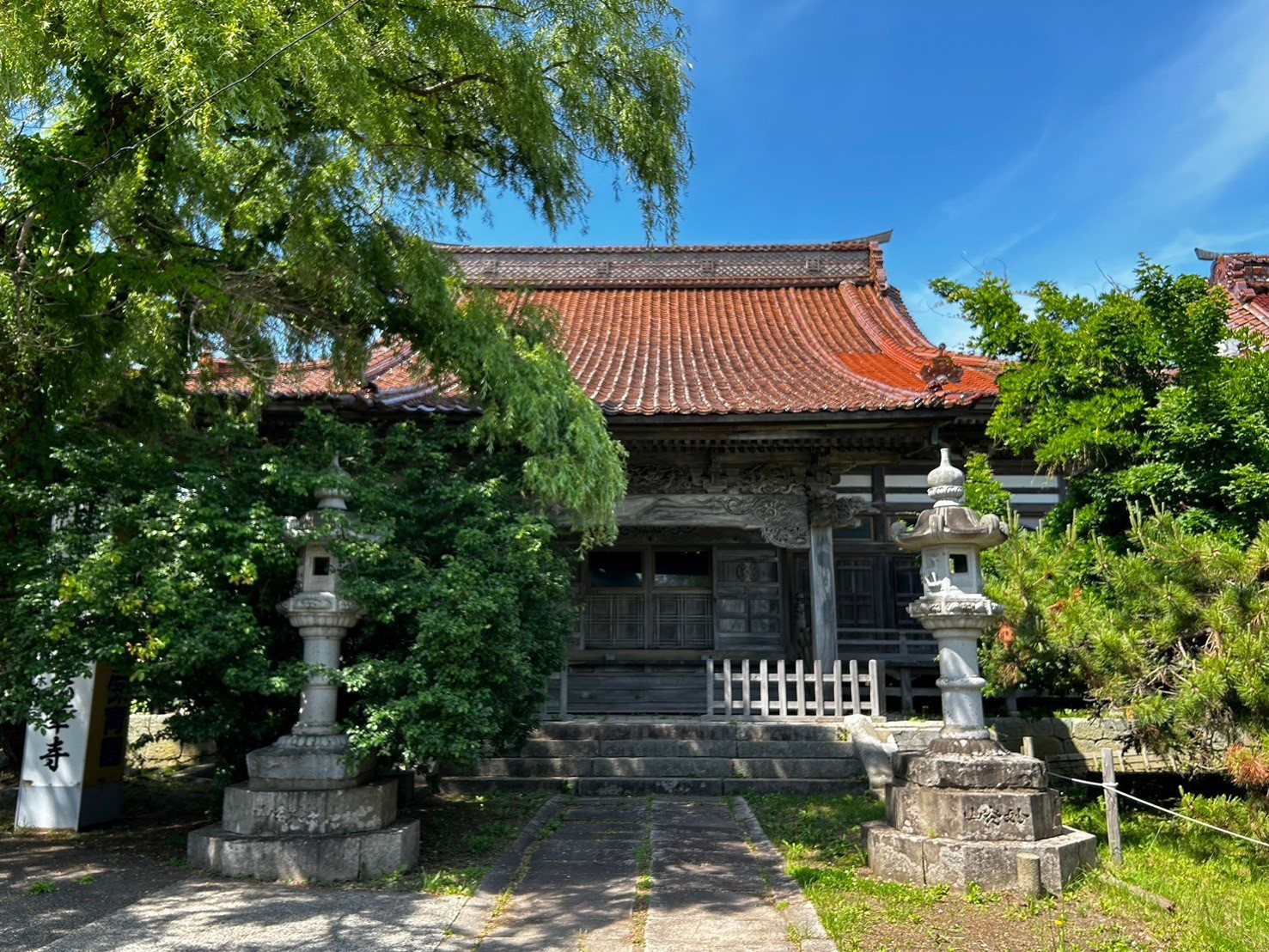
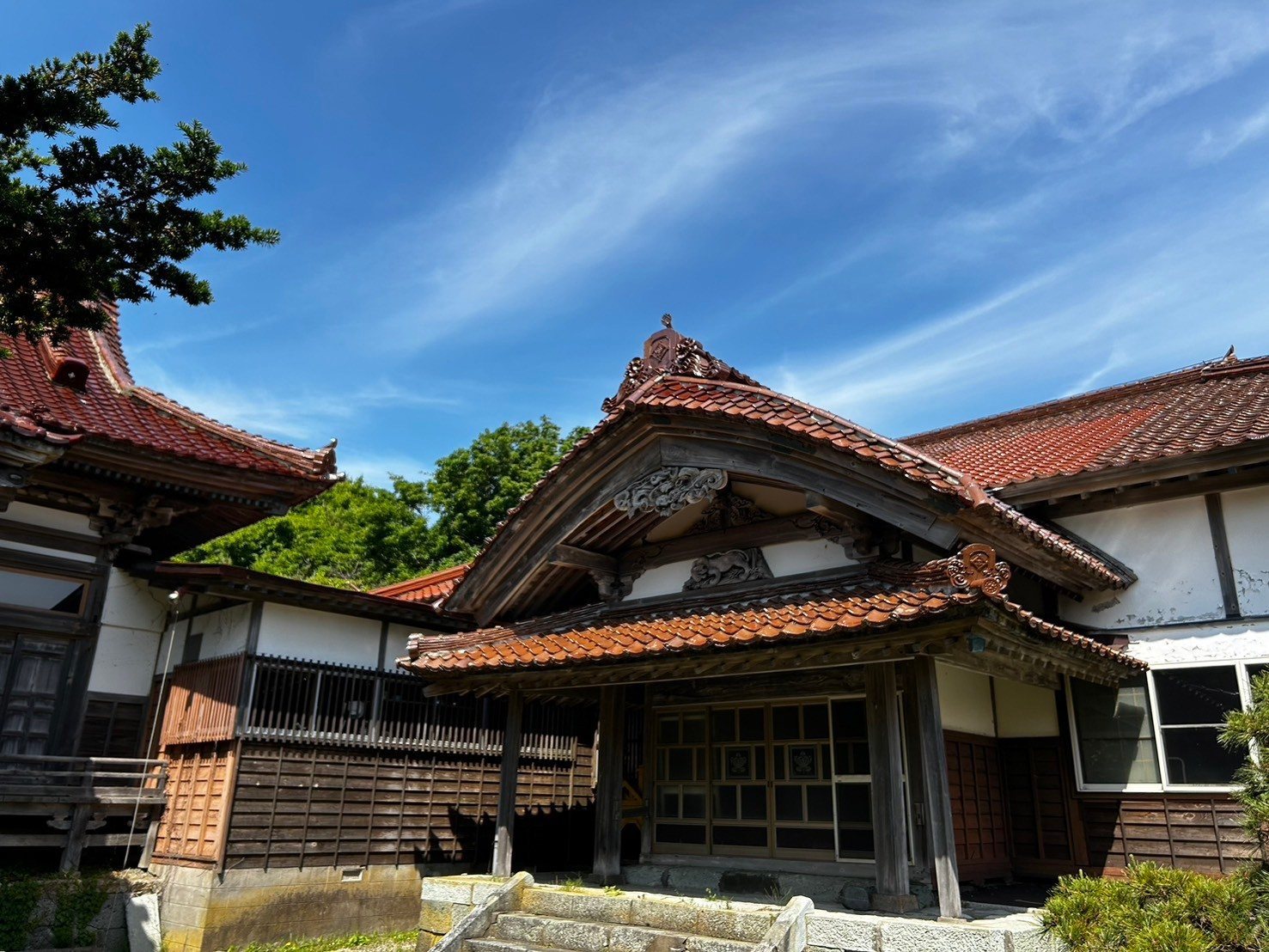
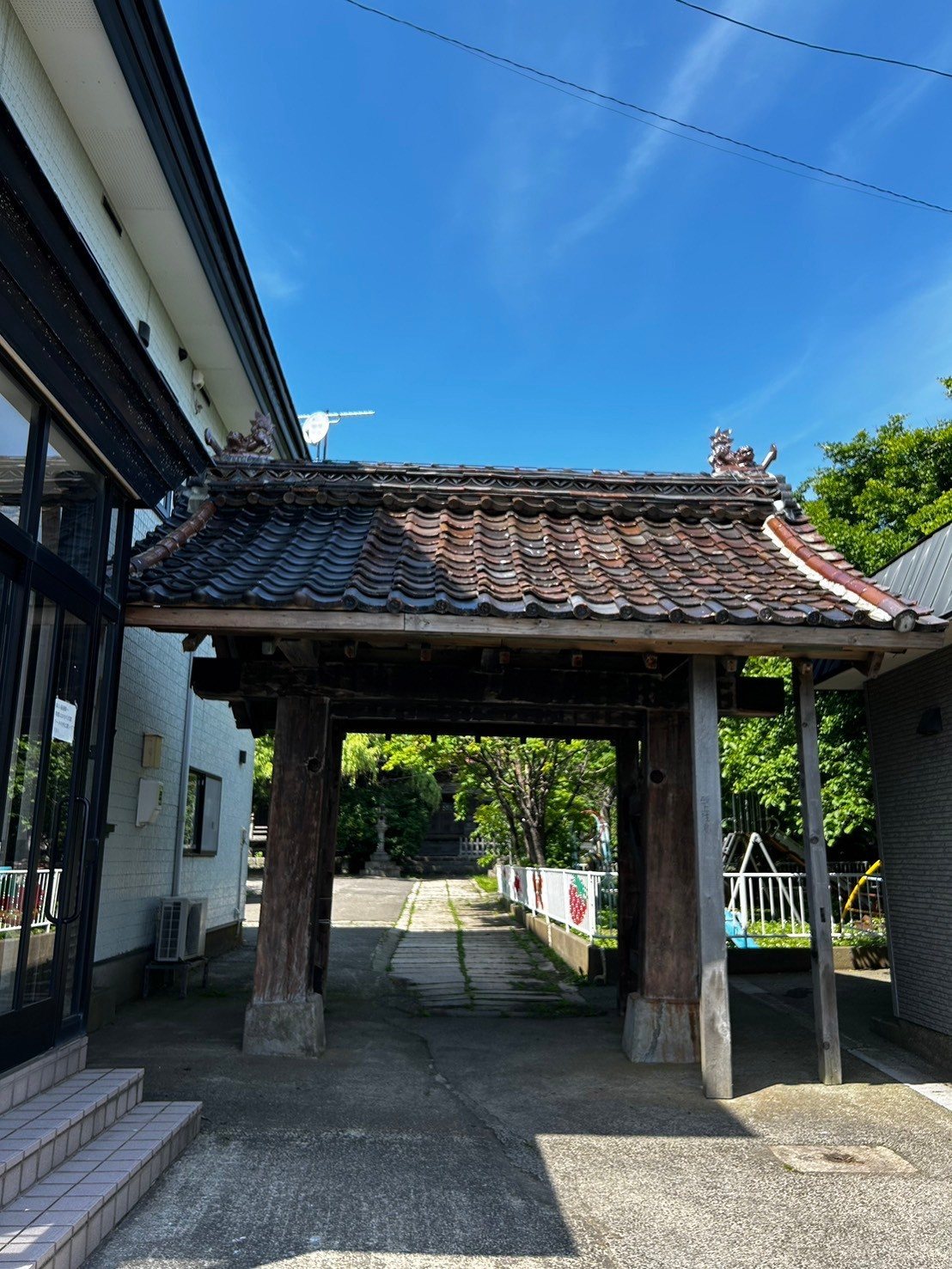
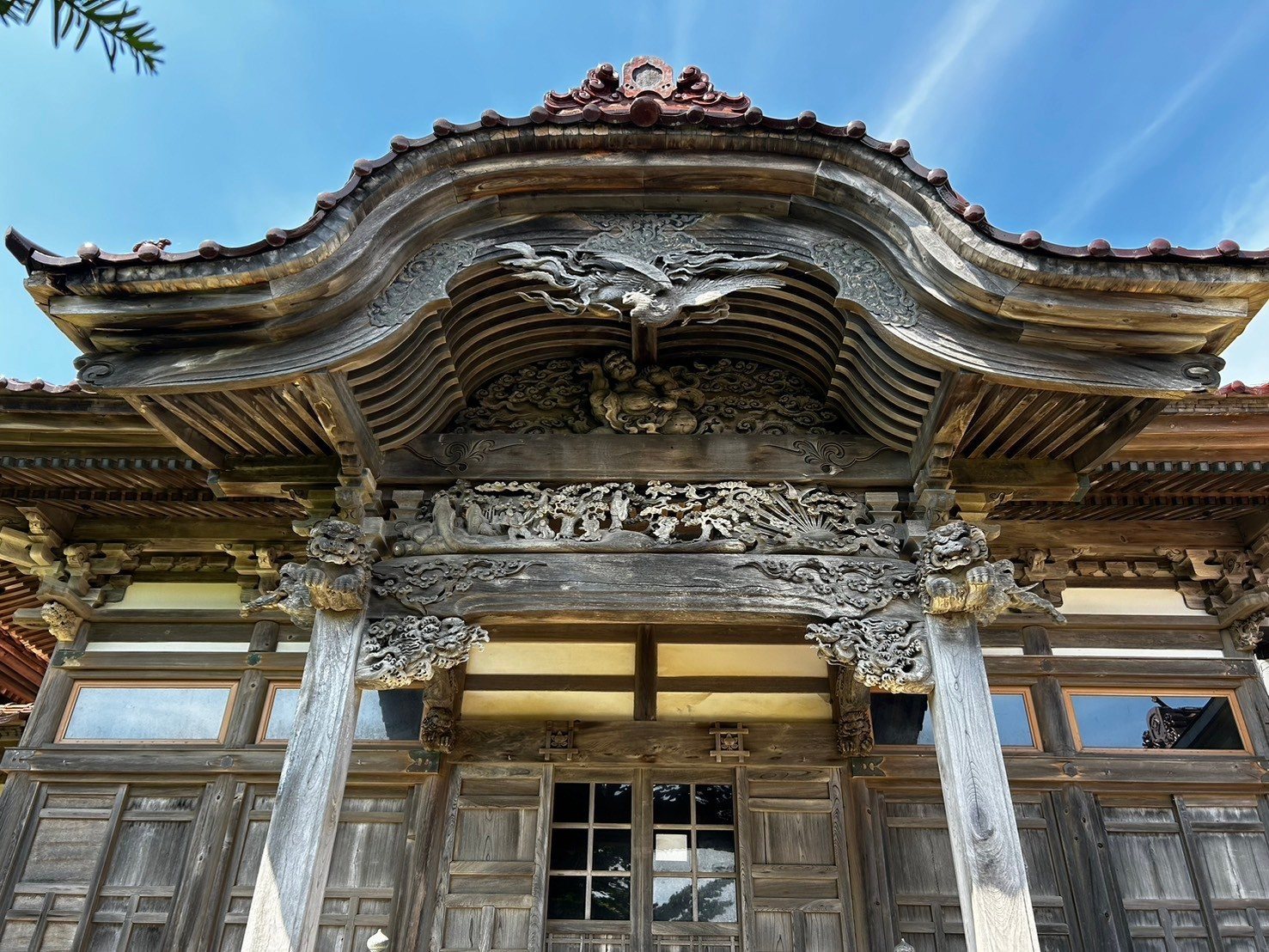
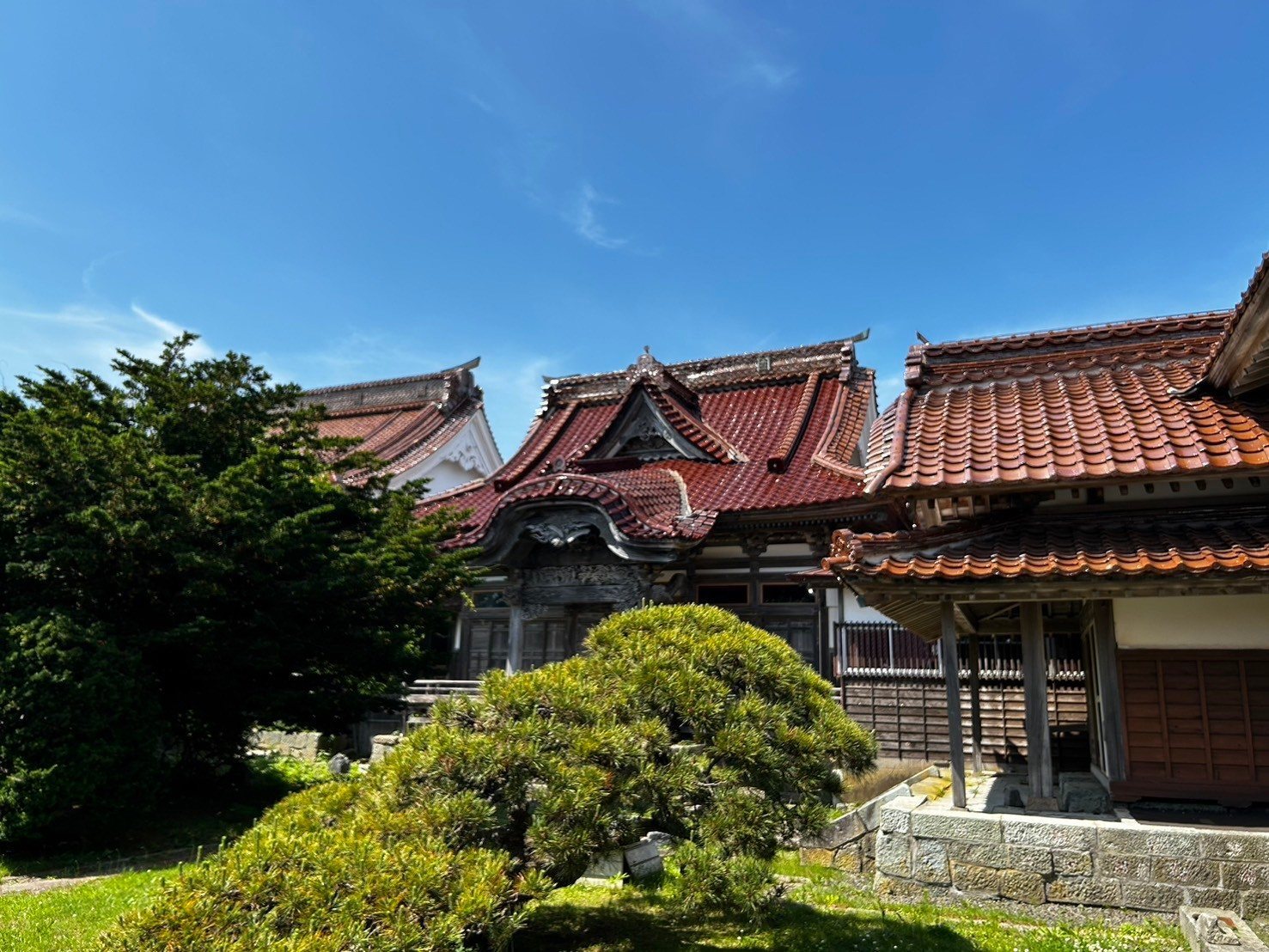
Hokke-ji stands at 258 Toyooka in Matsumae Town, Hokkaido, under the mountain name Myoko-zan. The temple’s principal object of worship is the Three Treasures, meaning the Buddha, the Buddhist teaching, and the Buddhist community. Its grounds combine active religious features with memorial spaces associated with local families, the Matsumae magistracy, and Tokugawa military history.
Founder’s images and temple spaces
A founder’s image inherited by the Kobayashi family was given to Hokke-ji in 1514. A founder’s image represents the founder or revered patriarch of a Buddhist temple or lineage. The twenty-eighth head priest later received another such image from his teacher, and this image is now enshrined in the Founder’s Hall. In 1992, the image in the Founder’s Hall was designated a Tangible Cultural Property of Hokkaido.
Family and historical burial grounds
The grounds contain mausoleums for the Kobayashi family, formerly associated with the lordship of Shitokan Castle, and for the Yoshida family. They also include the burial area of Matsumae magistrate Ogasawara Nagayuki and a burial mound for Tokugawa troops. These memorial features preserve associations with the families, officials, and military forces connected to the temple’s historical setting.
Later reuse
Part of the temple was opened at one stage as a youth hostel, known as the Hokke-ji Hostel or Hokke-ji Youth Hostel.