Omishinkanji Kofun: A Keyhole-Shaped Burial Mound in Japan

Site at a Glance
- Rating
- 4.1
- Popularity
- Very Low
- Country
- Japan
- Primary era
- Medieval
- External website
- Open
- Eras represented
- Medieval
- Civilizations
- Yamato
- Site type
- Burial
- Remains
- Burial Mound
On this page7 sections
History
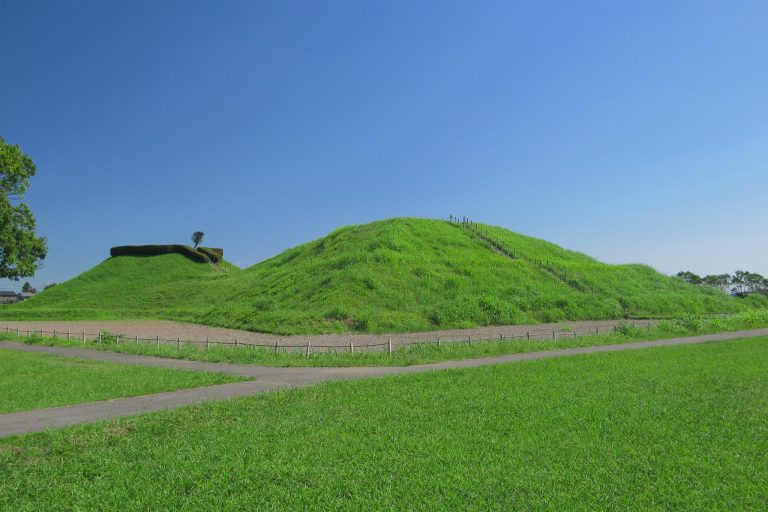
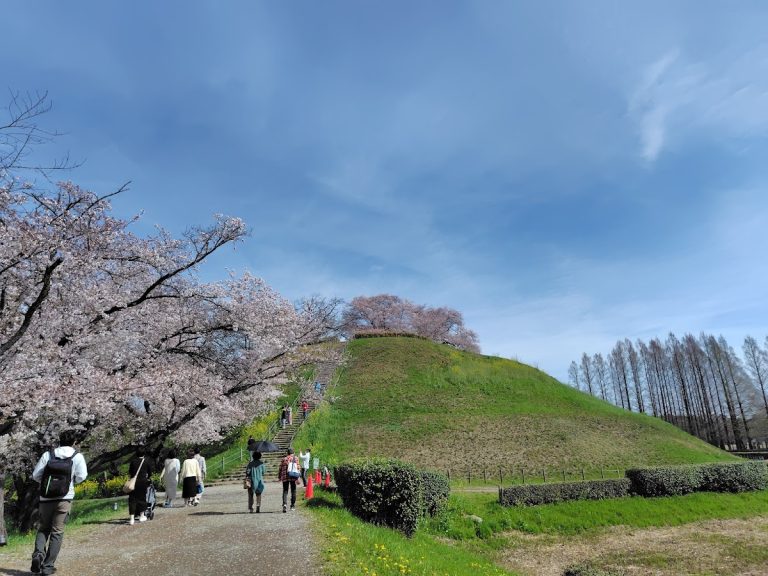
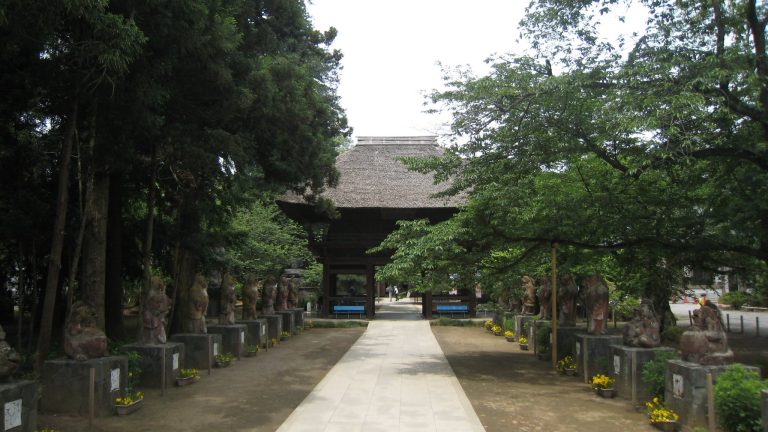
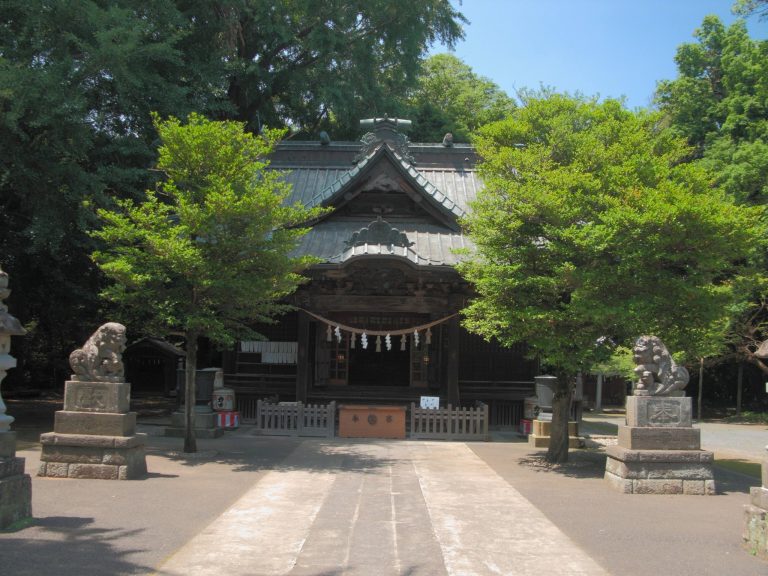
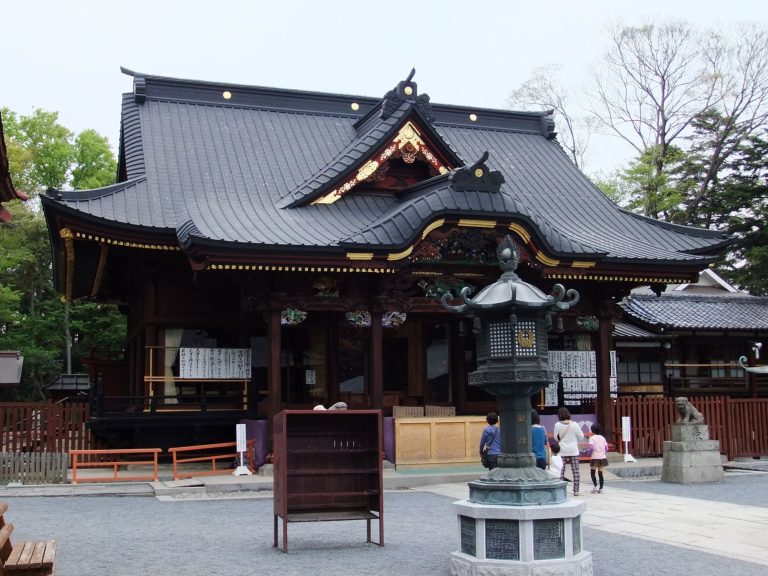
Omishinkanji Kofun is a late Kofun-period burial mound in Gyoda, Japan, built by the ancient Japanese elite between the late sixth and early seventh centuries. Its keyhole shape joins a rectangular front section to a circular rear section. The mound forms part of the Omi Kofun Group and stands within the precincts of Shinkan-ji, a Buddhist temple, near the Hoshikawa. It is regarded as the last keyhole-shaped burial mound built in Gyoda, the largest of its period in Saitama Prefecture, and the prefecture’s fourth-largest mound of this form.
Construction and Status
The individual buried at Omishinkanji Kofun is thought to have been connected with the ruling authority of ancient Musashi Province, an administrative region in eastern Japan whose leadership was associated with the office known as the kuni no miyatsuko. The mound’s construction belongs to the late or terminal phase of the Kofun period, the era when large elite burial mounds were built across Japan.
The tumulus entered the historical record through the discovery of its first burial facility in 1634, when the chamber in the rear circular section was exposed. A second facility was found in the saddle area of the mound in 1880. Human remains and grave goods were recovered from it, and the objects are now preserved at the Tokyo National Museum. Omishinkanji Kofun was designated a National Historic Site of Japan in 1931.
An archaeological investigation in 2008 examined the northern side of the rectangular front section and confirmed part of a surrounding ditch. Haniwa, clay funerary objects placed on or around burial mounds, and fragments of green schist were recovered from the ditch. These materials may have been displaced from the nearby Kokuzoyama Kofun.
Remains
Mound and Ditch
Omishinkanji Kofun is approximately 102 metres long and reaches about 8 metres in height at the rear circular section. It stands at an elevation of about 19 metres on the southeastern edge of the Kazo lowland, beside the Hoshikawa, and now lies behind the main hall of Shinkan-ji. The rectangular front section points generally northwest.
The 2008 investigation identified a ditch along the northern side of the front section. This excavated stretch measures about 6.7 metres wide and 0.57 metres deep. The wider arrangement of the ditch remains incompletely understood, while the presence of haniwa on the mound’s exterior is uncertain.
Burial Facilities
Horizontal Stone Chamber
The first burial facility is a multi-room horizontal stone chamber, a burial chamber entered through a side passage, on the southern side of the rear circular section. It opens toward the south-southwest and survives for 5.42 metres. The main chamber measures 2.62 metres long, 2.33 metres wide, and 2.02 metres high, with an entrance doorway 0.68 metres wide. Its floor is formed from a single slab of green schist, a metamorphic stone used in ancient Japanese stone construction.
The front chamber measures 2.41 metres long, 2.24 metres wide, and 2.33 metres high, and its floor also consists of one green-schist slab. The entrance was made by cutting an opening through a single stone slab. Four grooves running parallel to the rear wall of the main chamber indicate that a box-shaped stone coffin was built into it. A passage probably connected the main and front chambers, although it has not survived. The grave goods associated with this facility are unknown.
Box-Shaped Stone Coffin
The second burial facility is a box-shaped stone coffin in the saddle area of the mound. A stone coffin is a stone-lined or stone-covered container for a burial. Once considered a horizontal stone chamber, the coffin currently measures 2.8 metres long, 1.76 metres wide, and 1.12 metres high. It was assembled from green-schist slabs, and its lid appears to have been formed from two slabs.
The coffin contained three gold rings, two swords with bulbous pommels, a sword with a wedge-shaped pommel, and a silver-fitted knife. Other finds included several pieces of lamellar armour, a helmet with a projecting front piece, a bronze bowl with a lid and supporting fittings, more than fifty iron arrowheads, two pieces of leather, cloth fragments, and wood fragments. Human bones were also recovered. These objects are preserved at the Tokyo National Museum.