Hachiman-yama Kofun: A Seventh-Century Japanese Burial Mound
Site at a Glance
- Popularity
- Medium
- Country
- Japan
- Primary era
- Medieval
- Eras represented
- Medieval
- Civilizations
- Yamato
- Site type
- Burial
- Remains
- Burial Mound
On this page6 sections
History
Burial and early records
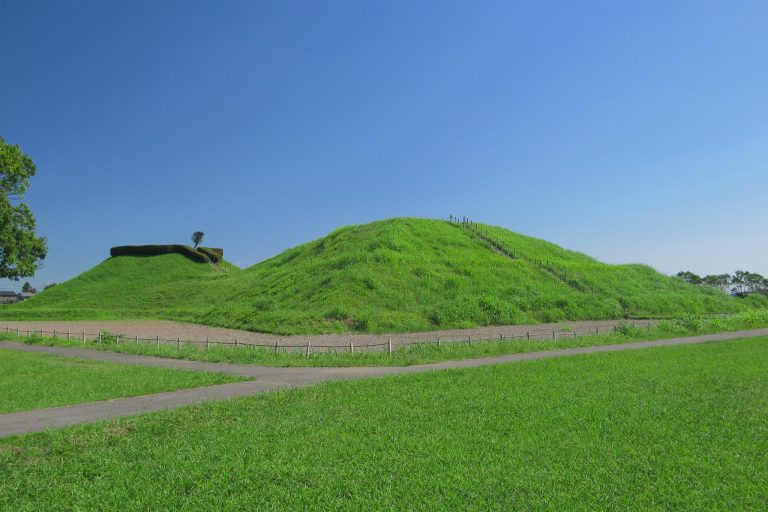
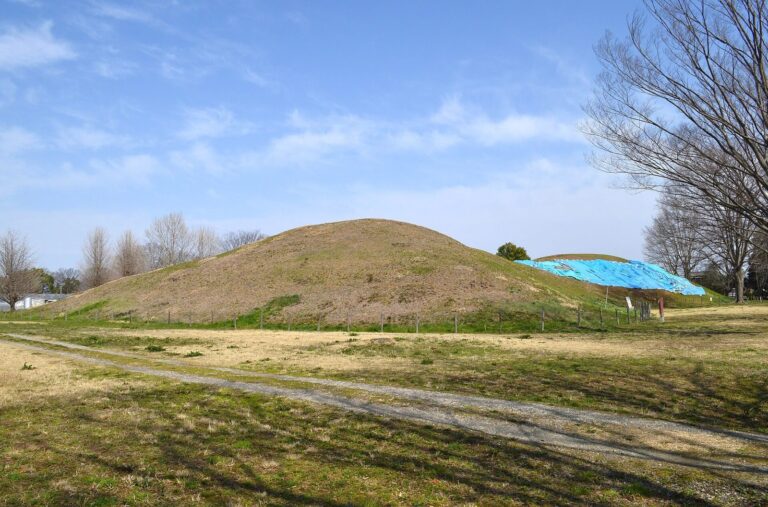
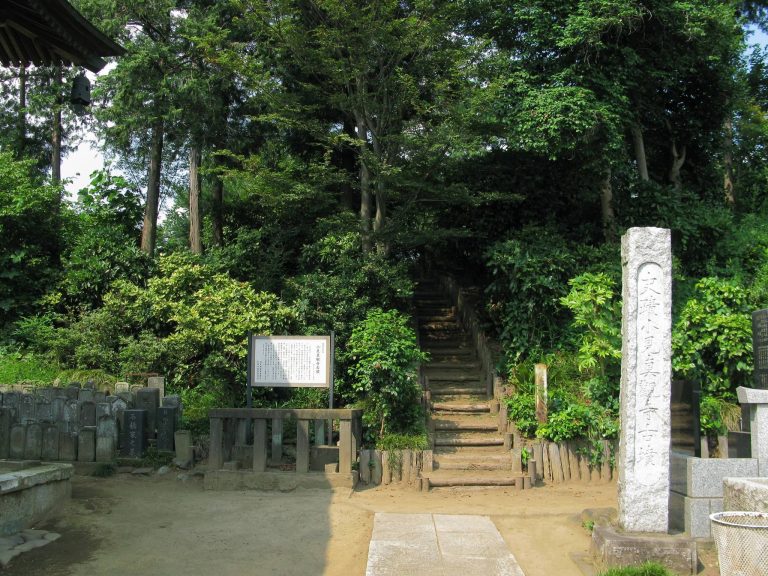
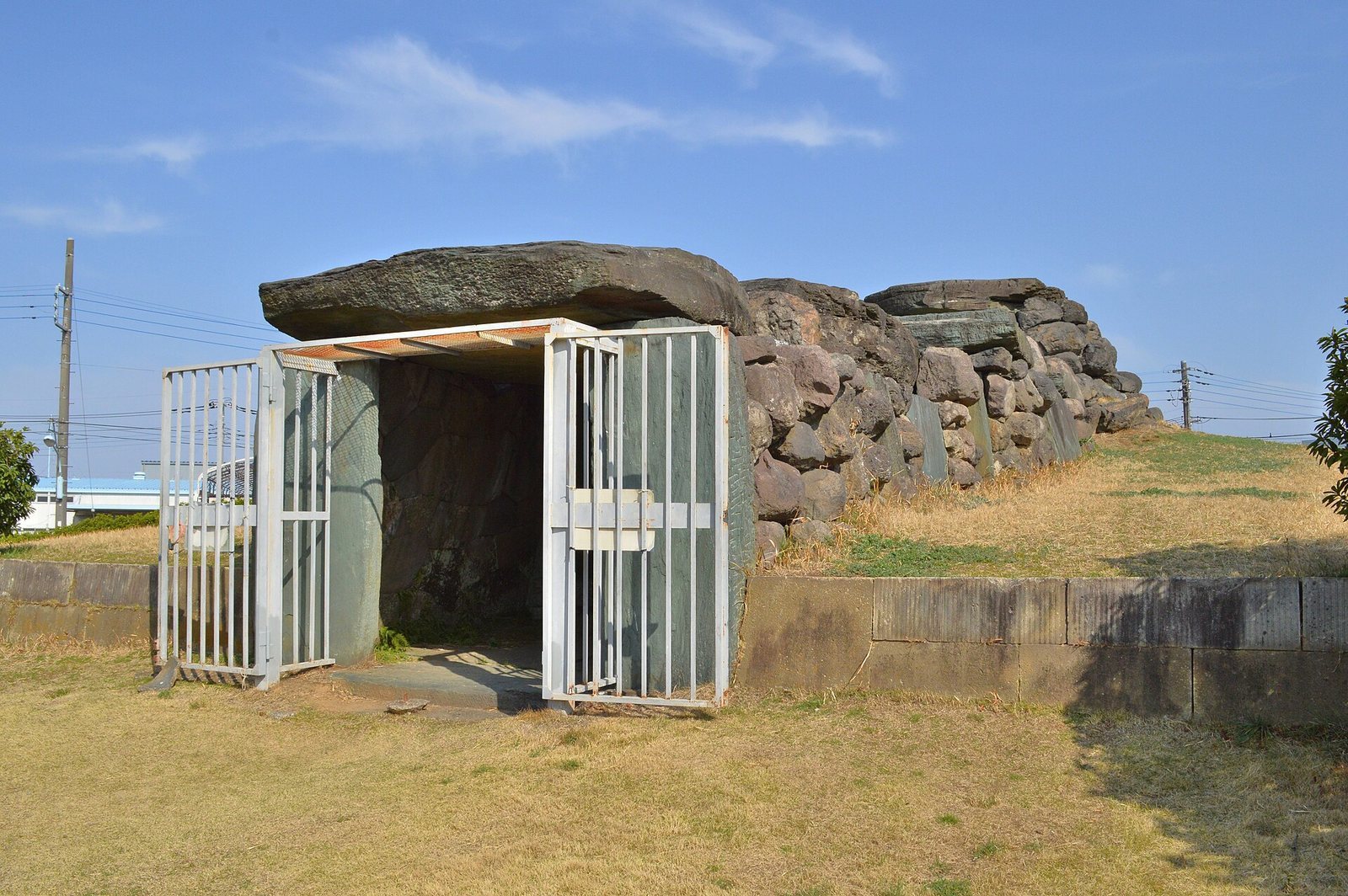
Hachiman-yama Kofun is a kofun, or ancient Japanese burial mound, in Gyoda, Saitama Prefecture, Japan. It belongs to the Wakakodama Kofun Group, a cluster of ancient burial mounds. The tomb dates broadly to the early-to-middle seventh century, while its coffin and grave goods point more specifically to the middle of the century.
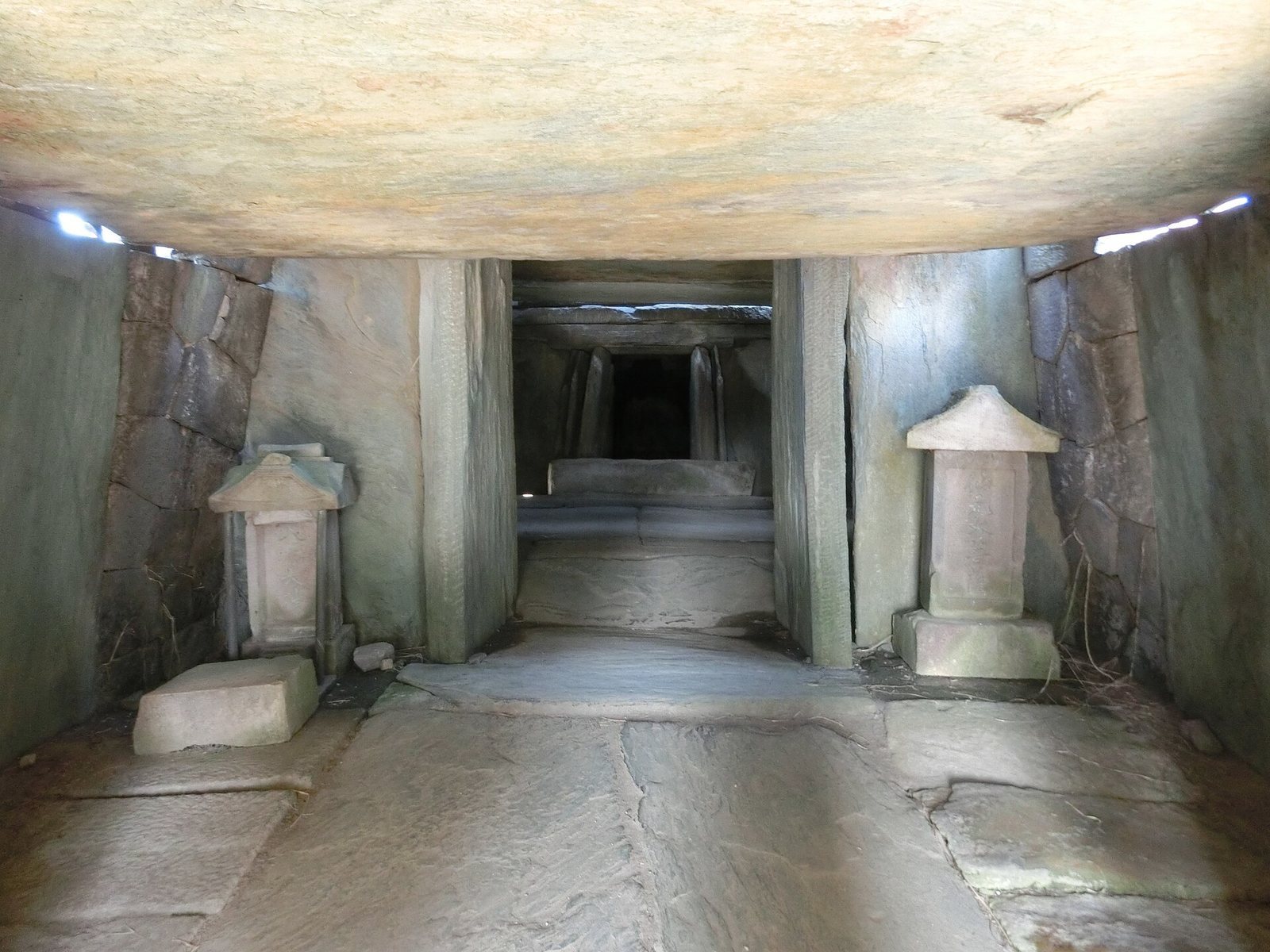
A gazetteer from the Edo period (1603–1868), when Japan was ruled by Tokugawa shoguns, notes that part of the stone chamber was exposed and that a shrine to Hachiman stood inside it. Hachiman is a deity widely venerated as a protector in both Shinto and Buddhist traditions.
Exposure and archaeological study
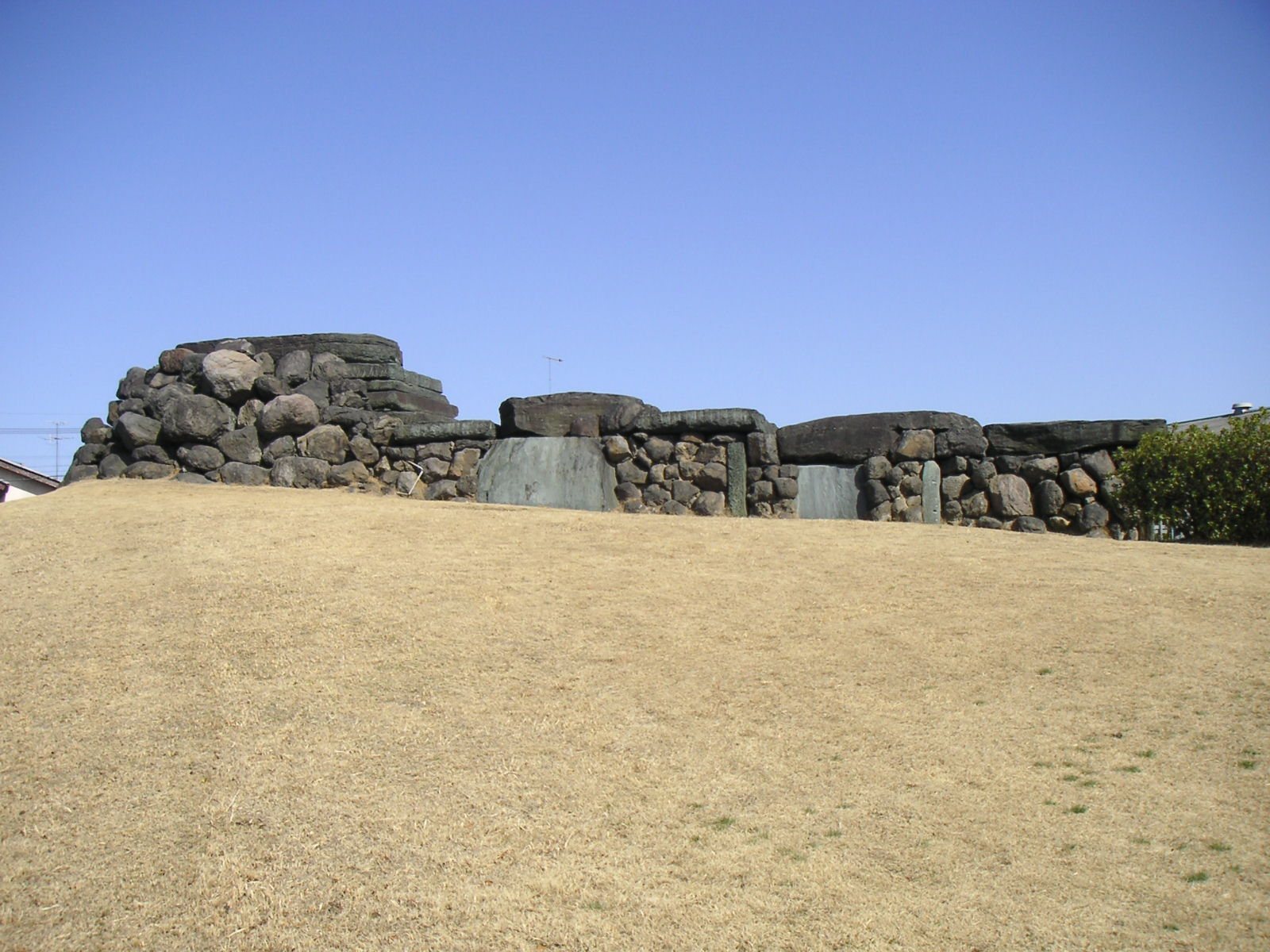
In November 1934, earth was removed during land-reclamation work at Kobari-numa, exposing the chamber fully. Its resemblance to Ishibutai Kofun, a prominent tomb with an exposed stone chamber in Asuka, Nara Prefecture, led archaeologist Iwao Oba to call it the “Ishibutai of the Kanto.”
Finds from a 1977 excavation supported the interpretation that the person buried here was closely connected to the imperial court. The use of lacquered coffins, a privilege restricted to high-status people even in the Kinai, the region around Japan’s ancient capitals broadly corresponding to parts of present-day Kansai, underpins that interpretation. One proposed identification is Mononobe no Ojimaro, a seventh-century court official appointed governor of Musashi in 633.
An excavation carried out from 10 to 26 December 1993 established that the mound was larger than previously estimated.
Remains
Mound and stone chamber
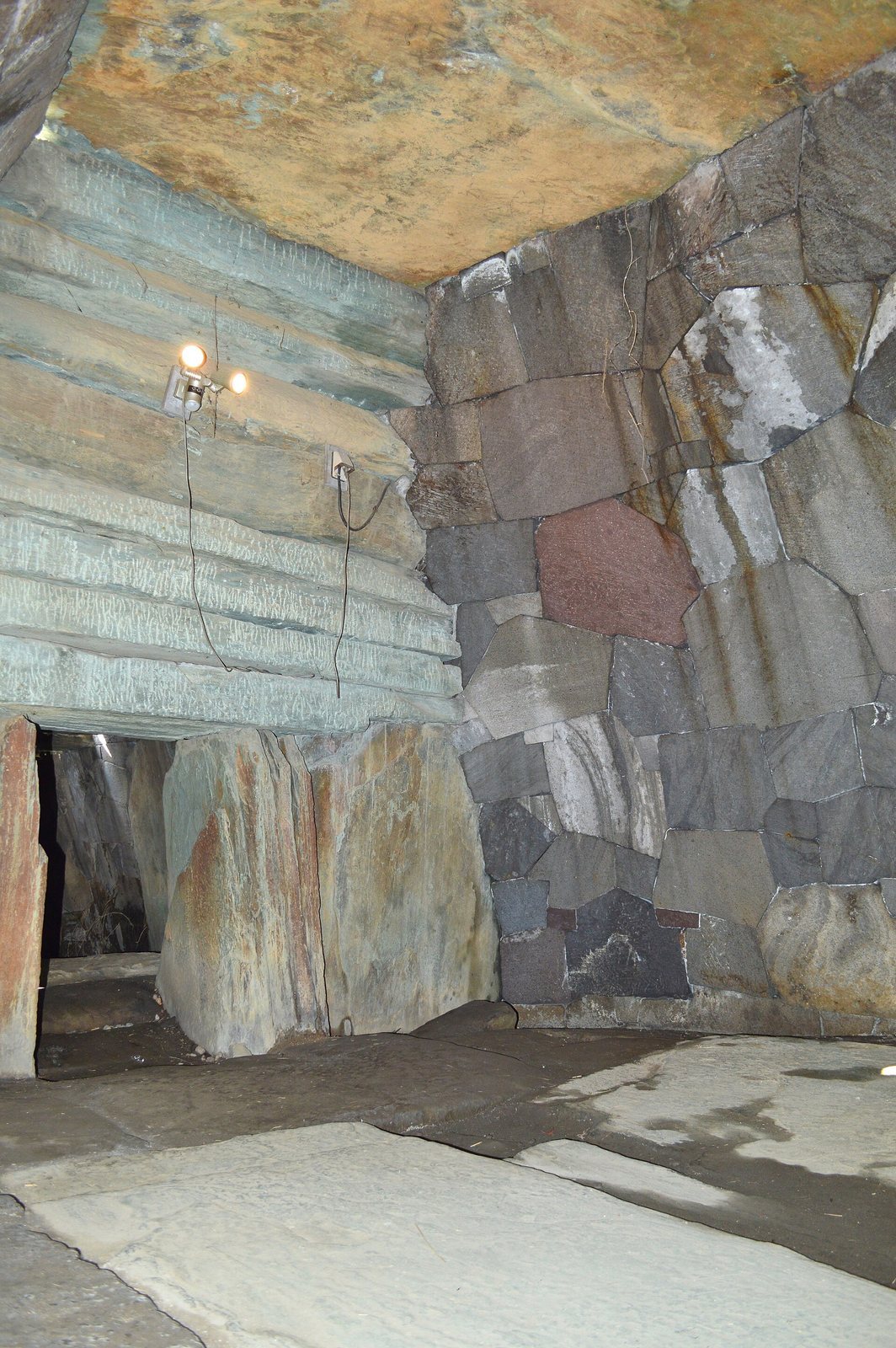
The circular mound was surrounded by a moat and is estimated to have measured about 80 metres across and 9.5 metres high. It has since been levelled, leaving the stone chamber exposed. The chamber has a horizontal entrance and consists of a passageway leading through front and middle rooms to a rear room. Its total length is estimated at 16.7 metres, and the rear room is about 3.1 metres high. The ceiling stones have collapsed, so precise measurements are uncertain.
Coffin fragments
Fragments recovered in 1977 represent two kinds of lacquered coffin. One was made by layering lacquer repeatedly over silk cloth; the other had a wooden body finished with lacquer.