Tsugeyama Kofun: An Early Kofun-Period Burial Mound in Japan
Site at a Glance
- Rating
- 3.6
- Popularity
- Very Low
- Country
- Japan
- Primary era
- Classical
- External website
- Open
- Eras represented
- Classical
- Civilizations
- Yamato
- Site type
- Burial
- Remains
- Burial Mound
On this page9 sections
History
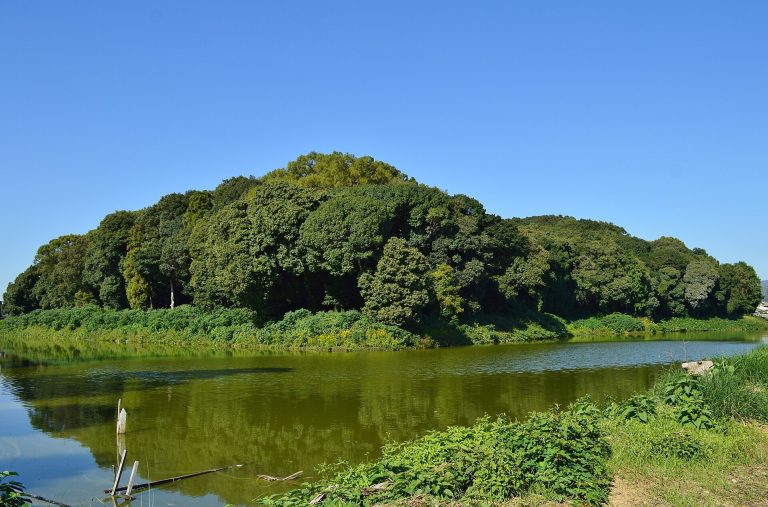
Tsugeyama Kofun is an early Kofun-period burial mound in Japan, built during the first half of the fourth century by the communities of ancient Japan. The Kofun period is known for large earthen mounds, especially keyhole-shaped tombs built for powerful individuals. Tsugeyama Kofun forms part of the Mishima Kofun Cluster in Takatsuki, Osaka Prefecture, a group of approximately 500 burial mounds. Its scale, two burial chambers, and rich funerary contents place it among the important archaeological remains of this early period.
The mound’s name and historical setting
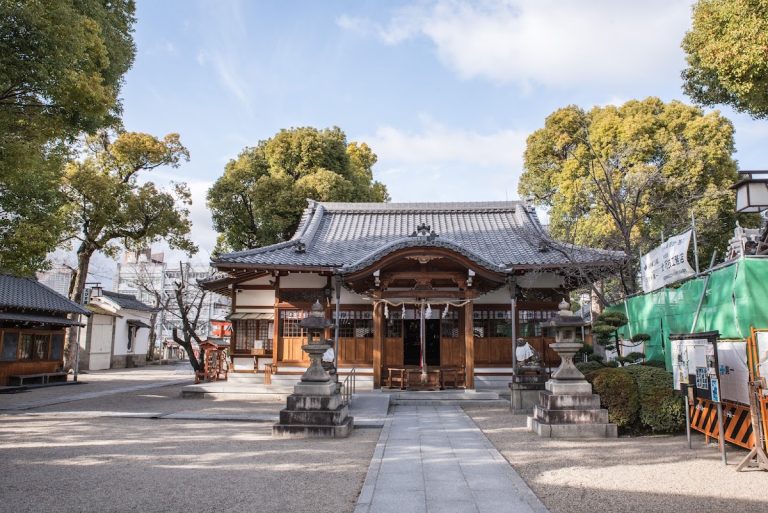
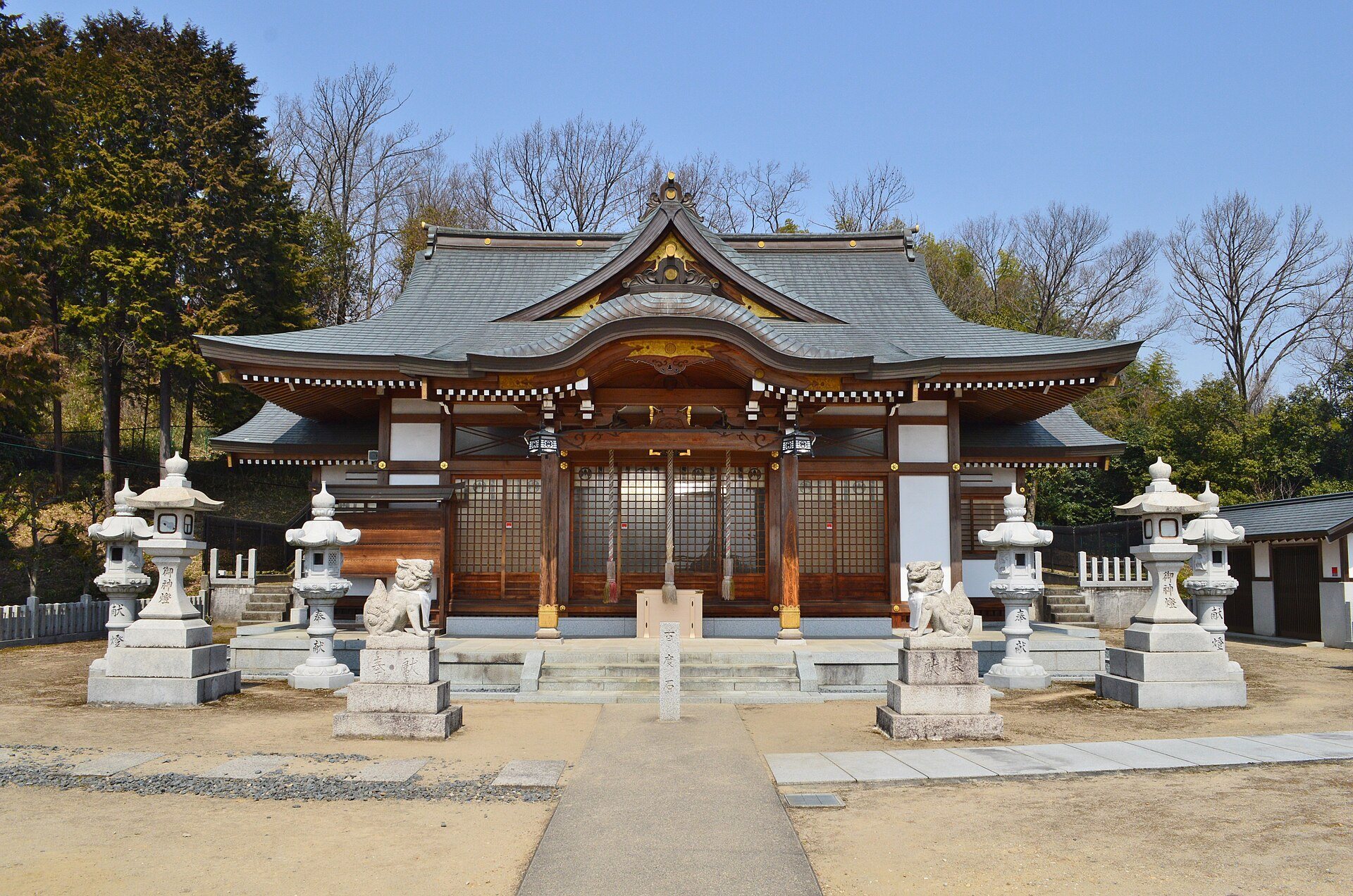
The name Tsugeyama is associated with an ice-storage facility connected with cockfighting. The Nihon Shoki, an eighth-century Japanese chronicle, mentions this facility in connection with the reign of Emperor Nintoku, a traditionally recognized early Japanese emperor. The place-name Himuro, meaning an ice house or ice-storage site, survives around the mound, while Tsugeno Jinja, a Shinto shrine, stands to its south.
Investigation and preservation
An investigation carried out in 2002 established that the two burial chambers had not been looted. Their contents remained in conditions close to those at the time of burial, although the chambers were exposed to high humidity, water droplets, invading tree roots, and falling stones. These conditions damaged some of the grave goods and made preservation without excavation increasingly difficult.
The authorities initially intended to preserve the chambers in place. The unsuccessful in-situ preservation of Takamatsuzuka Kofun, an ancient Japanese mound with a decorated stone chamber, provided important lessons for the approach at Tsugeyama. A full-scale model of the chambers was therefore prepared to test excavation methods and examine how the burial spaces could be opened safely.
In March 2010, the Takatsuki City Board of Education adopted a policy of pursuing a full-scale excavation. The excavation methods were to be studied during fiscal year 2010, with excavation expected to begin from fiscal year 2011 onward. Tsugeyama Kofun had already been designated a National Historic Site of Japan on December 19, 2002.
Remains
Mound and ritual area
Tsugeyama Kofun is a keyhole-shaped tumulus, or zenpo-koen-fun, with a square front section and a circular rear section when viewed from above. It follows a narrow ridge on the Nasawara Hills at an elevation of approximately 84 meters on the southern slope of the Hokusetsu Mountain Range. The front section faces south. The mound measures approximately 86.4 meters in length, while another measurement gives an overall length of about 88 meters. Its circular rear section is approximately 60 meters in diameter, and both sections rise in two stepped levels.
Stone coverings known as fukiishi extend across the mound, including the second terrace and the summit of the rear section above the burial facilities. A stone-paved extension directly adjoins the southeastern side of the rear section and is interpreted as a place for ritual activity. Numerous fragments of Haji ware, an unglazed ancient earthenware, were found there. One interpretation proposes that jars made from this pottery were arranged on the summit in place of the ceramic objects traditionally set around or on burial mounds.
Stone burial chambers
Central chamber
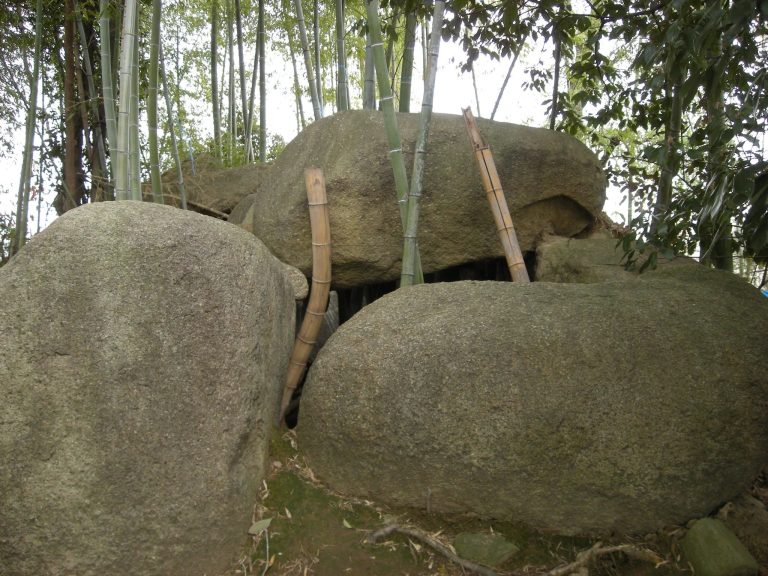
The first, or central, chamber lies in the rear section, parallel to the mound’s main axis. It measures approximately 14.5 meters from north to south and 10 to 11 meters from east to west. Occupying most of the summit, it lies about two meters below the top when measured to the ceiling stones. The ceiling stones were covered with a clay layer 10 to 15 centimeters thick.
The chamber walls were built by stacking numerous thin, plate-shaped stones. These stones measure approximately 20 to 30 by 40 to 70 centimeters and are 4 to 6 centimeters thick. The wall and ceiling stones are crystalline schist from the Yoshino River basin in Tokushima Prefecture. Endoscopic observation through gaps between the stones revealed a split-bamboo-shaped wooden coffin, a form associated with early burial mounds. Some of the wood apparently survived without decaying.
Vermilion was scattered around the deceased, and the skull was observed to be stained with the pigment. Visible grave goods include two triangular-rimmed divine-beast bronze mirrors, a square-patterned Four-Deities mirror, a jasper bracelet, shell objects from the southern seas, stone objects, bronze arrowheads, and an iron sword. One triangular-rimmed mirror belongs to the same type as a mirror excavated from Tsubaki Otsukayama Kofun in Kizugawa, Kyoto Prefecture. Numerous small iron plates at the end of the chamber are considered parts of armor.
Northwestern chamber
The second chamber lies immediately northwest of the central chamber. It measures approximately eight meters from north to south and five meters from east to west, with its ceiling about one meter below the summit. It also contained a split-bamboo-shaped wooden coffin, and more of the coffin material survived here than in the central chamber.
The chamber walls include the same crystalline schist used in the central chamber, together with a small amount of quartz porphyry. An iron sword was identified among its grave goods. Both chambers remain affected by the high-moisture environment and structural deterioration, factors that have complicated the preservation of their contents.
Earthen platform and burial pit
In front of the mound’s square section is a square structure resembling an earthen platform. It measures approximately 17 meters from north to south and 16 meters from east to west, and its surface was completely covered with stones.
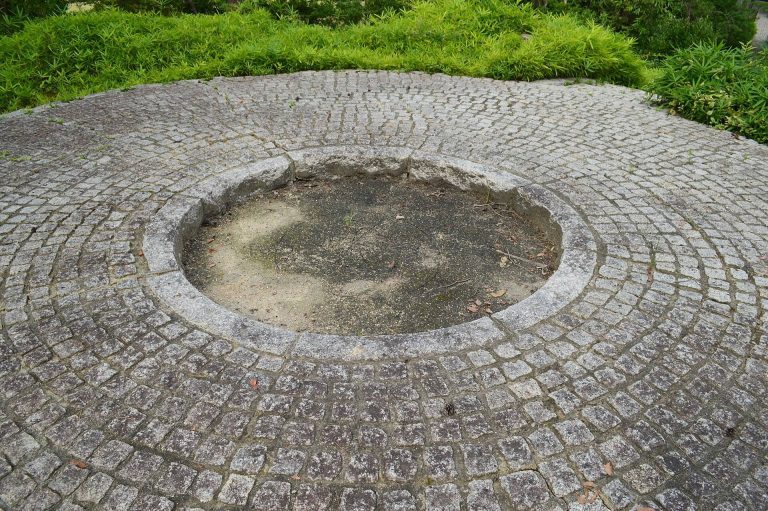
The center of the platform contains a two-level, funnel-shaped excavation. The upper pit measures approximately 4.6 meters from east to west and 2.8 meters from north to south. Beyond a flat section, a lower pit extends approximately 3.5 meters from east to west and one meter from north to south. This arrangement is interpreted as a two-level burial pit for a person closely connected with the individual buried in Tsugeyama Kofun.