Kōmyō-bō Temple: A Historic Shingon Buddhist Temple in Japan


Site at a Glance
- Rating
- 4.1
- Popularity
- Very Low
- Country
- Japan
- Primary era
- Unclassified
- External website
- Open
- Eras represented
- Unclassified
- Civilizations
- Unclassified
- Site type
- Religious
- Remains
- Sanctuary
On this page4 sections
History
Foundation and Religious Tradition
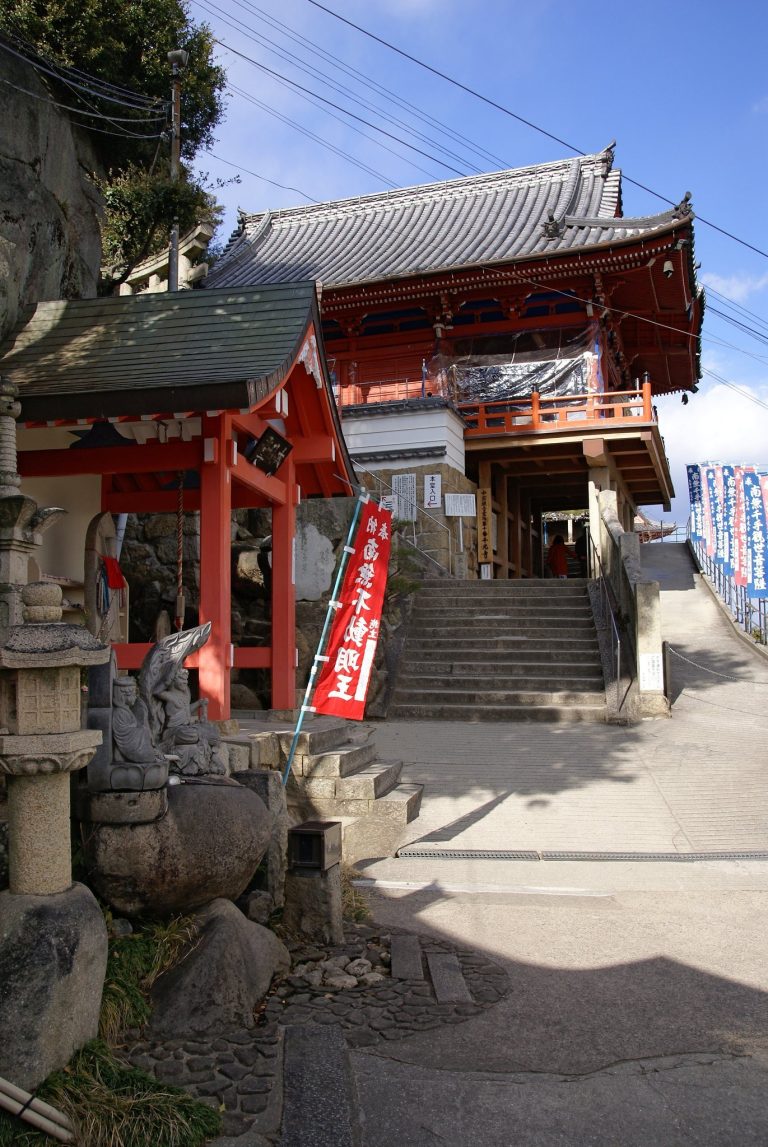
Kōmyō-bō Temple is a temple of the Sen’yūji branch of Shingon Buddhism in Onomichi, Hiroshima, Japan. Shingon is a Japanese Buddhist tradition centered on esoteric teachings, ritual practices, and sacred images and texts. Tradition places the temple’s foundation in 730, when the Buddhist priest Gyōki established it with the patronage of Emperor Shōmu, an eighth-century ruler known for supporting Buddhist institutions. The temple’s principal object of worship is Amitabha Buddha, a Mahayana figure associated with the Pure Land and rebirth there. Kōmyō-bō is also the fourth site on the Setouchi Seven Lucky Gods pilgrimage.
Growth and Decline
The area around present-day Mitera was historically called Minami-no-sho and developed as an important center of maritime transportation. Kōmyō-bō stood within a larger religious complex, with numerous subtemples at the foot of the hill behind it. This network gave the temple considerable institutional wealth and influence.
At the end of the Heian period, a daughter of Retired Emperor Go-Shirakawa entered the temple. Go-Shirakawa, who ruled as emperor from 1155 to 1158, continued to wield major political influence after his abdication. He subsequently donated Ikuchi Minami-no-sho to Kōmyō-bō as temple land, further increasing its prosperity.
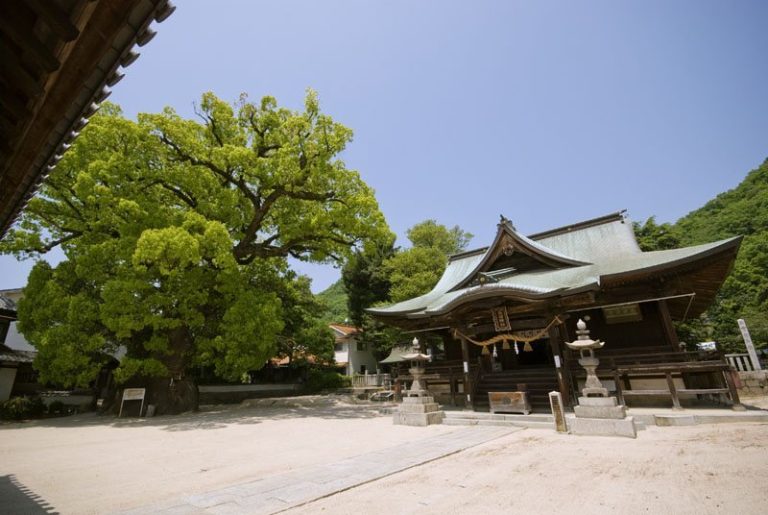
When the center of maritime transportation moved to the Setoda area in northern Ikuchijima, the surrounding region declined. The subtemples disappeared, and Kōmyō-bō became the sole surviving temple of the former complex. Its associated cultural properties include nationally and prefecturally designated Important Cultural Properties, while its ibuki juniper is designated a prefectural natural monument.
Remains
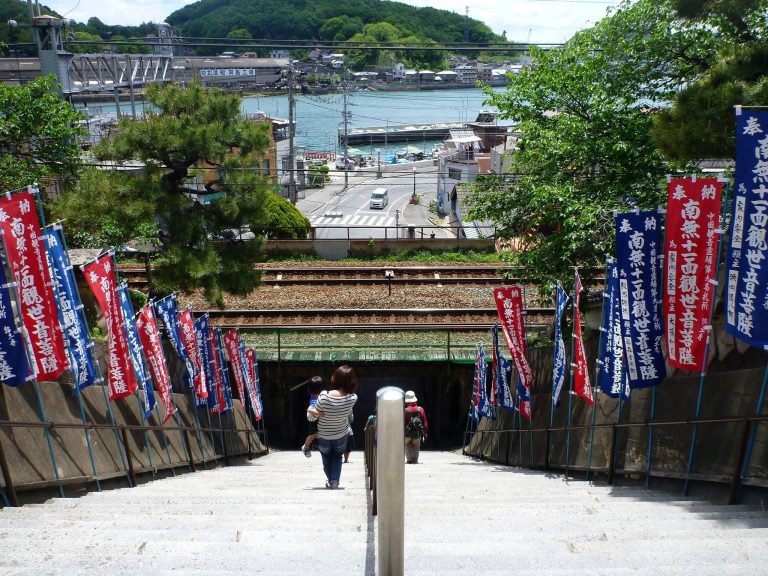
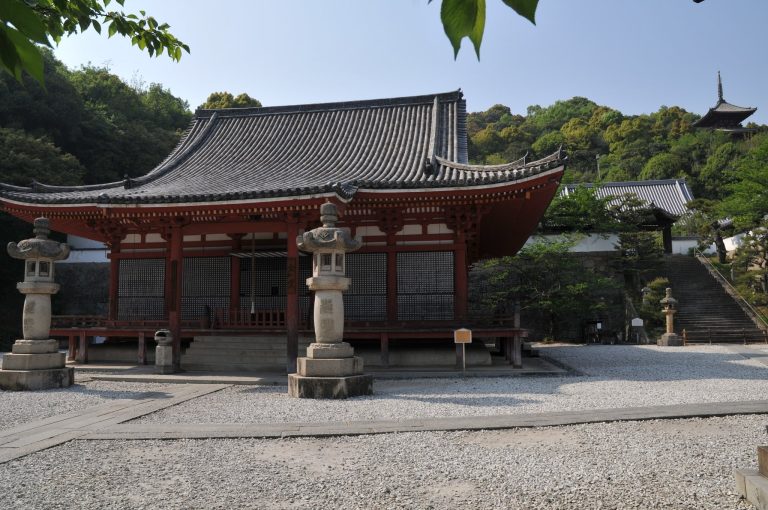
Kōmyō-bō stands in the Mitera area of Ikuchijima, at the foot of the hill associated with its mountain name. A stone thirteen-story pagoda associated with the temple survives among its physical remains, preserving a monumental feature of the former religious complex.
Nearby sites