Boyacı Mosque: A Medieval Seljuk-Style Mosque in Gaziantep


Site at a Glance
- Rating
- 4.7
- Popularity
- Low
- Country
- Turkey
- Primary era
- Medieval
- Eras represented
- Medieval, Modern
- Civilizations
- Ayyubid, Mamluk
- Site type
- Religious
- Remains
- Mosque
On this page6 sections
History
Foundation and Medieval Completion
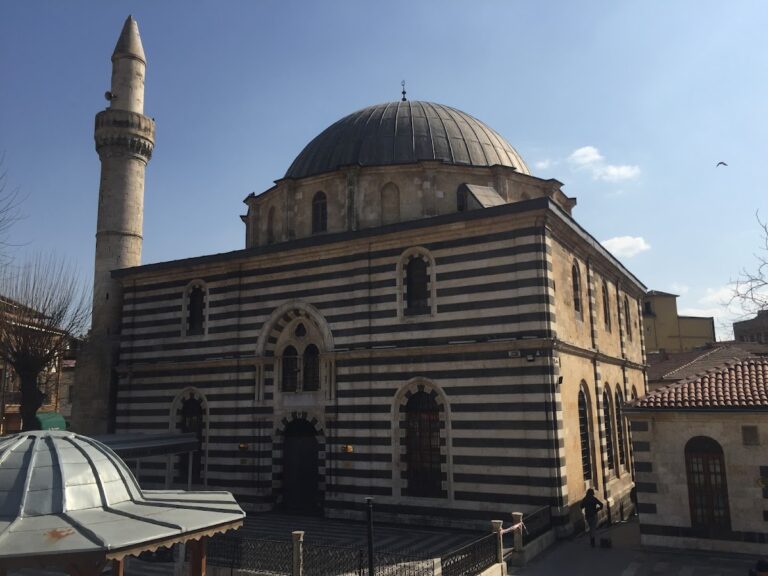
Boyacı Mosque, also known as Boyacıoğlu Mosque and Kadı Kemalettin Mosque, is a Seljuk-style mosque in Gaziantep, Türkiye. Construction began in 1211, and the building was completed in 1357 during the Mamluk period, the medieval era when the Mamluk Sultanate ruled Egypt, Syria, and parts of Anatolia. It is one of the oldest buildings in Gaziantep and remains in use.
The mosque’s foundation is associated with two traditions. One attributes the project to Kadı Kemalettin Bey, a qadi, meaning an Islamic judge and legal official. Another identifies Boyacı Yusuf as its founder. The precise construction history is therefore uncertain. An inscription on the minbar, the raised pulpit used for the Friday sermon, records that part of the work was completed in 1357.
Repairs and Commemoration
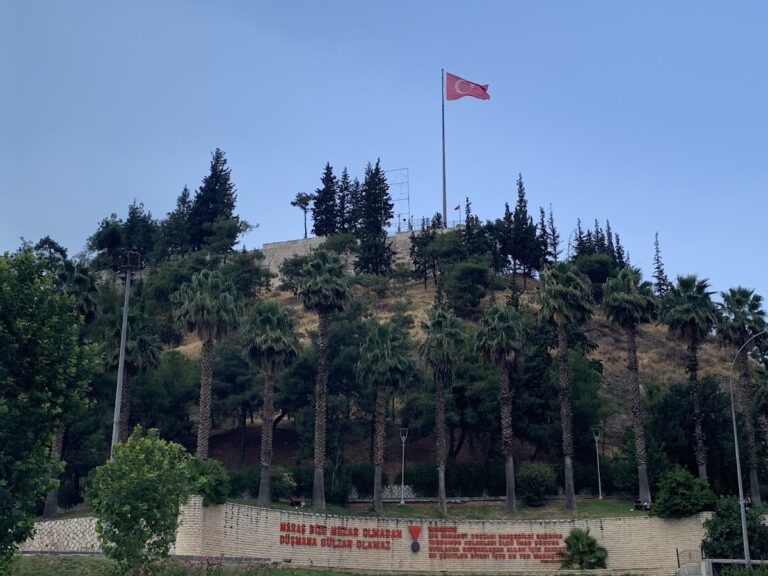
An inscription records repairs carried out in 1575. The mosque’s later history also became linked to the Defense of Antep, the wartime resistance of the city during the Turkish national struggle in the early 1920s. Women who died in that struggle were buried at Boyacı Mosque, and a memorial was later established beside their cemetery.
The Women Martyrs’ Monument was inaugurated in 2017 during ceremonies marking the 96th anniversary of Gaziantep receiving the title of Gazi, an honorific referring here to the city’s wartime defense. Created by sculptor Cahide Erel, the monument commemorates 83 women whose names are inscribed on its pedestal.
Remains
Prayer Hall and Minaret
Boyacı Mosque is built from cut stone and has a single minaret. Its most distinctive architectural feature is the minbar recessed into the wall and mounted on rails. For the Friday sermon, the imam’s pulpit is pulled out along the rails and then returned into the wall, preserving floor space within the mosque.
Courtyard Memorial
The Women Martyrs’ Monument stands in the courtyard beside the martyrs’ cemetery in the rear garden. Its pedestal carries the names of the 83 women who died during the Defense of Antep, connecting the memorial’s physical setting with the burial ground associated with the mosque.