Surb Sion Monastery, Herher: An Armenian Apostolic Monastic Complex


Site at a Glance
- Rating
- 4.9
- Popularity
- Very Low
- Country
- Armenia
- Primary era
- Medieval
- Eras represented
- Medieval, Early Modern
- Civilizations
- Armenian
- Site type
- Religious
- Remains
- Monastery
On this page6 sections
History
Surb Sion Monastery is an Armenian Apostolic monastery in Herher, Armenia, whose construction was completed in the eighth century. The Armenian Apostolic Church is an ancient Christian tradition distinct from the Eastern Orthodox and Roman Catholic churches. From the eighth through the fourteenth century, the monastery served as the spiritual center of the Shahnurnetsi princes, a medieval Armenian princely family, and received many donations.
Medieval Development
The complex was renovated in the fourteenth century by Metar. Its religious and scholarly role continued during this period: in 1349, the scribe Vahan copied a Gospel manuscript at the monastery. The buildings and cemetery remain protected as a cultural monument of Armenia.
Remains
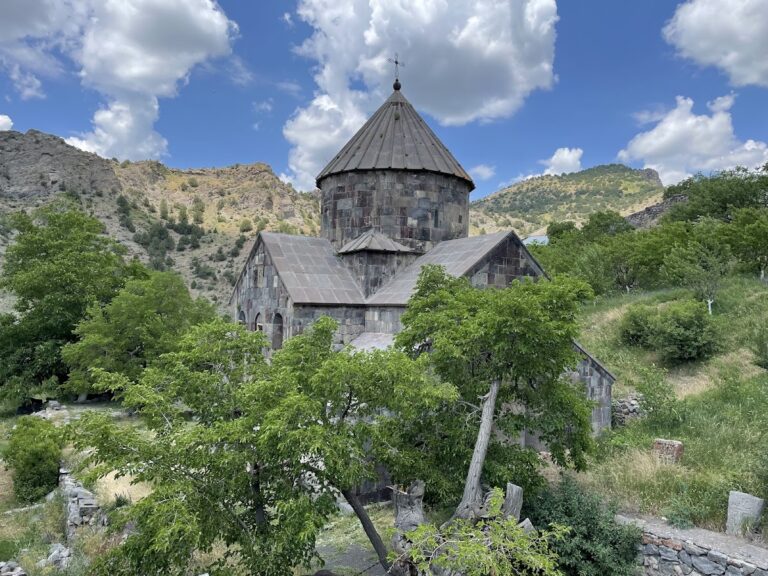
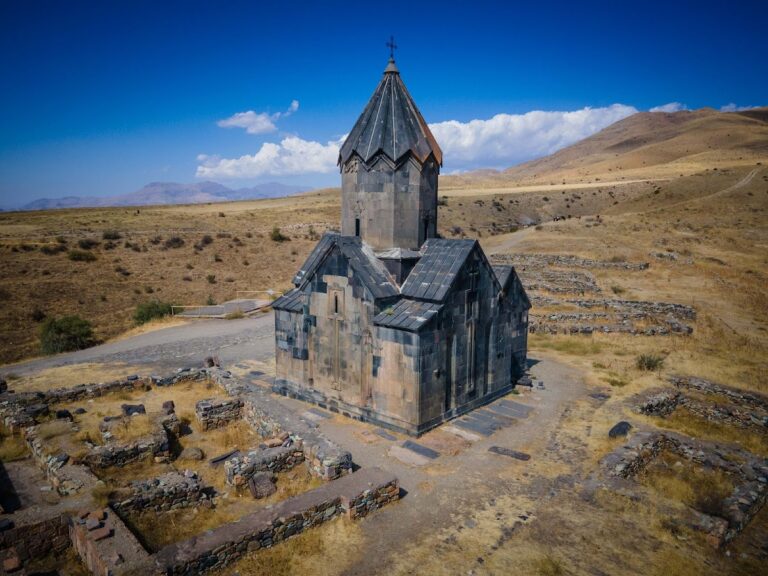
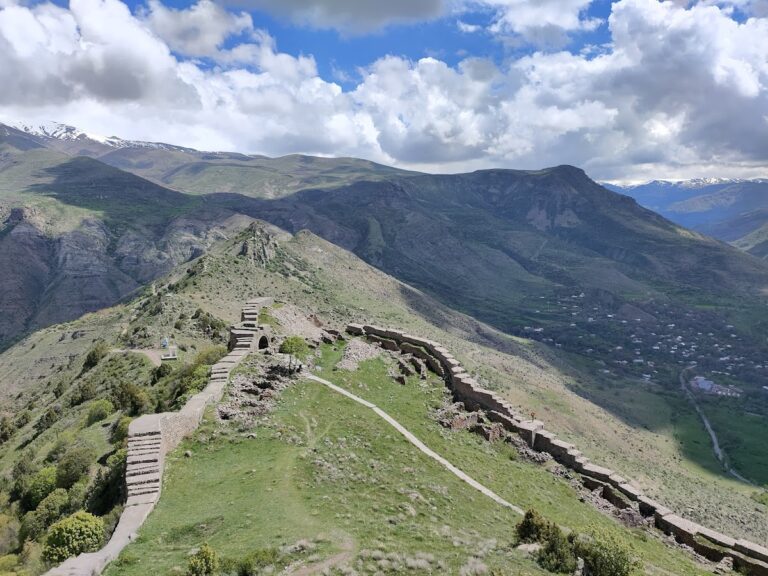
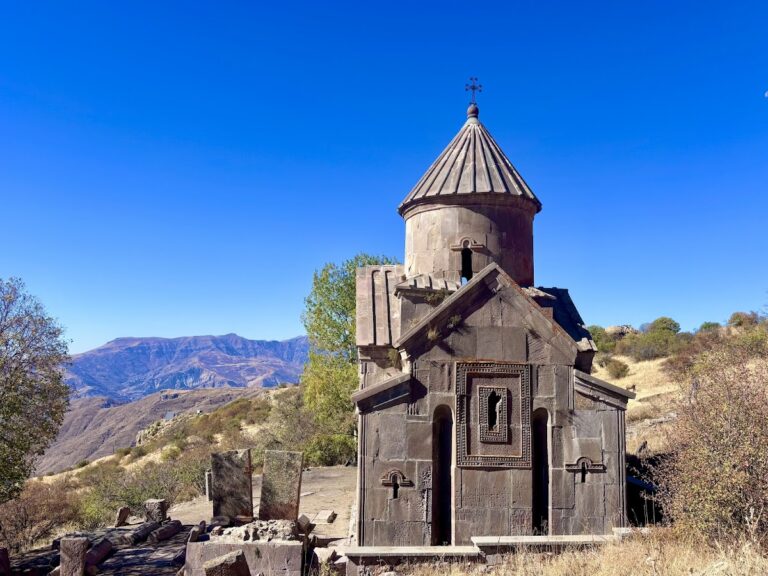
The monastery stands about one kilometre northeast of Herher, on the summit of a small hill bordered by two ravines. Its surviving complex comprises the Church of Saint Sion, the Church of the Holy Mother of God, a chapel, economic buildings, and a cemetery. Numerous khachkars, carved stone cross monuments characteristic of Armenian Christian culture, date from the eighth to the seventeenth centuries and stand in and around the courtyard.
Churches and Chapel
Church of Saint Sion
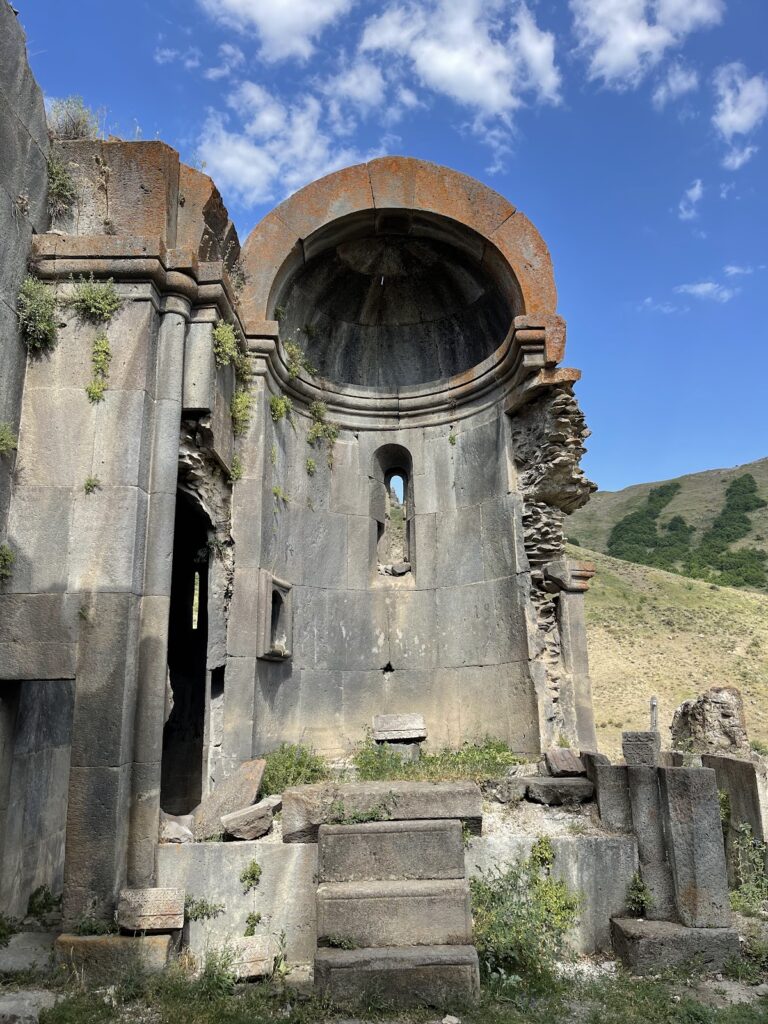
The oldest church is Saint Sion, built from rough-cut sandstone and plastered on the inside. It has a single nave covered by a barrel vault, with semicircular apses at both the eastern and western ends. This arrangement is described as unique in Armenian architecture. A small barrel-vaulted chapel is attached to the church on its north side.
Church of the Holy Mother of God
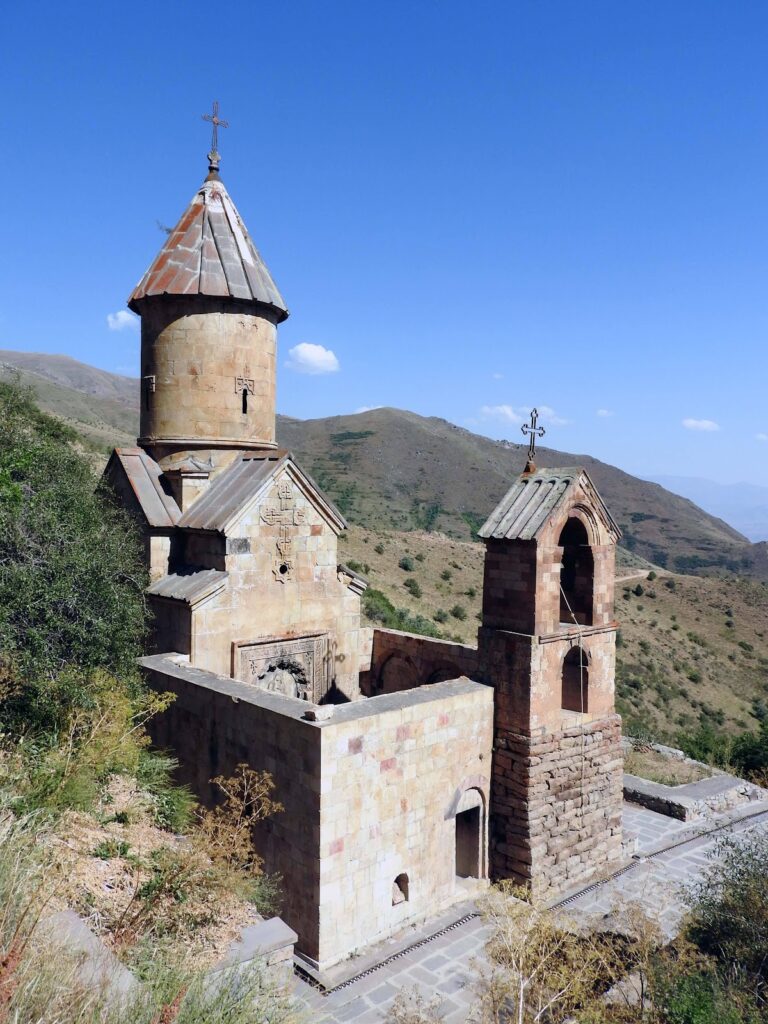
The Church of the Holy Mother of God adjoins Saint Sion on the south. A construction inscription identifies its builder as Prince Vahram Shahnurnetsi and dates the church to 1283. The complex also contains a dressed-stone church with a single nave, a barrel vault, and paired semicircular apses at the eastern end. Its western facade carries a high-relief eagle grasping a ram in its talons.