Monastery of Agios Nikolaos Filanthopinon: A Byzantine Monastery in Greece
Site at a Glance
- Rating
- 4.2
- Popularity
- Very Low
- Country
- Greece
- Primary era
- Medieval
- External website
- Open
- Eras represented
- Medieval, Early Modern
- Civilizations
- Byzantine, Ottoman
- Site type
- Religious
- Remains
- Monastery
On this page5 sections
History
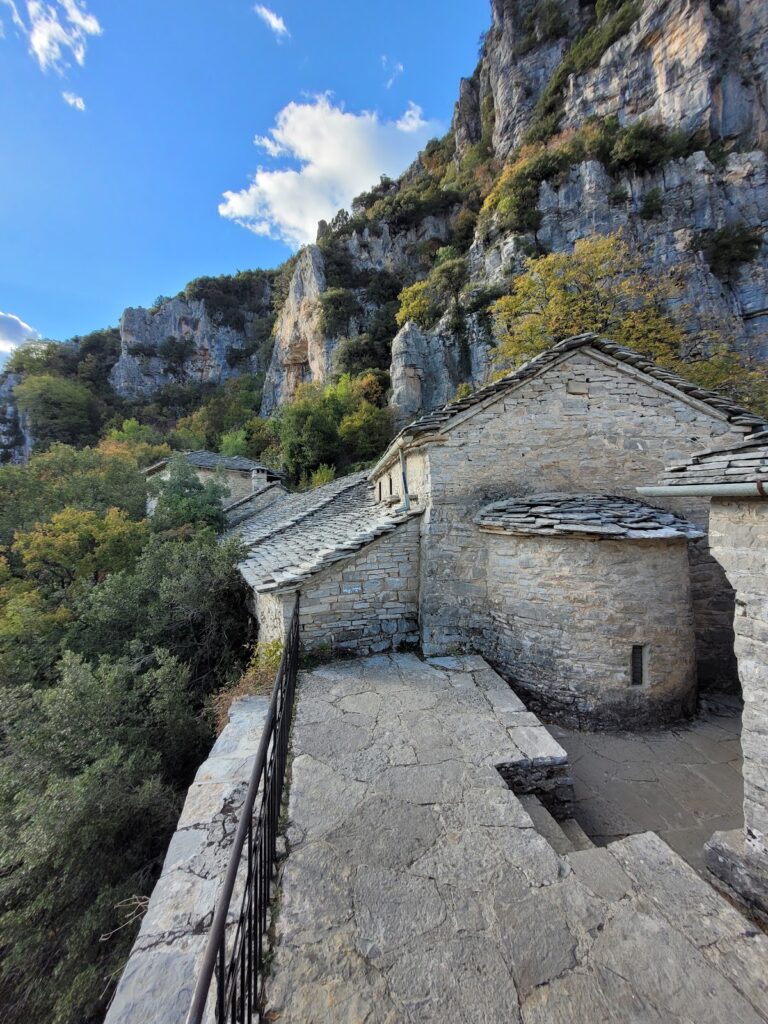
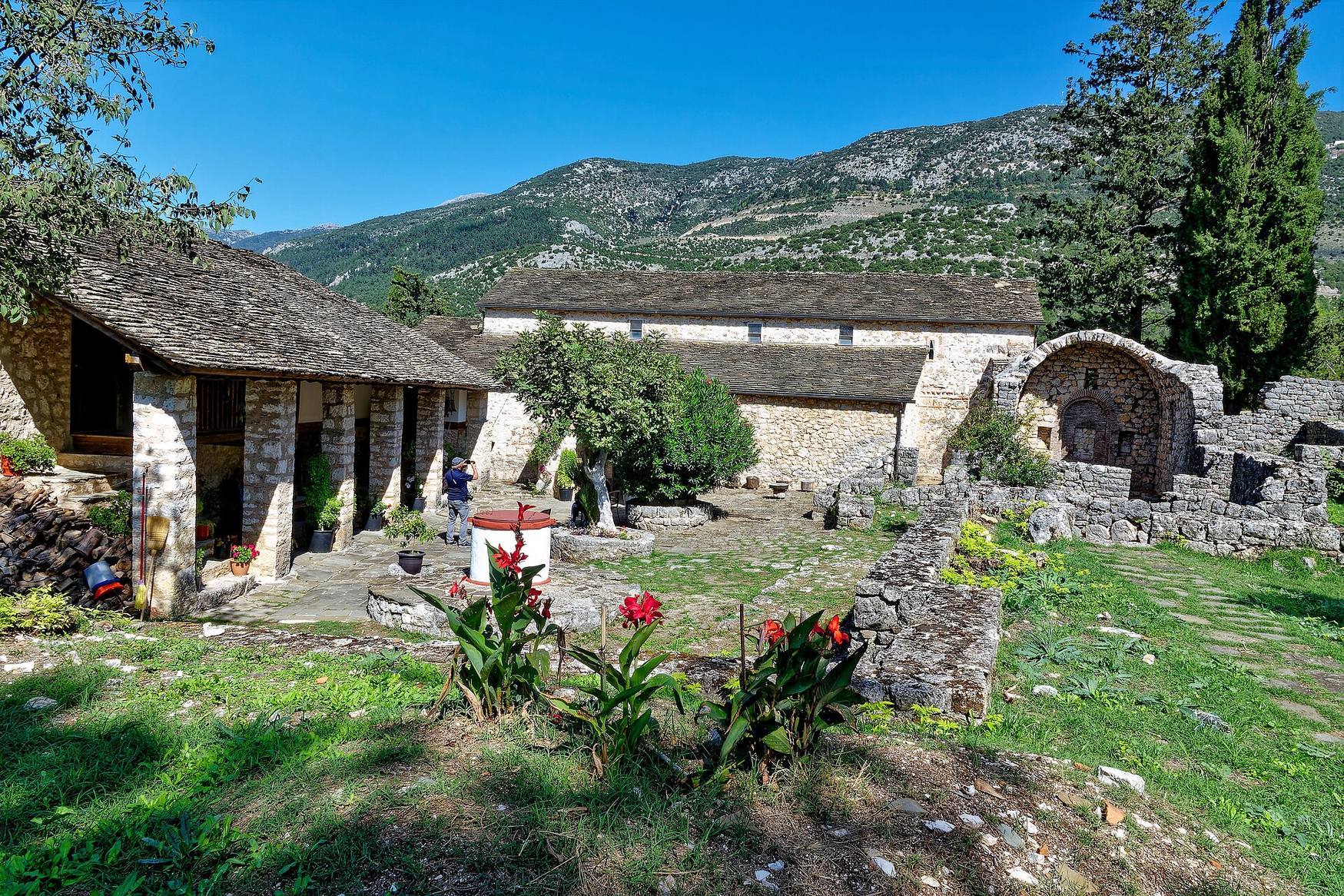
The Monastery of Agios Nikolaos Filanthopinon is a medieval Byzantine monastery on an island in Lake Ioannina, Greece, constructed in 1292. Also called Spanov, it is an active Orthodox institution and is regarded as the oldest active and principal monastery on the lake island.
Foundation in Epirus
The monastery was established by members of the Philanthropinon family, a Byzantine aristocratic family that left Constantinople after the city was captured by the Fourth Crusade in 1204. They settled in the Despotate of Epirus, a Byzantine successor state formed in the early thirteenth century, and continued their religious and social presence in the region.
Michael Philanthropinon, the metropolitan of Ioannina in the late thirteenth century, is regarded as the monastery’s founder or renovator. A metropolitan was a senior bishop responsible for a metropolitan see. The monastery later became part of the Ioannina Diocese of the Ecumenical Patriarchate of Constantinople, an ecclesiastical jurisdiction of the Eastern Orthodox Church.
Sixteenth-century revival
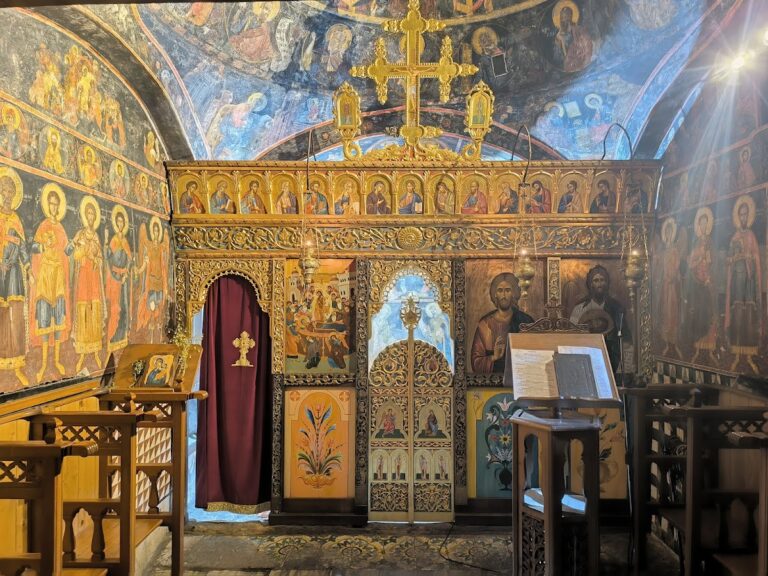
The monastery experienced a major revival in the sixteenth century under the abbots Neophytos Philanthropinon and Joasaph Philanthropinon. They directed extensive renovation and the decoration of the monastery church with frescoes, wall paintings applied directly to plaster, traditionally while it is still damp.
A handwritten chronicle about the history of the region was once kept in the monastery library but has since been lost. The monastery remains an active Orthodox religious institution.
Remains
The principal church, or katholikon, is a three-aisled basilica with a raised central nave. In an Orthodox monastery, the katholikon is the main church. Its surviving decoration belongs to the sixteenth-century revival and includes a large fresco cycle painted by Frankos Katelanos and the brothers Georgi and Frankos Kontaris.
Fresco cycle
The frescoes present scenes from the life and teachings of Jesus Christ, the life of the Virgin Mary, and the Akathist Hymn, an important Eastern Orthodox hymn devoted chiefly to Mary. The cycle also includes scenes from the Old Testament, the life of Saint Nicholas the Wonderworker, and the lives of other saints. A liturgical calendar and representations of the Seven Sages of ancient Greece, thinkers traditionally associated with practical wisdom, complete the range of subjects preserved in the church.