Birgi Grand Mosque: Aydınid Seljukid Mosque in Türkiye


Site at a Glance
- Rating
- 4.8
- Popularity
- Low
- Country
- Turkey
- Primary era
- Medieval
- Eras represented
- Medieval
- Civilizations
- Unclassified
- Site type
- Religious
- Remains
- Mosque
On this page6 sections
History
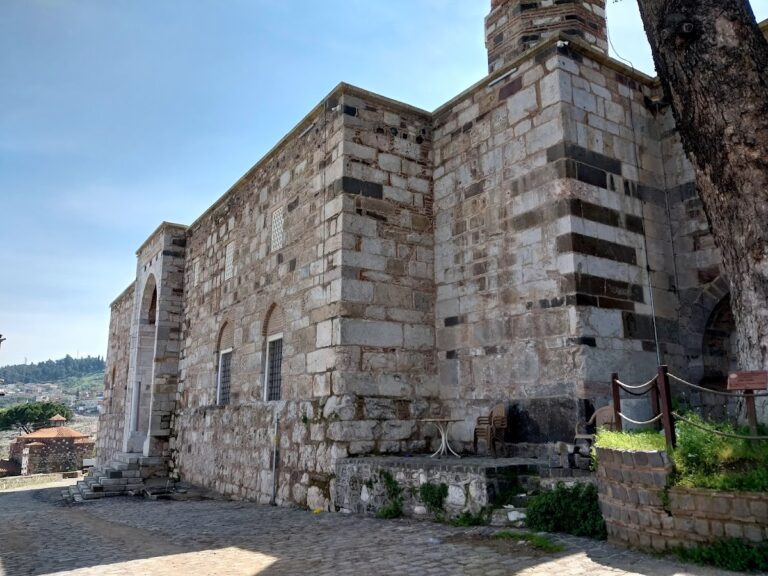
Birgi Grand Mosque is a historic mosque in Birgi, Türkiye, built in 1312 by the Aydınids in the Seljukid architectural tradition. The Aydınids were the ruling house of a medieval principality, or beylik, that controlled parts of western Anatolia during the fourteenth century. Mehmet, the beylik’s first ruler, commissioned the mosque when Birgi served as the principality’s capital. The building is affiliated with Sunni Islam.
The mosque’s history also includes the recovery of part of its principal furnishings. In 1993, the gate of the mimbar, the raised pulpit used for delivering mosque sermons, disappeared. A British tourist later found it in the British Museum. Turkey’s Ministry of Culture and Tourism purchased the gate, and it returned to its original position in the mosque in 1996.
Remains
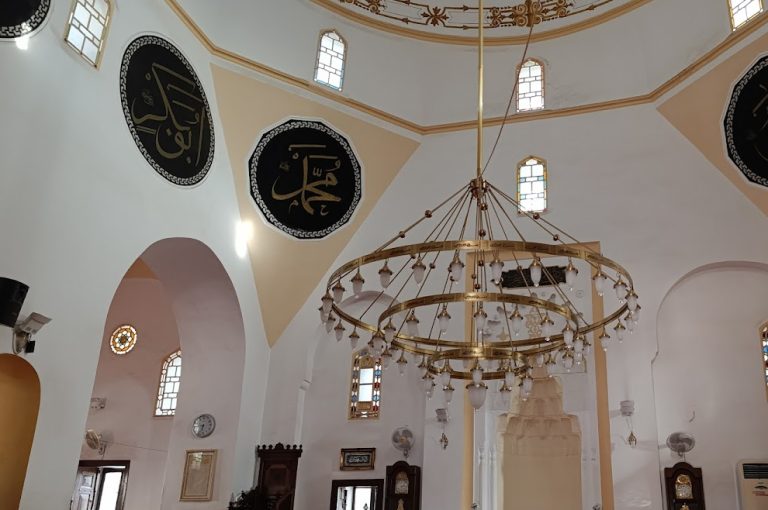
The surviving building is an example of a Seljukid mosque, reflecting the architectural and artistic traditions associated with the Seljuk states that ruled substantial parts of Anatolia before the rise of the Ottoman Empire. Its interior includes a finely crafted wooden mimbar and a mihrab, the recessed prayer niche indicating the direction of Mecca. A reused lion sculpture occupies the southeastern corner.
Interior Furnishings and Reused Sculpture
Wooden Mimbar
The mosque retains a finely worked wooden mimbar constructed without metallic nails. Its gate disappeared in 1993, but was returned to the mosque in 1996 after its purchase by Turkey’s Ministry of Culture and Tourism. The restored gate now forms part of the surviving pulpit.
Marble Mihrab
The mihrab is made of dark cyan marble. As the recessed niche that marks the direction of Mecca, it gives the prayer space a clearly defined focal feature.
Lion Sculpture
A lion statue stands in the building’s southeastern corner. It is spolia, an architectural or sculptural element removed from an earlier structure and reused in a later one, taken from a Lydian building. Its presence is particularly notable because lion statues are rare in Islamic architecture.