Sarutaqi Mosque: A Safavid Shiite Mosque in Isfahan


Site at a Glance
- Rating
- 4.3
- Popularity
- Very Low
- Country
- Iran
- Primary era
- Early Modern
- Eras represented
- Early Modern
- Civilizations
- Safavid
- Site type
- Religious
- Remains
- Mosque
History
Sarutaqi Mosque is a Safavid-era Shiite mosque in Isfahan, Iran, completed in 1643–1644. The Safavid dynasty ruled Iran from the sixteenth to the early eighteenth century and established Twelver Shiism as the state religion, shaping the religious setting in which the mosque was built. Its patron was Saru Taqi Etemad al-Dowla, also known as Mirza Muhammad Taqi and Mirza Taqi, an influential seventeenth-century Safavid politician, courtier, and architectural patron.
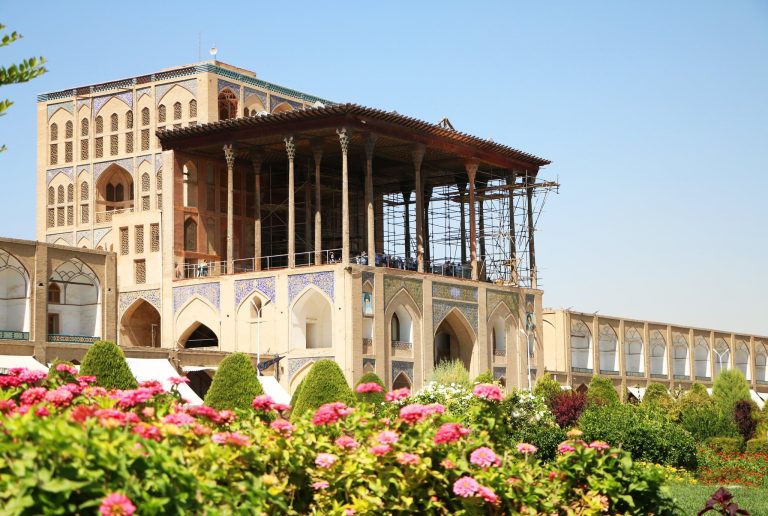
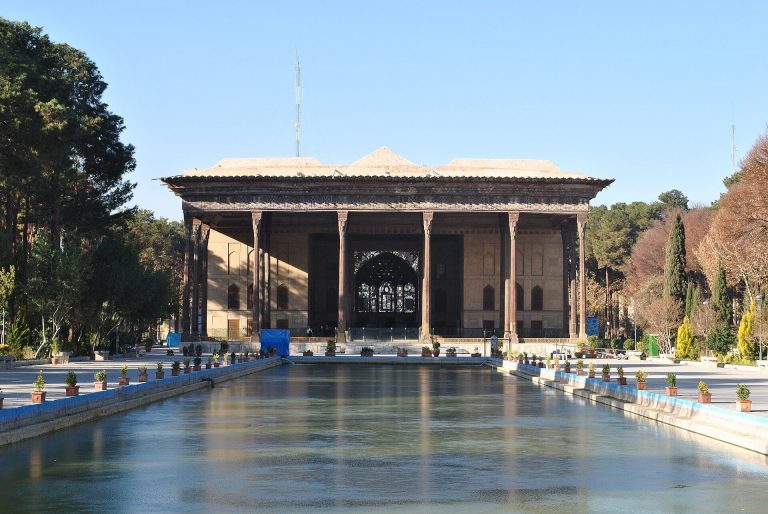
The mosque formed part of the Sarutaqi Complex, which included a caravanserai, a roadside inn and service complex for travelers and caravans, the Saru Taqi Bazaar, a palace that has since been destroyed, and a square. The mosque and the wider complex were named in Saru Taqi’s honor. His name and the date 1053 AH, corresponding to 1643–1644, were inscribed on the portal iwan. Sarutaqi Mosque was registered as a national heritage property of Iran in 1932 under registration number 113. It remains active for prayer.
Remains
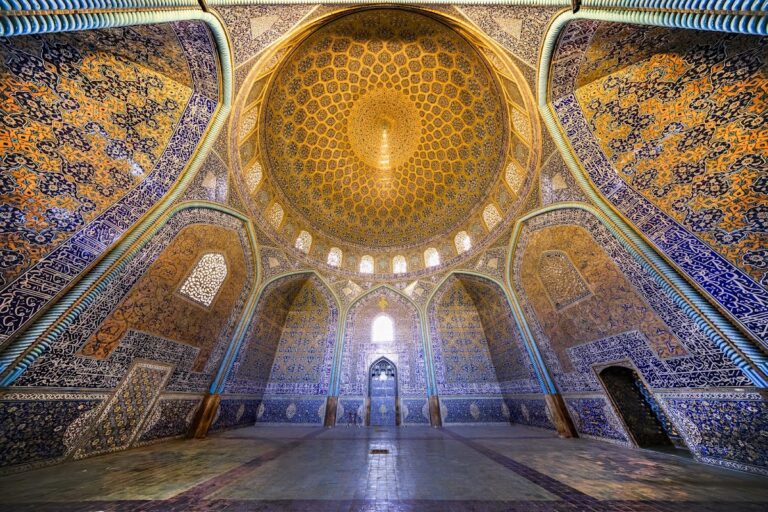
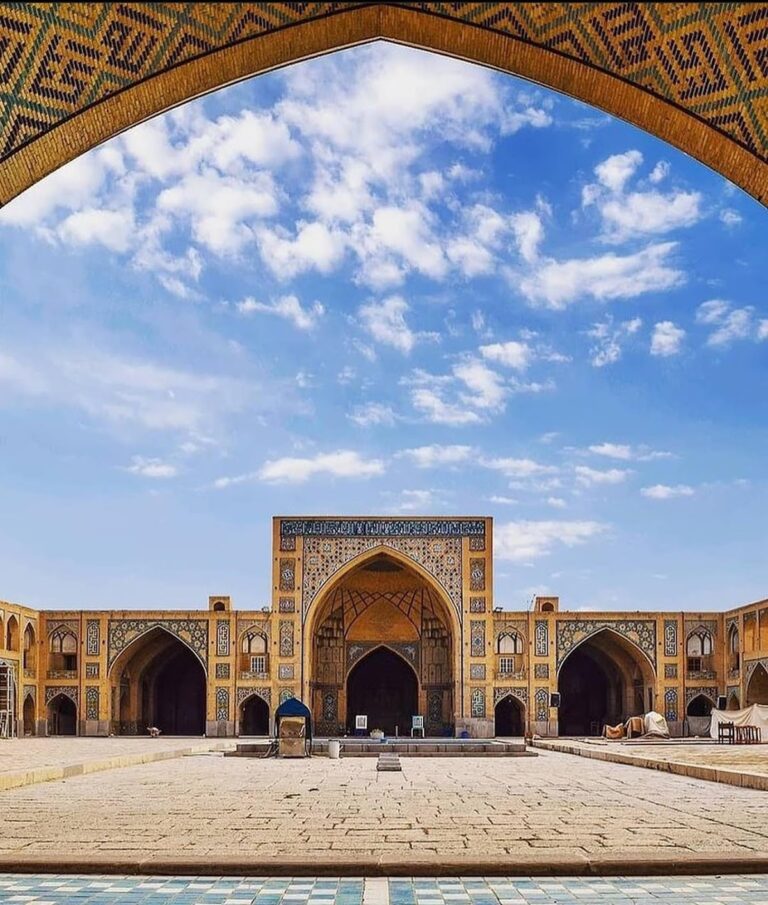
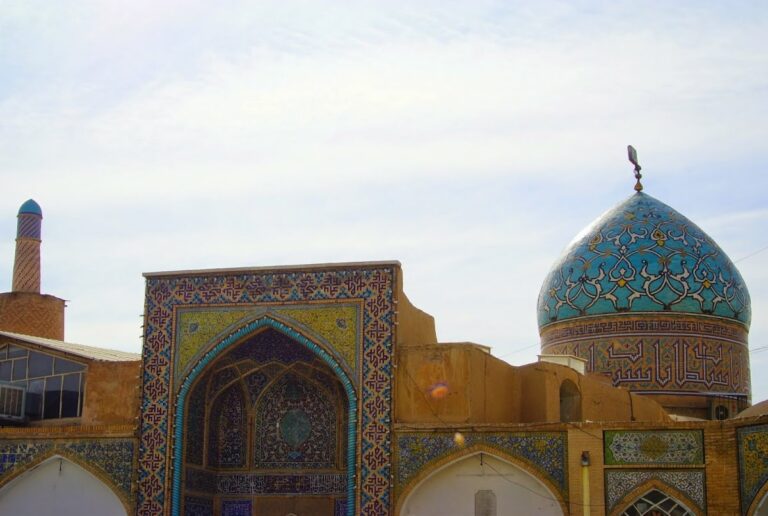
Sarutaqi Mosque stands in Isfahan’s bazaar area, near Hassan Abad Gate and in the Imamzadeh quarter, a locality associated with a descendant of a Shiite imam. It is a simple brick building with Safavid architectural characteristics. Brick, plaster, and tile form its principal materials. The prayer hall rises slightly above the courtyard, which is approximately the same size and has a plain design, while the mihrab, the recessed feature indicating the direction of prayer, is set slightly lower than the hall.
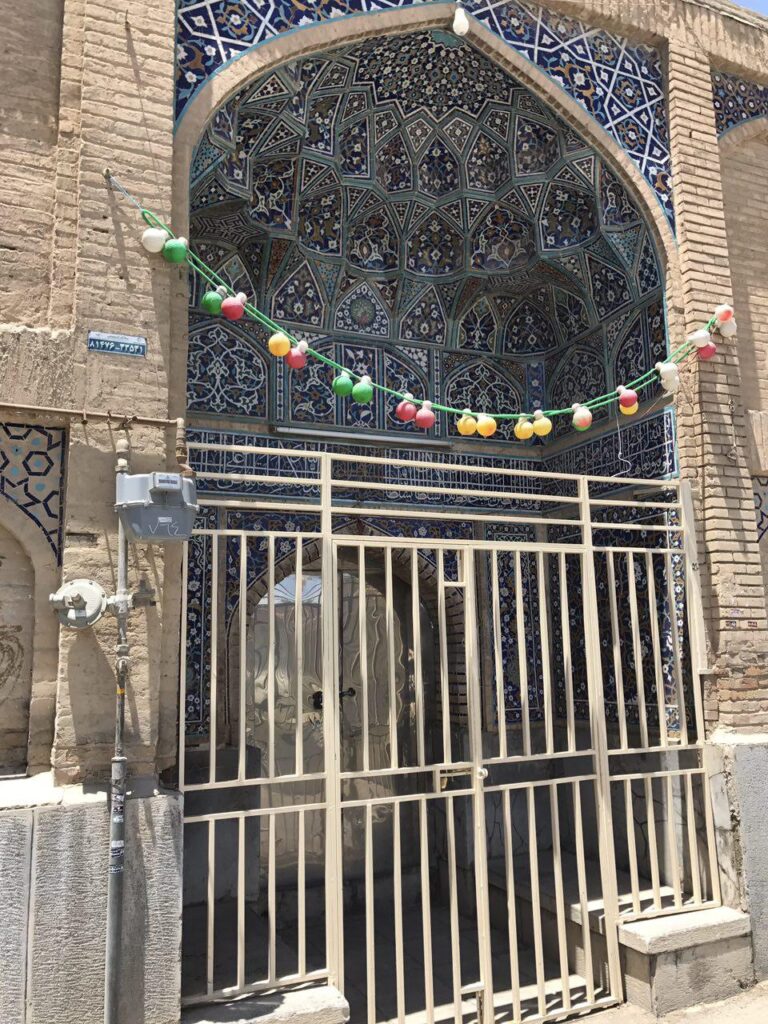
The mosque has one dome, although the recorded number of domes is uncertain. Its exterior is faced with simple brickwork, while the interior carries painted and plaster decoration. Similar decoration extended over the walls, which were plastered in later periods. The entrance portal contains an iwan, a large vaulted hall open on one side, with the inscription naming Saru Taqi and giving the date 1053 AH.