Fårö Church: A Medieval Lutheran Church in Sweden


Site at a Glance
- Rating
- 4.3
- Popularity
- Low
- Country
- Sweden
- Primary era
- Medieval
- External website
- Open
- Eras represented
- Medieval, Early Modern, Modern
- Civilizations
- Swedish
- Site type
- Religious
- Remains
- Church
On this page12 sections
History
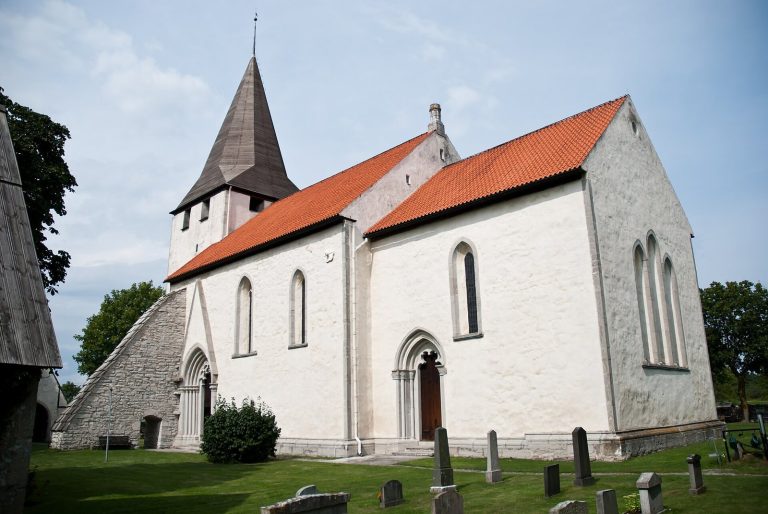
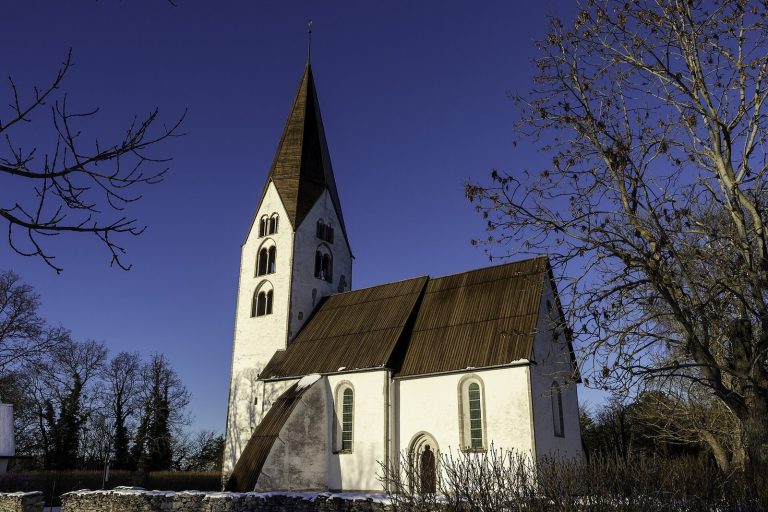
Fårö Church is a medieval Lutheran church of the Church of Sweden on the island of Fårö, Sweden, with parts dating from the fourteenth century. It belongs to the Diocese of Visby, the regional ecclesiastical jurisdiction of Sweden’s Lutheran national church. Its inauguration may have taken place in 1324, although the church could be earlier.
Medieval origins and later reconstruction
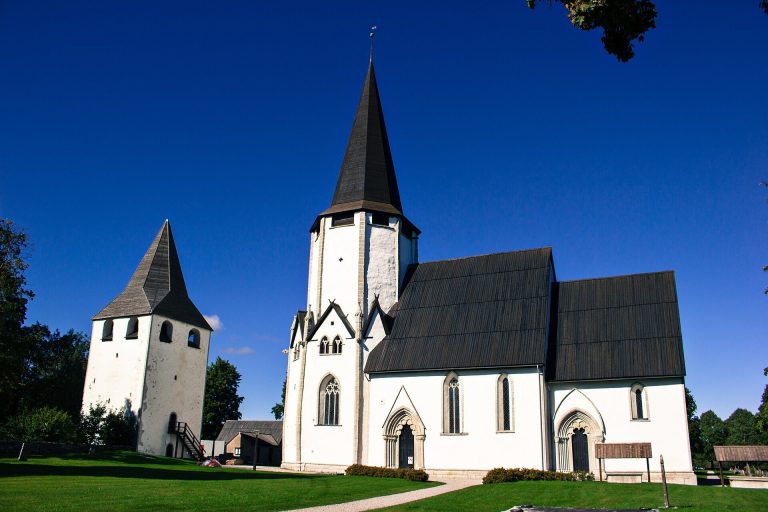
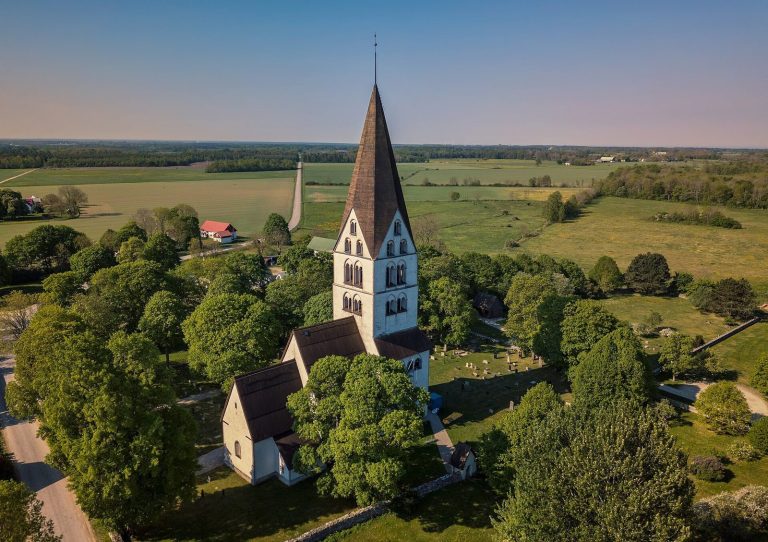
The church retained medieval fabric in much of its nave and tower, but extensive rebuilding during the eighteenth and nineteenth centuries transformed its appearance. The easternmost part had been removed by the eighteenth century at the latest. In 1858–1859, the choir was replaced by a large nave, creating the building’s present cross-shaped plan. The entrance was transferred from the south facade to the tower. This reconstruction has been described as the only transformation of its scale among Gotland’s medieval churches.
The tower was substantially altered during the eighteenth century, and its current spire dates from 1751. The church’s later history also includes practical improvements and conservation. A renovation in 1967–1968 installed electric lighting and heating and widened the pews, leaving space for up to 350 people. The stonework and altar were cleaned and the tower regilded in 2000–2001. The organ received repairs in 1970 and 2000.
Burial and cultural memory
The church cemetery contains the shared grave of filmmaker Ingmar Bergman and his wife, Ingrid von Rosen. They were buried there in 2007, and Bergman had selected the location himself.
Remains
Fårö Church has a cruciform layout shaped by later rebuilding around a medieval core. Almost the entire nave and the tower are medieval in origin, while the building’s present arrangement largely reflects the replacement of the choir in the nineteenth century. The surviving structure therefore combines medieval masonry with later architectural changes and furnishings.
Medieval fabric and reconstructed church
Nave and tower
The nave and tower preserve most of the church’s medieval substance. The tower’s present spire belongs to 1751, when the tower was substantially modified. The entrance now occupies the tower rather than the south facade, reflecting the changes made during the church’s reconstruction.
Windows and entrance fittings
Windows in the northern wall were enlarged or added in 1761. The entrance-door hinges and lock also date from that year and were made by the local bell ringer.
Interior furnishings and decoration
Vaults, pews, pulpit, and baptismal font
Magnus Möller painted the vaults in 1761. The paintings were covered during the nineteenth-century reconstruction and later restored. Möller, who was also a local carpenter, made the pews and pulpit in the same year. Rococo ornament, an ornate decorative style that developed in eighteenth-century Europe, appears on the pew doors and was likewise covered before being restored.
A limestone baptismal font from the fourteenth century stands beneath a crucifix of the same period. Together, these objects are among the church’s three oldest surviving elements. One of twelve consecration crosses, crosses marking places where a church was ceremonially consecrated, remains on the south wall.
Altar and organ
The altar dates from 1709 and includes a sandstone altarpiece depicting the Last Supper and carrying the insignia of Charles XI, king of Sweden from 1660 to 1697. Parts of the altar are also held in the fishing chapel at Hallshuk and in the Gotland Historical Museum.
Frans Andersson built the organ in 1860 for Väddö Church in Uppland. It was transferred to Fårö Church in 1875, when the congregation purchased it for 800 Swedish kronor.
Chandelier and church ships
A wooden chandelier from the nineteenth century hangs in the tower. A sculptor from Skär donated it. Two model ships, known as church ships or votive ships, were placed in the church during the 1960s. Such models may serve as votive offerings or memorials, and these were donated by Edvin Hamstedt.
Votive paintings
Two votive paintings hang on the northern wall. Dated 1618 and 1767, they are devotional images made in thanksgiving for protection or deliverance. Both commemorate seal hunters who became stranded on drifting ice during winter and were later rescued.
The larger painting, dated 1618, shows Visborg Castle in Visby and is identified as the earliest known image of the fortress. Visborg was a major medieval and early-modern stronghold that later became ruined. The smaller painting commemorates the rescue of a father and son.