Jalska Mosque: An Ottoman-Era Mosque in Tuzla
Site at a Glance
- Rating
- 4.7
- Popularity
- Very Low
- Country
- Bosnia and Herzegovina
- Primary era
- Early Modern
- External website
- Open
- Eras represented
- Early Modern, Modern
- Civilizations
- Austria-Hungary, Habsburg, Ottoman
- Site type
- Religious
- Remains
- Mosque
On this page12 sections
History
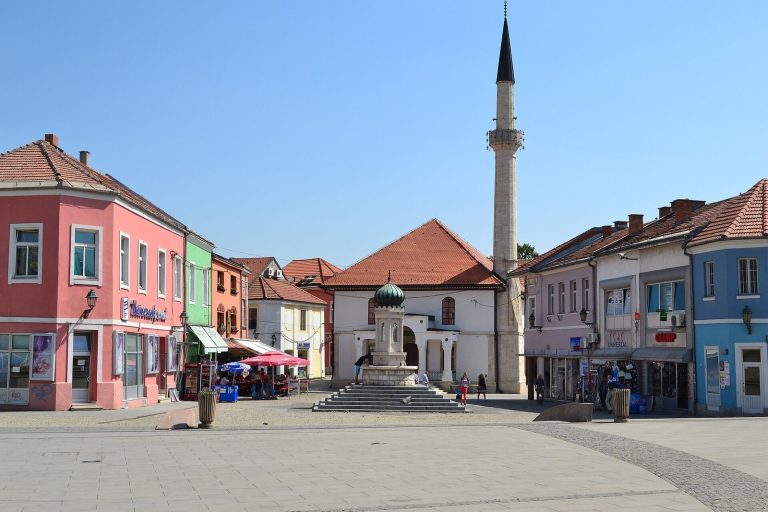
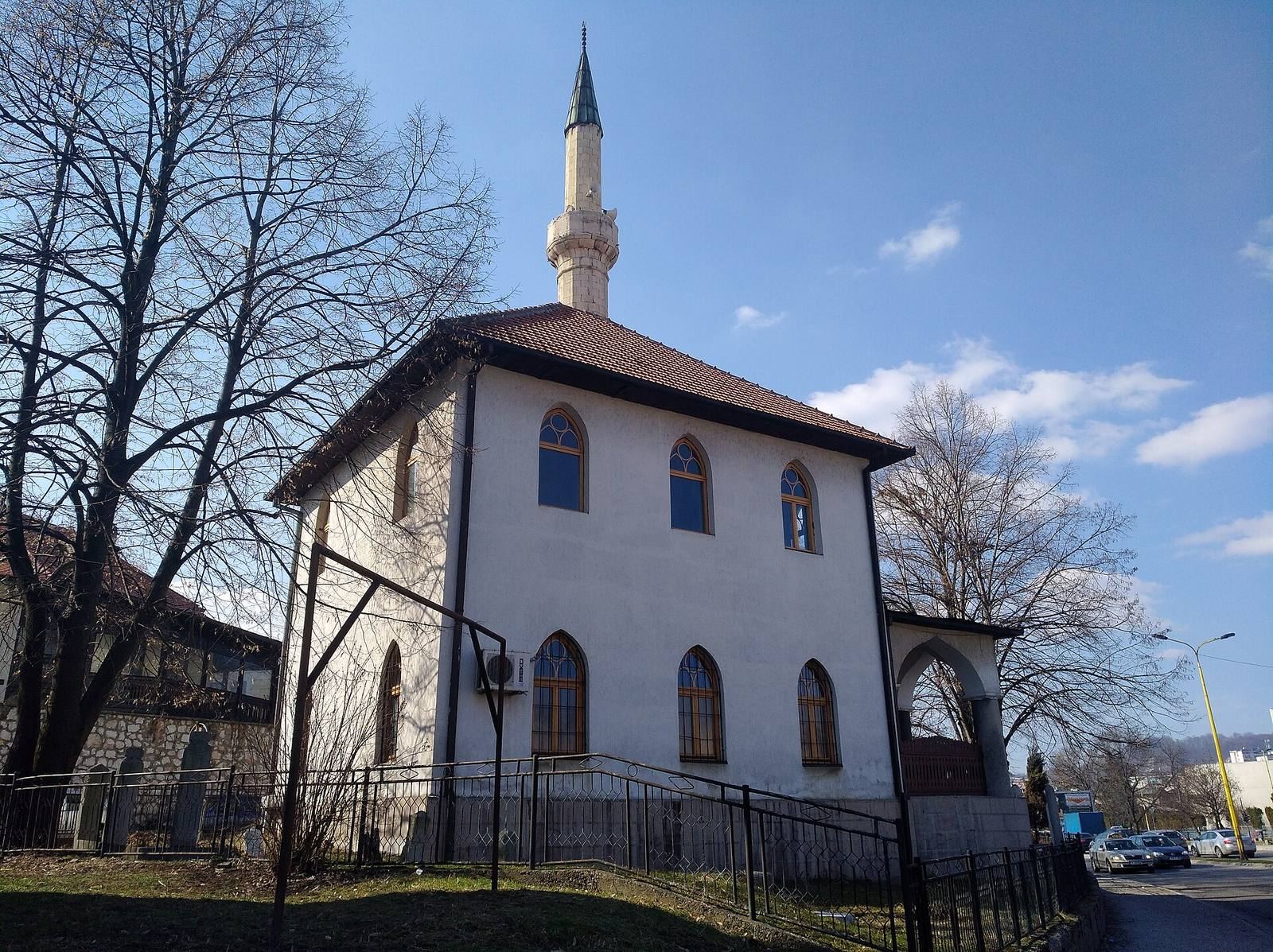
Jalska Mosque is an Ottoman-era Islamic mosque in Tuzla, Bosnia and Herzegovina, completed in the seventeenth century under Ottoman rule. The building was first recorded in 1600 under the name of its founder, Sedefkar Mehmed Agha. It is also known as Mehmed-agina Mosque, Kızler Mosque, and Hafiz-hanuma’s Mosque. Today, it belongs to the Tuzla Islamic Community Council within the Tuzla Muftiate, an administrative area of Islamic religious authority headed by a mufti.
Ottoman foundation and local names
The name Kızler Mosque, meaning “Girls’ Mosque,” is connected with a local tradition about a young girl who restored the building with her bridal trousseau. Her tomb was said to have stood in the mosque courtyard in 1848. Three türbes, or tomb structures associated with respected religious or other notable people, stood in front of the mosque until 1948, and one was believed to contain the unidentified girl.
Rebuilding and later religious life
Jalska Mosque was altered and restored several times. Part of the building was rebuilt in 1878, followed by a thorough rebuilding by Hafiz-hanuma Tuzlić in 1890. After that work, it became known as Hafiz-hanuma’s Mosque. Another renovation followed in 1891. The mosque had deteriorated before the 1890 rebuilding, and its brick dome collapsed spontaneously in 1928. A reed ceiling was then installed, concealing the original dome.
During the communist period, the mosque contained what was regarded as the best-appointed mekteb classroom in Tuzla. A mekteb was a traditional Islamic elementary religious school, and the classroom attracted children from the city’s most distant neighborhoods. The nearby grave of Mehmed Teufik Azabagić, Grand Mufti of Bosnia and Herzegovina from 1893 to 1909, adds another connection with the region’s Islamic religious leadership. Azabagić died in 1918.
War damage and protected status
Jalska Mosque was the first mosque in Tuzla and its surrounding area to be attacked and damaged by Serbian paramilitary forces. During the war, a funeral took place in front of the mosque for Mehmed Hafizović, a sheikh of the Naqshbandi order and commander of the Sheikh Hasan Kaimija unit, which operated within the First Muslim Brigade. The Naqshbandi order is a major Sunni Sufi order. The mosque complex, together with its cemetery, was declared a National Monument of Bosnia and Herzegovina on 27 February 2019.
Remains
The surviving complex combines a single-minaret mosque with a cemetery and courtyard fountain. The original building was made from adobe bricks. Its prayer space is enclosed by thick plastered and painted walls, while the interior woodwork is coated with light-blue oil-based paint. The building retains a flat decorated ceiling and a red-domed roof tradition, although the brick dome beneath the roof collapsed in 1928.
Religious building
Prayer space
The prayer space has thick walls finished with geometric and floral ornament. Its flat ceiling carries painted patterns that differ from those on the walls. This combination of wall and ceiling decoration is regarded as a rare survival of earlier mosque interiors. The mosque has one minaret, and its original red dome was covered with wooden planks.
Mahfil and mekteb
An elevated mahfil, or gallery inside a mosque, contains a mekteb classroom. Plywood partitions separate the classroom from the prayer area, leaving a smaller part of the gallery available for prayer. A central door is exactly as wide as the semicircular projection intended for the muezzin, the person who calls worshippers to prayer. The arrangement preserves the relationship between the teaching space, gallery, and prayer area.
Cemetery and courtyard
Historic cemetery
The mosque cemetery contains numerous old, richly decorated nišans, the carved Muslim grave markers used to identify burials. Their decoration indicates that prominent people from Tuzla were buried in the cemetery. Mehmed Teufik Azabagić’s grave lies beside the mosque.
Courtyard fountain
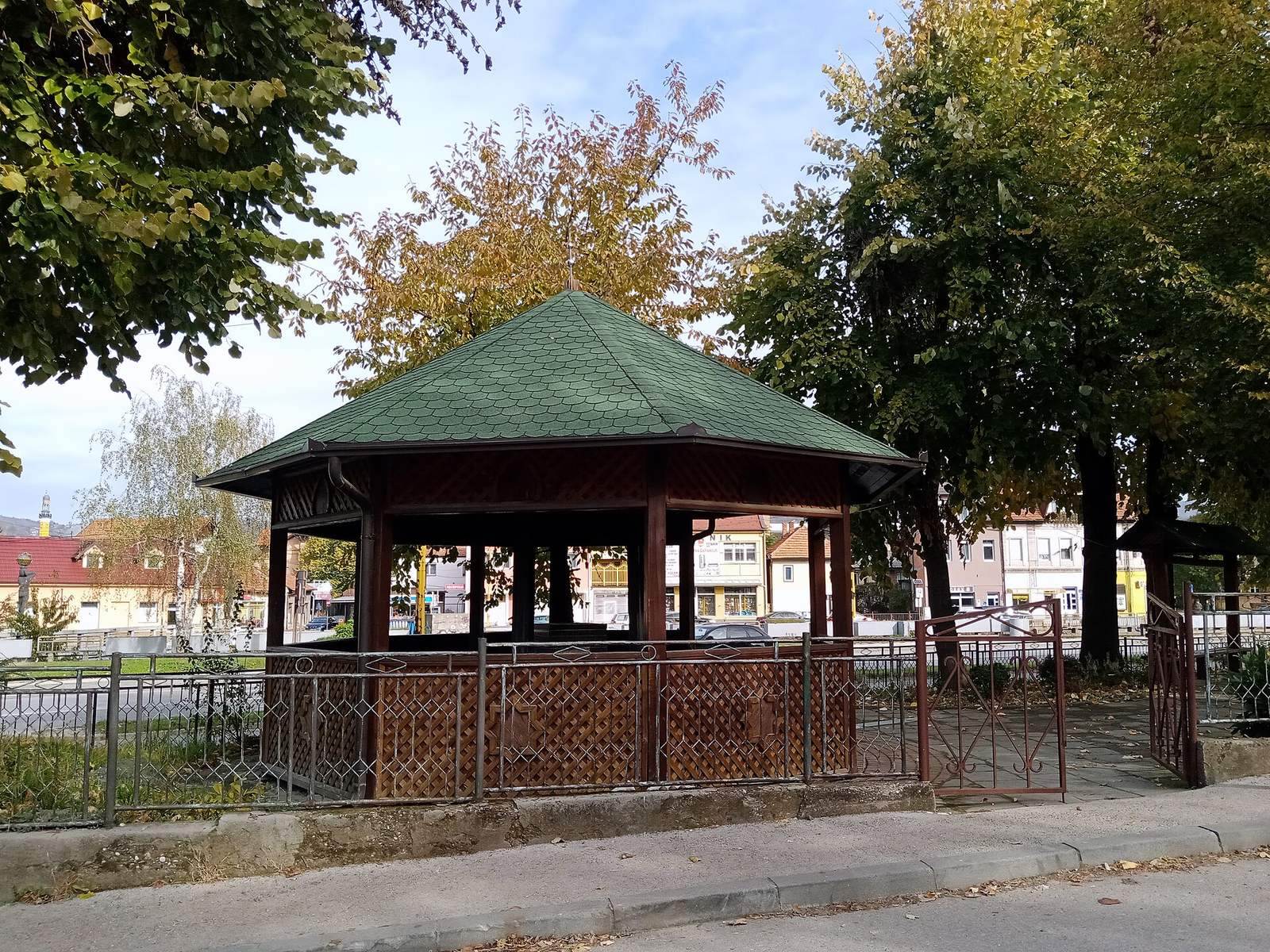
A square pillar stands at the center of the courtyard fountain. It is covered with small black ceramic tiles, rises approximately 120 centimetres, and produces a thin jet of water about half a metre high. A plaque on the pillar carries the engraved inscription, “A charitable deed for all the souls of the dead, Avdo Isabegović and Marija.”
Nearby Sufi complex
A newly built tekke, a lodge or complex used by a Sufi religious order, stands close to the mosque. It belongs to the Naqshbandi order and forms part of the religious setting associated with Jalska Mosque.