Fågeltofta Church: A Romanesque Lutheran Church in Sweden
Site at a Glance
- Rating
- 4.1
- Popularity
- Very Low
- Country
- Sweden
- Primary era
- Medieval
- External website
- Open
- Eras represented
- Medieval, Early Modern, Modern
- Civilizations
- Danish, Swedish
- Site type
- Religious
- Remains
- Church
On this page12 sections
History
Medieval origins and development
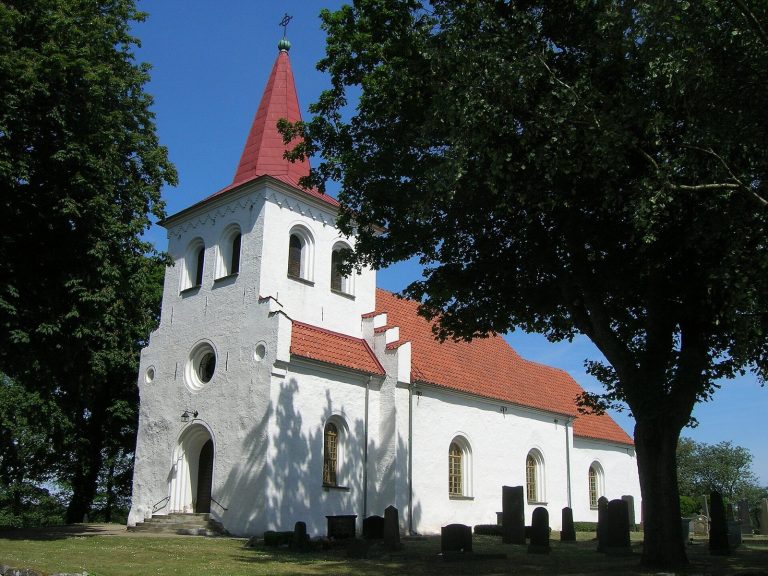
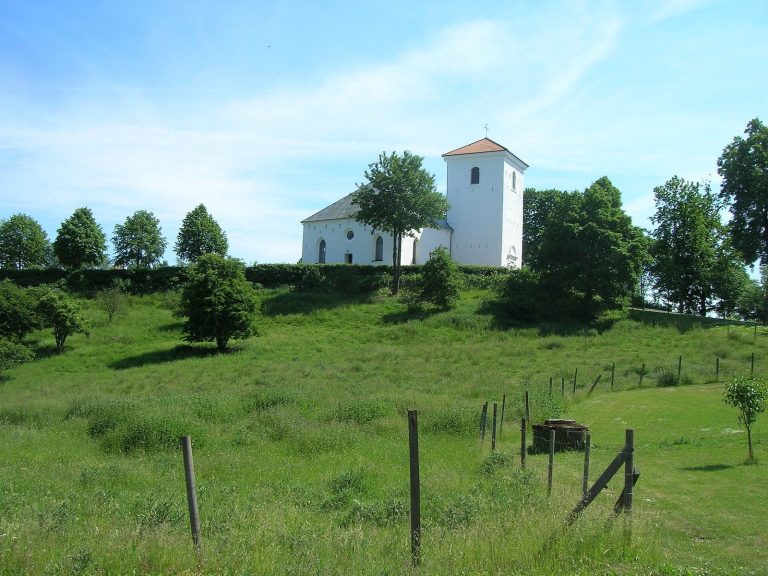
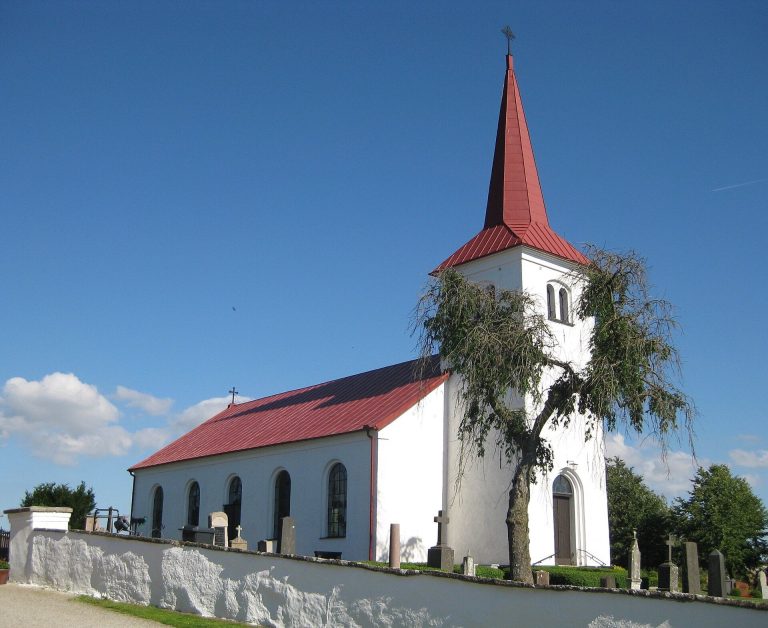
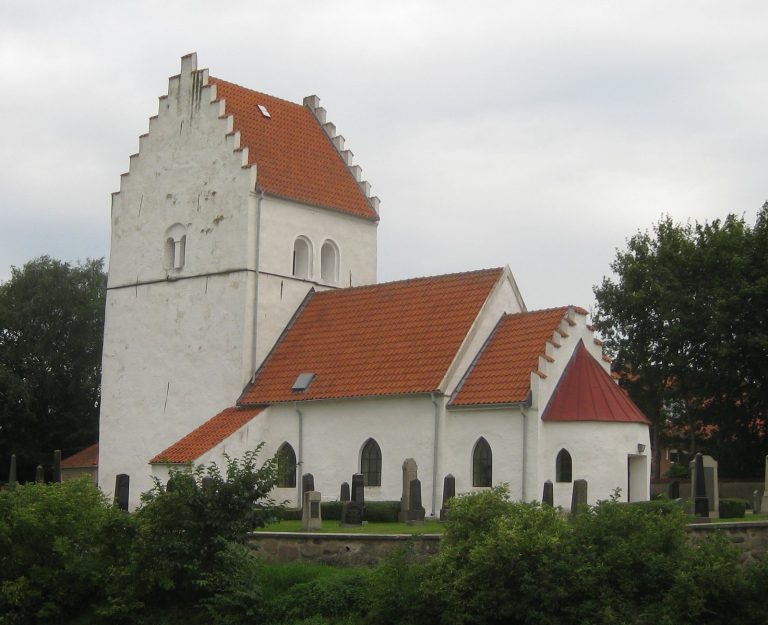
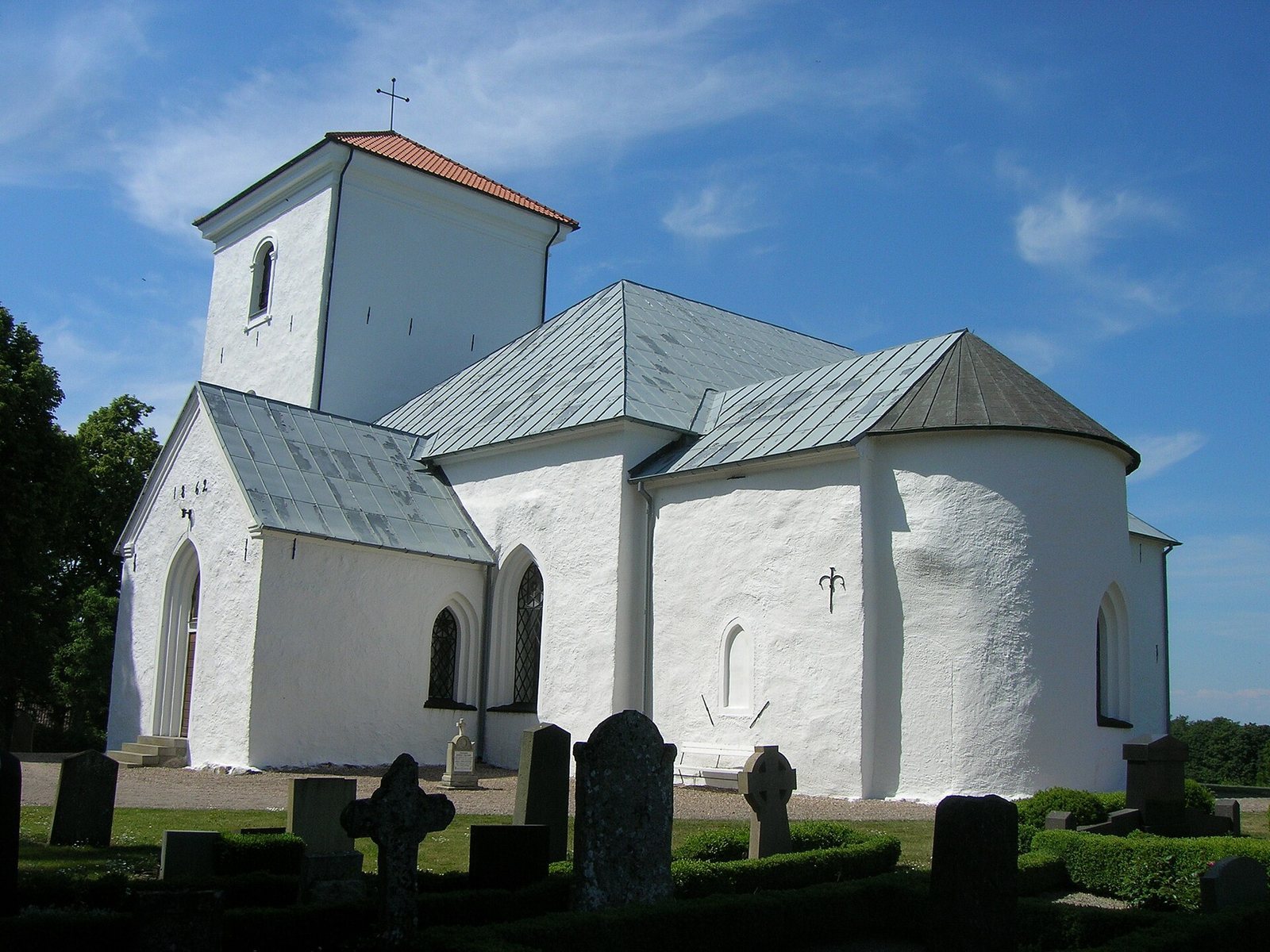
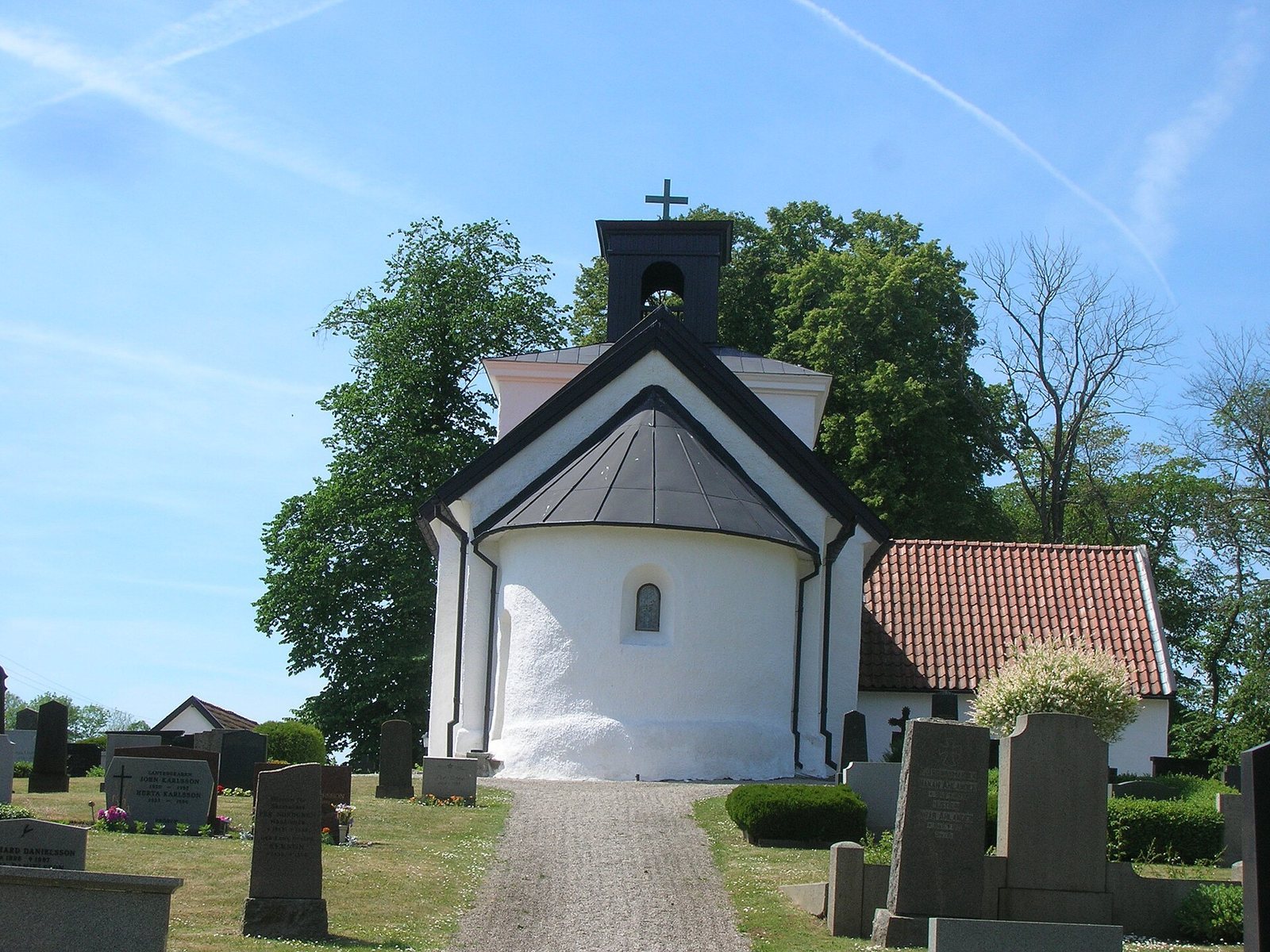
Fågeltofta Church is a Lutheran church in Fågeltofta, Sweden, founded in the twelfth century and built as a Romanesque church in the twelfth or early thirteenth century. Romanesque architecture is a medieval style known for massive walls and rounded arches. The church originally consisted of a choir, nave, apse, altar, and bell tower, and was dedicated to Saint Peter the Apostle, one of Christianity’s principal apostles and a traditional early leader of the church.
During the fifteenth century, the nave was fitted with two bays of star vaults, whose ribs form a star-like pattern. Tradition connects the funding of this work with Queen Margrethe I, the medieval ruler who united Denmark, Norway, and Sweden under the Kalmar Union. Frescoes were also added to the walls and vaults during the same century. They remain beneath later layers of whitewash.
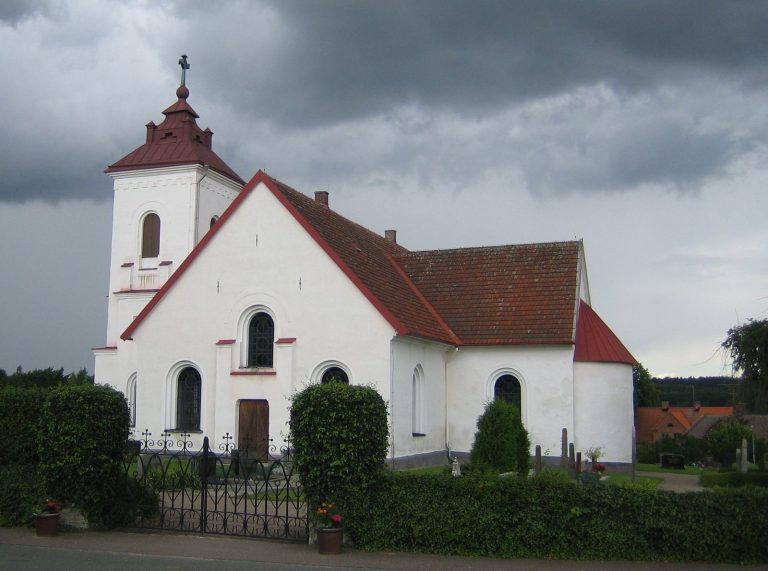
A northern extension was built in the fifteenth century. Its first purpose is uncertain, since it may have served as a church porch or a chapel. It later acquired the name Bondrum Church because people from the nearby village of Bondrum prayed there during services.
Later changes and parish use
The medieval northern bell tower was demolished during the nineteenth century. A replacement tower was erected on the west side of the church between 1818 and 1820. In the 1840s, the northern extension received a cylindrical vault and was adapted for use as the sacristy, the room where liturgical objects are kept and clergy prepare for worship.
Fågeltofta Church belongs to the Brösarp-Tranås parish of the Church of Sweden in the Diocese of Lund. Lutheranism is the Christian tradition associated with Martin Luther and the Reformation. The church’s furnishings also reflect later patronage. An eighteenth-century altar was bequeathed to the parish in 1764 by a nobleman from Bjersjöholm Castle and installed in 1766. A seventeenth-century pulpit carries the coat of arms of the owners of Kronovall Castle.
Twentieth-century renovation
A major renovation in 1952 introduced a second altar. Made of red brick with a limestone slab, it was later fitted with a stained-glass window created by Martin Sjöblom in 1963. An organ had been installed around 1890, or possibly in 1892. The original instrument was built by the Malmö organ builder Rasmus Nilsson. The present pneumatic organ was made and installed by the A. Mortensson Organ Factory in 1952, using the earlier case.
Remains
Church structure and extensions
Romanesque core
The surviving Romanesque building retains its nave, altar, and apse, while parts of the oak roof trusses also remain. The nave is covered by two fifteenth-century bays of star vaulting. The medieval floor was paved with bricks and gravestones, and the pews had doors. The fifteenth-century wall and vault frescoes survive beneath whitewash.
Northern extension
The northern extension now serves as the sacristy and has a cylindrical vault added in the 1840s. Its earlier form may have been that of a porch or chapel. Its later association with residents of Bondrum gave the space its traditional name, Bondrum Church.
Western bell tower
The present bell tower stands west of the church and was built between 1818 and 1820 after the medieval northern tower was demolished. It forms the church’s surviving bell-tower structure.
Interior furnishings
Medieval and early modern objects
Among the oldest interior objects is a twelfth-century baptismal font, the vessel used for Christian baptism. The church also contains a medieval sculpture of the Virgin Mary from a Marian altar, an altar dedicated to Mary. The seventeenth-century pulpit bears the coat of arms of the owners of Kronovall Castle, while the eighteenth-century altar from Bjersjöholm Castle was installed in 1766.
Later altar and organ
The additional altar installed in 1952 is constructed from red brick and a limestone slab. Its stained-glass window was made by Martin Sjöblom in 1963. Beneath the earlier organ case stands the present pneumatic organ, installed in 1952 by the A. Mortensson Organ Factory.